

Yuzu perfume: buying guide and best fragrances 2026
Yuzu is a Japanese citrus fruit with a unique olfactory profile: more complex than a classic lemon, it blends vibrant acidity, light bitterness and floral nuances. Found in both men's and women's compositions, it suits lovers of refined freshness as well as the curious who want to move away from traditional citrus notes. This guide will help you understand this note, identify the perfumes that showcase it, and choose the one that suits your needs.
The yuzu note in perfumery: what is it?
Yuzu is a citrus fruit native to East Asia, grown mainly in Japan and Korea. In perfumery, the yuzu note is generally obtained by cold expression or distillation of the fruit's zest, classic processes for citrus fruits that preserve the volatile molecules responsible for its characteristic freshness.
Its olfactory profile stands out clearly from other citrus notes. Where lemon is bold and acidic, yuzu is more nuanced: it offers a touch of citrus acidity, a light bitterness reminiscent of grapefruit, floral nuances close to mandarin blossom, and sometimes a slightly vegetal or herbaceous touch. This complexity makes it a prized material for perfumers seeking a fresh opening that is anything but ordinary.
Position in the fragrance pyramid. Yuzu is used almost exclusively as a top note, where its natural volatility comes fully into play. It evaporates within fifteen to thirty minutes on the skin, giving way to the heart notes. It is more rarely found as a heart note, in compositions seeking to extend the citrus sensation.
Natural accords with yuzu. This note pairs easily with:
- Light woods (cedar, sandalwood, white woods), which give it structure without overwhelming it.
- Aquatic and marine notes, which enhance its fresh, airy character.
- Light florals (orange blossom, subtle jasmine), which soften its acidity.
- Aromatic notes (tarragon, rosemary, verbena), which reinforce its herbaceous dimension.
- Soft fruits (lychee, peach, raspberry), which create very wearable fruity-citrus accords.
Its lightness makes it an ingredient of choice for spring and summer fragrances, but also for any occasion calling for a subtle, refined olfactory presence.
What are the best perfumes with the yuzu note?
Our selection of perfumes featuring the yuzu note is based on two concrete criteria: verified reviews left by our customers after purchase, and actual sales figures recorded on our site over the past twelve months. We have selected the references that combine measured popularity with positive qualitative feedback, covering different olfactory styles, several price ranges — from 39 to 92 EUR — and profiles suited to both women and men. The corresponding products are presented below.
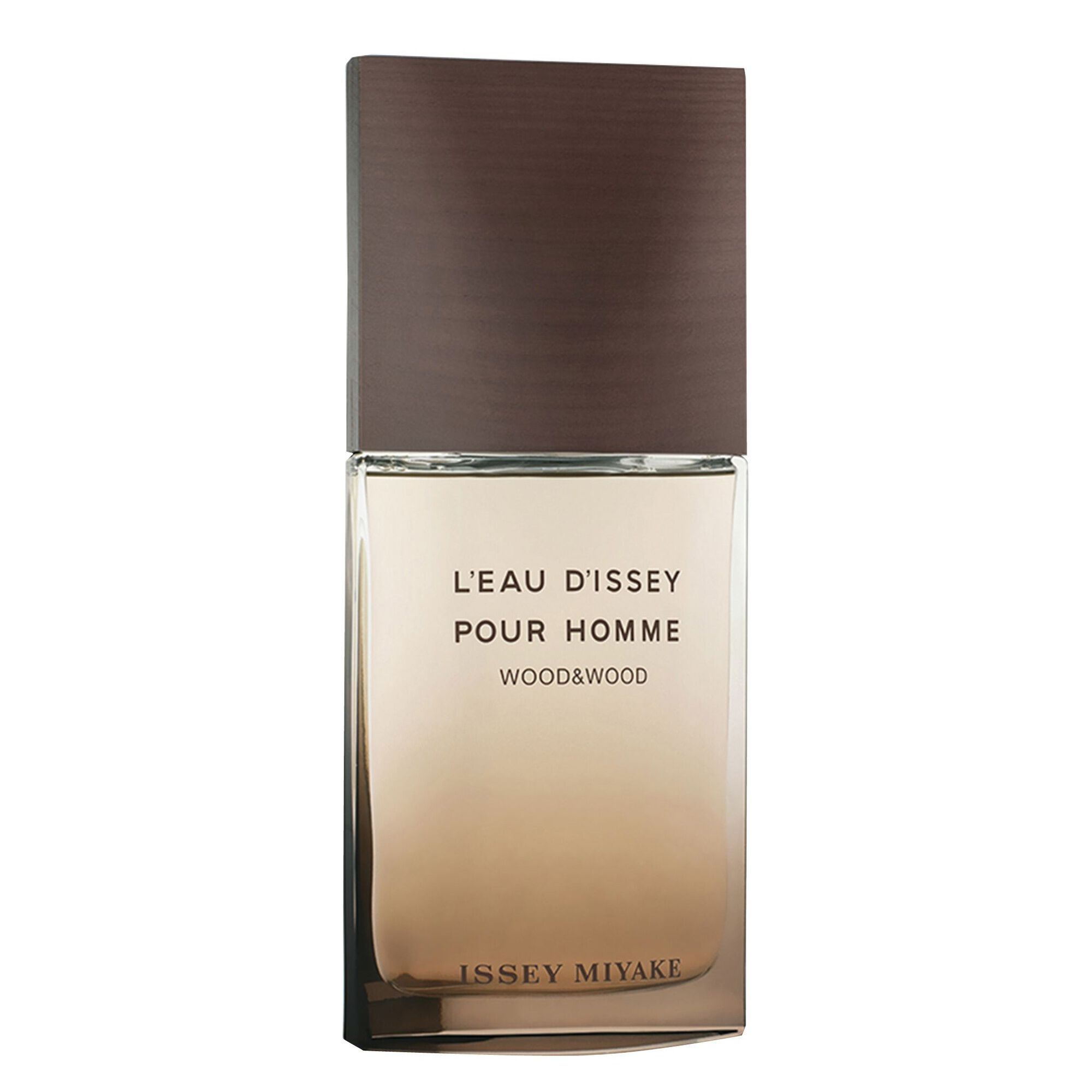
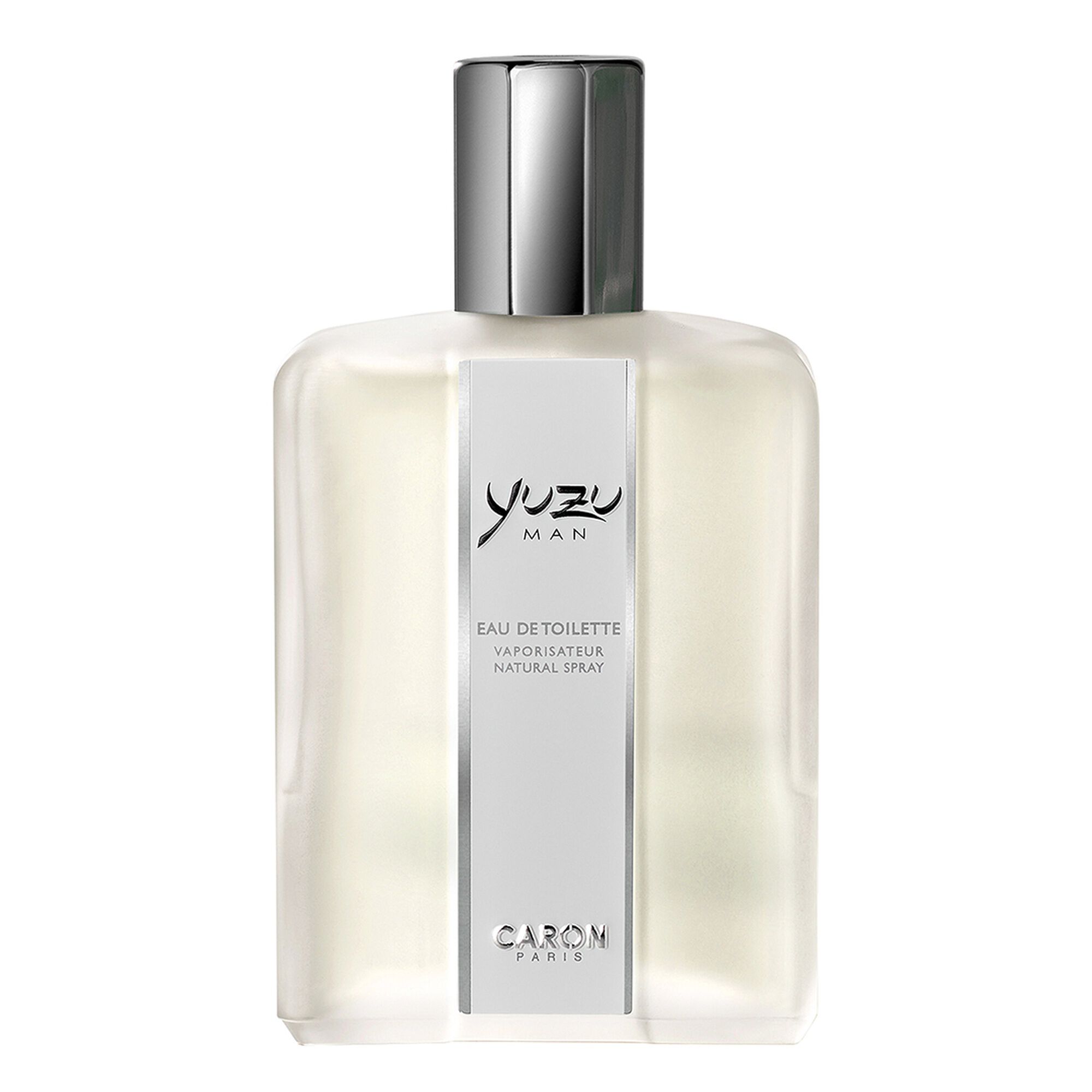
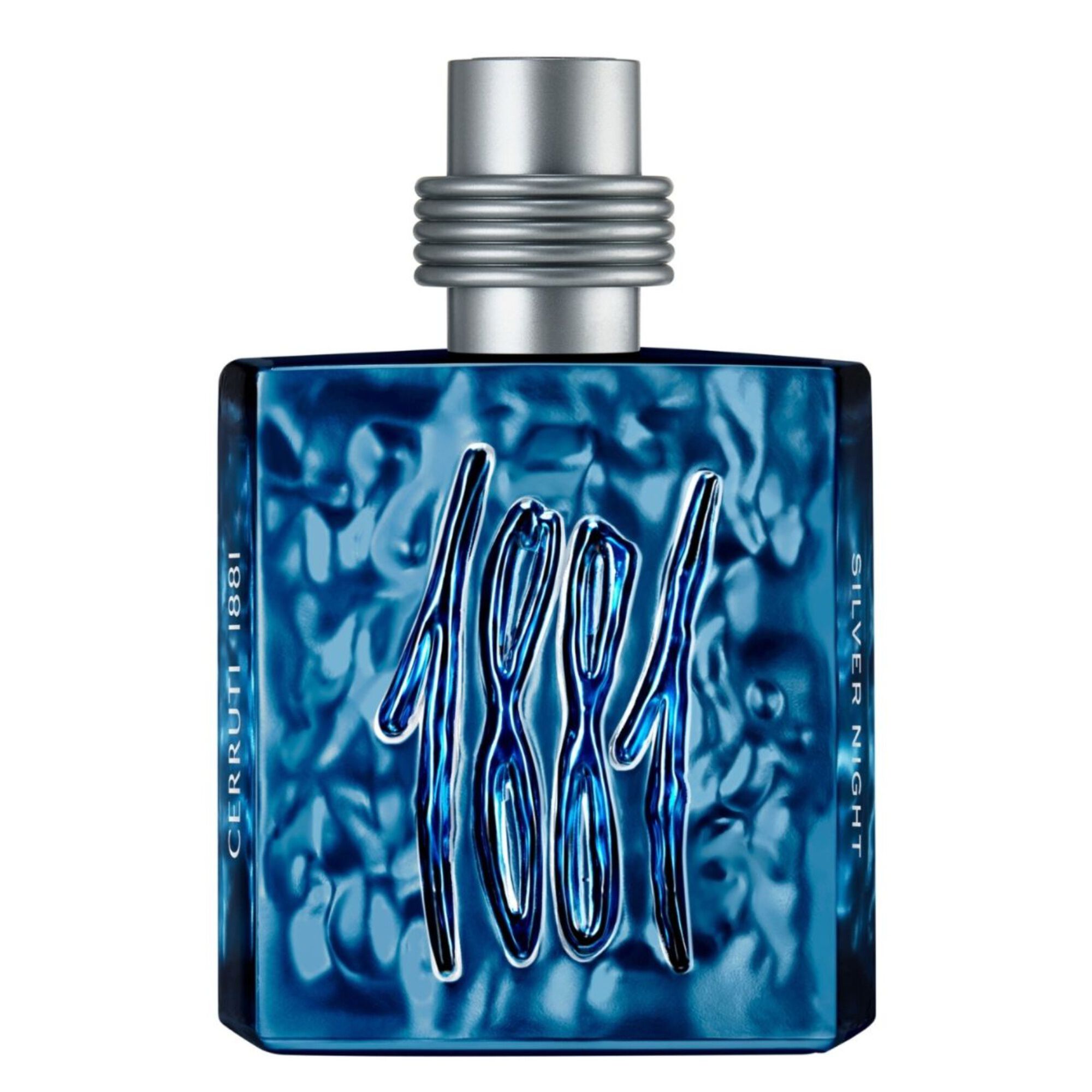
Our featured picks, reviewed
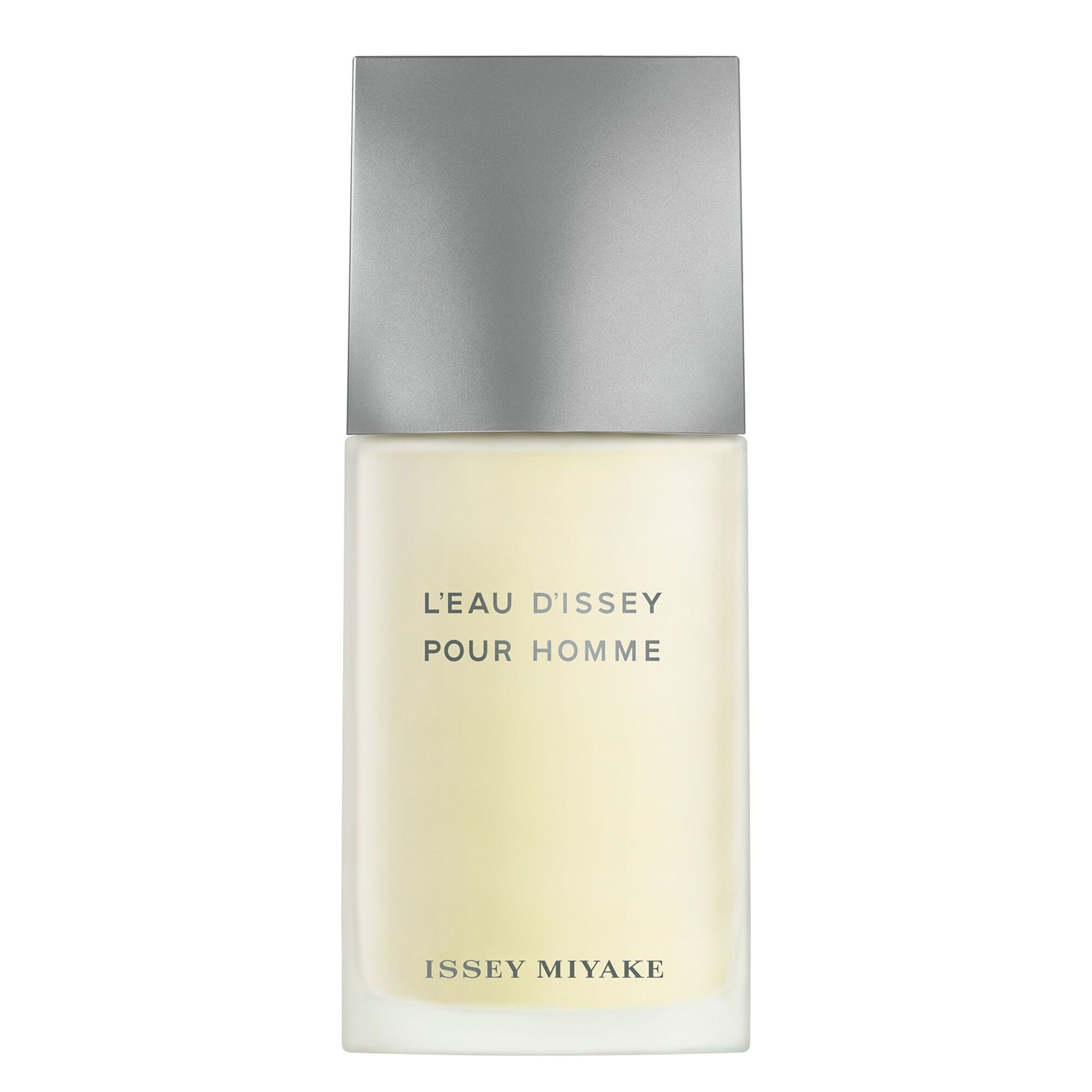
Issey Miyake L'Eau d'Issey pour Homme (EDT) — 39.00 EUR With 61 sales in twelve months, this is the most sought-after yuzu reference in our catalogue. The citrus note opens onto a woody-aquatic accord where cedar, sandalwood and tarragon ensure longevity. Reliable, subtle, everyday. Our customers also appreciate the value for money: "Very good products, and not too expensive compared to other sellers."
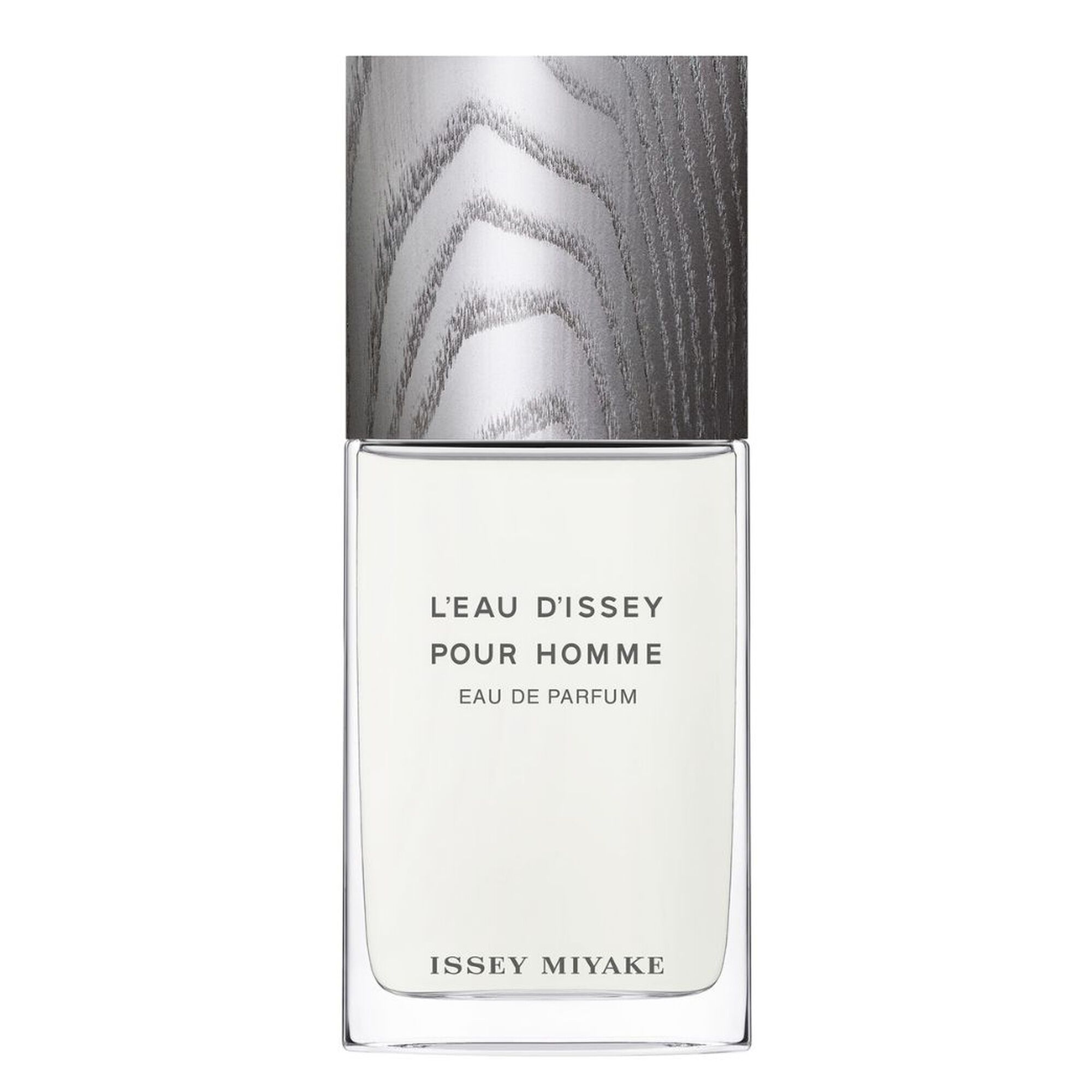
Issey Miyake L'Eau d'Issey pour Homme (EDP) — 44.00 EUR The Eau de Parfum version of the classic Issey, with 38 sales in twelve months despite no published reviews — a sign of an often-repeated purchase by loyal customers. The EDP concentration boosts the longevity of the woody and aromatic notes (nutmeg, saffron, cedar) while retaining the fresh opening that made this line's reputation.
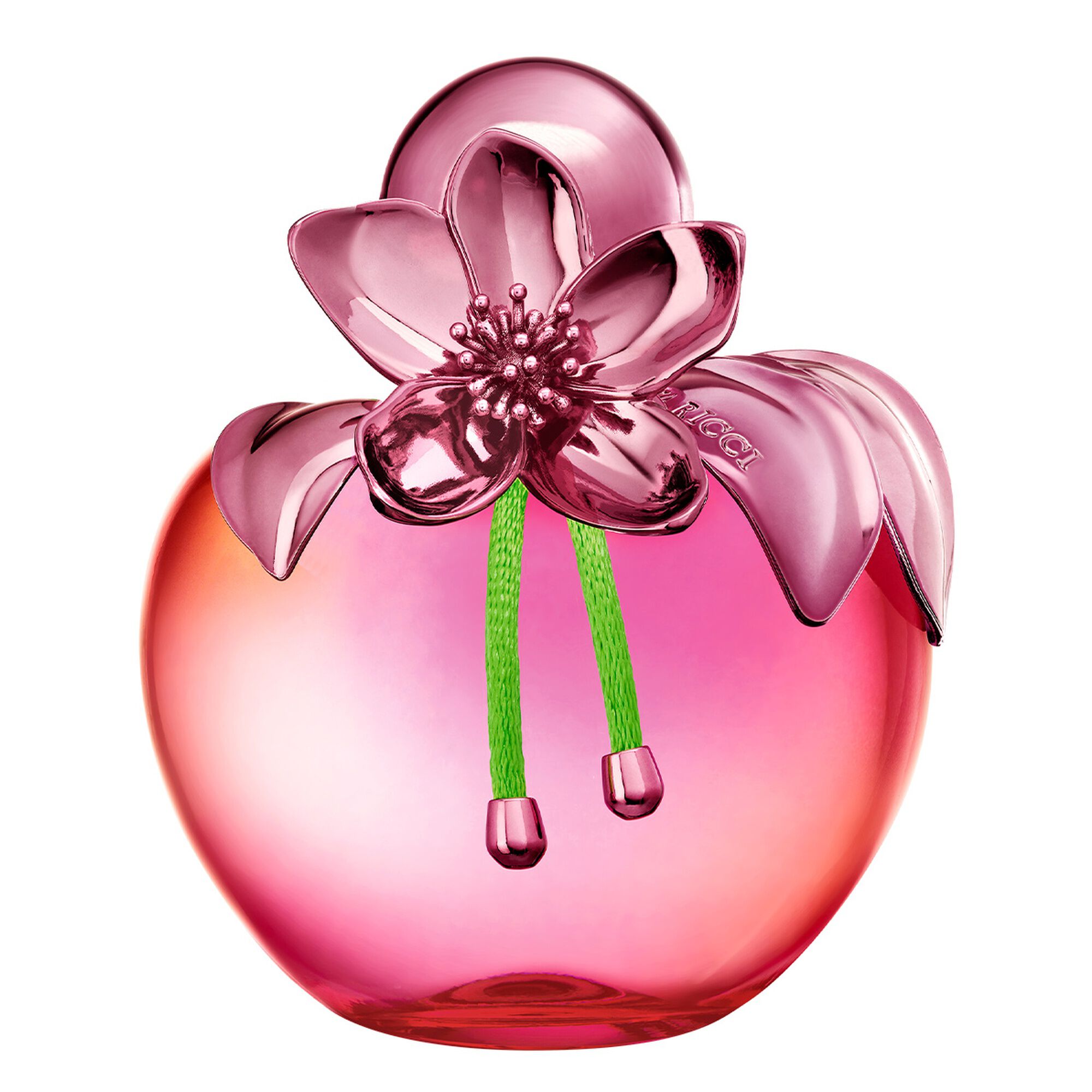
Nina Ricci Nina Illusion — 45.50 EUR Twenty sales in twelve months and a rating of 4.0/5 across two verified reviews. A floral-fruity composition where yuzu converses with raspberry, pink pepper and orange blossom before settling on a soft bourbon vanilla base. Accessible, spring-like, designed for women's use. One customer explicitly mentions it among the references worth watching for price: "a perfume I've already bought from you and that's worth grabbing".
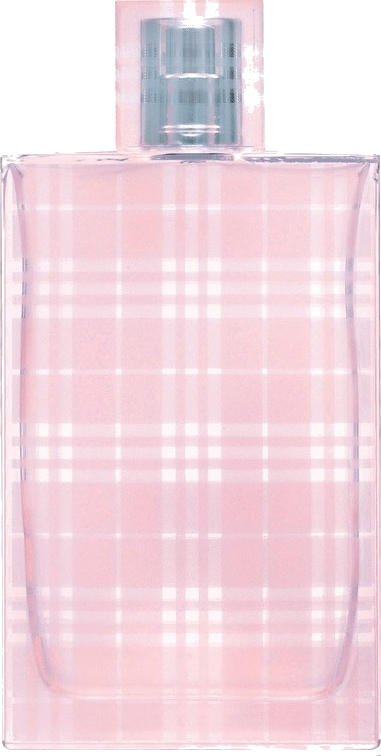
Burberry Brit Sheer EDT — 62.50 EUR A perfect rating of 5.0/5 across two verified reviews. A light floral-fruity fragrance combining yuzu, lychee, peach and white musk over a base of white woods. Airy and subtle, it suits mild temperatures and contexts where a suggested rather than assertive olfactory presence is preferred. "Fresh, subtle and youthful!" sums up our customers' general verdict.
Yuzu for women, for men: how to choose?
The yuzu note belongs neither exclusively to the women's world nor to the men's world. Its versatility is precisely what makes it an increasingly present ingredient in both registers, as well as in unisex compositions.
In women's perfumes, yuzu often accompanies floral or fruity heart notes: the citrus's acidity lightens compositions that might otherwise be too sweet, giving them a refreshing modernity. A yuzu-lychee-orange blossom accord, for example, creates a very accessible fruity-floral signature for spring and summer. These perfumes suit everyday contexts, from the office to a stroll, and remain subtle without going unnoticed.
In men's perfumes, yuzu readily fits into woody-aquatic or aromatic accords. The Japanese citrus tempers more intense materials (cedar, vetiver, nutmeg) and provides a vibrant opening that then evolves towards greater depth. This type of construction works well in any season, including autumn, when woody base notes take over.
To choose in practice, ask yourself two questions: are you looking for a freshness that lingers in the base note, or a fresh signature at the opening that gives way to something more enveloping? If you want freshness throughout the day, go for Eau de Parfum concentrations. If a zesty opening is enough and you're after lightness, an Eau de Toilette will suit you.
Testing tips: apply the perfume to the inside of your wrist, wait five minutes for the top note to evaporate, then judge the heart note. This is what will define your everyday relationship with the perfume, not the initial yuzu, however pleasant it may be.
The Tendance Parfums figures
What our own online perfumery data says about the yuzu note — figures you won't find anywhere else:
- 7 perfumes with the yuzu note available in our catalogue, from 39 EUR to 92 EUR (core range 44-62 EUR).
- The best-seller among our customers over the last 12 months: Issey Miyake L'Eau d'Issey pour Homme (61 sales).
- Average rating of our selection: 4.2/5 across 26 verified customer reviews.
- Prices and stock updated continuously; free delivery from 59 EUR of purchases.
Frequently asked questions
What is the yuzu note in a perfume? The yuzu note is a citrus accord inspired by a Japanese fruit with a more complex profile than lemon: it combines vibrant acidity, light bitterness and floral nuances. In perfumery, it is almost always used as a top note, where its volatility offers a fresh, distinctive opening before giving way to the heart notes.
Are there yuzu perfumes for women? Yes, the yuzu note works very well in women's fragrances, generally within floral-fruity accords. References such as Nina Ricci Nina Illusion or Burberry Brit Sheer combine yuzu, soft fruits and light flowers for accessible, spring-like compositions suited to everyday wear.
Does the yuzu note last long on the skin? No, as yuzu is a highly volatile top note, it generally evaporates within fifteen to thirty minutes. To extend the sensation of freshness, choose an Eau de Parfum concentration rather than an Eau de Toilette, or opt for a perfume where the heart notes carry the freshness forward.
What is the difference between the yuzu note and the lemon note in perfume? Lemon is bold and acidic, with little complexity. Yuzu is more nuanced: it adds a light grapefruit-like bitterness, floral touches and sometimes vegetal ones. This richness makes it more interesting in composition but also harder to identify for an untrained nose.
What season should you wear a yuzu perfume in? Yuzu is particularly well suited to spring and summer, thanks to its freshness and lightness. In woody-aromatic accords, it remains perfectly wearable in autumn. In winter, it is best placed as an opening note within a denser, more enveloping composition.