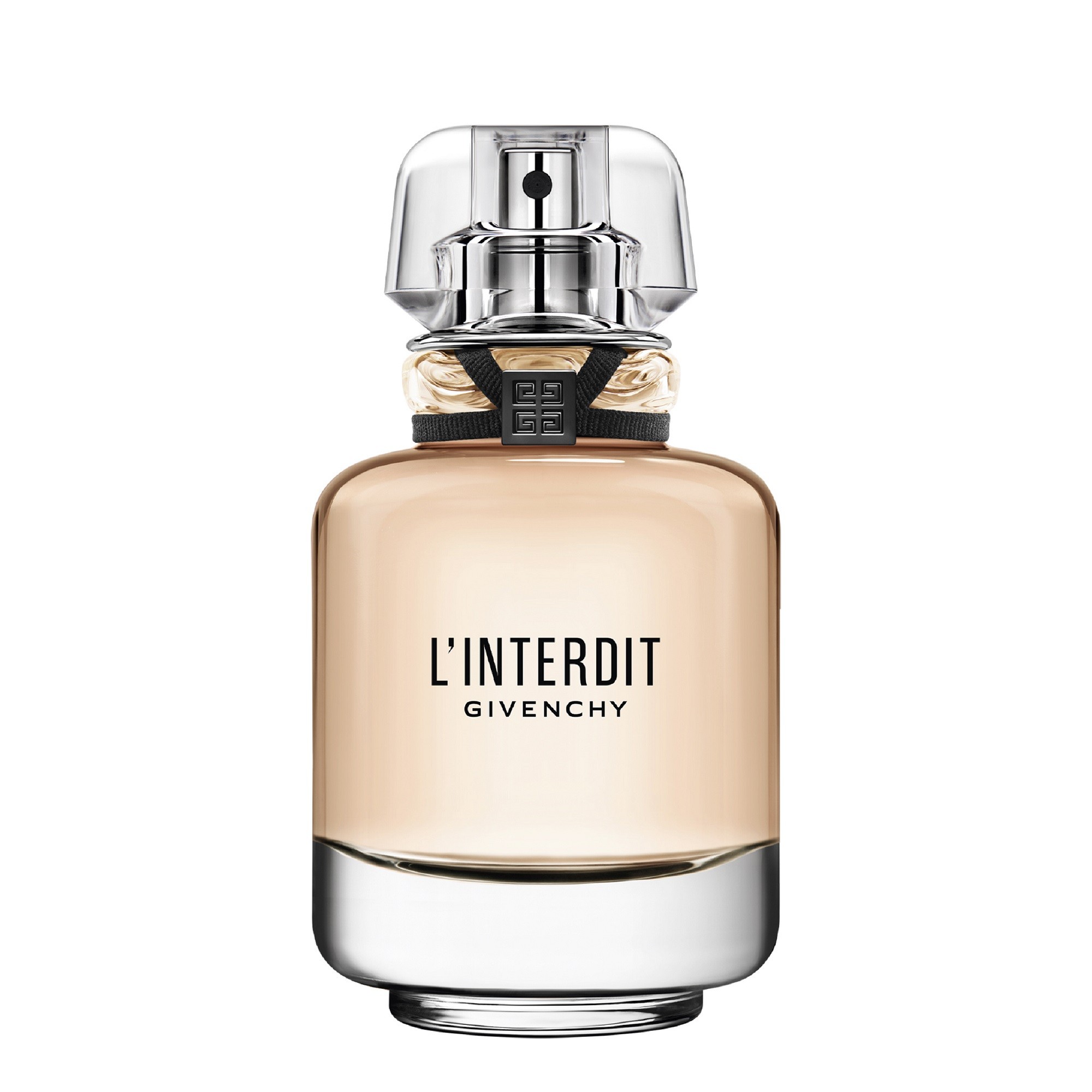
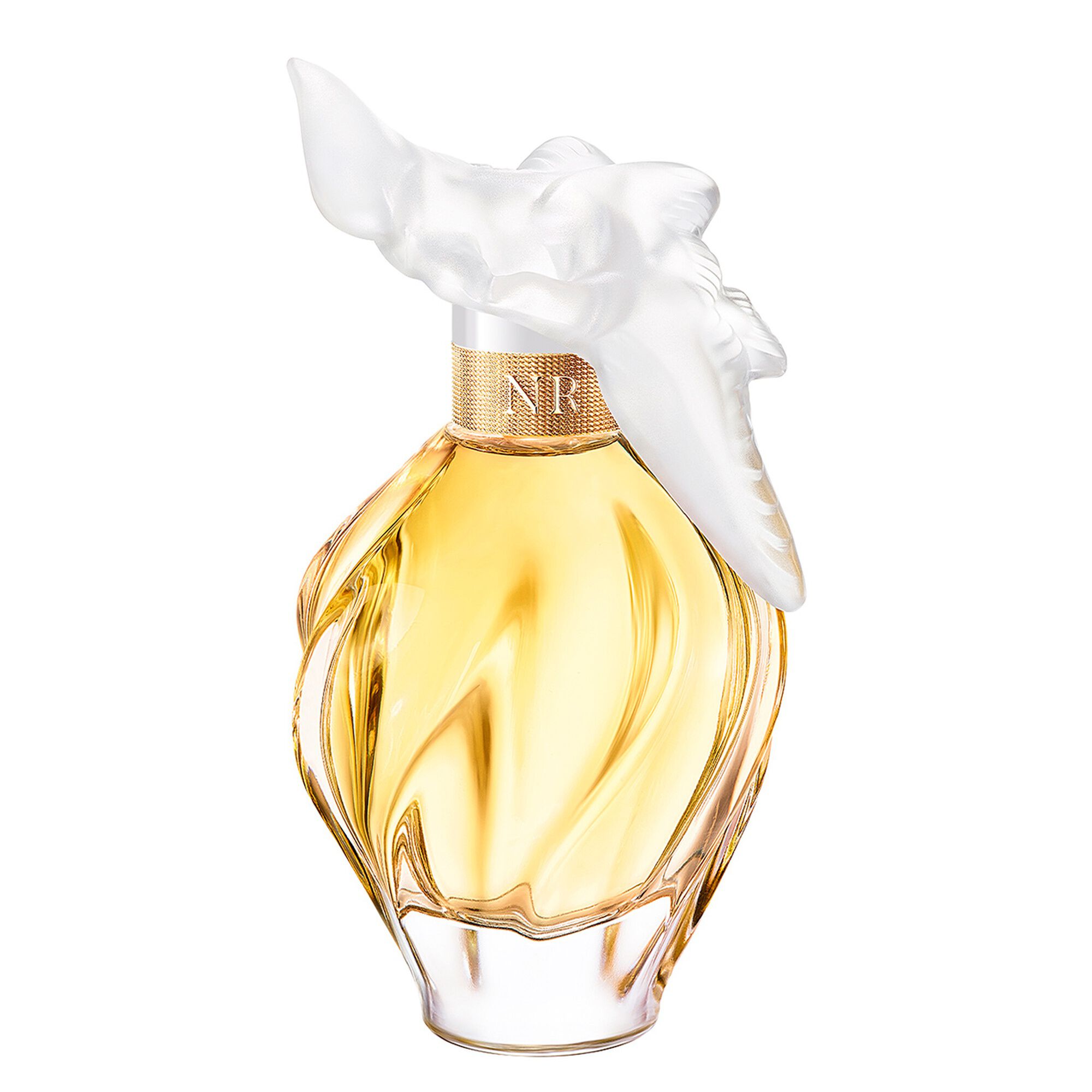
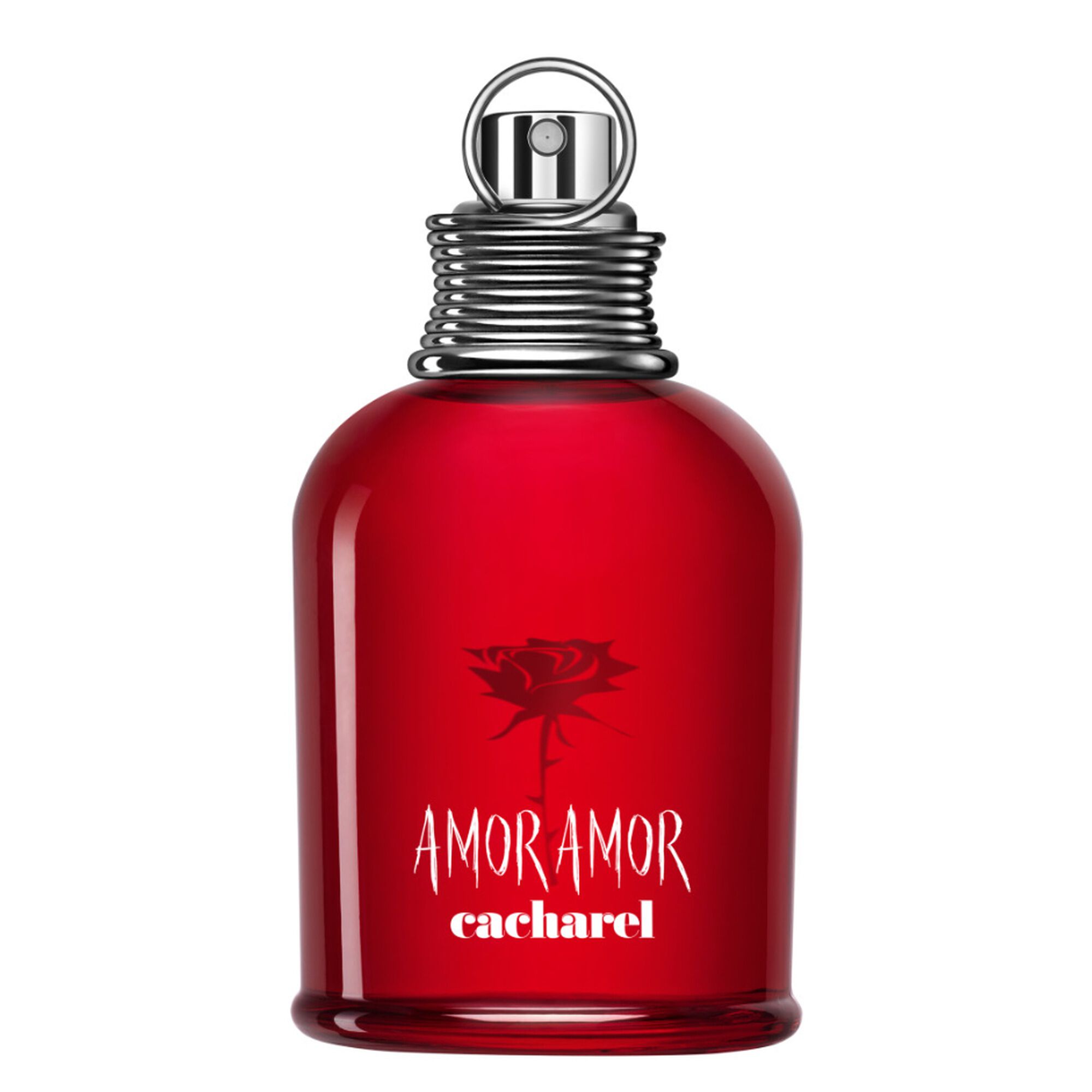
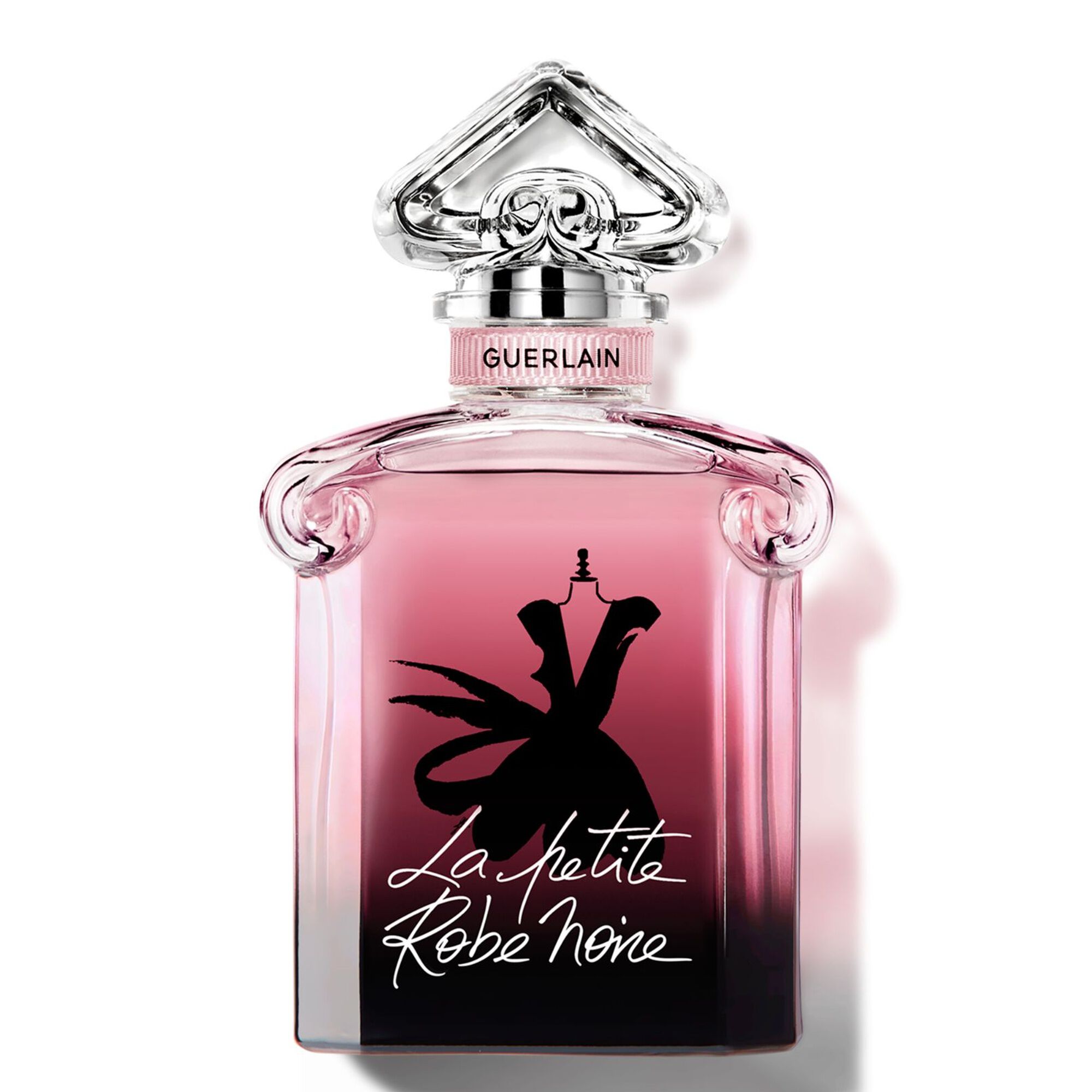
The female muses of perfumery: when a face becomes an olfactory myth
From Catherine Deneuve to Natalie Portman, discover the history of women who became the faces of fragrance and helped build the great olfactory myths.
A partnership as old as modern advertising
The idea that a parfum could have a face — and that this face could belong to a woman who is admired, desired or respected — dates back to the early decades of the twentieth century, when fashion houses began to understand that selling a fragrance meant, first and foremost, selling a dream. For a long time, bottles spoke for themselves, their name alone evoking both the creator and the essence of an idealised femininity. Then came the age of photography, cinema and the illustrated press, and with it, the need to give a human face to these abstract promises.
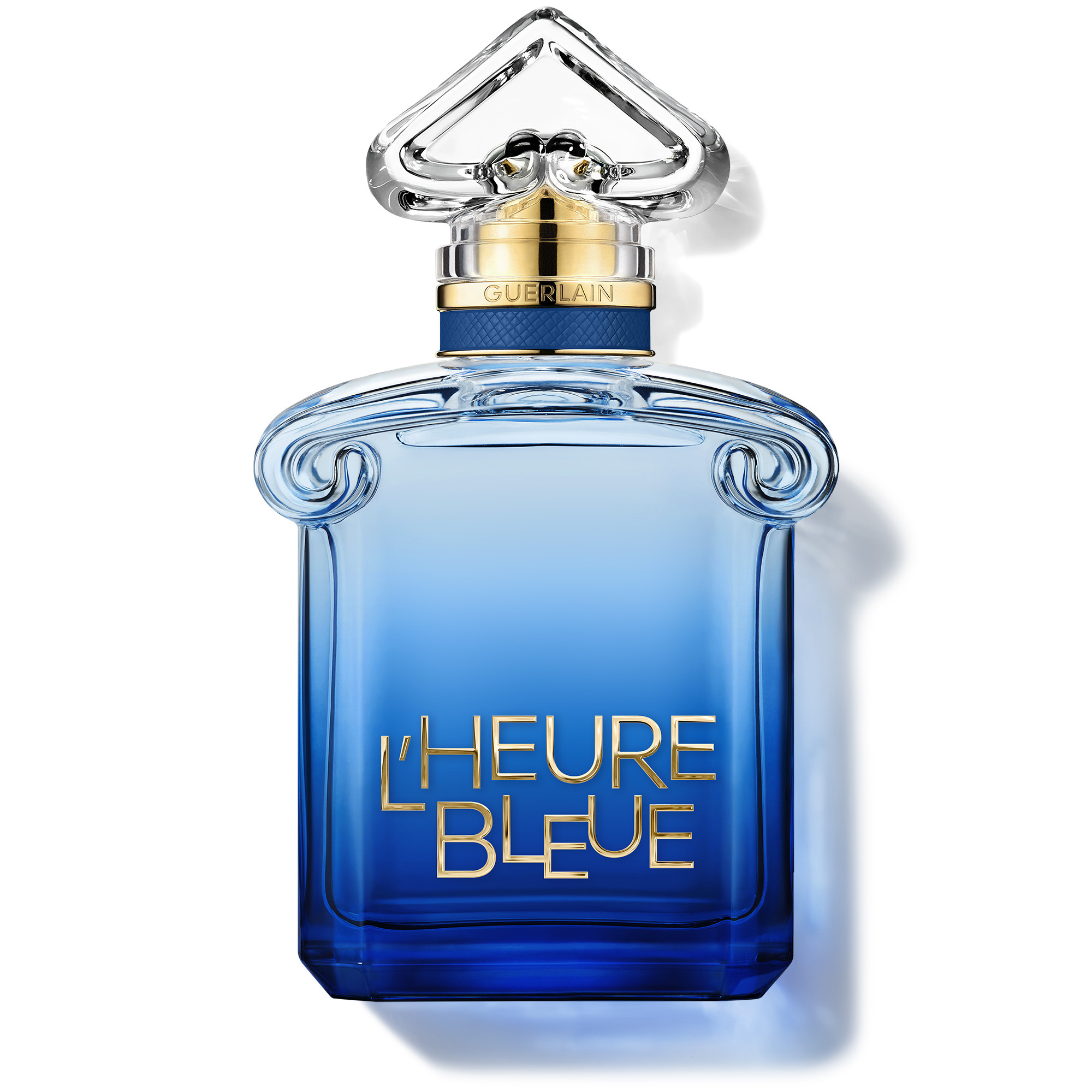
The earliest advertising campaigns for the great parfums of the century — from Chanel launched in 1921, to L'Heure Bleue by Guerlain created in 1912 — still relied on illustration, drawing and allegory. It was only in the 1950s and 1960s that the photographed face of a real woman, with her own story and aura, definitively took over from the allegorical figure.
Catherine Deneuve and Chanel: the archetype of the French muse
If one had to single out a defining moment in the history of female perfume muses, many historians of fashion and advertising would point to 1974: that year, Chanel chose Catherine Deneuve to embody the . The actress was then 31 years old, her career already marked by Buñuel's Belle de Jour and Demy's Les Parapluies de Cherbourg. She represented something quite rare in the advertising of the time — a cool, intellectual, slightly unattainable beauty, which contrasted with the warmer ideals that dominated at the time.
This choice was no accident. , Rossellini and Lancôme, Theron and Dior — succeeded because they established an authentic resonance between the character of the chosen woman and the olfactory signature of the parfum she represented. The slightly melancholic floral freshness of Trésor found a natural echo in Isabella Rossellini's reserve. The carnal power of , that bouquet of overheated white flowers, has for twenty years been in dialogue with Charlize Theron's physical presence and self-assurance.
Perhaps this is the most fascinating paradox in the relationship between muse and parfum: although the fragrance itself is invisible, expressed through molecules that cannot be photographed, it nevertheless needs a face to exist in the public imagination. And that face, in turn, borrows something of the parfum's mystery, its longevity, its power of evocation. Each shapes the other, in a relationship that sometimes lasts a single season and sometimes an entire generation.