
Green tea perfume: buying guide and best fragrances 2026
The green tea note is one of the freshest and most precise facets of contemporary perfumery: it evokes the tea leaf, slightly herbaceous, aqueous and vegetal, halfway between nature and serenity. It suits both women and men, in every season, and features in Citrus, floral or woody compositions. This guide will help you understand this note and choose the perfume that suits you from our selection.
The green tea note in perfumery: what is it?
In perfumery, the green tea note refers to a fresh, vegetal and slightly astringent olfactory facet, evoking unfermented tea leaves picked before roasting.
Origin and character
Unlike certain natural raw materials that are directly distilled, the green tea note in perfumery is most often recreated using synthetic molecules or blends of natural ingredients (green leaves, plant extracts) that capture its herbaceous, aqueous and slightly tannic character. This approach delivers a consistent, crisp and immediately recognisable facet, one that is difficult to isolate on a large scale through classic extraction processes.
Its olfactory facets
The green tea note comes in several registers depending on the formulation:
- Aqueous and clean: it evokes a damp freshness, close to steam rising off crushed leaves.
- Herbaceous and vegetal: slightly bitter, it recalls chlorophyll and spring gardens.
- Slightly floral: in certain compositions, it borders on tea flower or green jasmine.
- Mineral and precise: paired with lemony or aqueous notes, it takes on an almost crystalline dimension.
Its place in the fragrance pyramid
Green tea most often sits as a heart note, where it structures and refreshes the composition. It can also appear as a top note when paired with citrus or aromatic notes, lending a vibrant, vegetal opening. As a base note it is rare, since its lightness tends to fade in favour of more tenacious materials.
Its natural pairings
Green tea pairs particularly well with citrus fruits (lemon, bergamot, mandarin), light floral notes (muguet, peony, wisteria), aromatic facets (mint, basil, clover) and soft woods (cedar, sandalwood). It also blends beautifully with clean musks, extending its fresh signature without weighing it down.
What are the best green tea perfumes?
Our selection of green tea perfumes brings together references from 32 to 70 EUR, chosen for their olfactory quality and their accessibility. It is based on verified reviews left by our customers after purchase and on actual sales recorded over the past 12 months in our store. Below you will find unisex, women's and men's fragrances, suited to every season and every budget.


Our favourites, reviewed
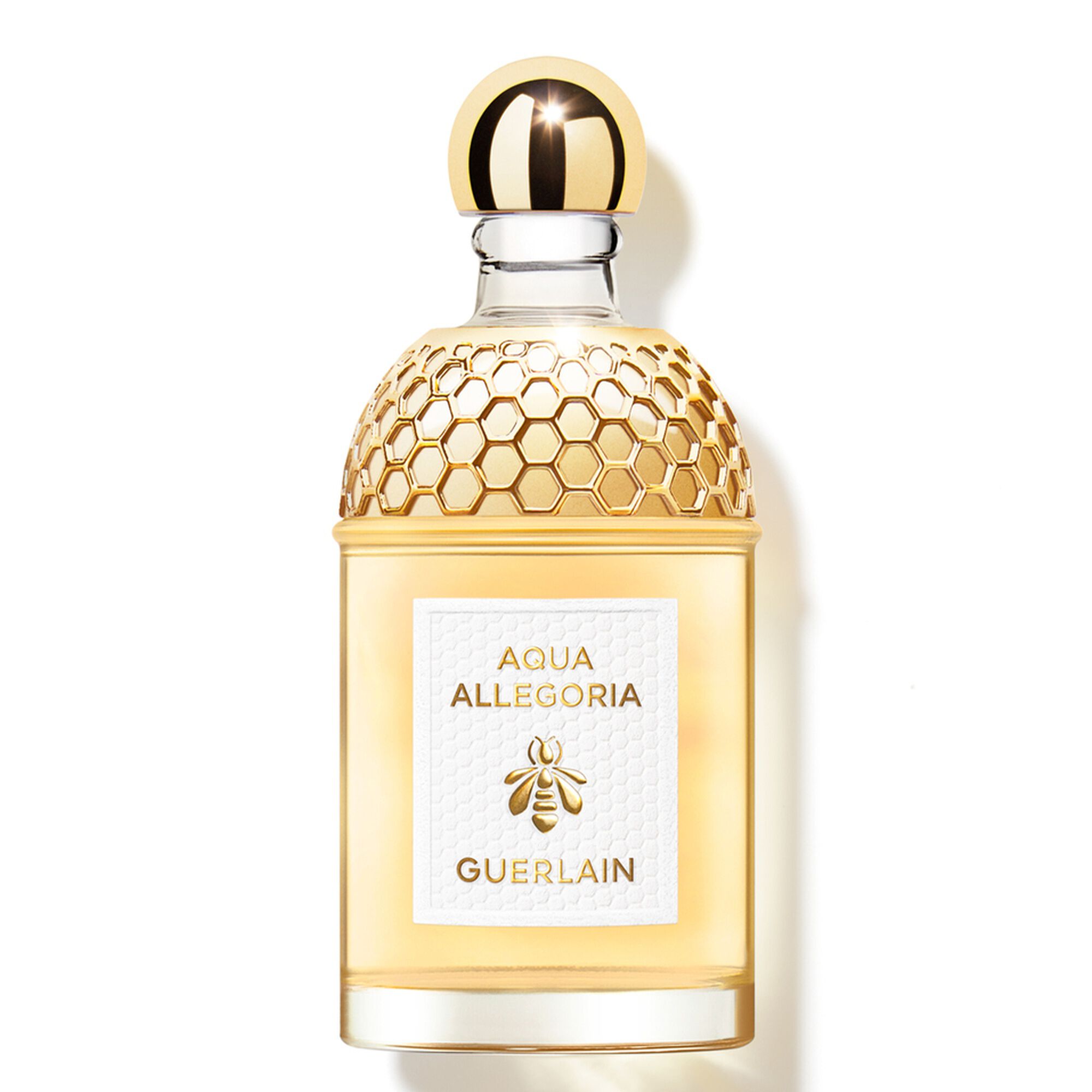
Guerlain Aqua Allegoria Mandarine Basilic — With a rating of 4.92/5 across 72 verified reviews, this Citrus Aromatic fragrance is our most popular reference. Mandarin and basil open onto a vibrant, aromatic freshness, while chamomile and peony bring roundness. One customer describes it as "invigorating" — and the word fits. Versatile, unisex, ideal for the warmer months.
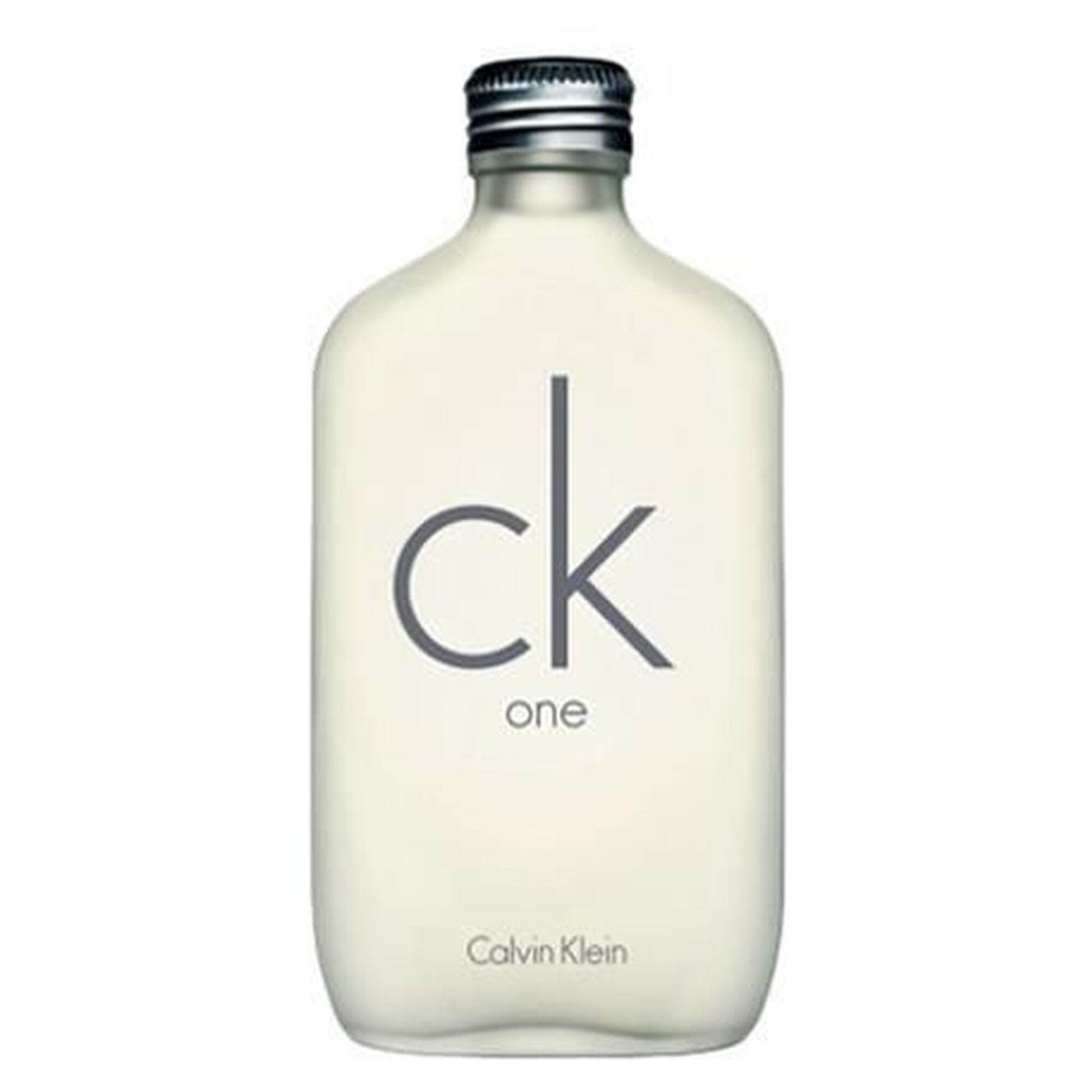
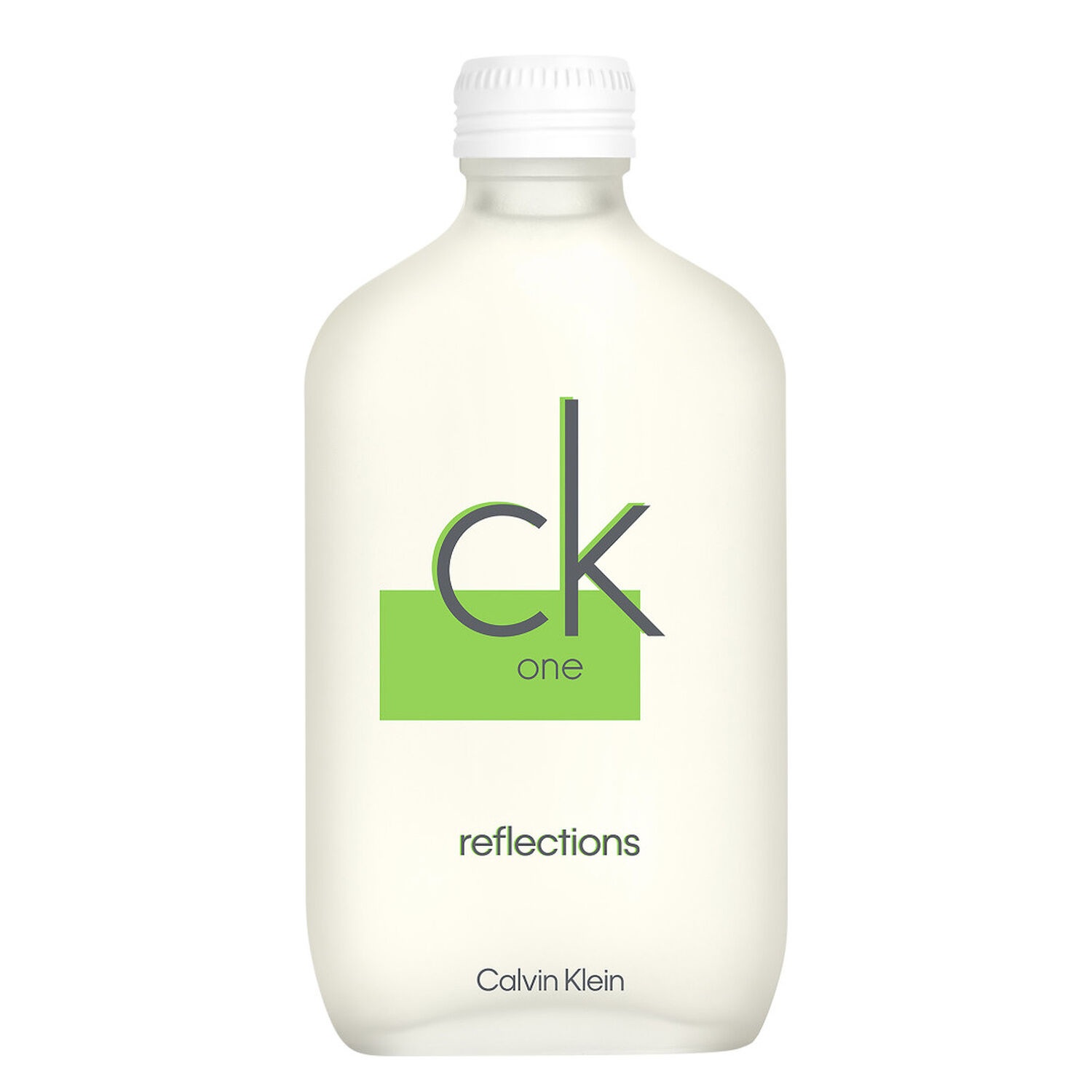
Calvin Klein CK One — 76 verified reviews at 4.34/5: CK One remains a safe bet for anyone seeking a fresh, easy-to-share fragrance that never disappoints. Its Citrus accord — bergamot, muguet, iris — is clean and direct. A unisex classic, accessible at 40 EUR, often chosen as a gift. One customer simply notes: "I find this perfume smells good" (sic), which sums up its everyday appeal.
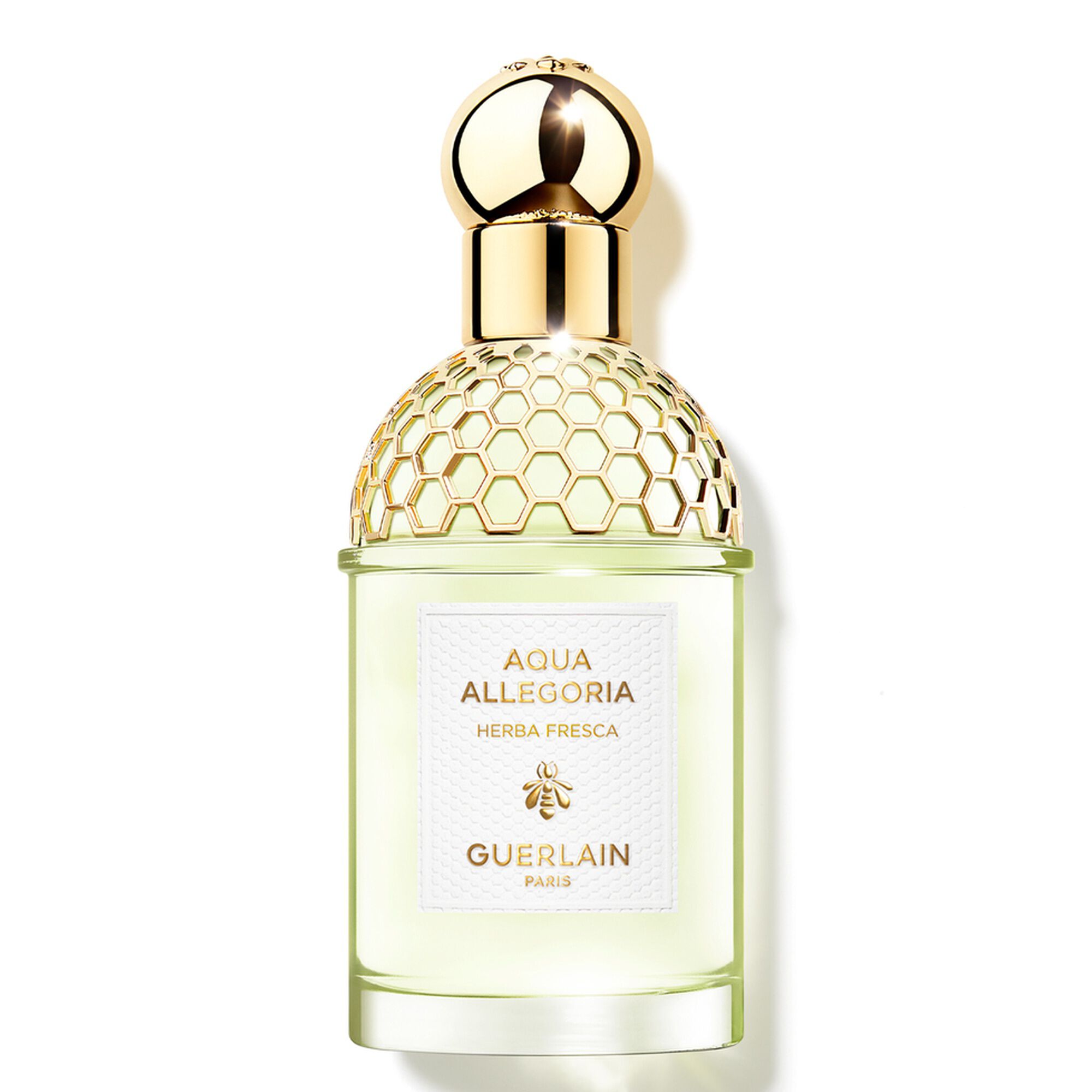
Guerlain Aqua Allegoria Herba Fresca — 4.8/5 across 40 reviews: this green aromatic fragrance combines mint, clover and muguet in a composition of very precise vegetal freshness. True to itself, it has long been favoured by its users — "Used for several years. Fresh and pleasant to wear" (sic) — which speaks to genuine olfactory loyalty. Ideal for spring and summer.
Lanvin Éclat d'Arpège — The most compelling value for money in our selection: 32.50 EUR, 4.94/5 across 18 reviews. Its green floral accord — wisteria, green lilac, osmanthus — is both feminine and luminous, without heaviness. Customers praise its "very fair value for money" and its endearing character. An accessible entry point into the world of vegetal floral perfumes.
Green tea for women, for men: how to choose?
The green tea note is inherently unisex: neither overly sweet nor overly woody, it crosses gender lines with an ease rarely found in perfumery. Here is how it expresses itself according to wearer and occasion.
For women
In women's perfumes, green tea is frequently paired with soft floral notes (peony, lilac, osmanthus) or with luminous citrus fruits to create a delicately fresh effect. The result is an airy, clean, vegetal sillage, far removed from heavy florals or sweet orientals. These compositions are particularly suited to spring and summer, worn during the day at work, at lunches or on weekends.
For men
Men's interpretations of green tea lean more heavily on aromatic facets (mint, basil, geranium) or on woody and spicy accords (cedar, ginger, tobacco). Freshness remains at the forefront, but it is structured by a slight bitterness or a dry note that gives it character. These fragrances are ideal for hot days, for daily wear or casual outings.
Unisex fragrances: the best of both
Many green tea perfumes are designed without a particular gender in mind. They play on the balance between vegetal freshness and clean musks, and can be worn by anyone according to personal taste. This category is home to many accessible classics.
Practical advice
- Season: autumn and winter also work well, provided you choose a green tea paired with woody or spicy notes for extra warmth.
- Testing: apply to the wrist and wait 5 to 10 minutes before judging: the vegetal facet settles in once the lemony top notes have evaporated.
- Application: green tea fragrances often have light projection; don't hesitate to apply to your pulse points (neck, inner elbow).
The Tendance Parfums figures
What our own online perfumery data tells us about the green tea note — figures you won't find anywhere else:
- Perfumes featuring the green tea note available in our catalogue, from 32 EUR to 70 EUR (core range 40-70 EUR).
- The best-seller among our customers over the past 12 months: Guerlain Aqua Allegoria Mandarine Basilic.
- Average rating of our selection: 4.7/5 across 211 verified customer reviews.
- Prices and stock updated continuously; free delivery from 59 EUR of purchases.
Frequently asked questions
What is the green tea note in a perfume? The green tea note refers to a fresh, vegetal and slightly astringent olfactory facet, evoking unfermented tea leaves. It is most often recreated using molecules or plant extracts. In perfumery, it brings lightness and precision, often positioned as a heart note or top note.
Are there green tea perfumes for women? Yes. In women's formulations, the green tea note is often paired with light florals such as peony, lilac or osmanthus for an airy, vegetal result. Lanvin Éclat d'Arpège (32.50 EUR) and Guerlain Aqua Allegoria Mandarine Basilic (70.50 EUR) are two well-rated examples from our catalogue.
Are there green tea perfumes for men? Yes. Men's interpretations of green tea favour aromatic pairings (mint, basil, geranium) or woody and spicy ones (cedar, ginger). Guerlain Aqua Allegoria Herba Fresca (70.50 EUR) and Calvin Klein CK One (40 EUR) are two unisex references with a fresh dominant note, particularly well suited to men.
In which season should you wear a green tea perfume? Green tea is best worn in spring and summer, as its vegetal freshness is ideal in warm weather. In autumn or winter, opt for a version paired with woody or spicy notes (cedar, ginger, tobacco) for greater longevity and warmth. Purely aqueous or citrus-based fragrances may feel too light in cold weather.
What is the difference between the green tea note and the white tea note in perfumery? The green tea note is more vegetal, precise and slightly bitter, evoking the fresh leaf. The white tea note is softer, powdery and delicate, almost transparent. In practice, green tea pairs well with citrus fruits and aromatics, while white tea leans more towards clean musks and light florals.