
Flint perfume: buying guide and best fragrances 2026
The flint note refers to a mineral, dry and slightly smoky olfactory facet, evoking cut stone or sun-warmed rock. Abstract by nature, it is not extracted from a mineral but recreated using synthetic molecules. It appeals to both women and men in search of a grounded, earthy fragrance, far removed from conventional sweet or floral compositions. This guide will help you understand this note and find the fragrance that suits you.
The flint note in perfumery: what is it?
The flint note is a mineral olfactory facet built exclusively from synthetic molecules, since the stone itself contains no volatile substance that can be extracted.
Flint — this sedimentary siliceous rock — has inspired perfumers for several decades, more for what it evokes than for what it releases chemically. When you strike two pieces of flint together, you perceive a fleeting, dry, slightly sulphurous and dusty scent. This is the sensation that creators seek to capture and extend within a composition.
On an olfactory level, the flint note is characterised by:
- A mineral dryness close to chalk or dried clay-like earth;
- A subtle smoky dimension, sometimes almost electric or powdery;
- A total absence of sweetness or softness, which gives it an austere, direct character;
- Nuances of warm stone, evoking the outdoors, stony scrubland, mineral ground in summer.
Its position in the fragrance pyramid varies according to the formulation. It most often appears as a heart note or base note, where it structures and mineralises a composition without dominating it. As a base note, it can extend the dryness of a wood over the long term or accentuate the earthy aspect of a vetiver.
It pairs naturally with:
- Woody notes (cedar, vetiver, sandalwood), whose raw character it enhances;
- Spicy notes (pepper, incense), with which it shares a certain aridity;
- Aromatic notes (lavender, rosemary), which temper its mineral rigidity;
- Citrus notes such as orange, which bring light and contrast without erasing it.
In a more contemporary register, flint is associated with what is known as mineral perfumery or raw nature, a trend that has grown markedly since the mid-2010s and continues to appeal to lovers of unconventional fragrances.
What are the best fragrances with a flint note?
Our selection of fragrances with a flint note brings together references available at Tendance Parfums, in a price range from 53.50 EUR to 102.50 EUR. Each fragrance was chosen on the basis of verified reviews left by our customers after purchase, and actual sales recorded in our shop over the past twelve months. Below you'll find the corresponding products, ordered by editorial relevance.
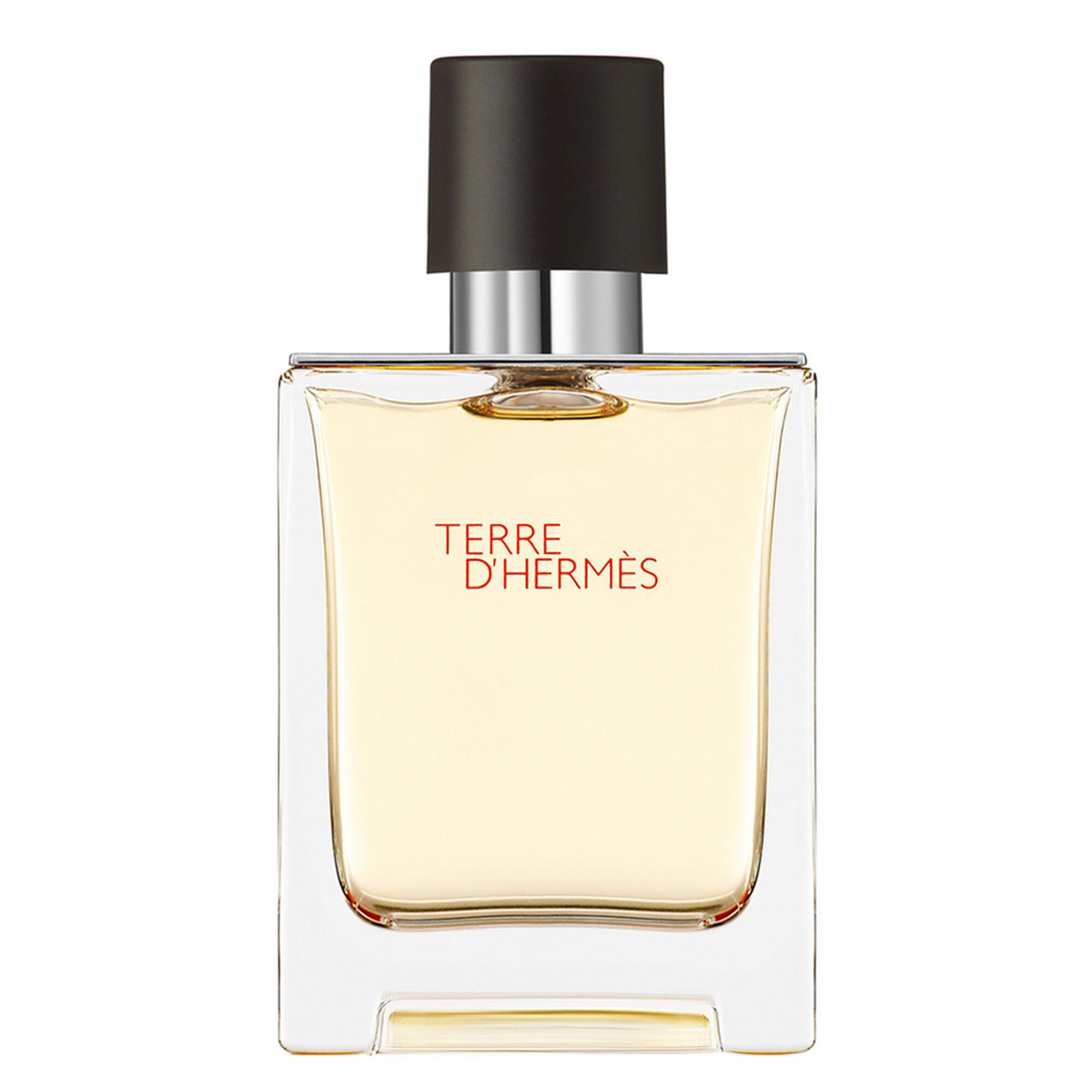
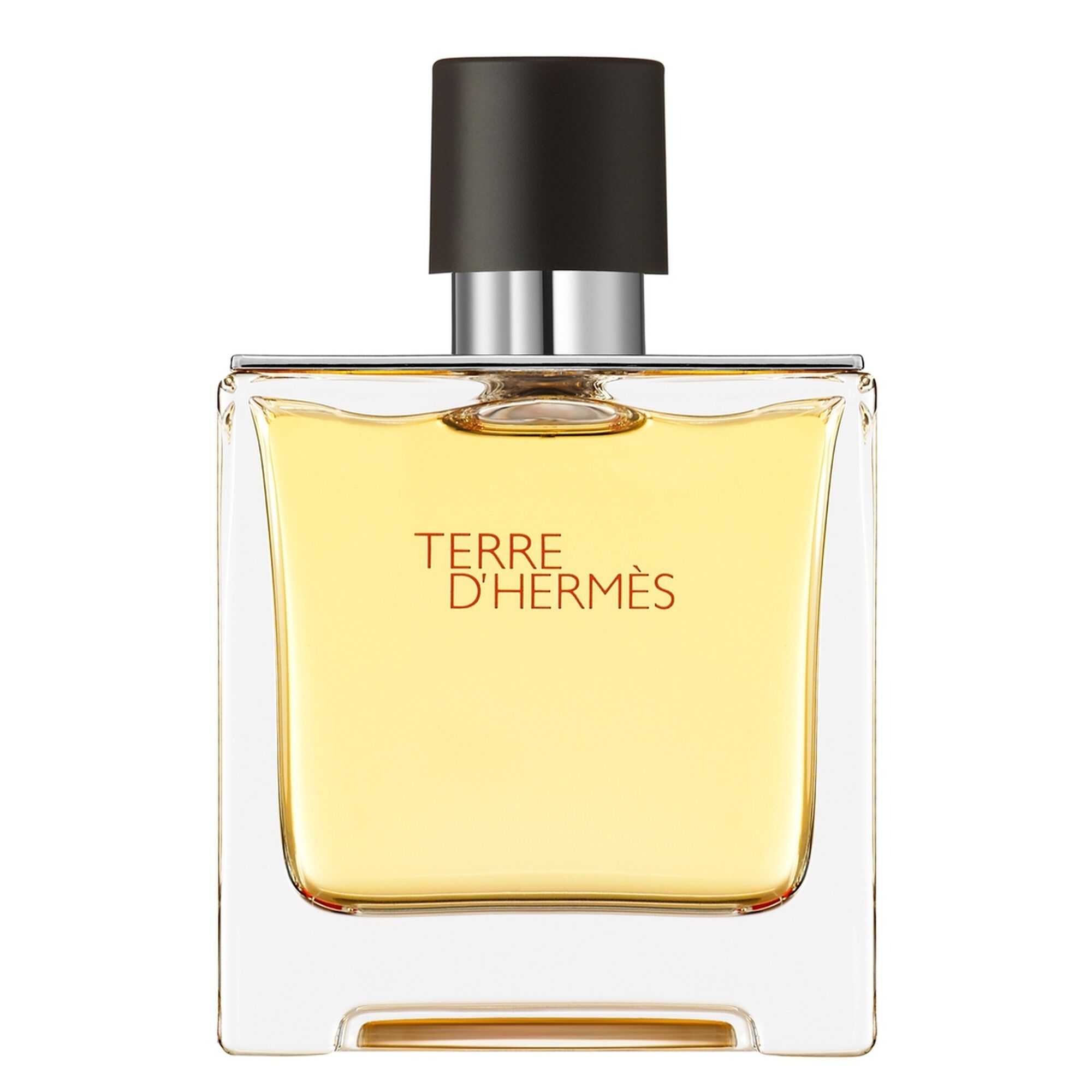
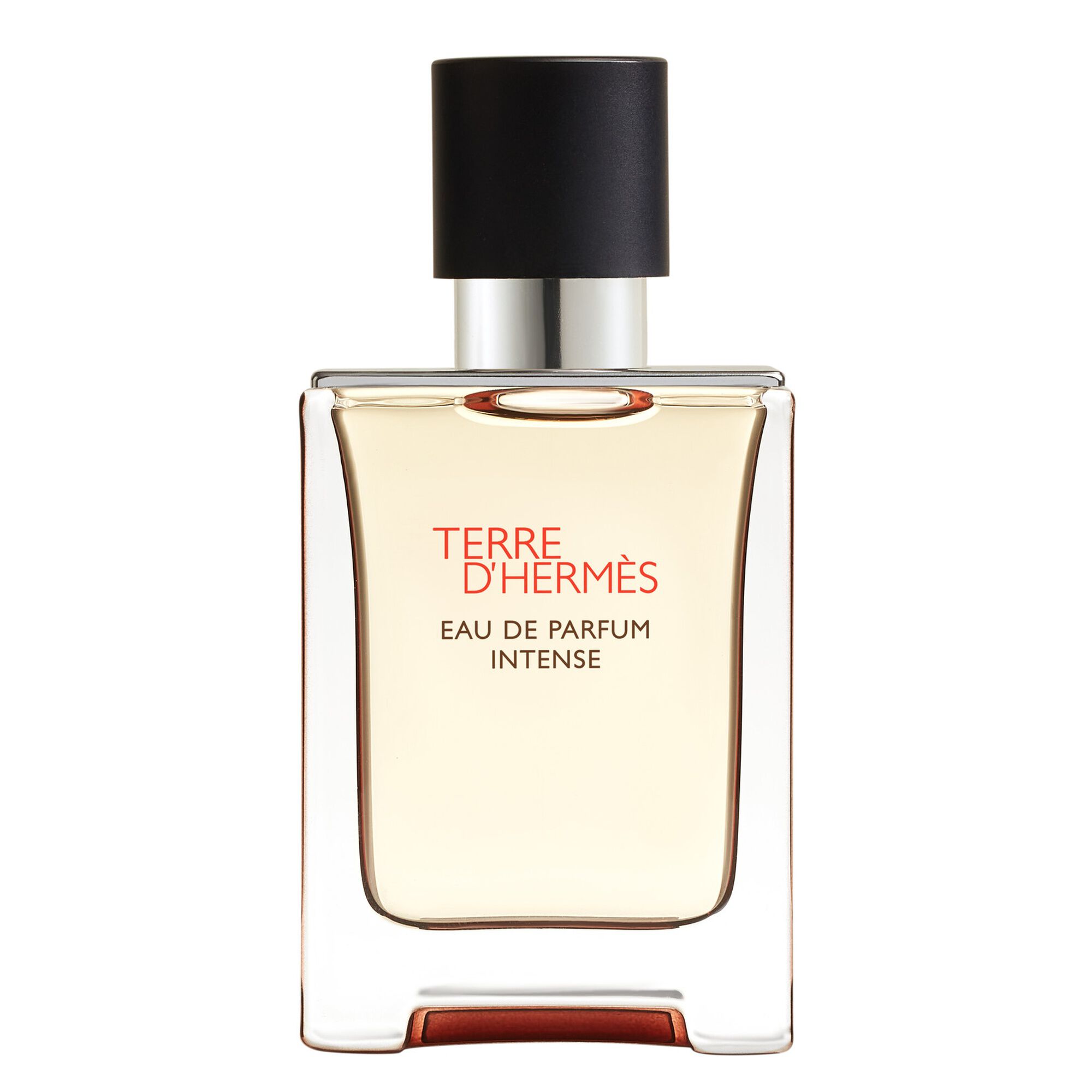
Our commented favourites
Hermès Terre d'Hermès Eau de Toilette — With a rating of 4.86/5 across 207 verified reviews, this is the essential reference for the flint note in our catalogue. Vibrant orange in the top notes gives way to a woody heart where flint brings a characteristic mineral dryness, carried by cedar and vetiver. A customer loyal for "over 25 years" sums up its staying power in men's wardrobes better than anyone else could.
Hermès Terre d'Hermès Parfum — The concentrated parfum format, at 102.50 EUR, offers a denser and more long-lasting version of the same olfactory signature. Here, the flint note gains in earthy depth, supported by benzoin and patchouli. 87 verified reviews confirm its status as the premium choice for anyone wanting a fuller sillage and enhanced longevity. "Meets my expectations, I recommend it" illustrates the consistent quality perceived by customers.
Hermès Terre d'Hermès Eau de Parfum Intense — A darker, less expected variation, the Eau de Parfum Intense intrigues with its "scorched earth" facet, as one customer describes it. Here, the flint note is more assertive and less tempered by citrus, making it a deliberate choice for lovers of pronounced mineral fragrances. A loyal and convinced customer base is ready to explore a more radical interpretation of this signature.
Flint for women, for men: how to choose?
The flint note is not inherently gendered: its cold, dry minerality can express itself differently depending on the olfactory context in which it appears.
For masculine use or unisex fragrances with a masculine dominant note, flint works particularly well when paired with deep woody notes (cedar, vetiver), dry spices or vibrant citrus. It then reinforces the earthy, mineral and robust aspect of a fragrance without weighing it down. It is often in compositions oriented towards raw nature or spicy woody accords that the flint note expresses itself with the most coherence. It suits autumn and winter, but also summer days when warmth awakens its dry stone nuances. Ideal occasions: smart everyday wear, weekends outdoors, a professional meeting.
For feminine use, the flint note can seem austere if not tempered. Paired with dry florals (iris, powdery rose) or warm woods (benzoin, light patchouli), it takes on a more sophisticated and distinctive character. It's an assertive choice, for a woman who wants a singular fragrance, far removed from conventional fruity florals. Autumn and dry spring suit it well.
Practical tips for testing:
- Apply to the skin and wait at least fifteen minutes before judging: the flint note, often a heart or base note, doesn't reveal itself immediately;
- Compare the three concentrations available (eau de toilette, eau de parfum, parfum), as the concentration significantly alters the perception of the mineral facet;
- Test on wrist and forearm to observe the development over at least an hour.
Tendance Parfums figures
What our own online perfumery data says about the flint note — figures you won't find anywhere else:
- Fragrances with a flint note available in our catalogue, from 54 EUR to 102 EUR (core range 54-102 EUR).
- The best-seller among our customers over the past 12 months: HERMÈS Terre d'Hermès.
- Average rating of our selection: 4.8/5 across 301 verified customer reviews.
- Prices and stock updated continuously; free delivery from 59 EUR of purchases.
Frequently asked questions
Does the flint note suit women? Yes, the flint note suits women looking for a mineral, distinctive fragrance, far removed from sweet florals. It expresses itself with more softness when paired with notes of benzoin, iris or patchouli. The fragrances with a flint note available at Tendance Parfums can be worn by women who appreciate spicy woody compositions.
What is the difference between the Eau de Toilette, Eau de Parfum and Parfum Terre d'Hermès? The concentration of olfactory materials increases from lightest to most intense: Eau de Toilette (53.50 EUR), Eau de Parfum Intense (73.00 EUR) and Parfum (102.50 EUR). The higher the concentration, the more assertive the flint note — earthy and mineral — and the longer the longevity on the skin. The EDT suits everyday use; the Parfum suits an occasion where you want a long-lasting sillage.
In which season should you wear a fragrance with a flint note? A fragrance with a flint note is worn mainly in autumn and winter, when its mineral dryness suits cooler temperatures. It remains relevant in spring and on dry summer days, when warmth amplifies its warm stone nuances. It is less suited to very humid conditions, which can dull its cold, powdery signature.
How long does a fragrance with a flint note last on the skin? Longevity depends above all on concentration: the Eau de Toilette Terre d'Hermès generally lasts four to six hours, the Eau de Parfum Intense longer, and the Parfum can exceed eight hours depending on the skin. The woody base notes (cedar, vetiver, patchouli) that accompany flint in these compositions help extend the sillage.
What is the difference between the flint note and the vetiver note? Vetiver is a natural note extracted from the roots of a tropical plant: it is earthy, smoky and slightly woody. Flint is an abstract note, created synthetically, which evokes dry, cold stone rather than vegetal earth. The two notes share a common aridity, but vetiver is more organic and warm, while flint is more mineral and austere.