
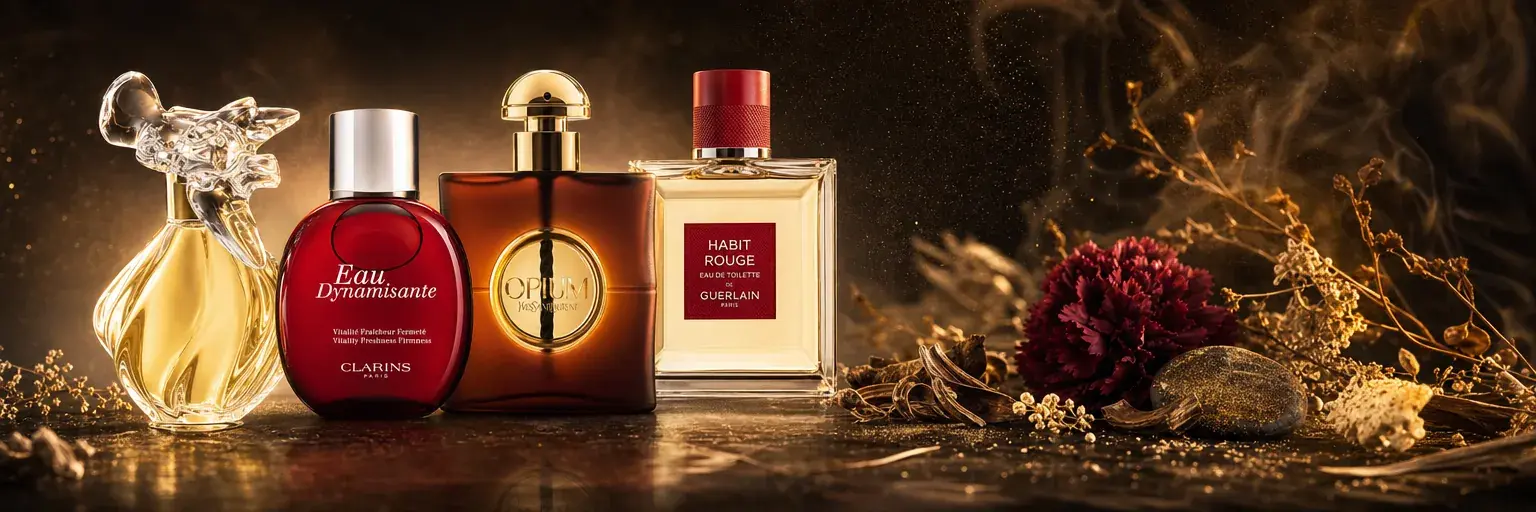
Carnation perfume: buying guide and best fragrances 2026
Carnation is a rich, slightly spicy and powdery floral note, recognisable by its clove and soft pepper nuances. Found in timeless classics as well as contemporary creations, it suits both women and men. This guide will help you understand this note, identify the fragrances that express it best, and make an informed choice from our selection.
The carnation note in perfumery: what is it?
Carnation in perfumery is a spicy floral note, characterised by a dominant note of clove (eugenol), a slightly peppery warmth and a subtle base of powder and vanilla. This olfactory profile sets it clearly apart from airier florals such as muguet or jasmine.
Origin and extraction
Carnation (Dianthus caryophyllus) is grown in Mediterranean Europe and South Asia. In perfumery, the note is now largely recreated through synthesis using aromatic molecules, as direct extraction from the flower yields a very low return. However, some houses offer carnation absolutes — concentrated extraits obtained from the flower — which deliver a more complex, slightly green and natural rendering.
Olfactory facets
There are three main facets in the carnation note:
- Spicy: clove, pink pepper, hints of cinnamon.
- Floral and powdery: a soft floral heart note, sometimes slightly faded.
- Green and slightly herbaceous: mainly present in absolutes and natural reconstructions.
Position in the fragrance pyramid
Carnation is almost always placed as a heart note. Its diffusion lasts a moderate amount of time, between one and four hours after the opening, before giving way to the base notes. In certain oriental or chypre compositions, it can accompany woods and resins right through to the deepest stages of the dry-down.
Natural accords
Carnation blends fluidly with rose (the classic accord known as the "English bouquet"), with sandalwood and cedar for warm, woody profiles, with oakmoss for chypre families, and with cinnamon or vetiver for spicy orientals. Its versatility makes it a harmonious pivot in many fragrance pyramids.
What are the best carnation perfumes?
Our selection of carnation-note fragrances has been compiled from actual sales recorded over the past twelve months on Tendance Parfums, together with verified reviews left by our customers. It spans a broad olfactory spectrum — florals, spicy orientals, chypres, hesperidics — and a price range from 25.50 EUR to 74.50 EUR, catering to both newcomers and seasoned enthusiasts. Feminine, masculine and unisex fragrances are all represented.
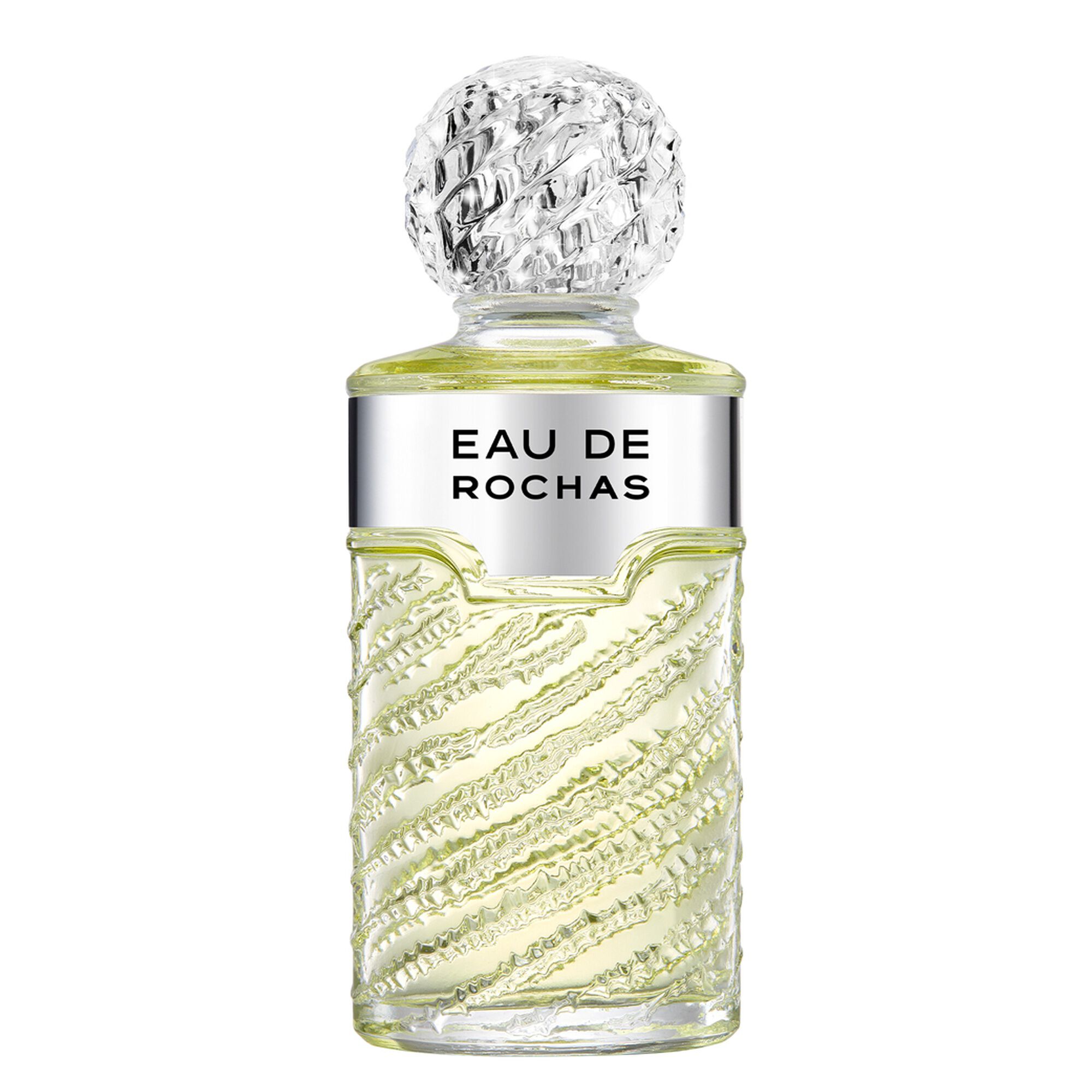
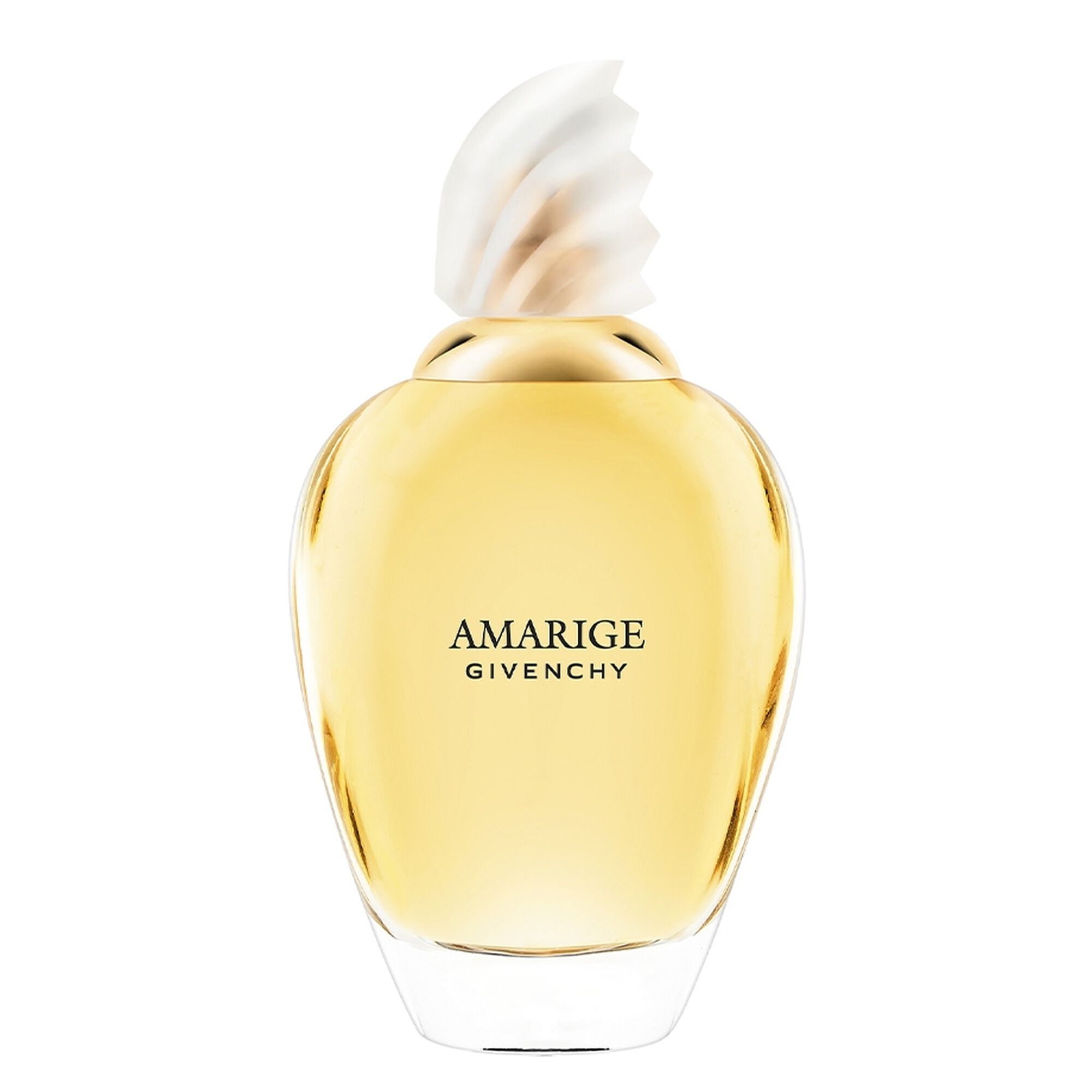
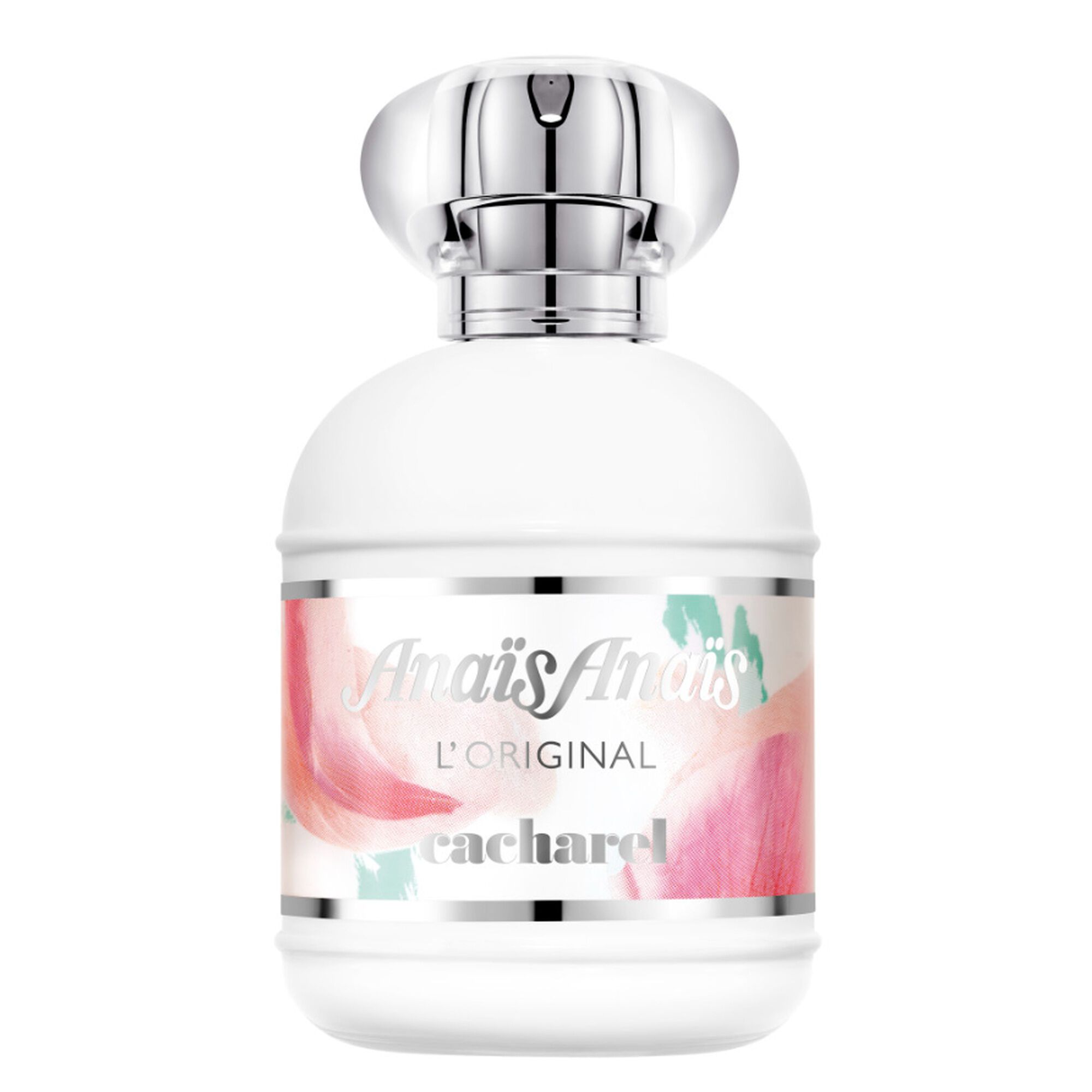
Our favourite picks, reviewed
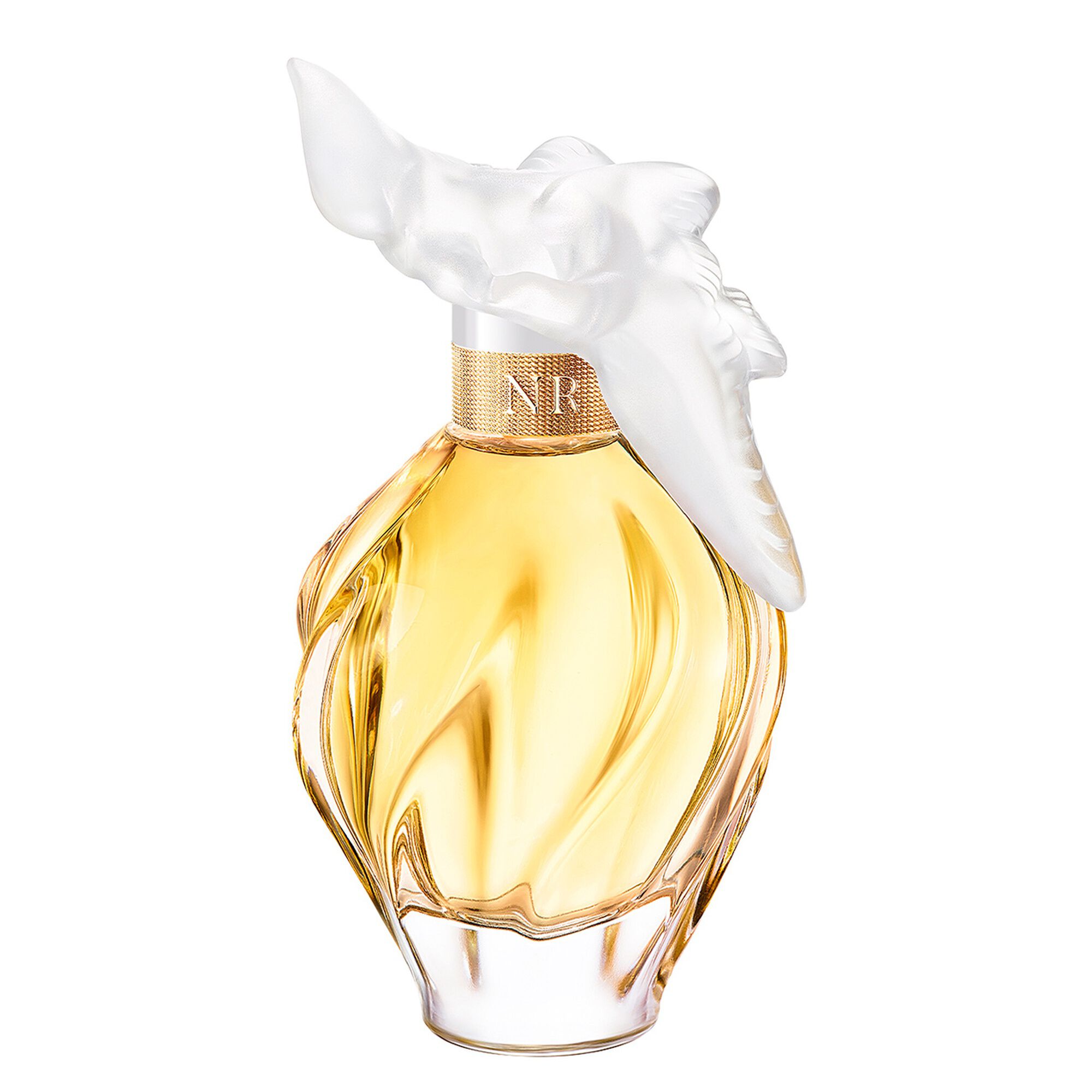
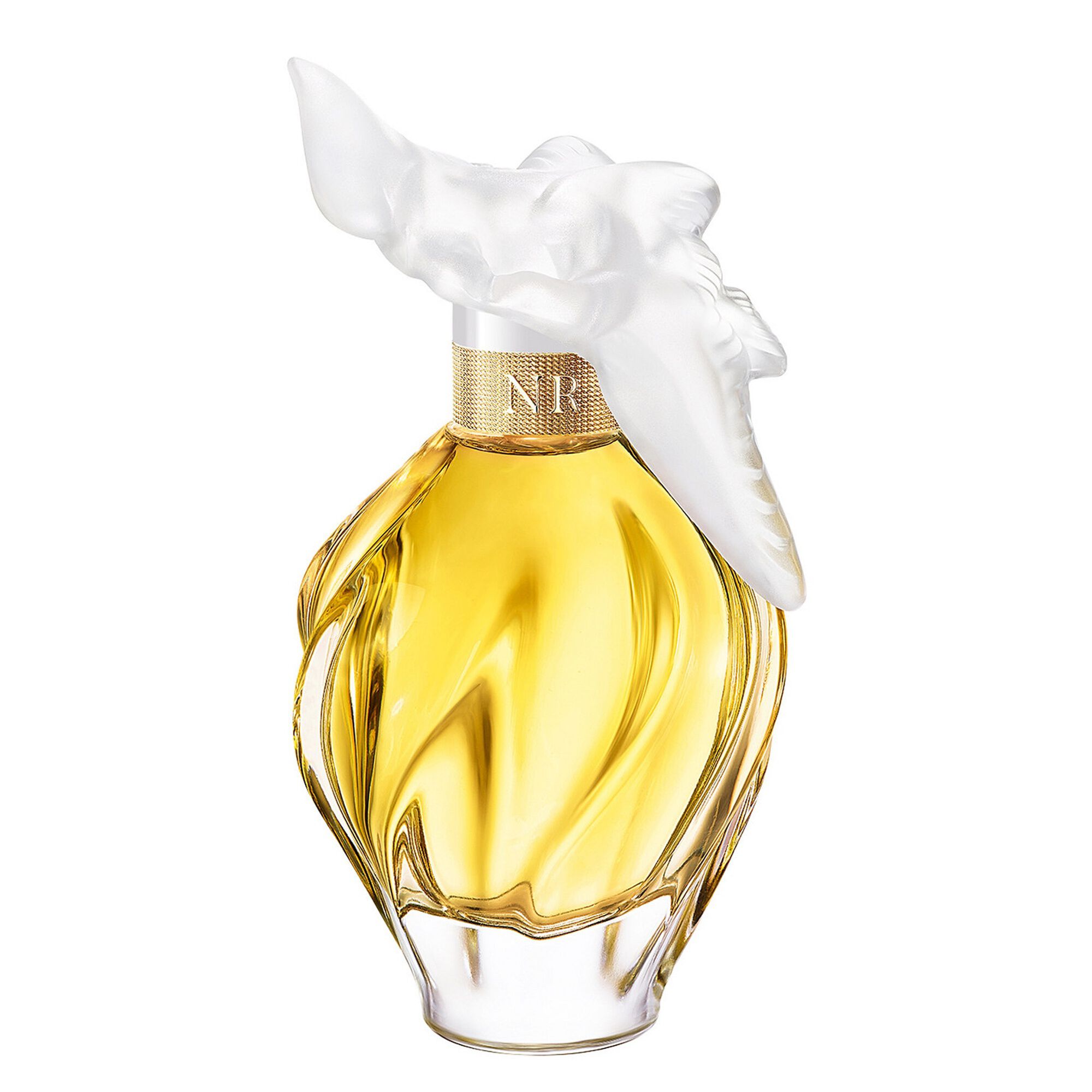
Nina Ricci L'Air du Temps (EDT) — With a rating of 4.89/5 from 66 verified reviews, this is the most popular carnation perfume in our catalogue. This classic floral pairs carnation with rose, sandalwood and oakmoss in an elegant, airy composition. A loyal customer of thirty years sums it up: "I'm still hooked on it." Ideal as a gift or a treat for yourself, with no risk involved.
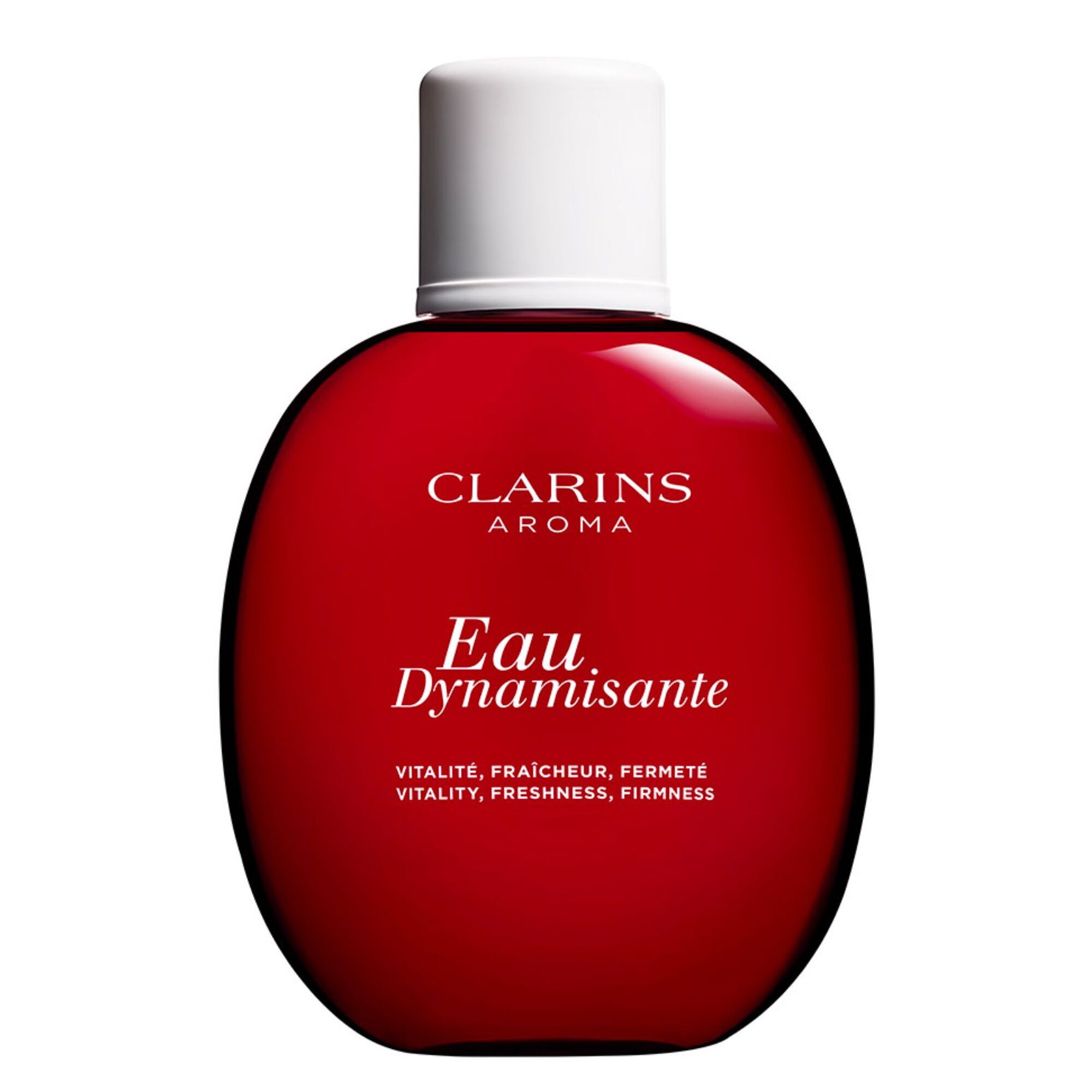
Clarins Eau Dynamisante — The best customer rating in our selection (4.88/5 from 185 verified reviews). This aromatic chypre places carnation within an invigorating accord alongside rosemary, thyme and Amalfi lemon. The result is fresh and energising, perfect for everyday wear in any season. At 25.50 EUR, it offers the best value for money in the selection.
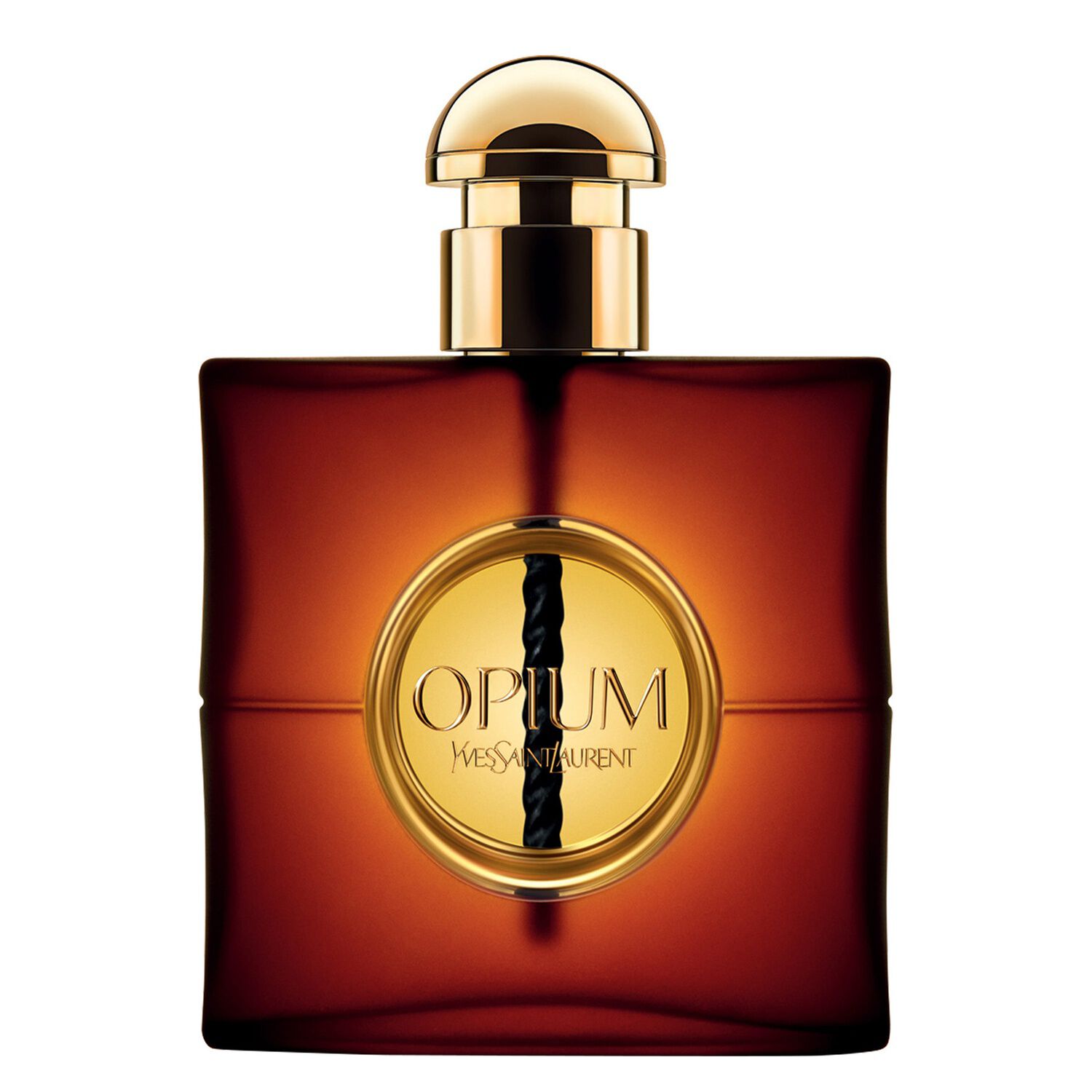
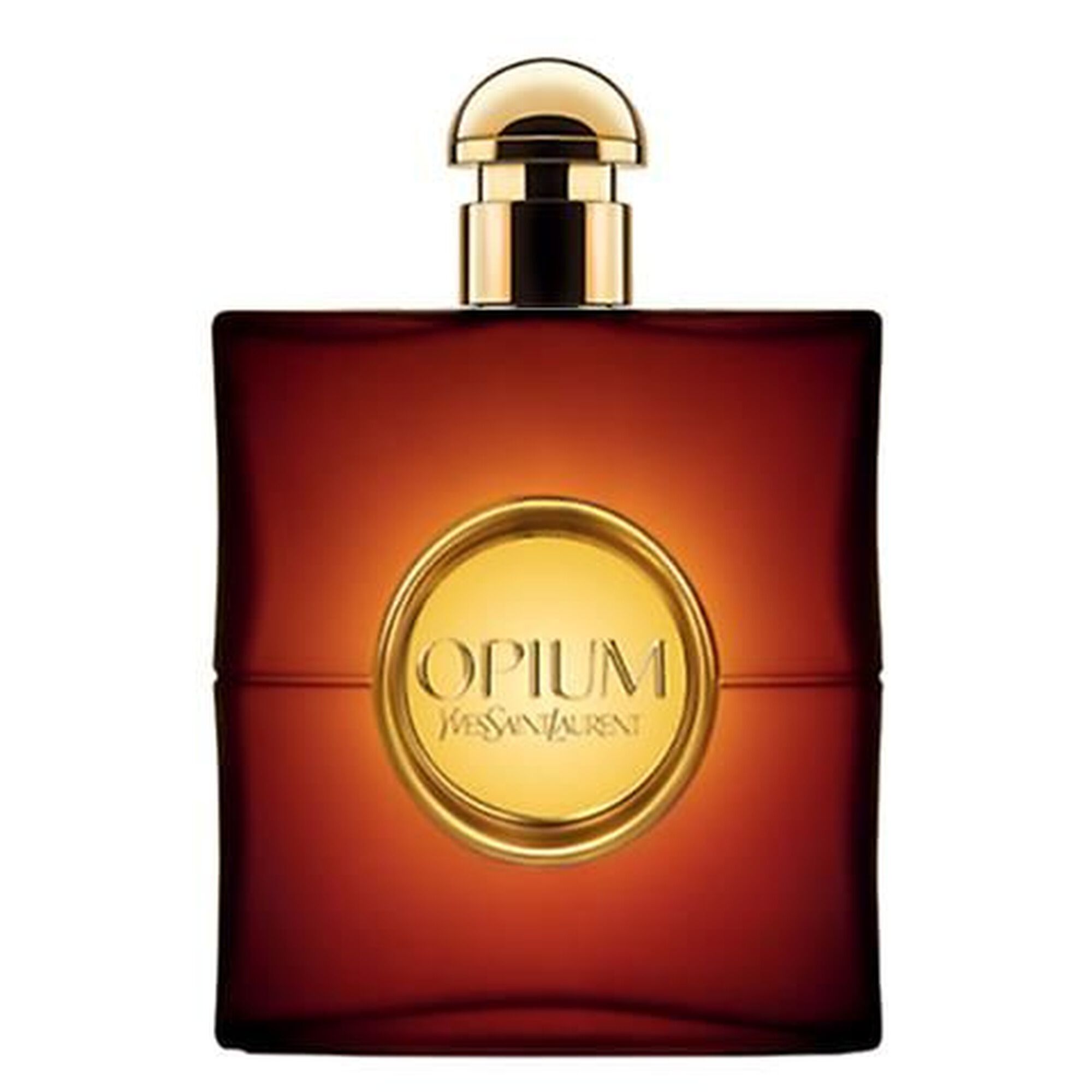
Yves Saint Laurent Opium (EDP) — 4.8/5 from 119 verified reviews for this spicy oriental that has become a benchmark. Here, carnation converses with cinnamon, coconut and sandalwood in a deep composition, best reserved for evenings and colder months. One customer confirms: "the same as in the perfumery, for me!" Also available as an eau de toilette (55.00 EUR) for a slightly lighter character.
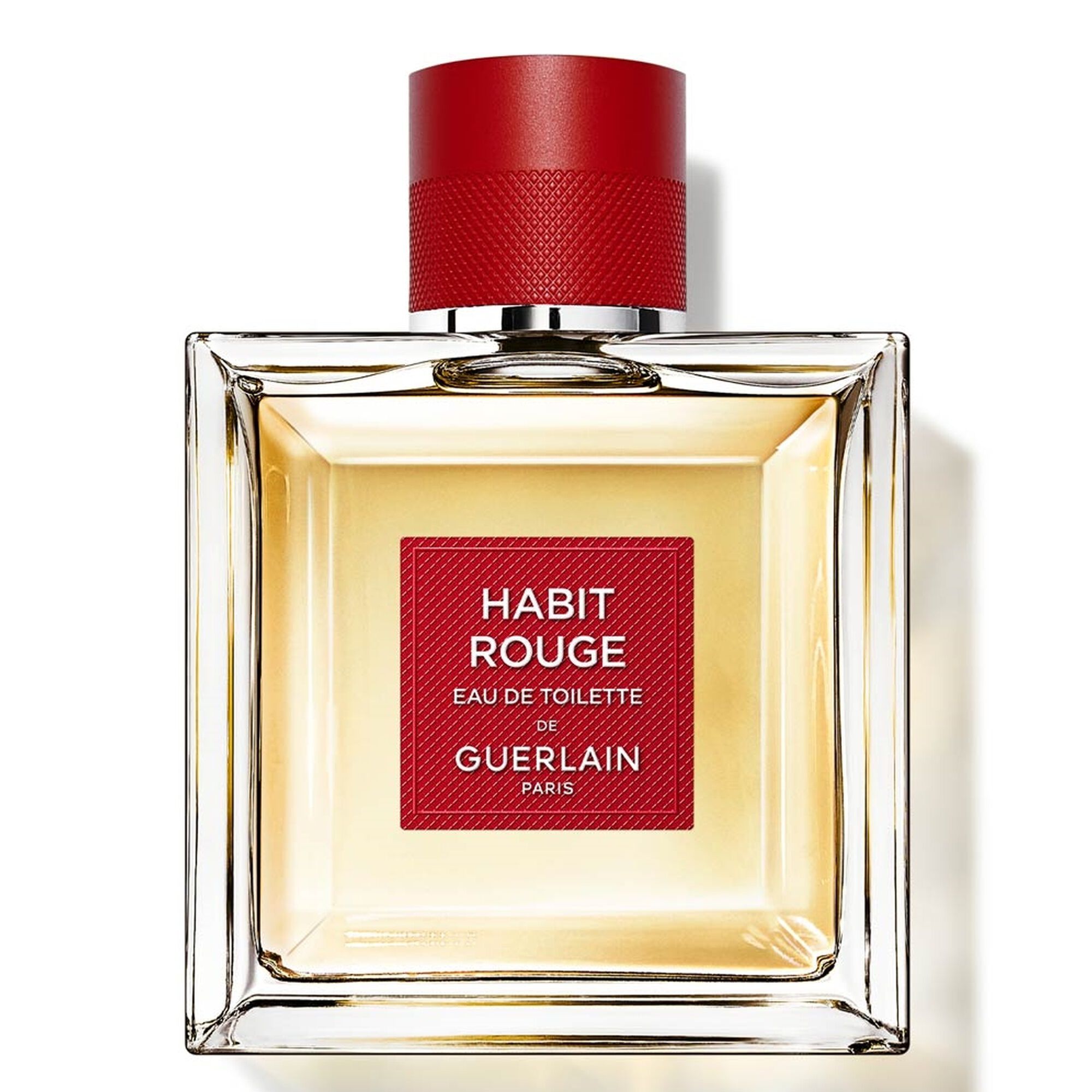
Guerlain Habit Rouge (EDT) — A rating of 4.8/5 from 79 verified reviews. This masculine woody oriental is one of the most refined expressions of carnation in perfumery. The cedar-sandalwood-cinnamon accord gives it a dry, distinguished warmth. At 57.50 EUR, customers judge it "fair value compared to perfumeries." A safe bet for any lover of masculine classics.
Carnation for women, for men: how to choose?
Carnation is a chameleon note: depending on the accords surrounding it, it expresses itself in radically different ways depending on the intended gender.
For women
In feminine fragrances, carnation is often paired with rose, orange blossom or sandalwood to create powdery, enveloping florals. Compositions such as Nina Ricci's L'Air du Temps or Givenchy's Amarige illustrate this use: the spice is soft, the warmth is controlled, and the result is rounded and elegant. These fragrances are particularly suited to autumn and winter evenings, as well as cool spring days. For a woman discovering the note for the first time, a floral like Cacharel's Anaïs Anaïs offers an accessible way in.
For men
For men, carnation is most often found within spicy orientals or aromatic woody compositions. Guerlain Habit Rouge is the canonical example: carnation here lifts a base note of sandalwood and cedar with almost tailored precision. Yves Saint Laurent's Opium (available as eau de toilette and eau de parfum) combines carnation with cinnamon and coconut in a powerful oriental, best kept for cold seasons or evenings. These fragrances project further and last several hours on the skin.
Unisex
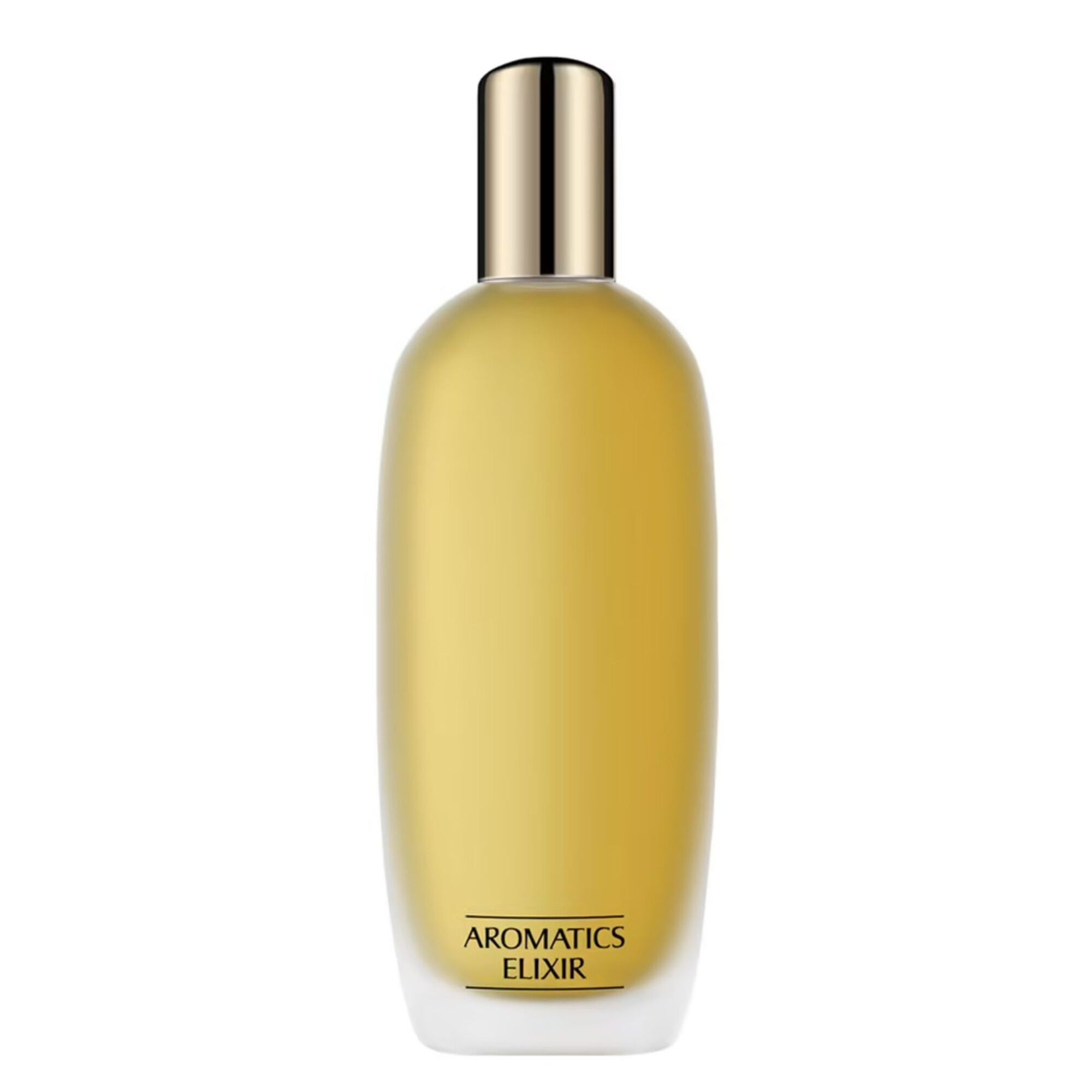
Clinique Aromatics Elixir, with its floral chypre accord built around carnation, geranium and rose, has been worn by both women and men alike for decades. It's a good option for anyone seeking an assertive fragrance without a sharply defined gender marker.
Testing tips
Spray on the wrist and wait at least twenty minutes before making a judgement: the carnation note expresses itself fully once the top notes have evaporated. In cold weather, it lasts longer on the skin.
Tendance Parfums figures
What our own online perfumery data tells us about the carnation note — figures you won't find anywhere else:
- Fragrances with a carnation note available in our catalogue, from 11 EUR to 104 EUR (core range 42-78 EUR).
- The best-seller among our customers over the last 12 months: Nina Ricci L'Air du Temps.
- Average rating of our selection: 4.9/5 from 703 verified customer reviews.
- Prices and stock updated continuously; free delivery from 59 EUR of purchases.
Frequently asked questions
Which carnation perfume should I choose for a woman? For a woman, the most suitable carnation perfumes are powdery florals or floral chypres. Nina Ricci L'Air du Temps (47.00 EUR or 74.50 EUR), Givenchy Amarige (67.50 EUR) and Cacharel Anaïs Anaïs (31.50 EUR) are three highly rated references among our female customers, ranging from elegant classics to accessible florals.
Are there good carnation perfumes for men? Yes, several masculine fragrances showcase carnation beautifully. Guerlain Habit Rouge (57.50 EUR) is the most iconic: a warm, refined woody oriental. Yves Saint Laurent Opium EDT (55.00 EUR) offers a more intense spicy profile. Both are particularly well suited to autumn and winter.
What is a carnation absolute in perfumery? A carnation absolute is a concentrated extrait obtained via solvent extraction directly from the Dianthus caryophyllus flower. It offers a more natural, slightly green and complex rendering than synthetic reconstructions. It is rarer and more costly, which is why most fragrances use synthetic molecules to reproduce the note.
In which season should you wear a carnation perfume? Carnation is a versatile note, but it particularly comes into its own in autumn and winter: the warmth of the skin amplifies its spicy, powdery facets. Some light carnation florals, such as Clarins' Eau Dynamisante, can also be worn year-round. In summer, opt for eau de toilette concentrations for a lighter feel.
What is the difference between the carnation note and the rose note in perfumery? Rose is a soft, velvety, slightly citrusy floral, built around molecules such as geraniol and rose oxide. Carnation shares the floral aspect but is clearly distinguished by its spicy facets (eugenol, close to clove) and slightly peppery character. Carnation is warmer and more assertive; rose is softer and more universal.