

Perfume with woody notes: buying guide and best perfumes 2026
Woody notes refer to the olfactory materials derived from real or reconstructed woods — cedar, sandalwood, vetiver, oud, patchouli — which bring depth, warmth and longevity to a perfume. Present across all the major fragrance families, they appeal both to lovers of warm, enveloping fragrances and to those seeking an understated, elegant signature. This guide will help you understand the note, place it within the fragrance pyramid, and choose the perfume that matches your profile.
The woody notes note in perfumery: what is it?
Woody notes make up one of the major fragrance families in modern perfumery. They encompass all the materials — natural or synthetic — that evoke the forest, dry wood, resin or damp earth.
The main odorous woods used in perfumery
- Cedar offers a dry, slightly pencil-shavings profile, widely used in the base note of a perfume for its longevity and relative neutrality.
- Sandalwood (mainly sourced from India or Australia) is creamy, soft, slightly milky. It is traditionally extracted by hydrodistillation of the tree's heartwood.
- Vetiver is the root of a tropical grass, steam-distilled; its signature is earthy, smoky, slightly dry. It comes notably from Haiti and Java.
- Patchouli, the dried and fermented leaf of a plant native to Southeast Asia, brings a dark, powdery, almost sweet facet.
- Oud (agarwood) is a resin produced by a tree infected by a fungus; rare and intense, it sits between smoky wood, leather and animalic notes.
- Synthetic molecules such as Iso E Super or Sylvanol allow clean, stable and reproducible woody facets to be recreated.
Position in the fragrance pyramid
Woody notes mainly settle in the base note of a perfume, where they anchor the more volatile top and heart notes. Some — light cedar, sandalwood — can rise up into the heart note. Their role as a fixative explains why woody perfumes generally have good longevity on the skin.
Natural accords with woody notes
They harmonise with almost every family: oriental notes (amber, spices) for added warmth; floral notes (iris, rose) for a velvety contrast; hesperidic notes (bergamot, lemon) for a modern fresh-woody accord; and musky notes for a clean, enveloping base. This versatility explains their presence in more than 70% of contemporary perfumes.
What are the best perfumes with the woody notes note?
Our selection of perfumes with woody notes brings together references ranging from 21 to 148 EUR. Every perfume featured here ranks among our genuine bestsellers over the past twelve months or enjoys a particularly high verified customer rating — or both. Below you will find fragrances for women, for men and unisex, covering every occasion and every season.


Our featured favourites
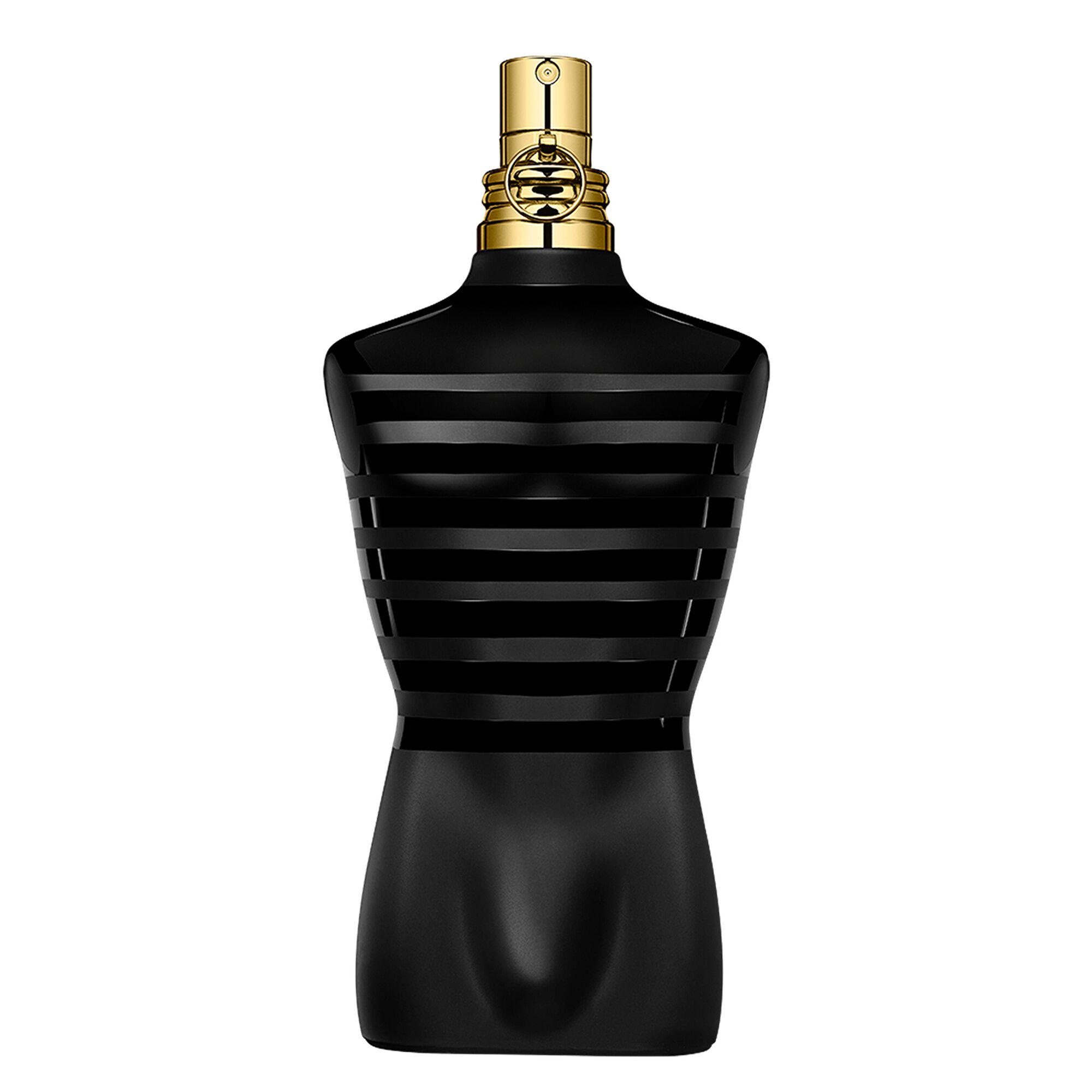
Jean Paul Gaultier Le Male Le Parfum — This is our most popular woody reference. The cardamom-iris-lavender accord rests on an enveloping woody-oriental base, the house's signature reimagined in a more intense version. One customer sums it up: "Great value for money." Ideal for evening wear, from autumn onwards.
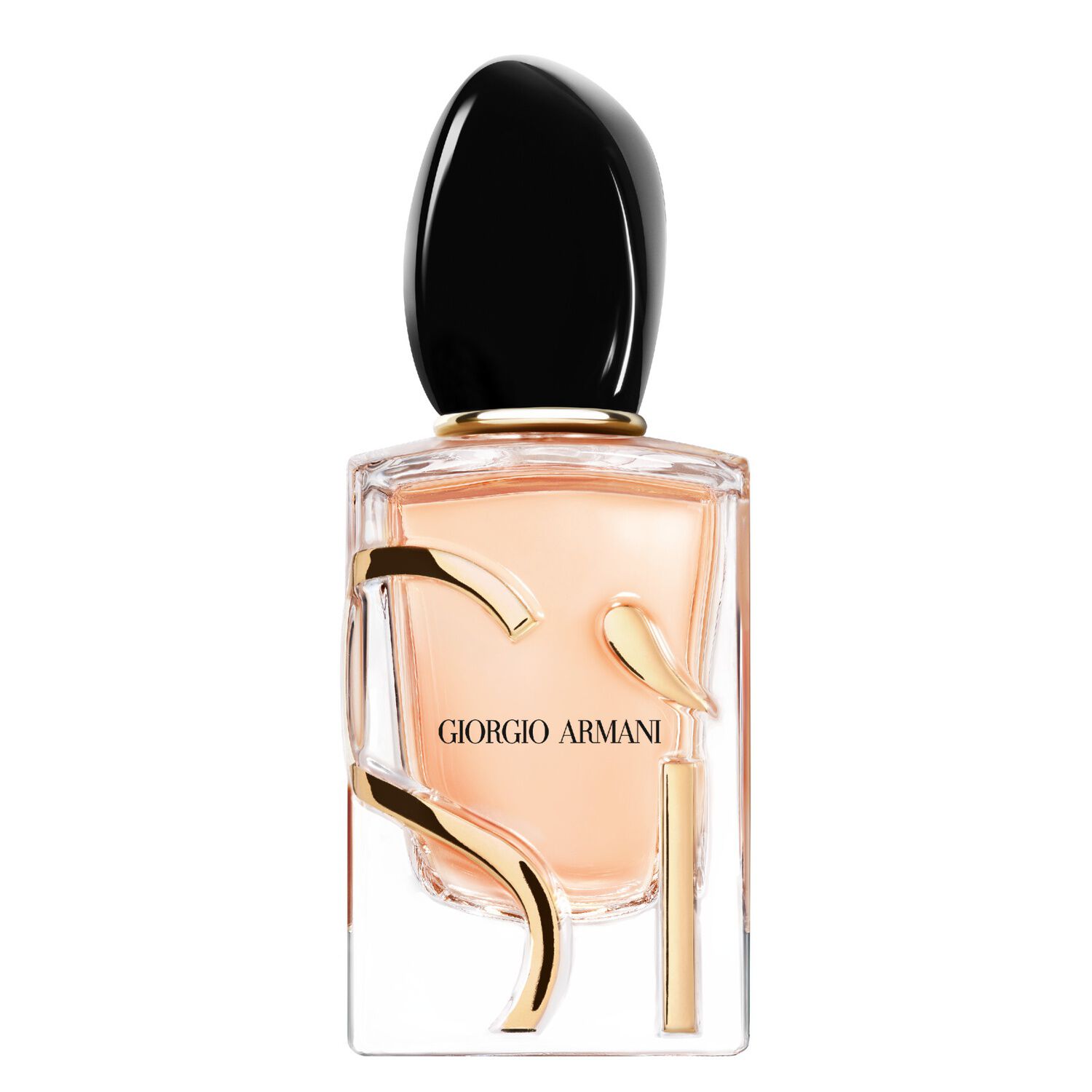
Armani Sì — 198 verified reviews (4.35/5) make this our reliable feminine favourite. The Fruity Chypre construction combines freesia, Rose de Mai and blackcurrant on a subtle yet persistent woody-ambroxan base. One customer confirms: "Lasts well on my skin, very pleasant." An accessible (21 EUR) and versatile perfume, suited to both spring and autumn.
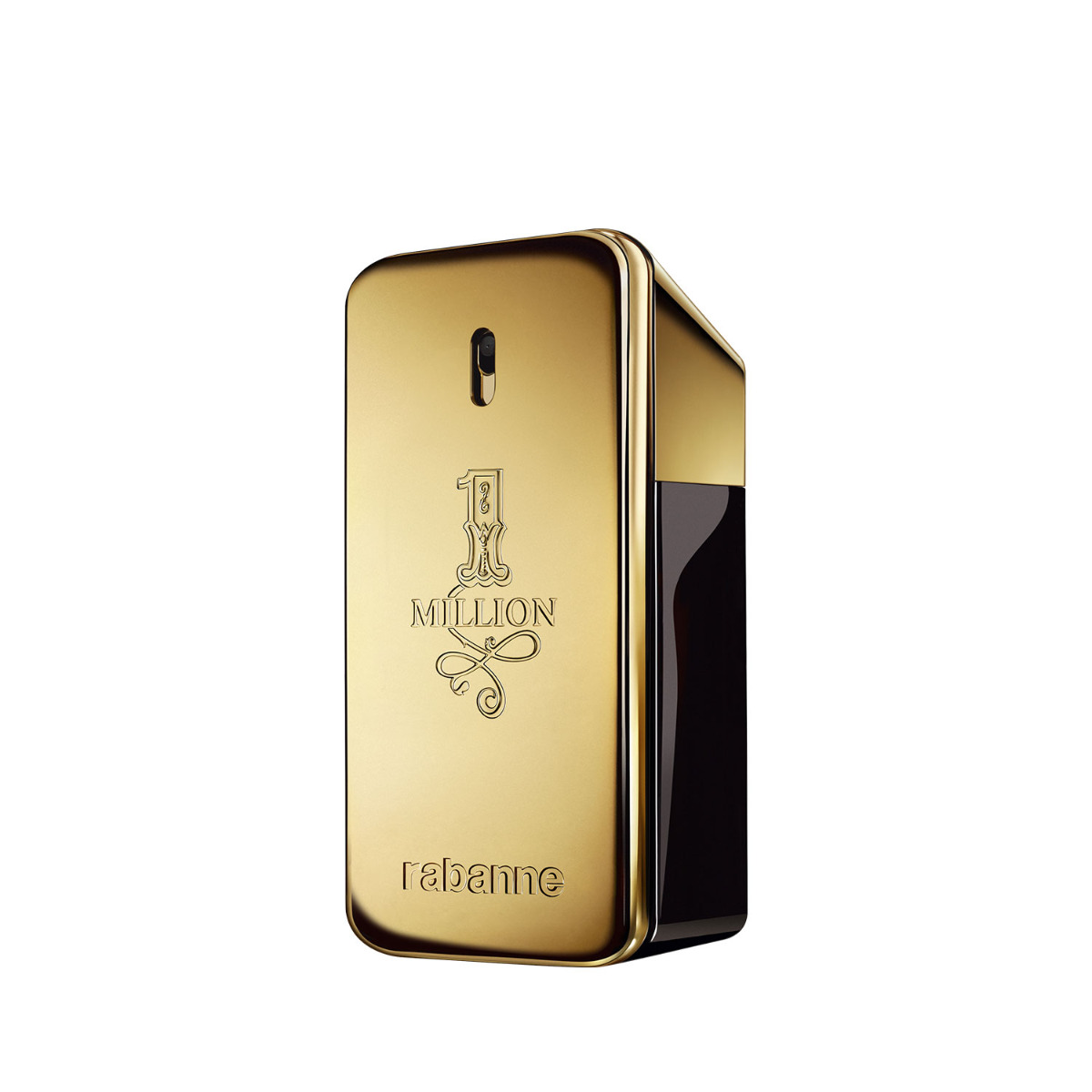
Rabanne 1 Million — 162 reviews (4.7/5): a masculine Spicy Woody classic in which blood mandarin and rose settle onto a bed of amber, spicy wood. Its longevity is universally praised. One loyal customer lists it alongside his other essentials. A safe choice for festive occasions.
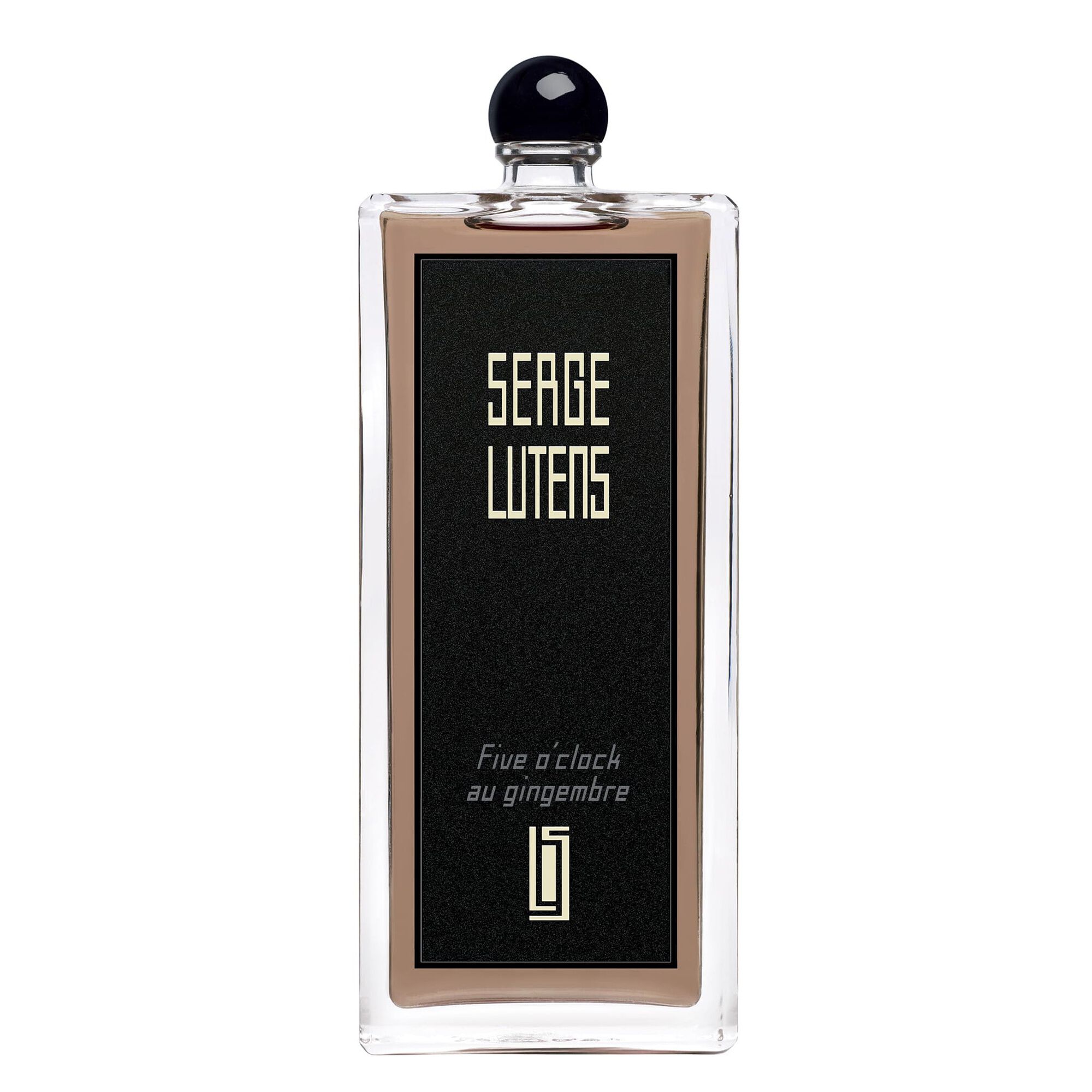
Serge Lutens Five O'Clock au Gingembre — 4.89/5 across 18 verified reviews for this premium creation (105.50 EUR). The tea-ginger-patchouli-amber accord traces a remarkably precise spicy woody. One customer describes it as "Spicy and distinctive, it takes me either towards winter or summer. A real treat!" and wears it between seasons. A considered purchase, rewarded with strong loyalty.
Woody notes for women and men: how to choose?
Woody notes have no fixed gender: they cross conventions and adapt to very different constructions depending on the brand and the perfumer's intent.
For women
In women's perfumes, woods are often softened by floral accords (gardenia, rose, iris) or fruity ones (blackcurrant, pineapple). Sandalwood is common here for its creamy, enveloping character. Woody Chypre or Woody Floral constructions produce perfumes that are both feminine and assertive, suited to a working day as much as a dressed-up evening. The ideal seasons are autumn and winter, though a light wood combined with hesperides works very well in spring.
For men
Woody men's perfumes readily draw on cedar, vetiver and patchouli, often reinforced with spices (cardamom, pepper) or fougere elements (lavender). The Spicy Woody and Oriental Woody families dominate. These perfumes suit everyday wear as much as formal occasions. In terms of seasonality, dry and spicy constructions are ideal for autumn and winter; fresh, hesperidic woods work well in spring.
Unisex fragrances
A growing number of modern woody perfumes are designed as unisex: their balanced structure — neither too floral nor too spicy — suits every skin type. This is often the case with constructions built around sandalwood or oud.
Practical tips for trying a fragrance
Always test a woody perfume on warm skin (wrist or inner elbow) and wait at least 15 to 20 minutes before making a judgement: woody base notes take time to fully reveal themselves. If you're torn between two bottles, wear one on each arm and compare their development over two hours.
The Tendance Parfums figures
What our own online perfumery data tells us about the woody notes note — figures you won't find anywhere else:
- Perfumes with the woody notes note available in our catalogue, from 21 EUR to 148 EUR (core range 48-76 EUR).
- The bestseller among our customers over the past 12 months: Jean Paul Gaultier Le Male Le Parfum.
- Average rating of our selection: 4.5/5 across 468 verified customer reviews.
- Prices and stock updated continuously; free delivery from 59 EUR of purchases.
Frequently asked questions
What is a woody note in perfumery? A woody note is an olfactory material — natural, such as cedar, sandalwood or vetiver, or synthetic — that evokes wood, forest or resin. These notes mainly settle in the base note of a perfume, where they bring depth, warmth and longevity. They feature in the majority of contemporary perfumes, across all families.
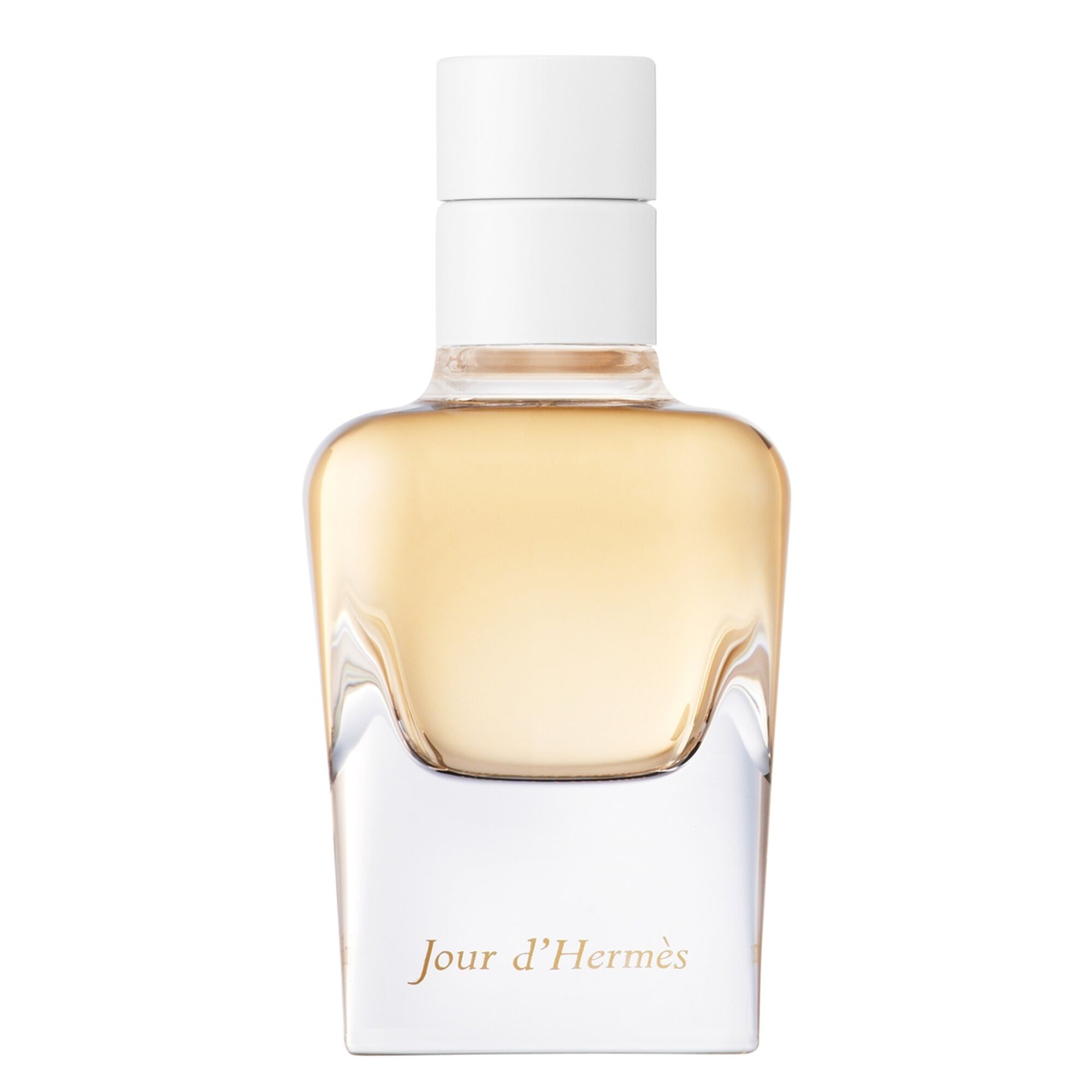
Which woody perfumes are recommended for a woman? For a woman, woody notes are often expressed within floral or fruity constructions: Armani Sì (Fruity Chypre, 21 EUR), Jour d'Hermès (Woody Floral, 58 EUR) or Jean Paul Gaultier Le Beau Le Parfum (Oriental Woody, 75.50 EUR) are good starting points. Here, the woods are softened by florals or creamy accords, for a result that is both feminine and assertive.
Are woody perfumes suitable for every season? Woody notes adapt to every season, though their expression changes. Spicy woody or oriental woody constructions are more at home in autumn and winter. Fresh woods — light cedar, sandalwood combined with hesperides — work very well in spring. In summer, lighter woody notes are best suited as a base to aquatic or hesperidic perfumes.
What is the difference between a woody note and a musky note? Woody notes evoke dry wood, resin or earth (cedar, vetiver, patchouli), whereas musky notes are soft, clean, almost neutral and sit very close to the skin. Both are found in the base note and often complement each other: musk fixes, wood structures and warms. A woody-musky accord produces enveloping, natural-feeling perfumes.
At what price can you find good perfumes with woody notes? Our catalogue of perfumes with woody notes ranges from 21 to 148 EUR. Reliable choices exist from 44.50 EUR (Rabanne 1 Million, 162 verified reviews at 4.7/5) or even 21 EUR (Armani Sì, 198 reviews). Niche creations or more concentrated eaux de parfum sit between 70 and 148 EUR, generally with a more complex construction and better longevity.