
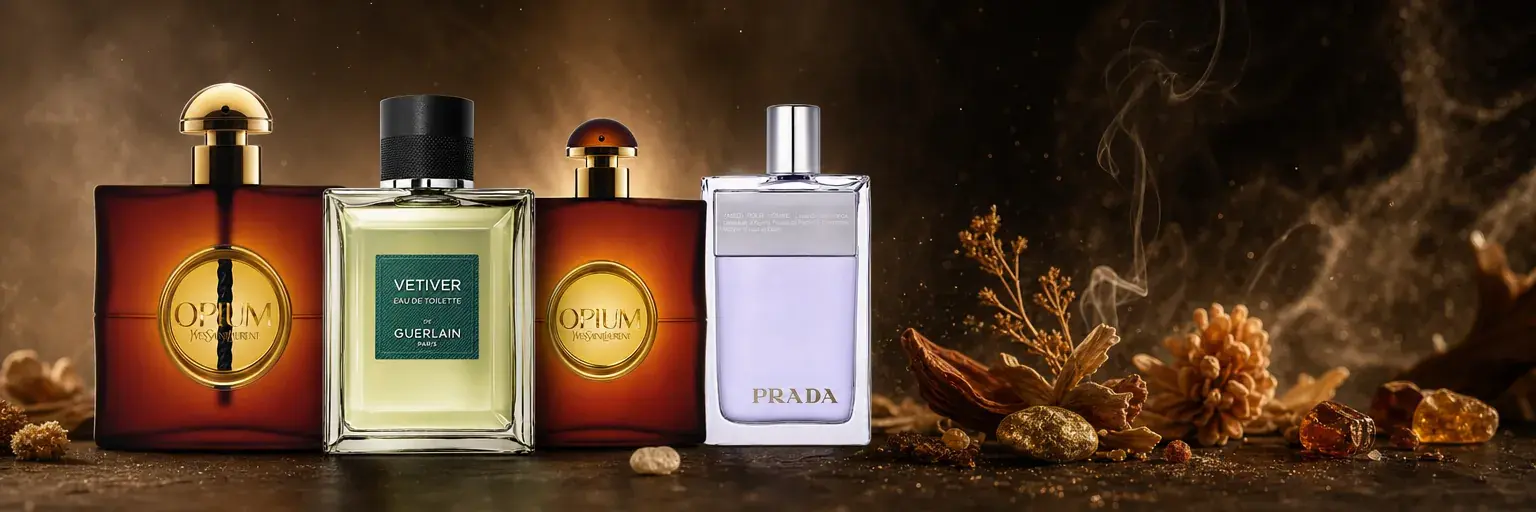
Myrrh perfume: buying guide and best fragrances 2026
Myrrh is a natural resin from shrubs of the Commiphora genus, harvested in East Africa and the Arabian Peninsula. Its scent — warm, balsamic, slightly smoky and sweet — makes it a highly prized base note material in oriental perfumery. This guide will help you understand its olfactory character, distinguish between feminine and masculine uses, and choose from our selection of myrrh-note fragrances to suit every budget.
The myrrh note in perfumery: what is it?
Myrrh is an oleo-gum resin obtained by incising the bark of shrubs of the Commiphora genus, found mainly in the Horn of Africa (Ethiopia, Somalia) and Yemen. Known since antiquity as an incense, a medicine and a component of ritual preparations, it is one of the oldest raw materials in the history of perfumery.
Its scent is both complex and instantly recognisable: a warm, balsamic base, slightly sweet, with a smoky or incense-like facet, an earthy edge and a light bitterness in the base note. Some noses also pick up a very soft animalic nuance or a touch of smoky vanilla. It is precisely this richness that makes it such a sought-after base note ingredient.
Position in the fragrance pyramid. Myrrh sits almost exclusively as a base note, where it lends warmth, depth and longevity. Its slow volatility allows it to sustain the composition for several hours after the top notes have faded. In rare cases, it can appear as a heart note to structure an oriental accord or a sensual floral.
Preferred accords. Myrrh blends naturally with:
- warm woods: sandalwood, cedar, oud;
- spices: cinnamon, nutmeg, saffron, cardamom;
- resins and balms: labdanum, benzoin, olibanum;
- rich florals: rose, orange blossom, geranium;
- vanilla and tonka bean for gourmand-oriental variations.
It is the backbone of the great oriental and woody-oriental families, but it also finds its place in modern chypres and spicy aromatics, offering a signature that is both timeless and contemporary.
What are the best myrrh-note fragrances?
Our selection brings together myrrh-note fragrances priced between €48 and €110. Each fragrance has been chosen on the basis of verified reviews left by our customers as well as actual sales recorded over the past twelve months on Tendance Parfums — two concrete indicators that reflect real buyer satisfaction, beyond olfactory descriptions alone. Below you will find fragrances for women, for men and unisex, across several fragrance families that showcase myrrh at its best.
Our favourites, reviewed
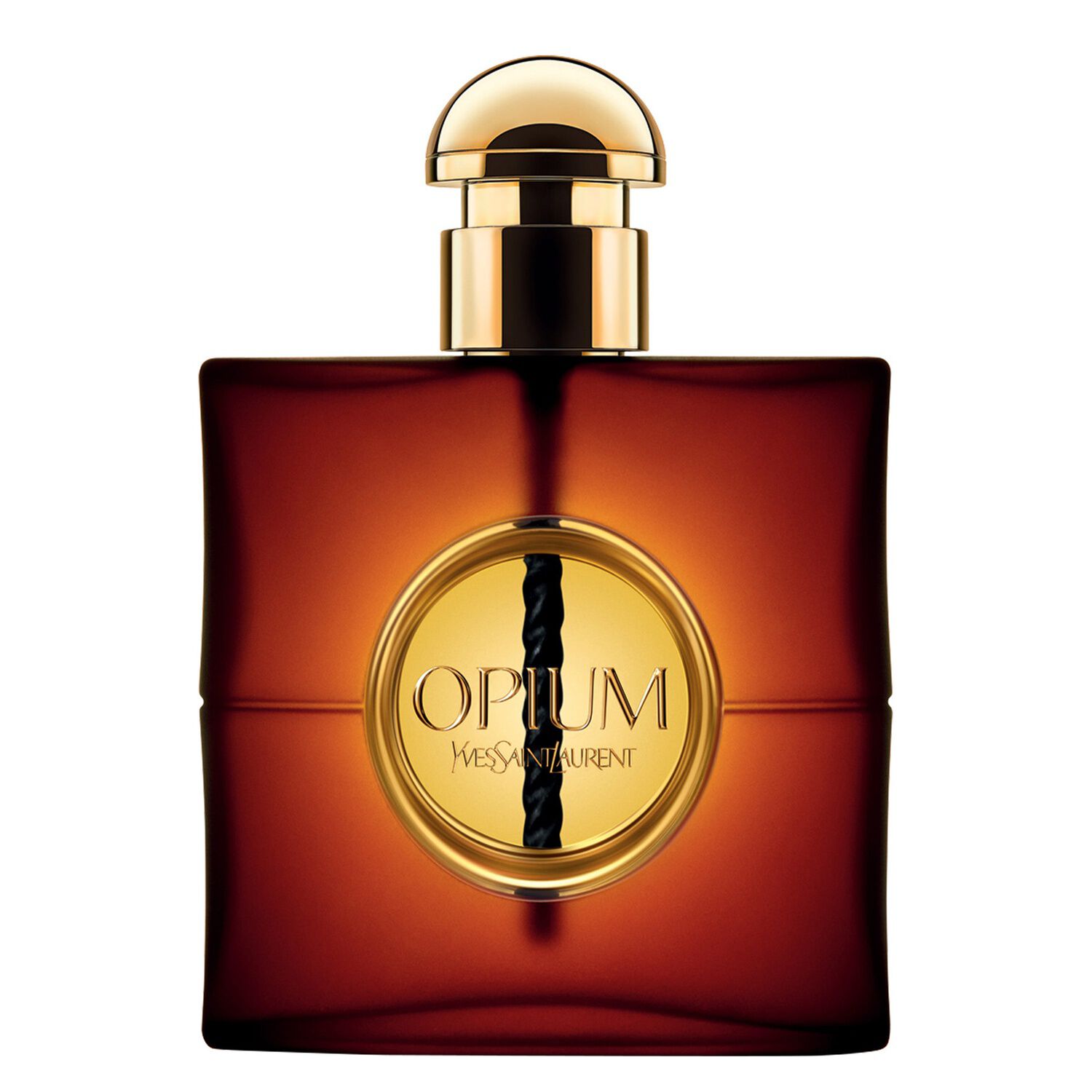
Yves Saint Laurent Opium (Eau de Parfum) — 62,00 EUR With a rating of 4.8/5 across 119 verified reviews, Opium EDP is the most sought-after myrrh fragrance in our catalogue. Its spicy oriental accord blends sandalwood, cinnamon, carnation and coconut over a resinous, balsamic base that myrrh amplifies. One customer sums it up well: "for me, the same as in perfumery shops!" An absolute classic, effective from autumn onwards.
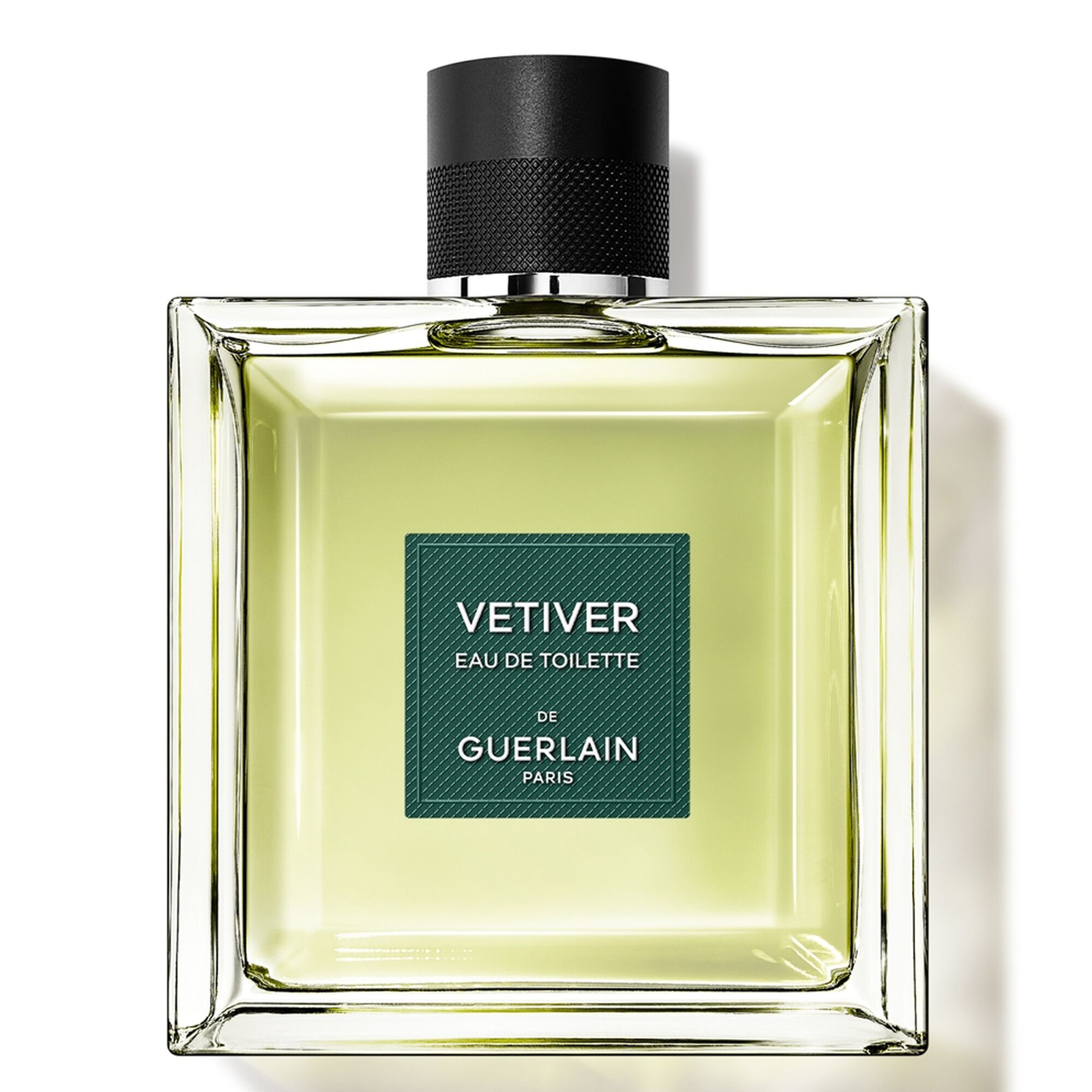
Guerlain Vétiver — 77,00 EUR A rating of 4.79/5 across 58 reviews confirms the loyalty this fragrance inspires. Its woody-aromatic architecture — vetiver, sandalwood, tonka bean, oakmoss — leaves myrrh to bring warmth and length in the base note. "Timeless and elegant. Very good longevity": this customer comment says it all about a fragrance that has been worn by its devotees for decades.
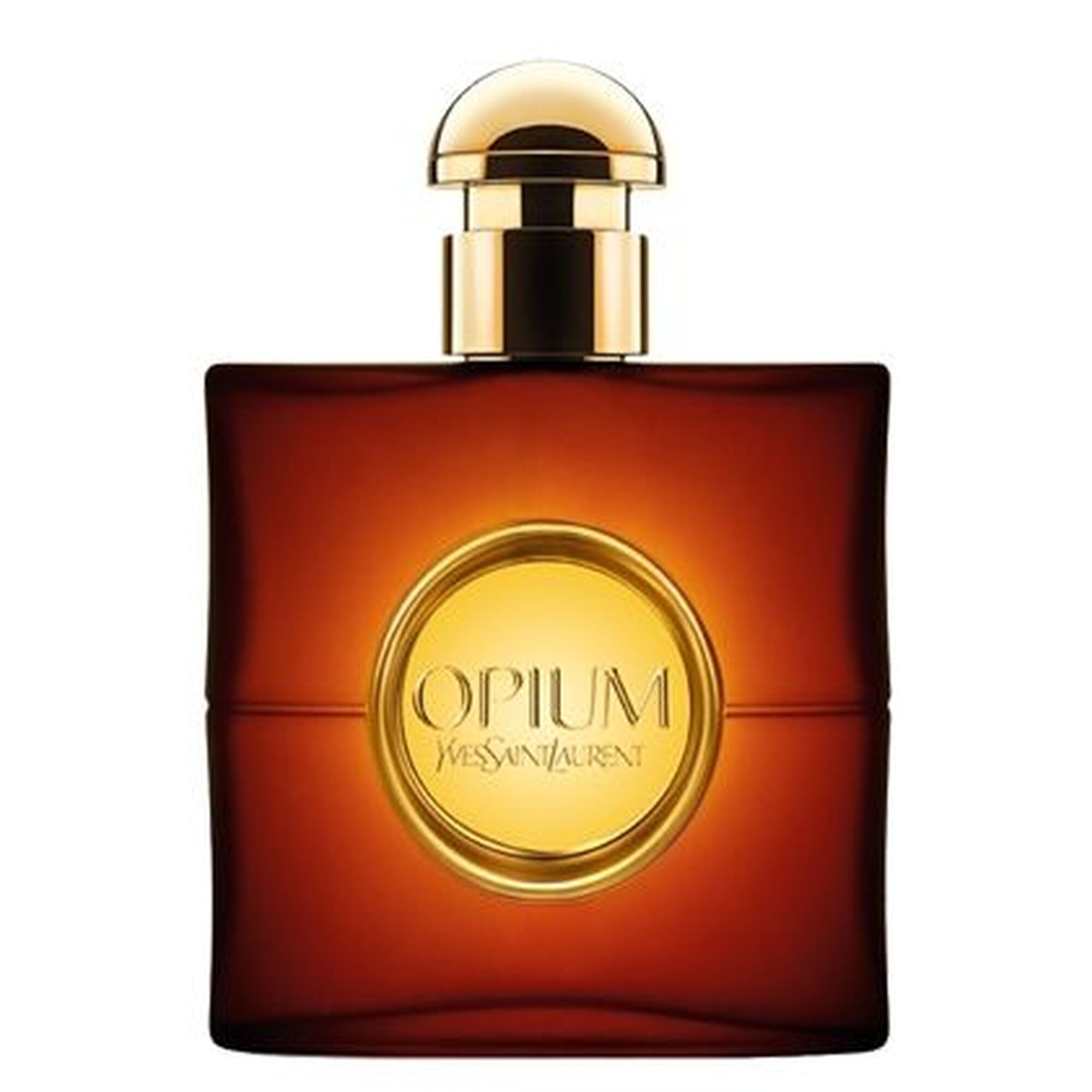
Yves Saint Laurent Opium (Eau de Toilette) — 55,00 EUR The eau de toilette version of the same great oriental, with 4.97/5 across 33 reviews, making it the second YSL reference in our selection. Lighter on opening than the EDP, it shares the same spicy-resinous base with sandalwood, cedar and cinnamon. Ideal for those wishing to discover the Opium signature at a more accessible price. Customers unanimously describe it as "very good value for money".
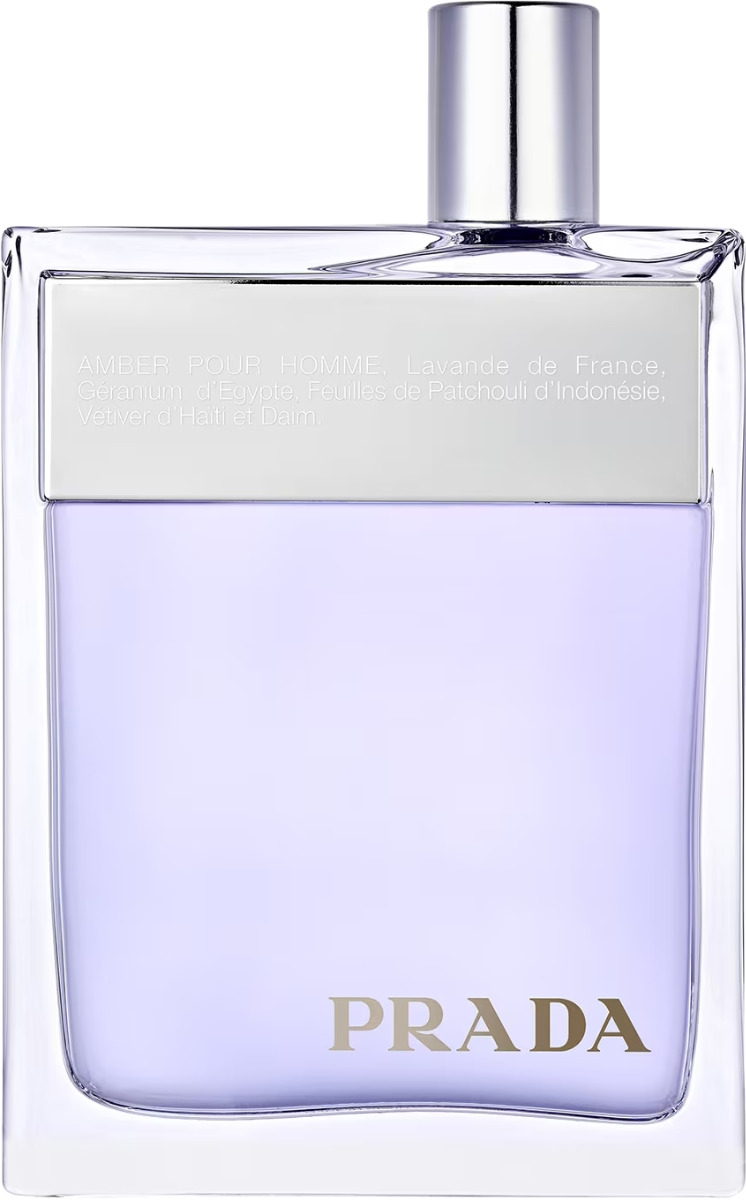
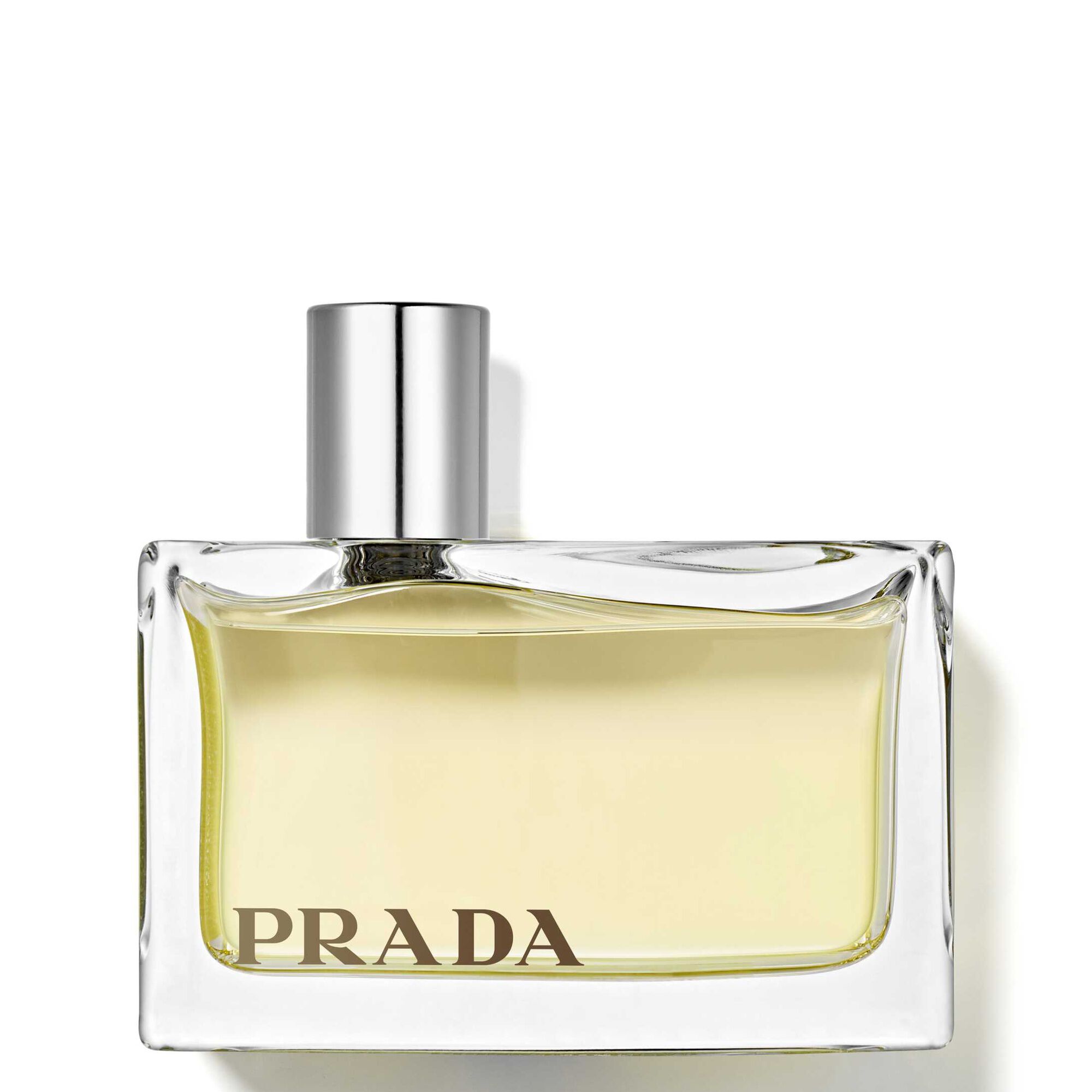
Prada Amber pour Homme (EDT) — 79,00 EUR The highest rating in our men's selection: 4.87/5 across 31 reviews. Prada Amber pour Homme builds a fougère-oriental around vetiver, saffron, bergamot and sandalwood, with myrrh contributing to the characteristic amber warmth of the range. One customer has worn it "for over 20 years" and highlights its "very warm scents": proof that myrrh can stand the test of time without ageing.
Myrrh for women, for men: how to choose?
Myrrh belongs to no exclusive olfactory gender: it runs through great feminine signatures as well as masculine classics and contemporary unisex compositions alike. What changes is the family it belongs to and the notes that accompany it.
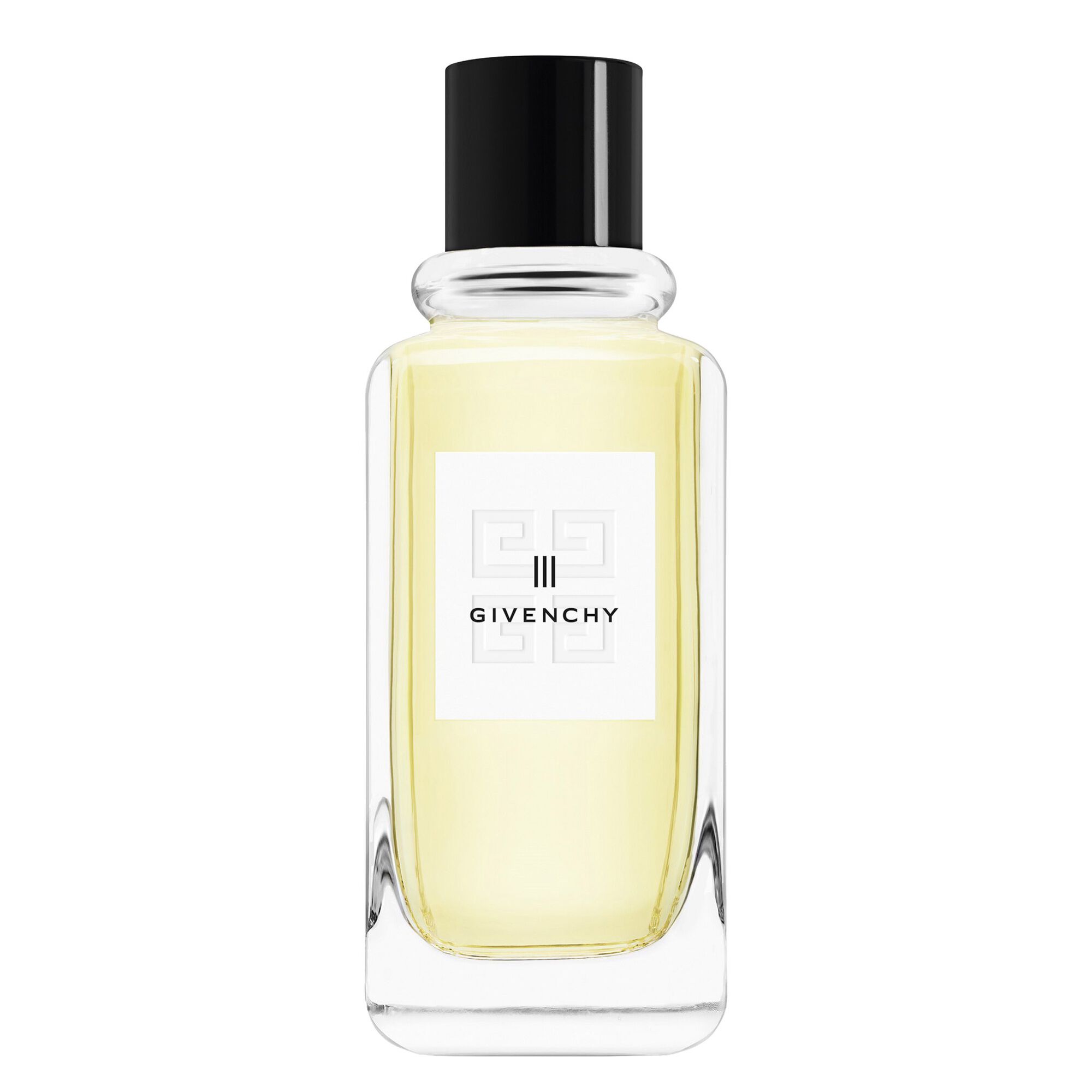
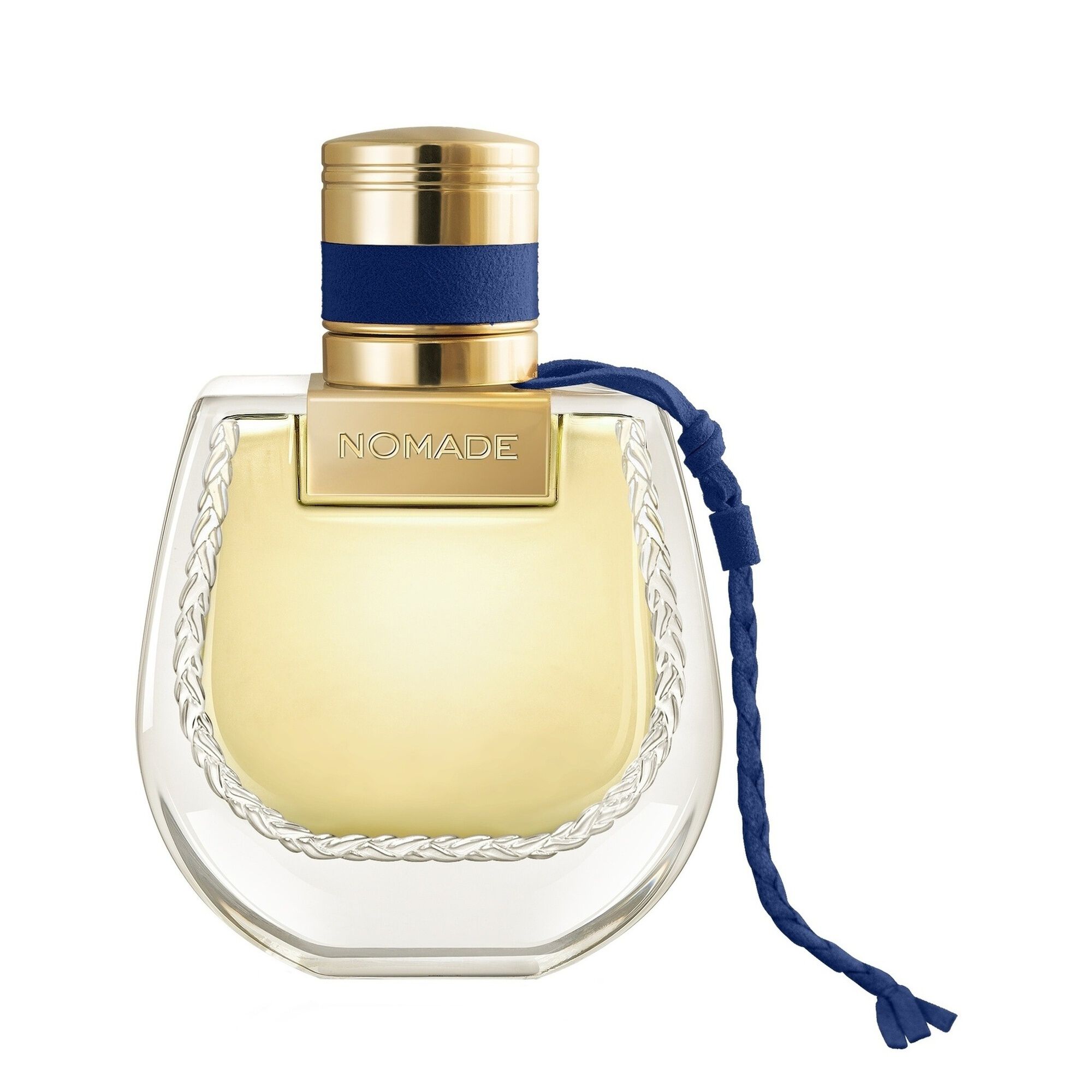
For women, myrrh is often paired with oriental florals or powdery balsamic accords. It brings warm sensuality to hearts of orange blossom, rose or broom. Fragrances such as Chloé Nomade Nuit d'Egypte or Givenchy III illustrate this register: the resin plays an anchoring role, making the floral more sensual and longer-lasting. These eaux are particularly suited to autumn and winter, worn in the evening or on occasions calling for an enveloping presence.
For men, myrrh features in spicy orientals, oriental fougères or aromatic woody fragrances. It reinforces the sandalwood-cedar-spice accords characteristic of fragrances such as Prada Amber pour Homme or YSL Opium, adding smoky, resinous depth. These compositions work very well in cold weather but, worn with restraint, can also suit autumn evenings.
For unisex profiles, classics such as Guerlain Vétiver offer a more earthy, aromatic reading of the resin, accessible to all.
Practical tips. Before buying, apply the fragrance to the skin (wrist or inner elbow) and wait at least 30 minutes: myrrh always reveals itself in the base note, never cold on the flacon. If you're torn between an eau de toilette and an eau de parfum, bear in mind that the eau de parfum concentration generally develops the base notes — including myrrh — more prominently and for longer.
The Tendance Parfums figures
What our own online perfumery data tells us about the myrrh note — figures you won't find anywhere else:
- Fragrances with a myrrh note available in our catalogue, from €48 to €110 (core range €54-84).
- Best-seller among our customers over the past 12 months: Yves Saint Laurent Opium.
- Average rating of our selection: 4.8/5 across 297 verified customer reviews.
- Prices and stock updated continuously; free delivery from €59 of purchases.
Frequently asked questions
What does myrrh smell like in perfume? Myrrh gives off a warm, balsamic and slightly smoky scent, with a sweet nuance and a touch of bitterness. In perfumery, it is perceived as a base note: it brings depth and longevity to the composition, without ever dominating the opening. Some also describe it as slightly earthy or close to a soft incense.
Which myrrh-note fragrance should a woman choose? For a woman, floral oriental compositions such as Chloé Nomade Nuit d'Egypte (48,50 EUR) or Givenchy III (92,00 EUR) showcase myrrh within a sensual floral framework. For a spicier, more enveloping signature, Yves Saint Laurent's Opium eau de parfum (62,00 EUR) remains the best-selling feminine reference in our catalogue.
Which myrrh-note fragrance should a man choose? Prada Amber pour Homme EDT (79,00 EUR) and Guerlain Vétiver EDT (77,00 EUR) are the two highest-rated men's references in our selection. The former offers a warm spicy oriental; the latter, a drier, earthier woody-aromatic. In both cases, myrrh provides a long, enveloping base, ideal for cold weather.
Do myrrh fragrances last long on the skin? Yes, myrrh is specifically used as a base note for its low volatility: it fixes well on the skin and extends the sillage's longevity. Eau de parfum formulas develop this base note more markedly than eaux de toilette. Our customers regularly report "very good longevity" for Guerlain Vétiver and YSL Opium.
What's the difference between myrrh and frankincense in perfumery? Myrrh and frankincense (olibanum) are two distinct resins from different plants. Frankincense offers a more camphorous, lemony and distinctly smoky profile; myrrh is softer, more balsamic and sweet. Both belong to the family of oriental resins and are often paired together in warm, enveloping compositions, but their olfactory character remains clearly identifiable when taken separately.