
Freesia perfume: buying guide and best perfumes 2026
Freesia is a light, slightly fruity and transparent floral note, extracted from a bulbous plant native to South Africa. In perfumery, it brings clarity and softness without weighing down a composition. It appeals equally to lovers of fresh florals and modern chypres. This guide will help you understand the note, and choose the parfum that suits your skin and your occasions, from among the references available at Tendance Parfums.
The freesia note in perfumery: what is it?
The freesia note is a soft, airy and slightly fruity floral note, recognisable by its clean, luminous character. It evokes a freshly picked flower, without the density of jasmine or the roundness of rose.
Origin and extraction
Freesia is a bulbous plant native to South Africa, widely cultivated in Europe for horticulture. Its flower yields very little material through direct extraction, which means perfumery has to reproduce it as an aromatic reconstruction, that is, a synthetic accord that captures its olfactory signature: fresh petal, a light green note, an almost citrus-like touch and a slightly powdery base.
Olfactory facets
Depending on the formulation, freesia can express:
- a fresh, watery facet, close to muguet or peony;
- a fruity, slightly tangy facet, reminiscent of white peach or pear;
- a powdery, soft facet, when paired with musks or rose.
Position in the fragrance pyramid
Freesia is most often placed as a heart note, where it shines fully once the top notes have evaporated. It can also contribute to a top note when used in its very fresh, green form. It is only rarely found in the base note.
Natural accords
Freesia pairs with a wide range of materials:
- Florals: rose, jasmine, muguet, orange blossom — it acts as an airy link between them;
- Woods: cedar, sandalwood — it lends lightness against their density;
- Citrus: bergamot, cedrat — it extends their freshness into a floral heart;
- Fruity notes: peach, apple, blackcurrant — it amplifies the bright, spring-like feel.
Its natural transparency makes it a particularly prized note in modern chypre compositions and contemporary fruity florals.
What are the best perfumes with the freesia note?
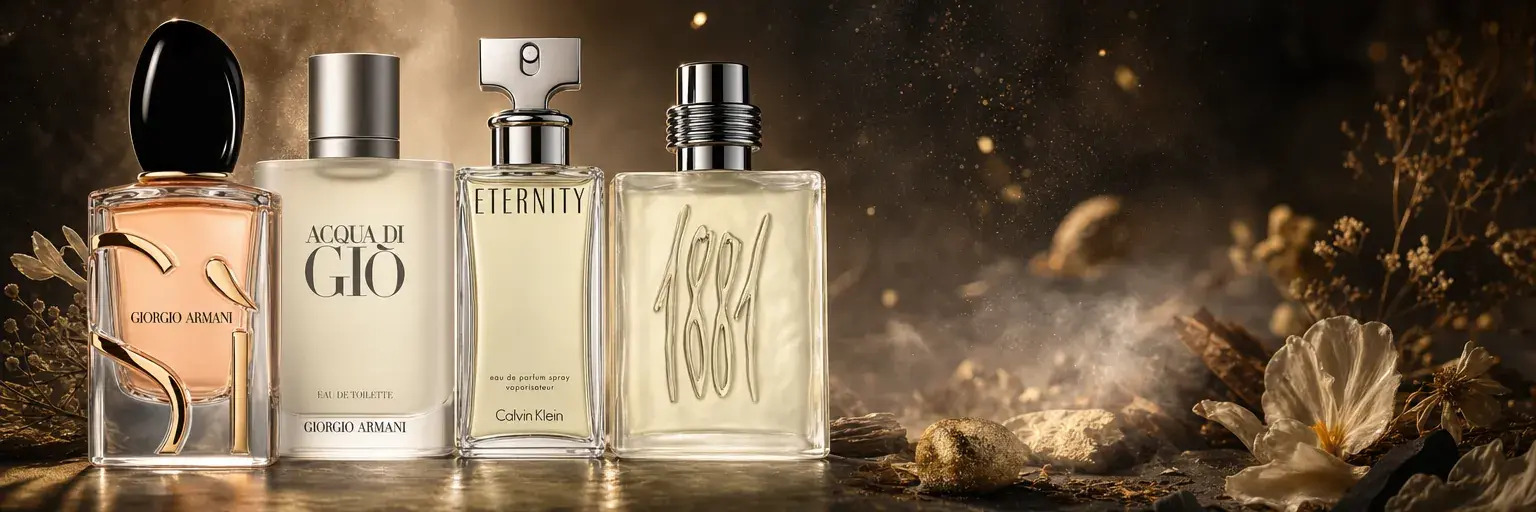
Our selection brings together the references most favoured by Tendance Parfums customers, from among the freesia-note perfumes available on our site. Each product has been chosen on the basis of our buyers' verified reviews and actual sales recorded over the past twelve months. Prices range from 21 EUR to 130 EUR, with a core range between 30 and 55 EUR, giving every budget an entry point. The families represented span pure floral, fruity chypre, musky floral woody and citrus aromatic.
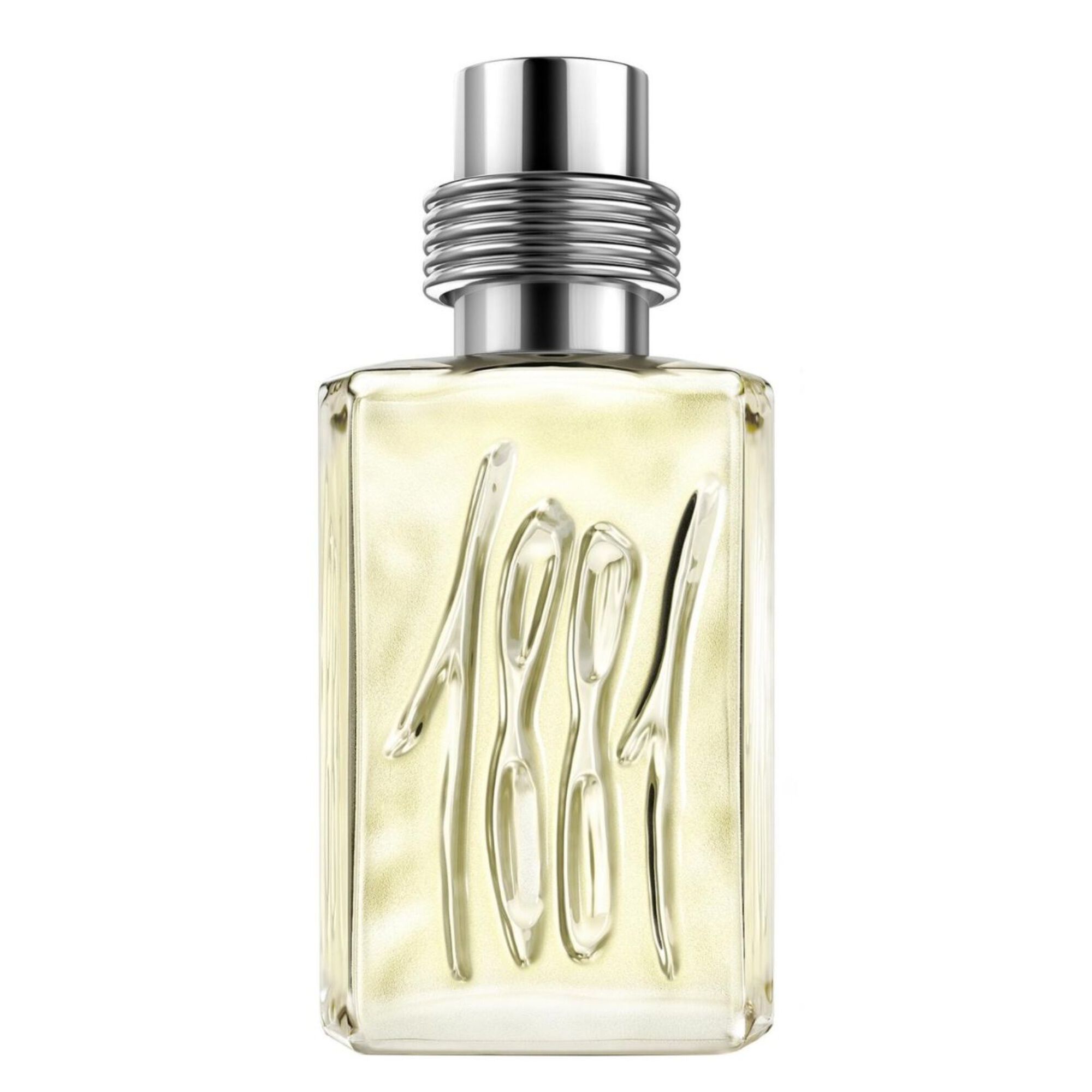
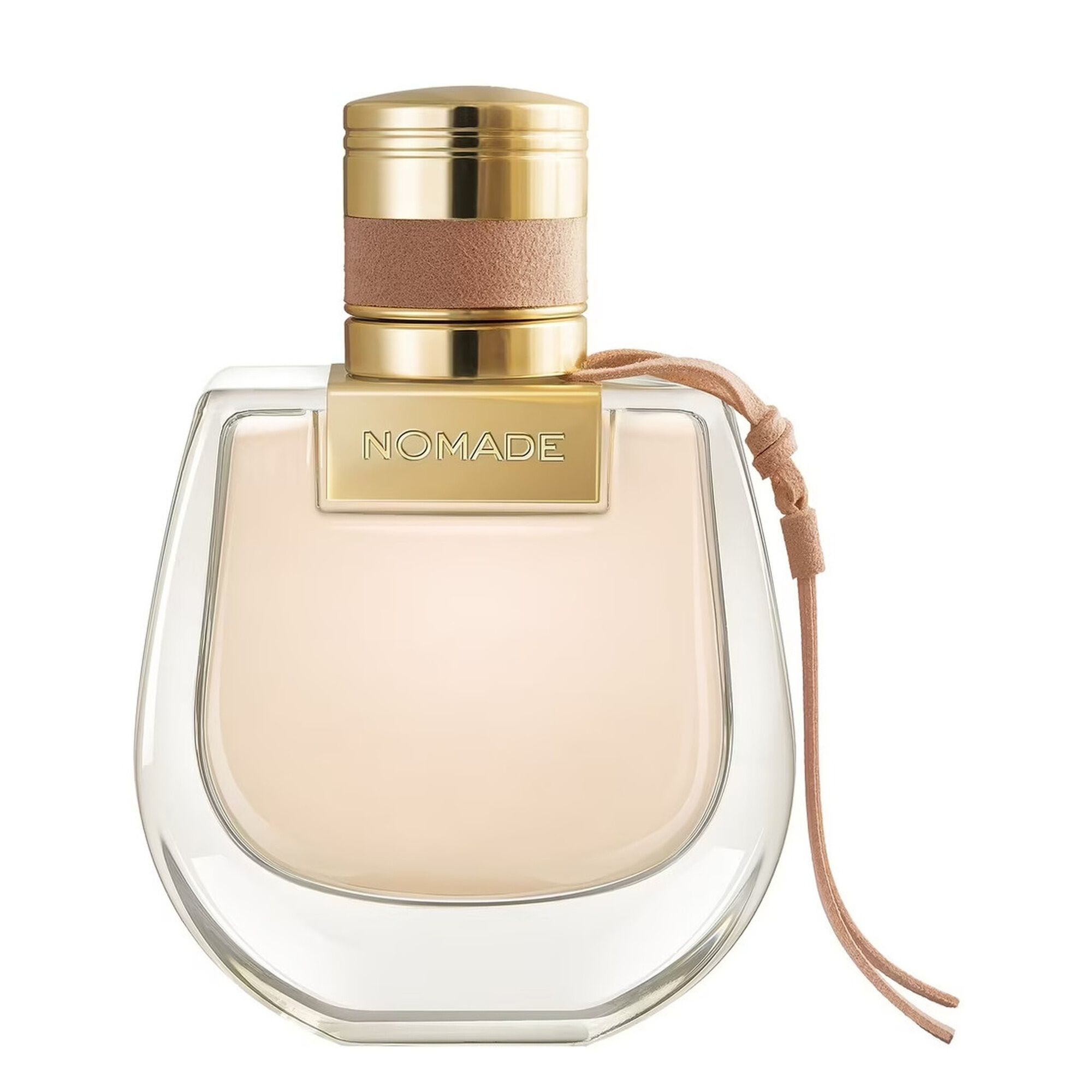
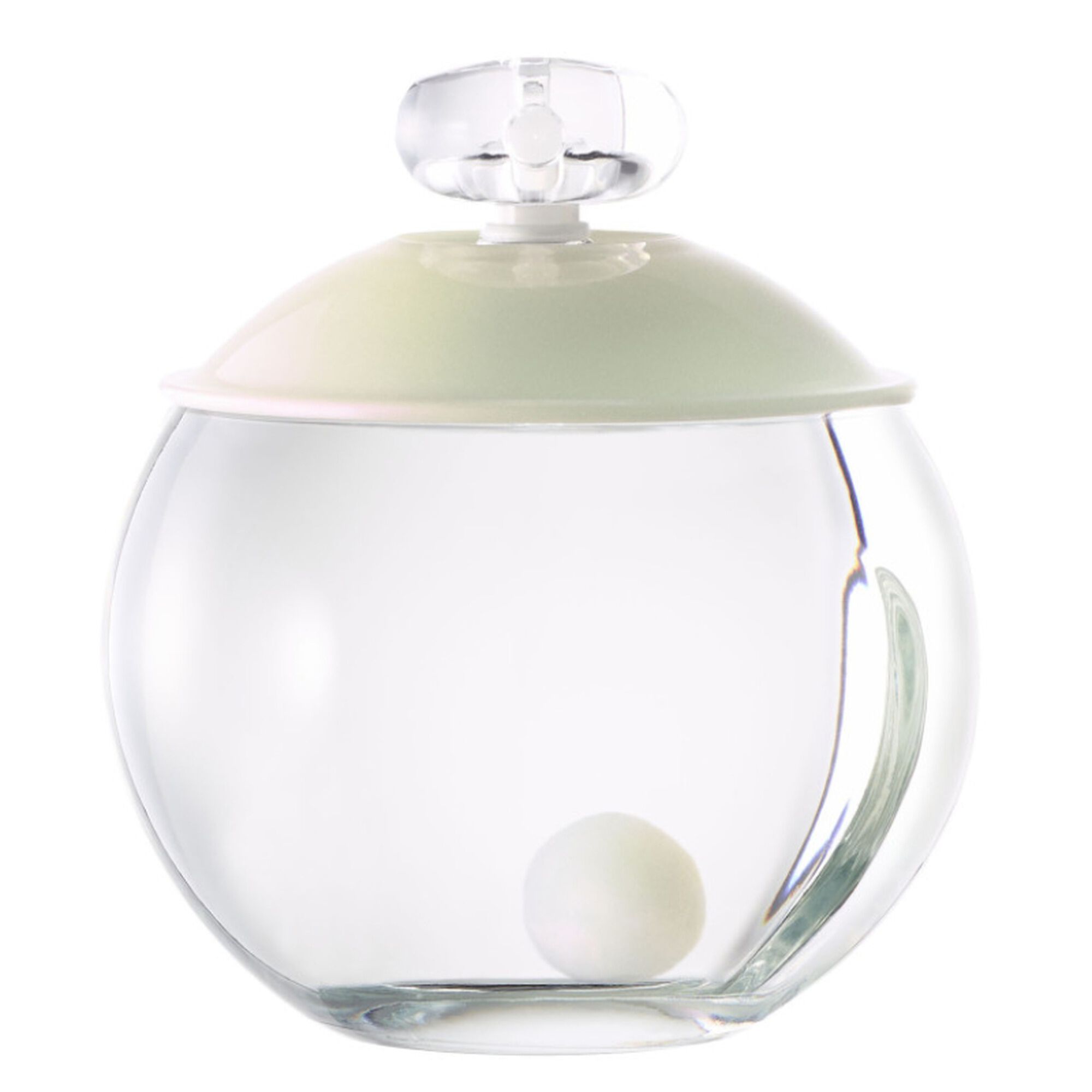
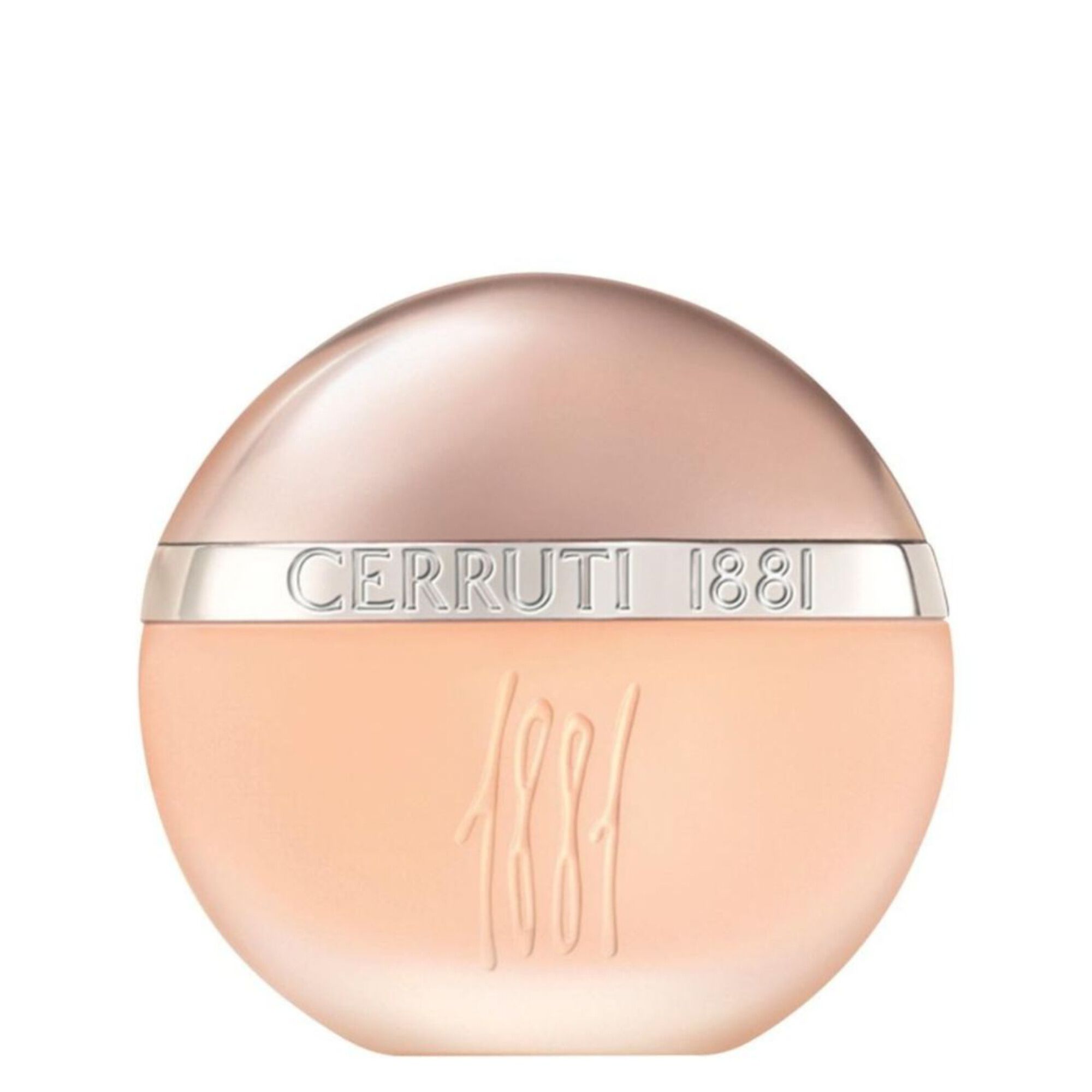
Our featured favourites
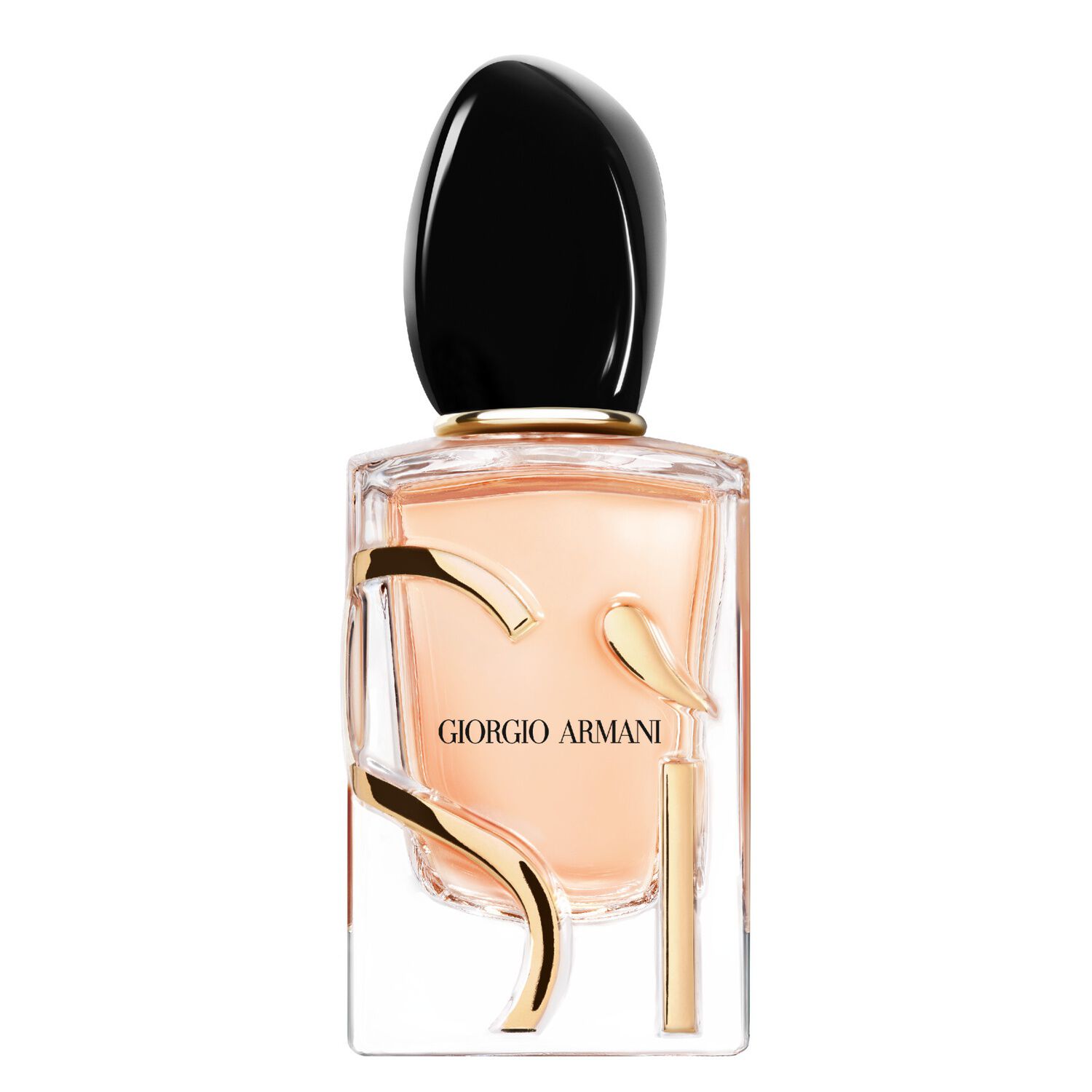
Armani Sì — With a rating of 4.35/5 from 198 verified reviews, Sì is the most purchased freesia reference in our catalogue. Its fruity chypre accord blends freesia, blackcurrant and Rose de Mai over an ambroxan base: the result is both modern and reassuring. One customer sums up its character well: "This perfume smells really good and lasts well on my skin, very pleasant." A safe bet for everyday wear as well as special occasions.
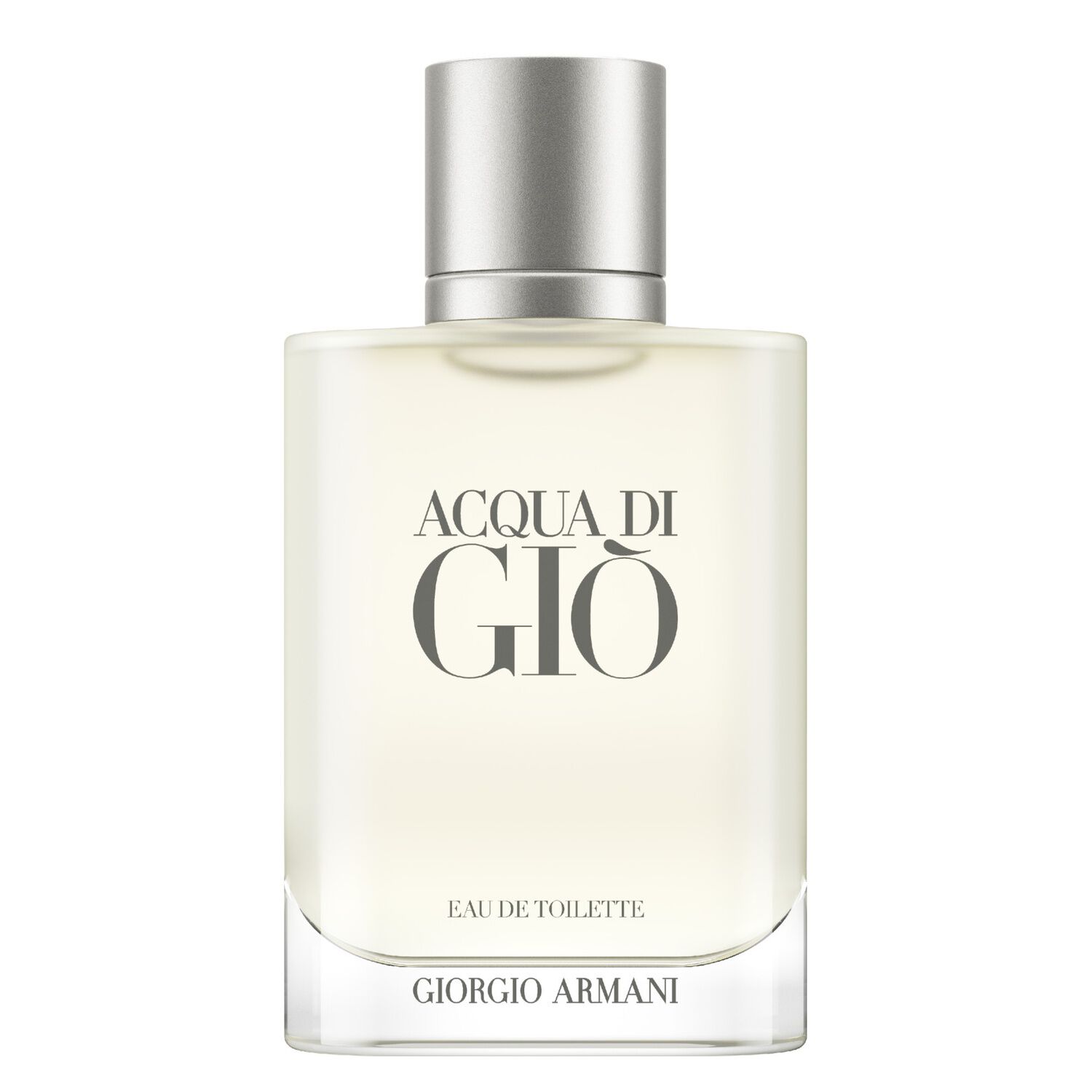
Armani Acqua di Giò — With 4.67/5 from 123 reviews, it is the best-selling parfum in this selection. Although primarily woody and marine, its fruity floral structure includes facets close to freesia in its fresh, clean dynamic. Praised for its consistency, it is particularly suited to men looking for a fresh, elegant fragrance. "very good perfume that I usually buy elsewhere thank you"
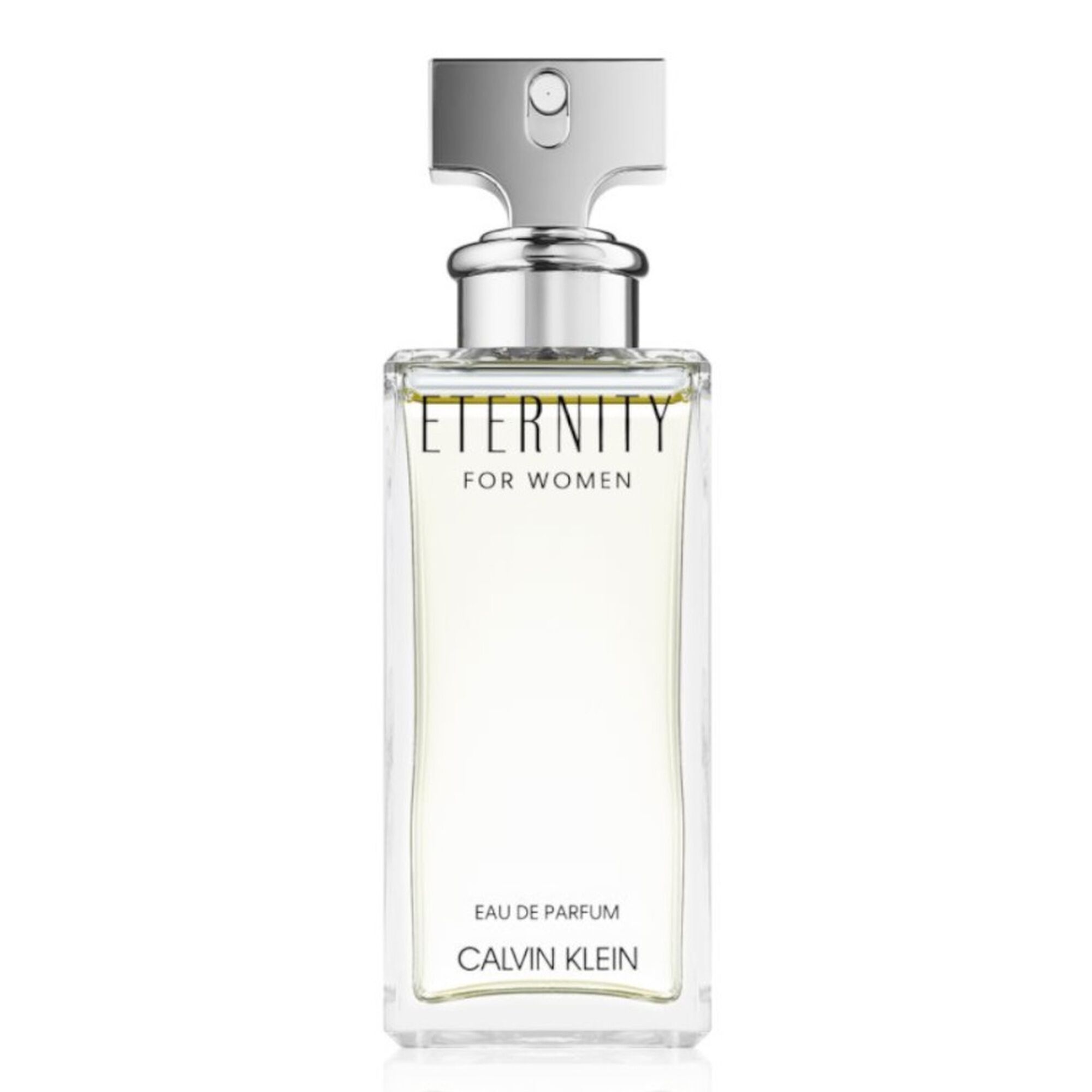
Calvin Klein Eternity — A rating of 4.74/5 from 19 verified reviews for this classic, where freesia is paired with muguet, narcissus and jasmine in a timeless floral. Its customer loyalty is remarkable: "Eternity has been my favourite perfume for 20 years." For those seeking a structured floral, with longevity and depth thanks to a sandalwood base note.
Cerruti 1881 Homme — 4.84/5 from 31 verified reviews for this subtle floral, both fresh and long-lasting. Here freesia is supported by cedar, geranium and orange blossom in a classic composition that is very well received socially. "Eau de toilette less heady than the parfum. Very fresh for summer!" A reliable choice for men who prefer understatement.
Freesia for women, for men: how to choose?
Freesia is above all a floral note, but it fits into very different registers depending on the olfactory context in which it appears.
For women
In women's perfumes, freesia is often paired with fruity notes (peach, blackcurrant, apple), generous florals (rose, jasmine) or a chypre base. The result is a luminous floral, both fresh and silky, suited to everyday wear as well as dressier occasions. Among our best-selling women's references are Armani Sì, Chloé Nomade and Calvin Klein Eternity, three perfumes that each illustrate a distinct facet of the note: fruity-chypre, floral chypre, and classic floral.
For men and unisex
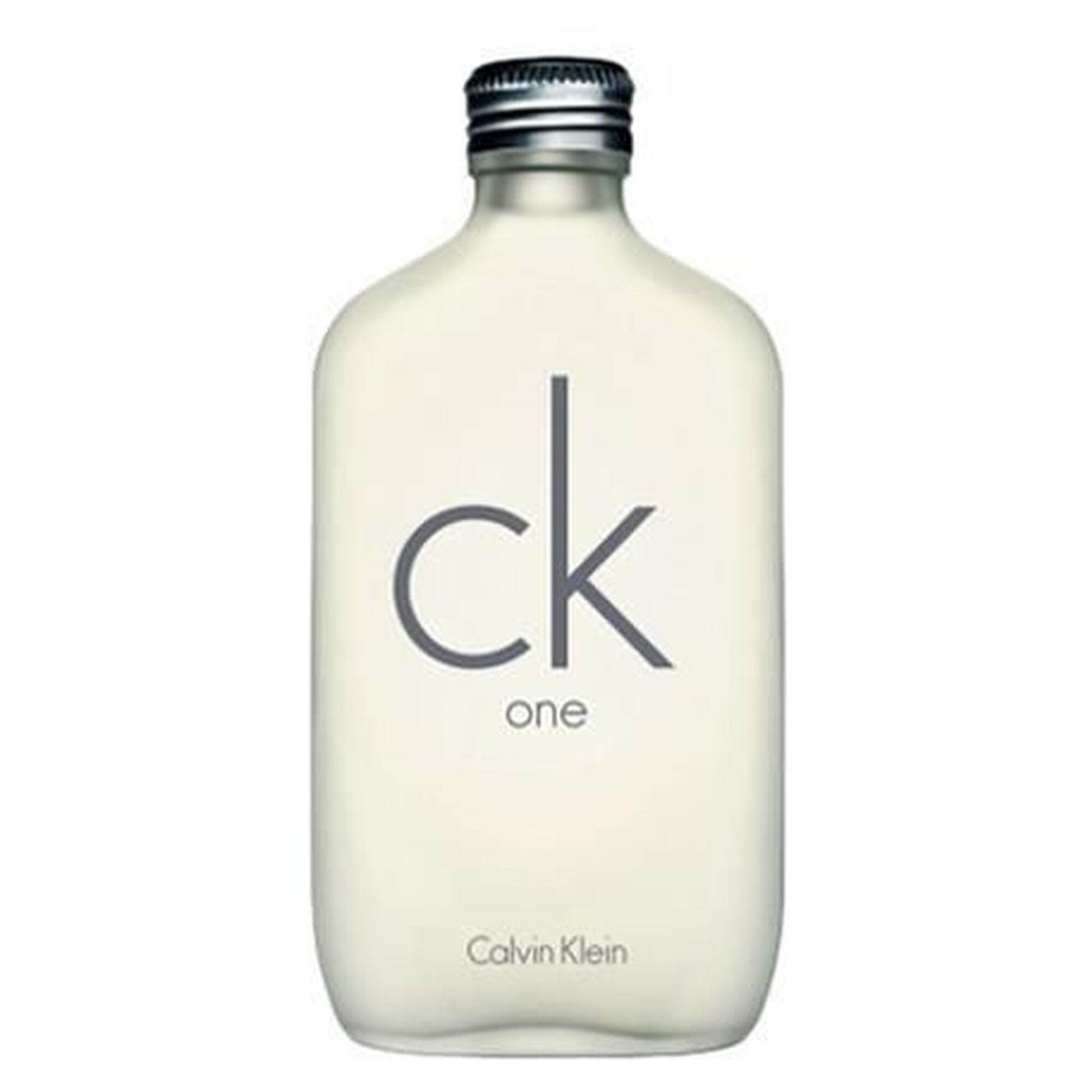
In men's fragrances, freesia appears more discreetly, often diluted within citrus or woody accords. It contributes to the overall freshness without signing the composition on its own. Cerruti 1881 Homme and Calvin Klein CK One illustrate this positioning: freesia here is an airy support rather than a protagonist.
By season and occasion
- Spring and summer: this is freesia's natural season. Light formulations (eau de toilette, floral citrus) flourish fully here.
- Autumn: choose a freesia anchored in a woody or amber base note to hold up in the season's cooler air.
- At the office: fruity florals built around freesia are subtle, socially well-accepted choices.
- In the evening: opt for a freesia-chypre or freesia-sandalwood accord, denser and longer-lasting.
Testing tip
Test freesia on dry skin and wait at least twenty minutes: its fruity or powdery facet reveals itself gradually, and can vary noticeably from one skin to another.
The Tendance Parfums figures
What our own online perfumery data says about the freesia note — figures you won't find anywhere else:
- Perfumes with the freesia note available in our catalogue, from 14 EUR to 130 EUR (core range 32-66 EUR).
- The best seller among our customers over the past 12 months: Armani Acqua di Giò.
- Average rating of our selection: 4.5/5 from 568 verified customer reviews.
- Prices and stock updated continuously; free delivery from 59 EUR of purchases.
Frequently asked questions
What is the best freesia perfume for women? Among our best-selling women's freesia-note perfumes, Armani Sì (4.35/5 from 198 reviews) and Calvin Klein Eternity (4.74/5 from 19 reviews) stand out. The former is fruity chypre and modern; the latter is a classic, long-lasting floral. The choice depends on whether you prefer a contemporary sillage or a timeless floral.
Are there freesia perfumes for men? Yes. Freesia appears in men's and unisex perfumes as a subtle, fresh accord. Cerruti 1881 Homme (4.84/5) and Calvin Klein CK One (4.34/5, 76 reviews) incorporate this note into citrus or light floral compositions, well suited to everyday or summer wear.
Is freesia a note that lasts long on the skin? Freesia is a floral heart note, naturally volatile. Its longevity depends on the materials surrounding it: a woody base note (sandalwood, cedar) or an amber one significantly extends its lifespan. For better longevity, apply the parfum to pulse points — wrists, nape of the neck — and avoid rubbing after application.
What is the difference between freesia and muguet in perfumery? Muguet is greener, slightly milky and very recognisable thanks to molecules such as hedione. Freesia is also fresh but more fruity and slightly powdery. In practice, muguet evokes damp wood and a spring forest, while freesia is more reminiscent of a cut flower placed in a bright room.
What is the price of a good freesia-note perfume? Our selection of freesia-note perfumes starts at 21 EUR (Armani Sì in the entry-level format) and goes up to 130 EUR. The core of our range sits between 30 and 55 EUR, corresponding to well-known references such as Chloé Nomade (31 EUR), Calvin Klein Eternity (46,50 EUR) or Armani Acqua di Giò (53,50 EUR).