
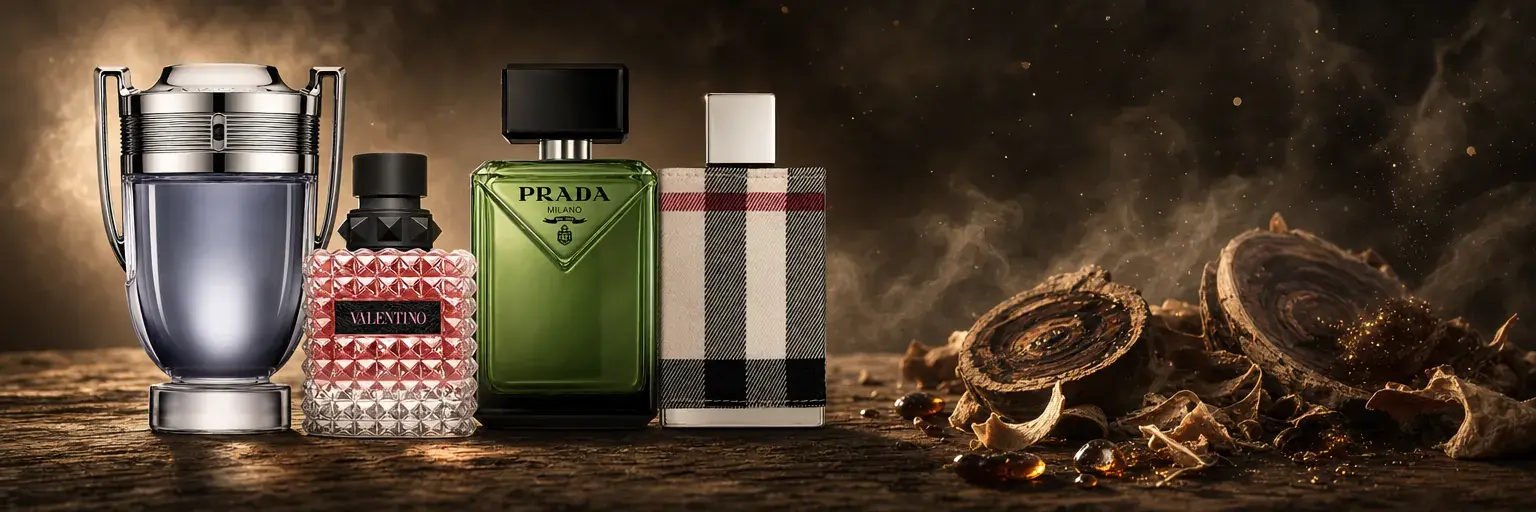
Guaiacwood perfume: buying guide and best fragrances 2026
Guaiacwood is a soft, smoky woody note, extracted from the wood of a tropical tree from Central America. In perfumery, it brings warmth, lightness and a slight pencil-shaving note over a faintly peppery base. It suits both women and men, in compositions ranging from fresh aquatic woody to deep oriental. This guide will help you understand this note and choose the fragrance that suits it best.
The guaiacwood note in perfumery: what is it?
Guaiacwood is a woody note derived from Bulnesia sarmientoi, a subtropical tree found in South America, whose wood and resin provide a prized raw material in perfumery. Its characteristic scent sits between dry, slightly smoky wood, dusty rose and a touch of freshly sharpened pencil, sometimes with a faintly sweet or balsamic base depending on the treatment applied.
Its main olfactory facets:
- Soft, smoky woody : neither harsh nor green, guaiacwood diffuses a dry, enveloping warmth.
- Slightly floral : a very subtle rosy facet that softens the whole.
- Powdery-balsamic : as a base note, it can recall certain resins or sandalwood, without the latter's creamy roundness.
- Slightly peppery : a fine vibrancy that keeps it from ever feeling heavy.
Its place in the fragrance pyramid: guaiacwood is almost always a heart note or base note. It structures the composition without dominating it, ensuring a smooth transition between floral or spicy heart notes and amber or musky base notes.
Its favourite accords: Guaiacwood pairs naturally with marine notes and ambergris for fresh aquatic woody fragrances (as in the Rabanne Invictus flacons), with jasmine, geranium and benzoin for warm woody orientals, or with vetiver, cedar and sandalwood in masculine fougeres or aromatics. It also works just as well with bergamot in the top notes as with patchouli or musk in the base.
A word on regulation: guaiacwood is listed under Appendix II of CITES (Convention on International Trade in Endangered Species); perfumers today predominantly use controlled or synthetic versions — guaiacol — without this affecting the olfactory quality of the formulas.
What are the best fragrances featuring the guaiacwood note?
The selection below brings together ten fragrances from our catalogue in which guaiacwood plays a central or structuring role. Each product was selected on the basis of two objective criteria: verified customer reviews collected on our site and real sales recorded over the past twelve months. Prices range from 22 EUR to 79,50 EUR, covering both first-time purchases and established flacons. Women, men, unisex purchases: every profile will find a suitable option here.

Our favourites, reviewed
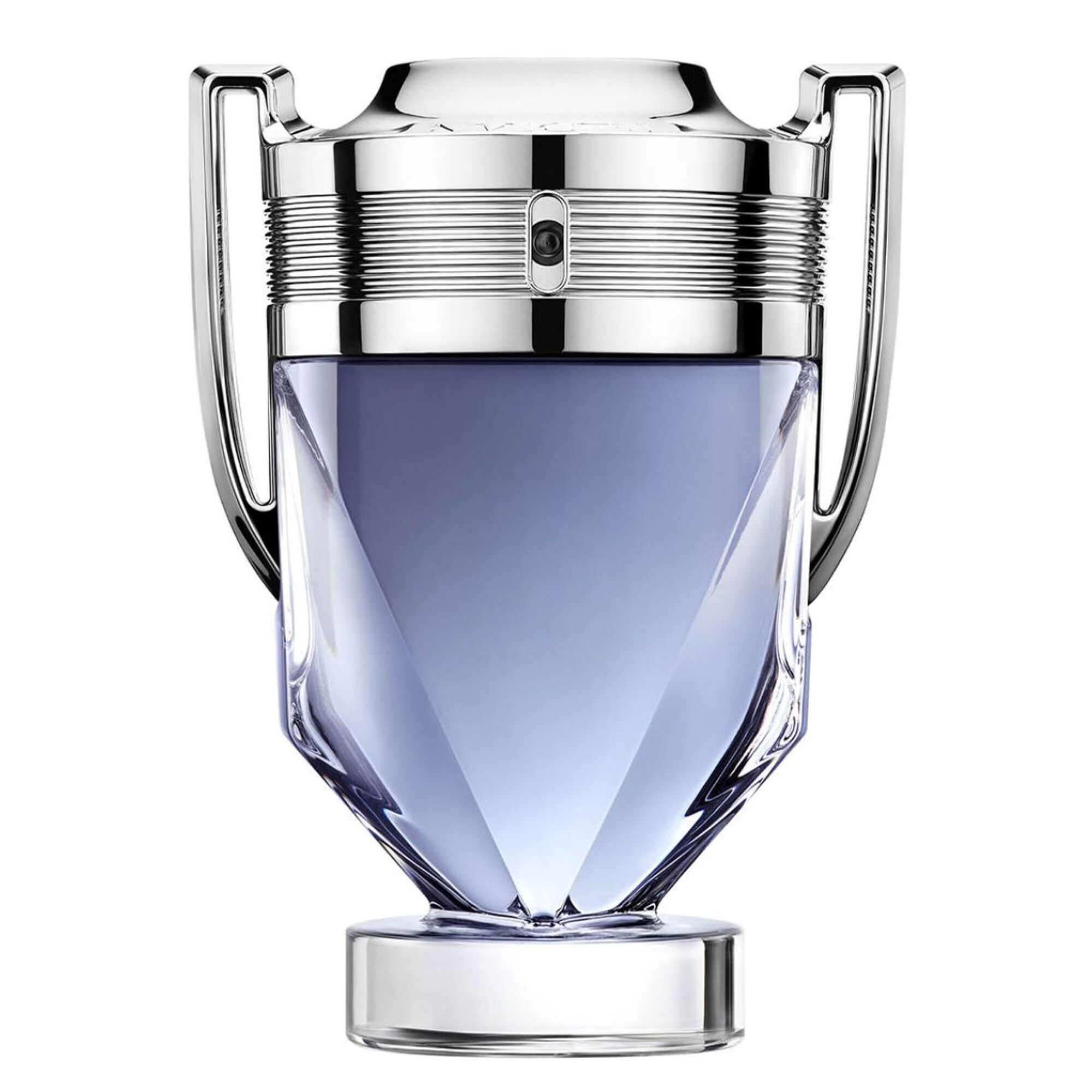
Rabanne Invictus Eau de Toilette — With 78 sales over twelve months and a rating of 4.42/5 from 190 verified reviews, this is the most popular guaiacwood fragrance in our catalogue. Guaiacwood acts here as a subtle framework between sparkling marine notes and warm ambergris, creating a clean, sporty and remarkably versatile sillage. One customer sums it up: "A fragrance my husband loves."
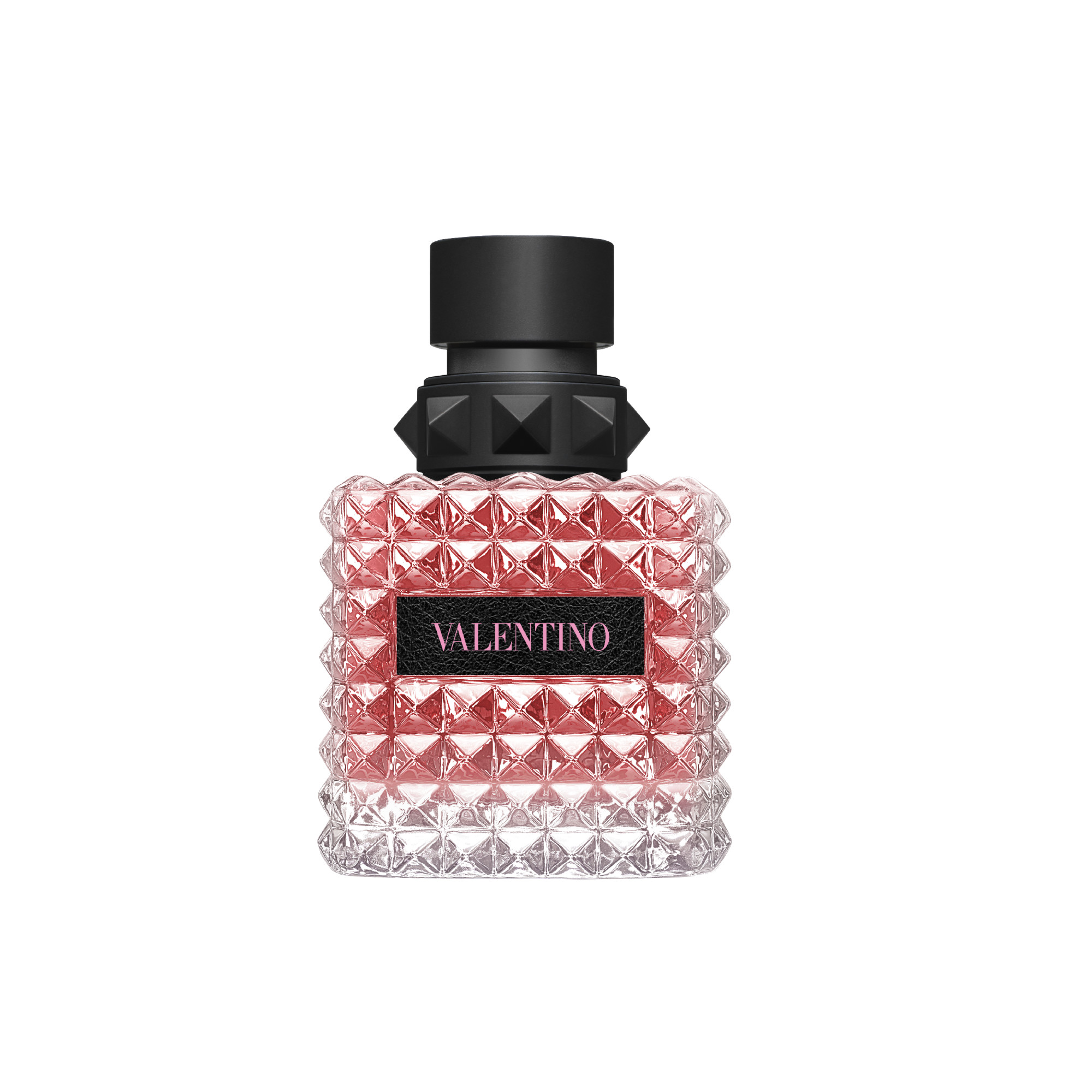
Valentino Donna Born In Roma Eau de Parfum — Available from 22 EUR, this is the ideal entry point into the world of guaiacwood for women, with 50 sales over twelve months and a 5/5 rating. Here, guaiacwood underpins a jasmine-pink pepper heart note over a blackcurrant base, for a modern and addictive floral oriental. One customer confirms: "I only wear this one now, even though I used to switch fragrances often."
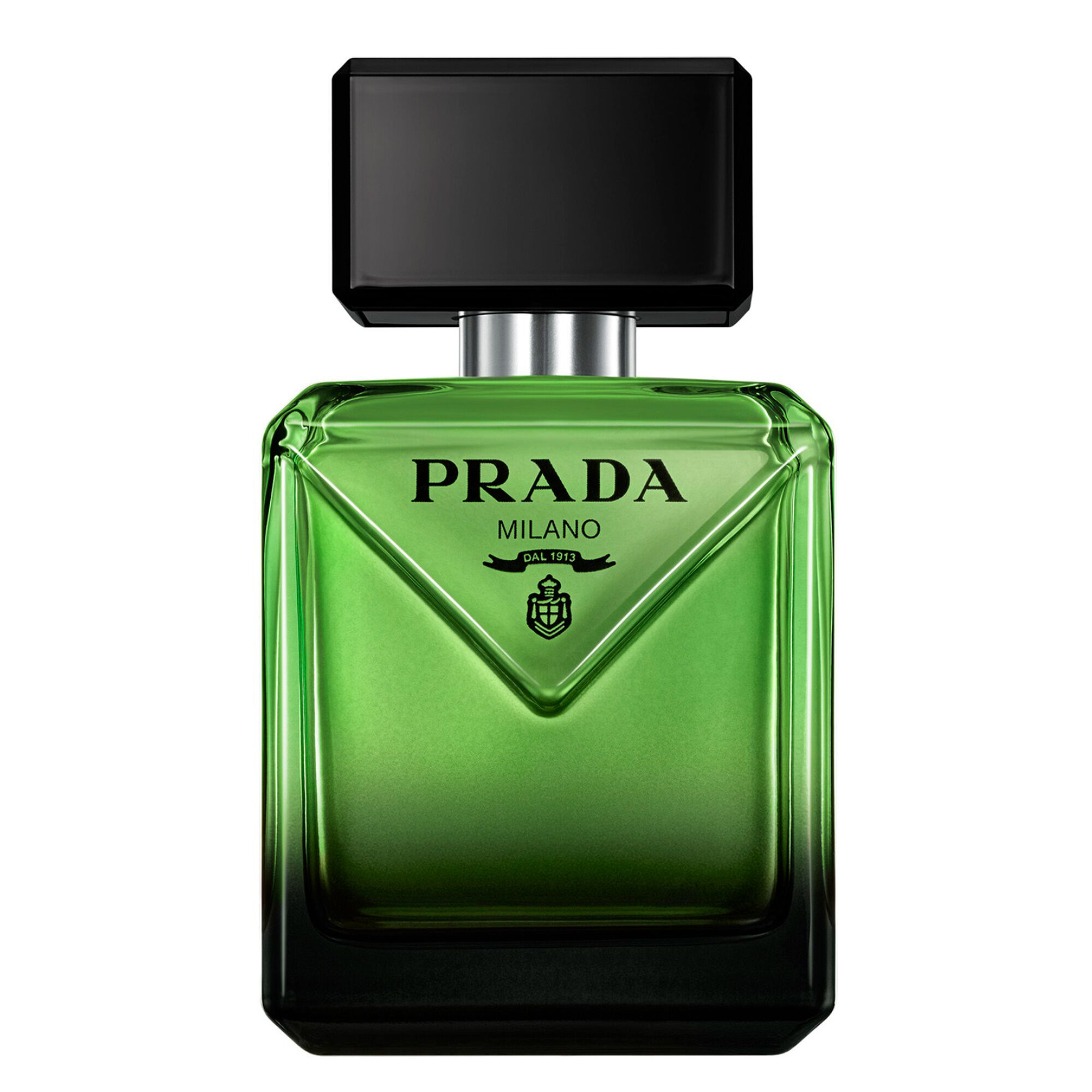
Prada Paradigme Eau de Parfum — 67 sales over twelve months make this flacon the second best-seller in the selection. In this woody oriental, guaiacwood combines with benzoin and Peru balsam for a decidedly warm and sensual result, with a woody-resinous depth that holds up remarkably well through the evening. One buyer simply notes: "This is exactly what I was hoping for."
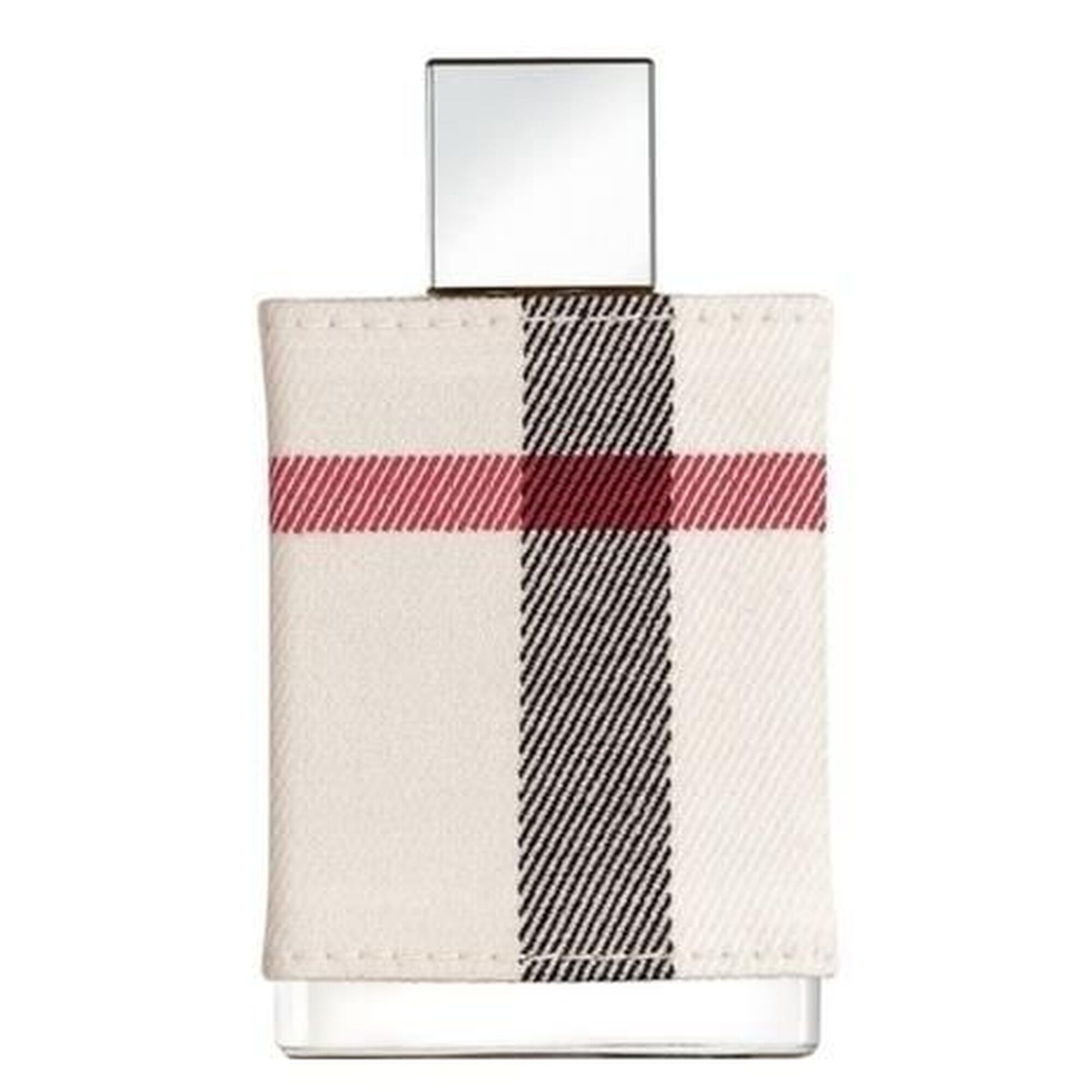
Burberry London pour Femme Eau de Parfum — 40 sales over twelve months and 4.67/5 from 12 verified reviews reflect consistent satisfaction. Here, guaiacwood engages with mimosa, bergamot and a touch of tobacco leather, for a gourmand, understated spicy oriental, perfect as a gift. "I bought it as a Christmas present for my daughter-in-law, so it must mean she likes it."
Guaiacwood for women, for men: how to choose?
Guaiacwood is one of the most versatile notes in contemporary perfumery: its smoky softness makes it just as workable in a feminine composition as in a masculine fougere or a unisex oriental.
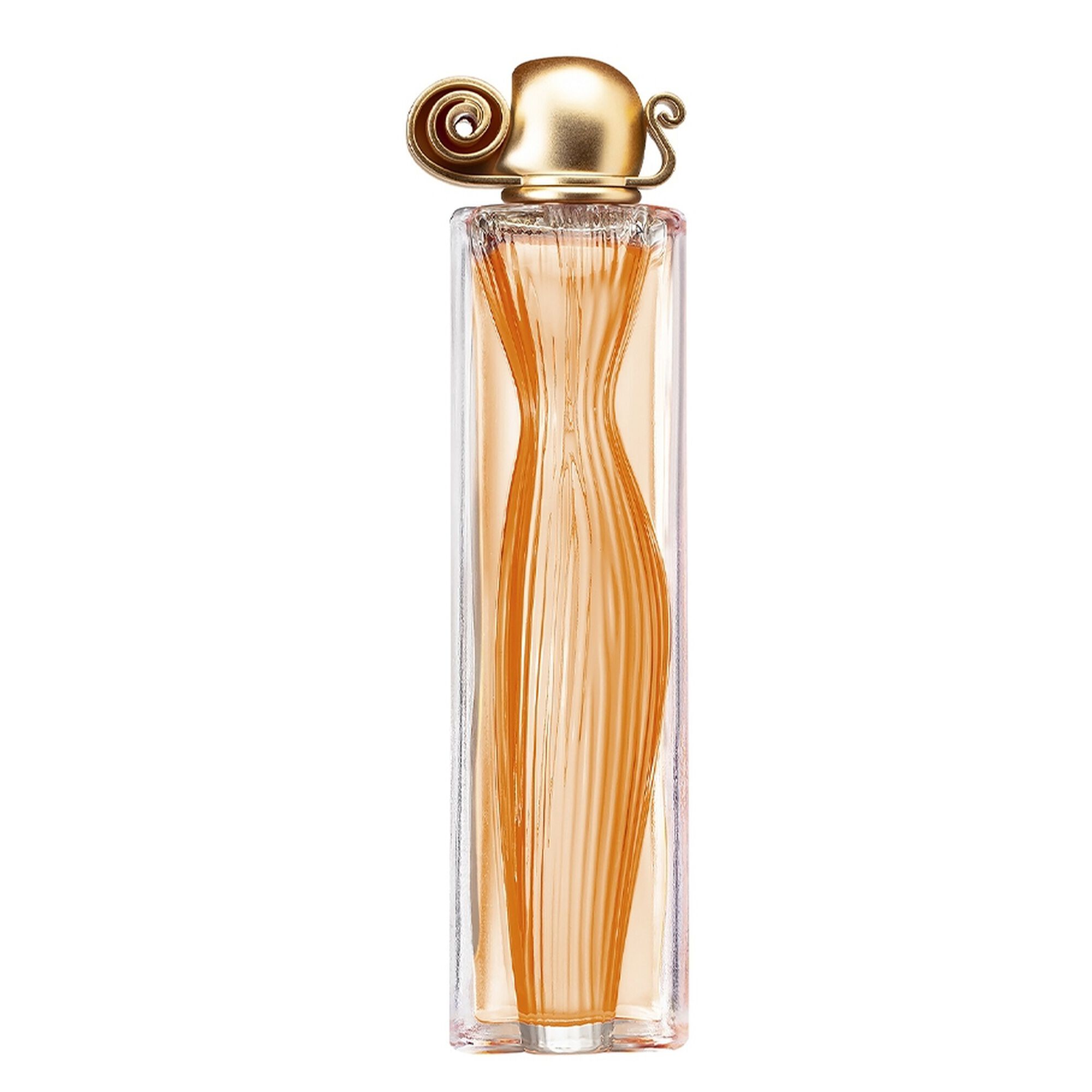
For women, it most often appears in floral or spicy oriental families. Paired with bergamot, jasmine or blackcurrant — as in Valentino Donna Born In Roma — it brings a warm foundation to bright floral heart notes. In Burberry London pour Femme, it engages with mimosa and leather for a smoother, more enveloping result, ideal for autumn and winter. Givenchy Organza places it within a more classic floral oriental, rich and long-lasting on the skin.
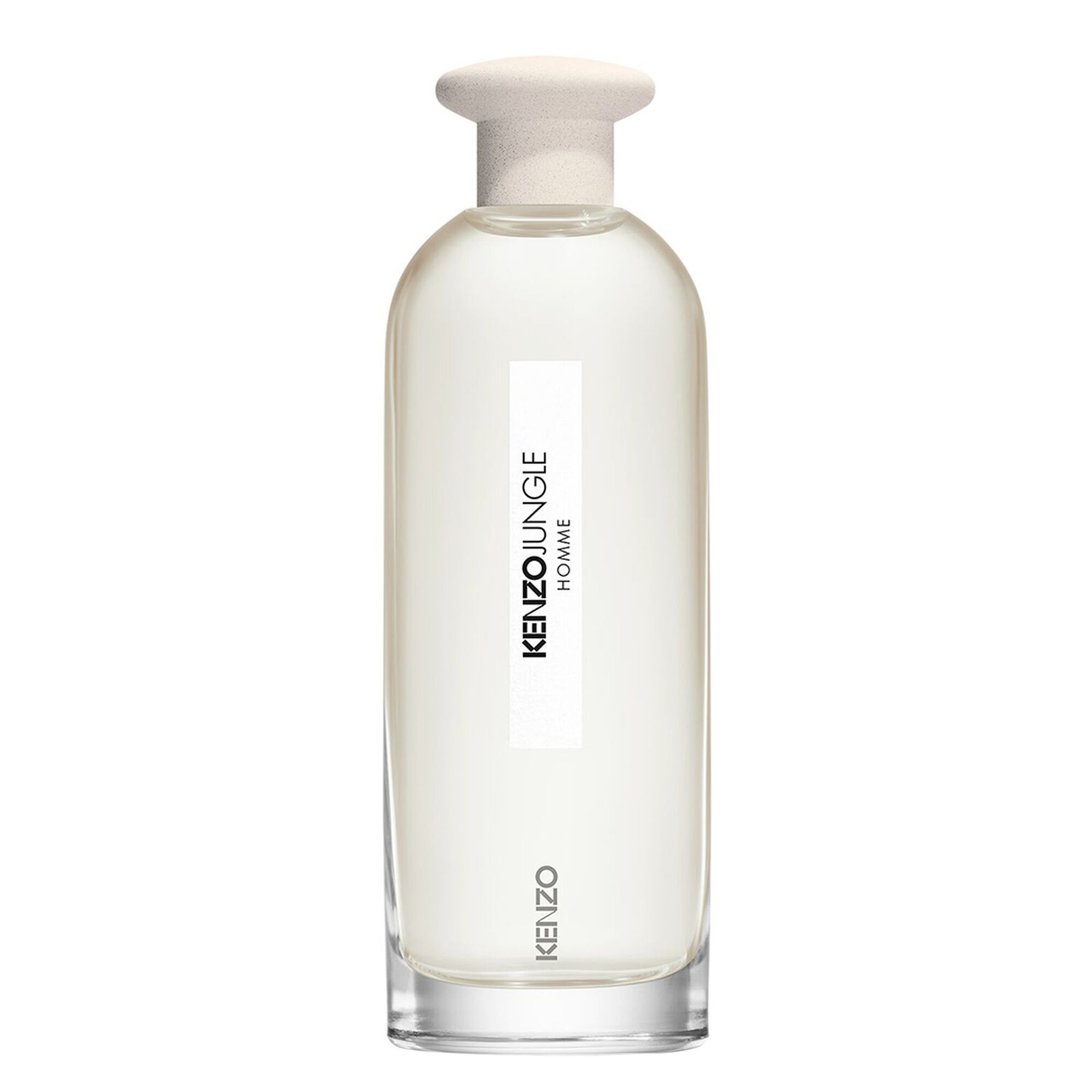
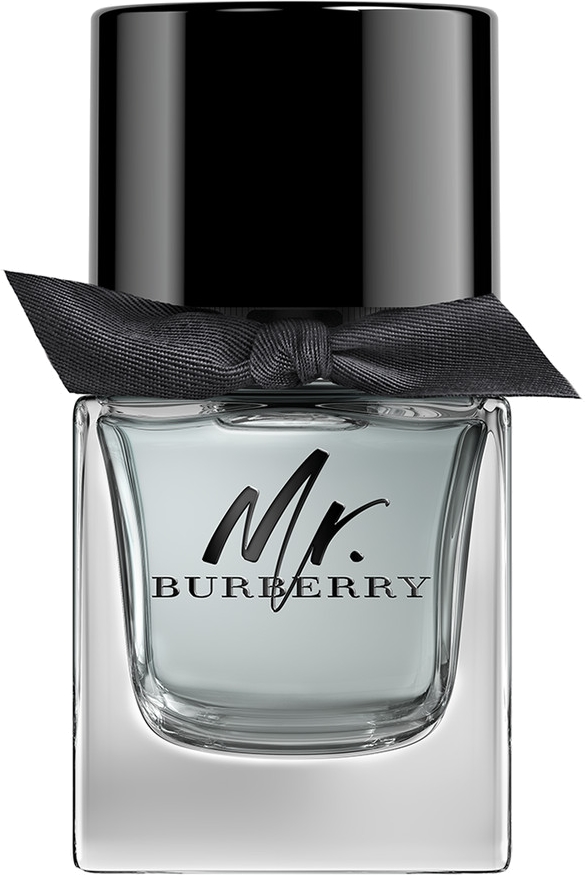
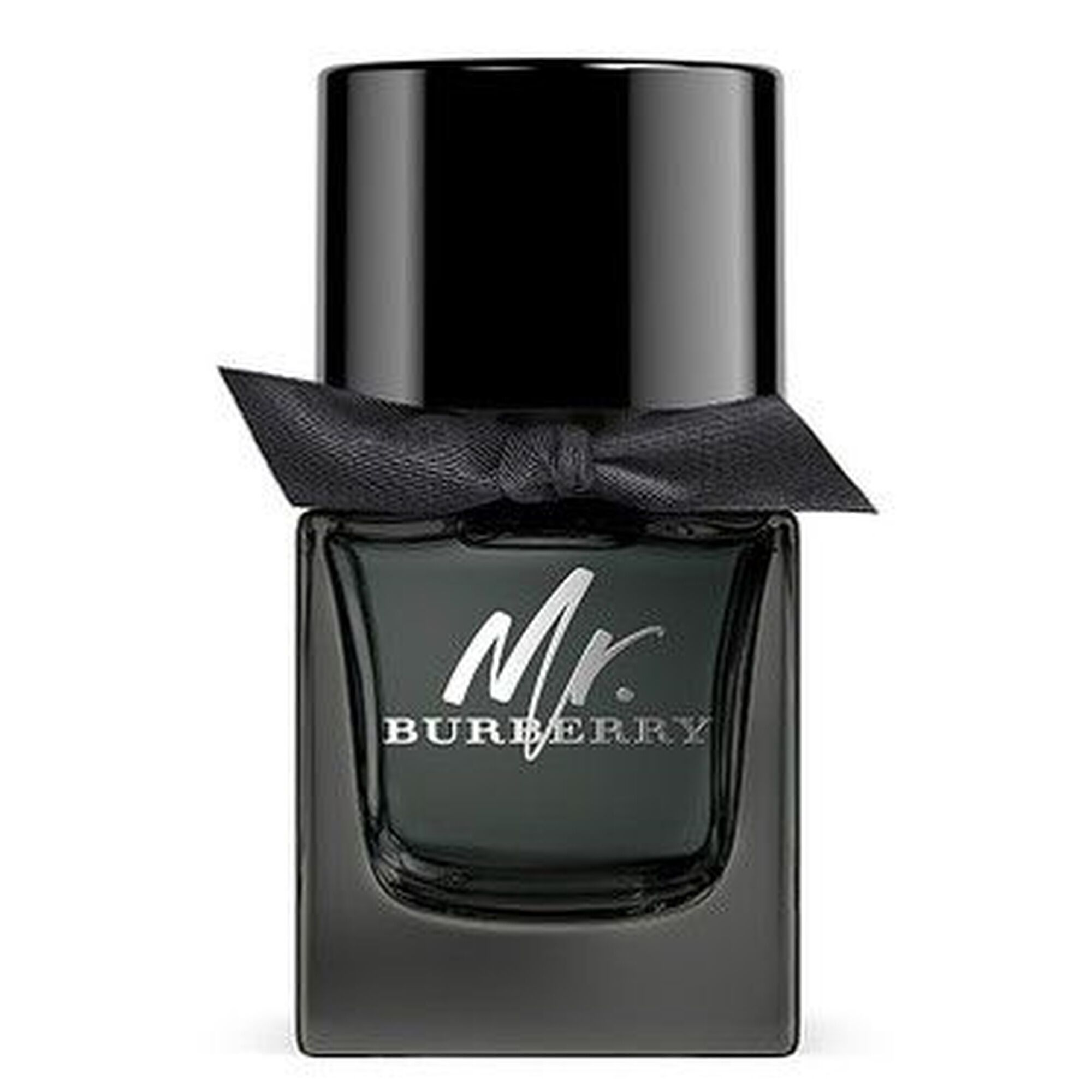
For men, guaiacwood shifts towards aromatic woody or aquatic woody registers. In both versions of Rabanne's Invictus, it pairs with ambergris and marine notes for a fresh, sporty result that can be worn all year round. Mr. Burberry combines it with vetiver, sandalwood and birch leaf for a more earthy, sophisticated aromatic woody, perfect for the office or a relaxed evening. Kenzo Jungle Homme makes it a central note in a more exotic spicy woody.
Practical tips for trying it out:
- If you enjoy fresh, sparkling woody fragrances, start with an aquatic version (Invictus EDT).
- If you're after warmth and depth, head towards woody orientals (Prada Paradigme, Valentino Born In Roma).
- Always test the fragrance on your skin: guaiacwood reacts to body warmth and can come across as more or less smoky depending on your skin chemistry.
- In summer, favour light, aquatic formulas; in autumn-winter, spicy or balsamic woody fragrances last longer and are more enveloping.
The Tendance Parfums figures
What our own online perfumery data tells us about the guaiacwood note — figures you won't find anywhere else:
- 14 fragrances featuring the guaiacwood note available in our catalogue, from 22 EUR to 80 EUR (core range 46-62 EUR).
- The best-seller among our customers over the past 12 months: Rabanne Invictus (78 sales).
- Average rating for our selection: 4.5/5 from 238 verified customer reviews.
- Prices and stock updated continuously; free delivery from 59 EUR of purchases.
Frequently asked questions
What does guaiacwood smell like in perfumery? Guaiacwood has a soft, slightly smoky woody scent, with facets of dusty rose, freshly sharpened pencil and sometimes a subtle balsamic base. It is less creamy than sandalwood, less earthy than vetiver: its dry, warm character makes it a very versatile wood in perfumery.
Is guaiacwood suitable for women's fragrances? Yes, guaiacwood is widely used in women's fragrances, particularly floral and spicy oriental families. It provides a warm foundation for floral (jasmine, mimosa, rose) or fruity (blackcurrant, bergamot) heart notes. Concrete examples in our selection include Valentino Donna Born In Roma, Givenchy Organza and Burberry London pour Femme.
Can you find a home fragrance or candle with guaiacwood? Guaiacwood is indeed used in home fragrances and scented candles for its smoky woody warmth and long-lasting diffusion. Our catalogue focuses mainly on eaux de parfum and eaux de toilette featuring this note, but the guaiacwood-amber accord works particularly well in home fragrance formats, especially in autumn and winter.
What is the difference between guaiacwood and oud? Guaiacwood and oud are two very different woody notes. Oud (agarwood) is deep, animalic, sometimes medicinal, with a strong and long-lasting presence. Guaiacwood is much softer, drier and slightly smoky, with no animalic component. Kenzo Jungle Homme pairs guaiacwood with amber in a more understated register than oud-based fragrances.
Which season is best for wearing a guaiacwood fragrance? Guaiacwood adapts to all seasons depending on the composition surrounding it. In a fresh aquatic or aromatic accord (like Invictus EDT), it suits spring and summer. Paired with benzoin, patchouli or amber (as in Prada Paradigme), it is better suited to autumn and winter, where its dry warmth can fully express itself.