
Akigalawood parfum: complete guide to the note
Akigalawood is a woody note of natural origin, drawn from an African shrub, prized in perfumery for its dry warmth, subtle animalic quality and understated depth. It suits lovers of honest woods as much as those curious about rare raw materials. This guide explains what this note is, how it blends, who it suits, and how to wear it day to day.
The Akigalawood note in perfumery: what is it?
Akigalawood is a natural raw material extracted from Ozoroa insignis, a shrub or small tree native to sub-Saharan Africa. The olfactory note derived from it stands out for its resolutely woody, dry and slightly smoky profile, with subtly animalic or leathery nuances that give it a truly distinctive character within the contemporary perfumer's palette.
On the sensory level, Akigalawood is neither a lactic nor a creamy wood like sandalwood; it leans closer to dry, rugged woods, with an earthy dimension that sometimes recalls vetiver or Guaiacwood, without exactly replicating them. Some detect a faint peppery note on opening, before the characteristic dry warmth settles in for the long haul.
In terms of its position within the fragrance pyramid, Akigalawood expresses itself primarily as a heart note and base note. Its moderate volatility allows it to unfold gradually on the skin, once the top notes have dissipated, contributing to the longevity of the composition. It structures a fragrance without weighing it down, making it a precious material for compositions with contemporary ambitions.
The note is enjoying growing interest from perfumers seeking to refresh the woody vocabulary, often dominated by more familiar materials. Its relative rarity also lends it niche appeal, frequently found in artisanal or luxury perfumery segments seeking the originality of African raw materials.
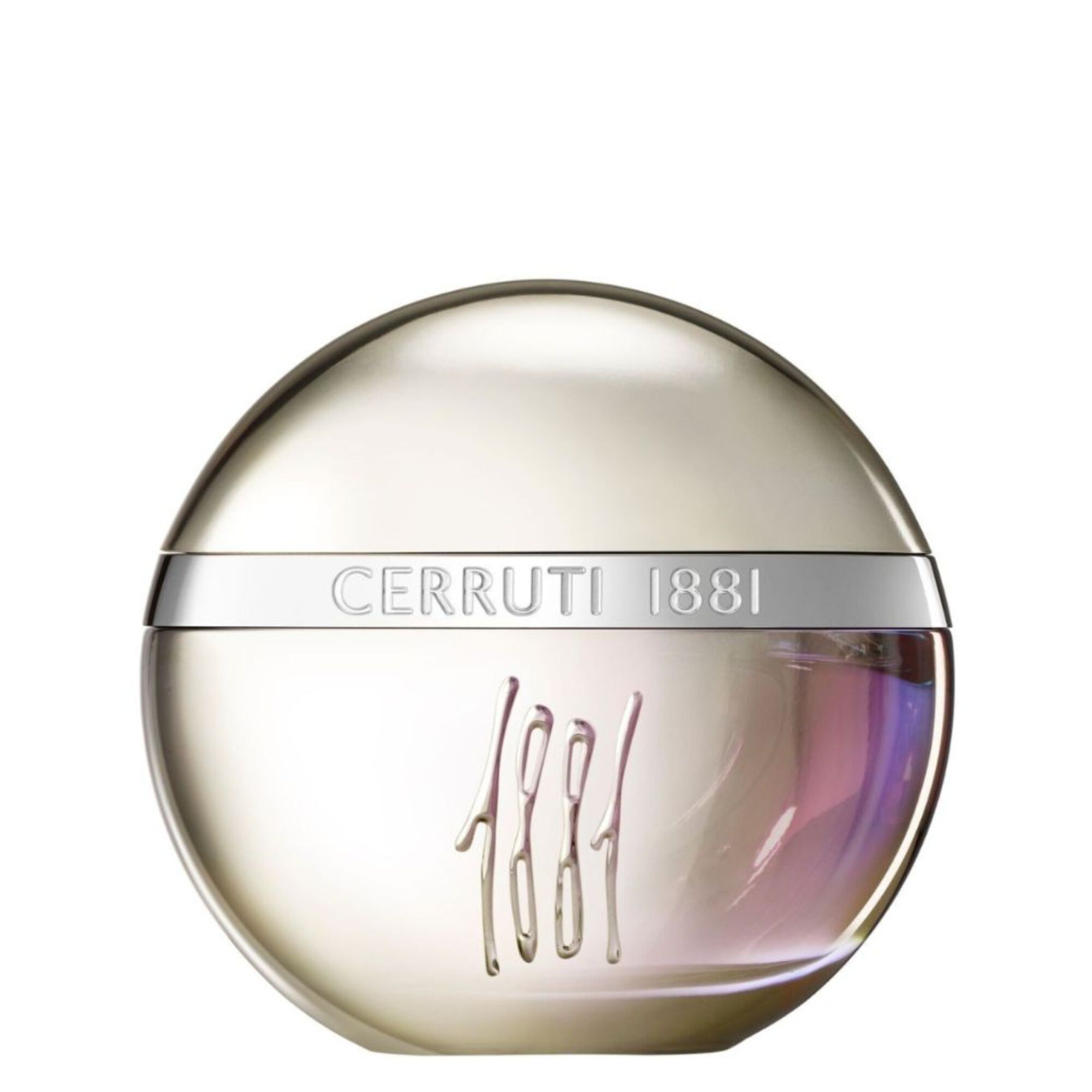
Akigalawood fragrances in our catalogue
Our selection below is updated continuously according to stock and new arrivals.
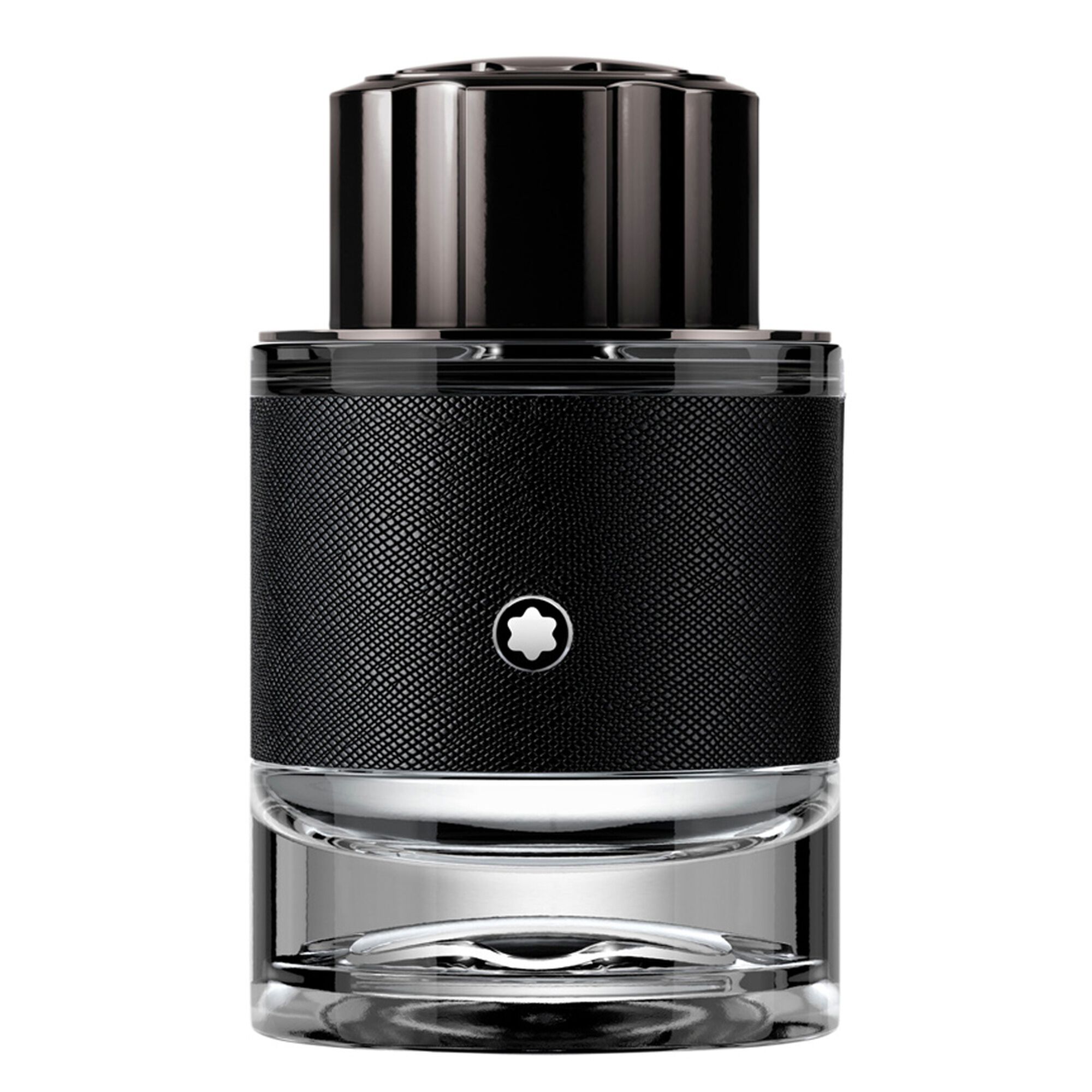

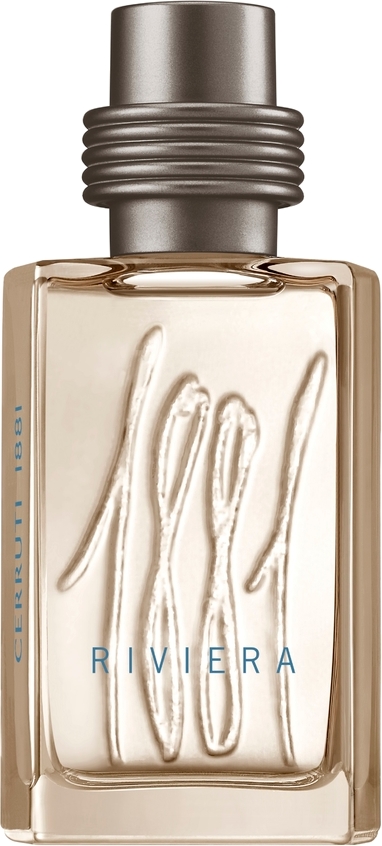
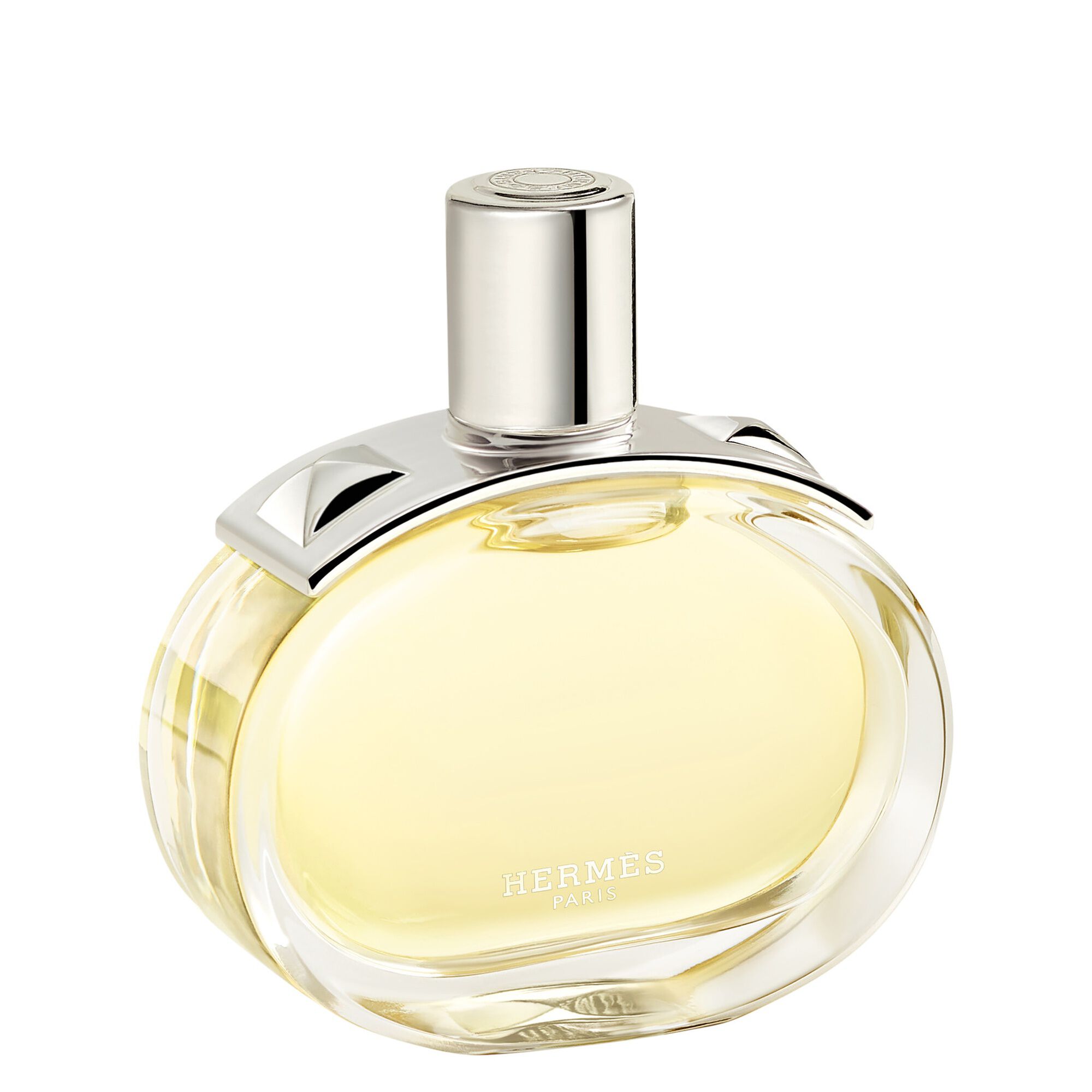
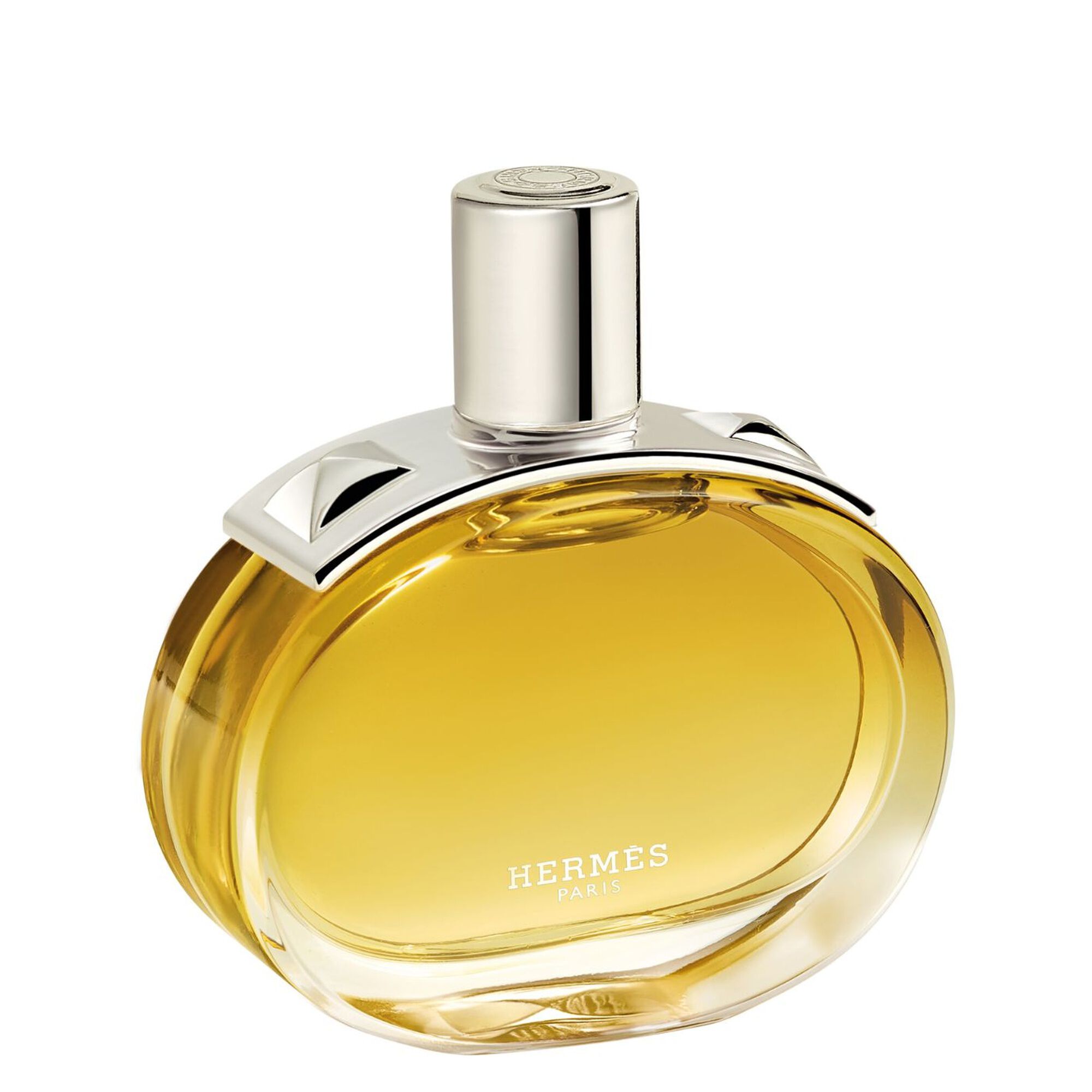
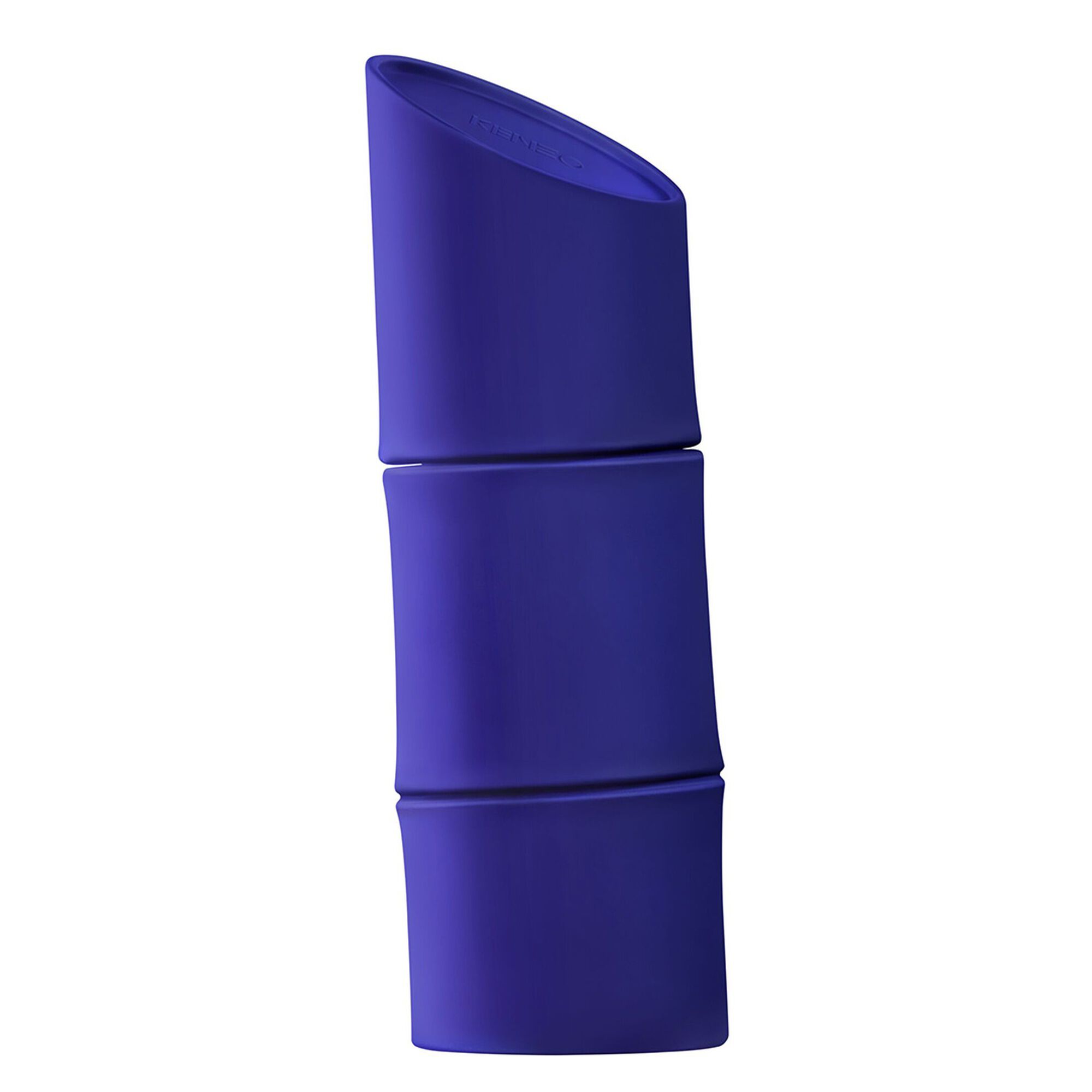
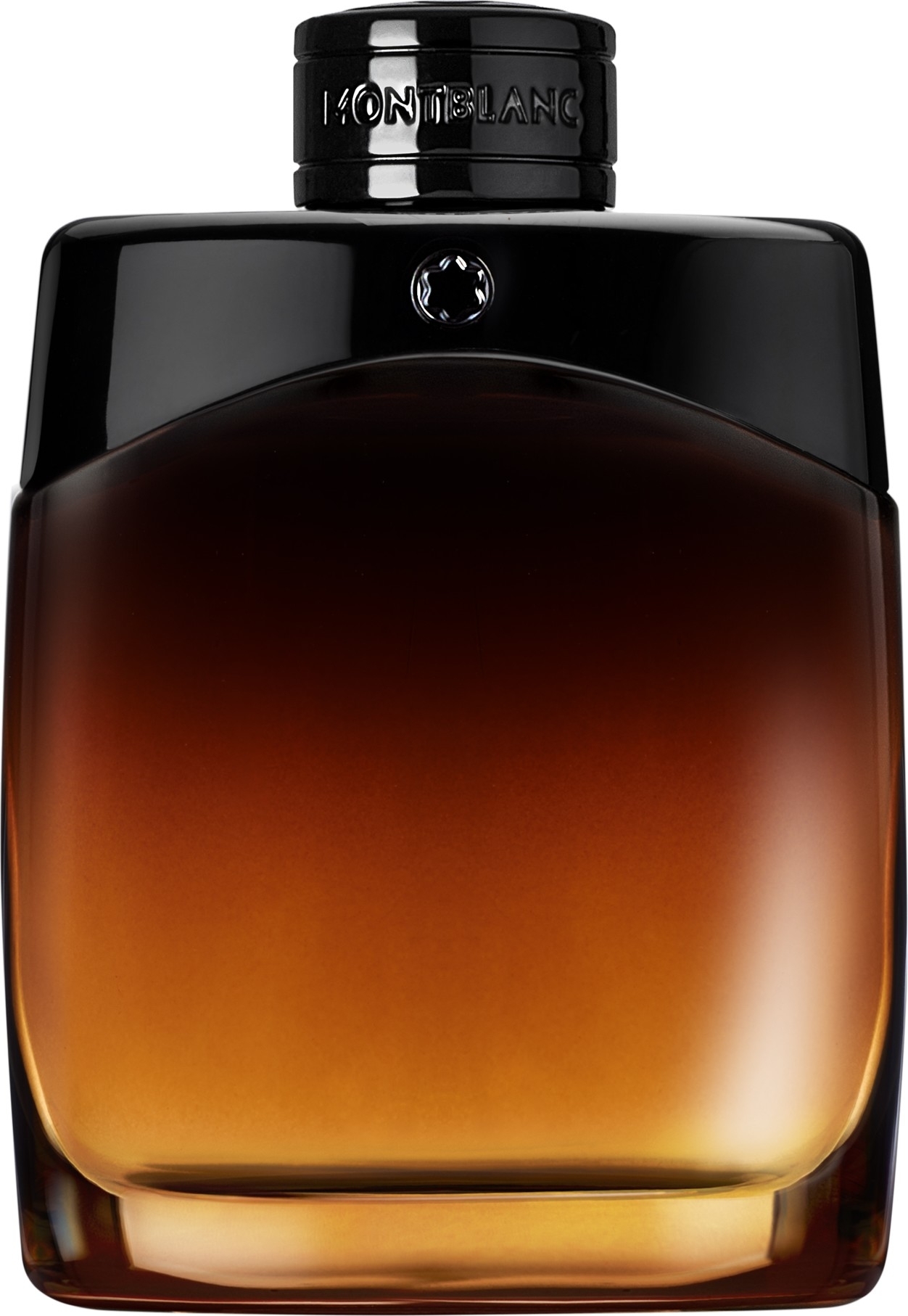
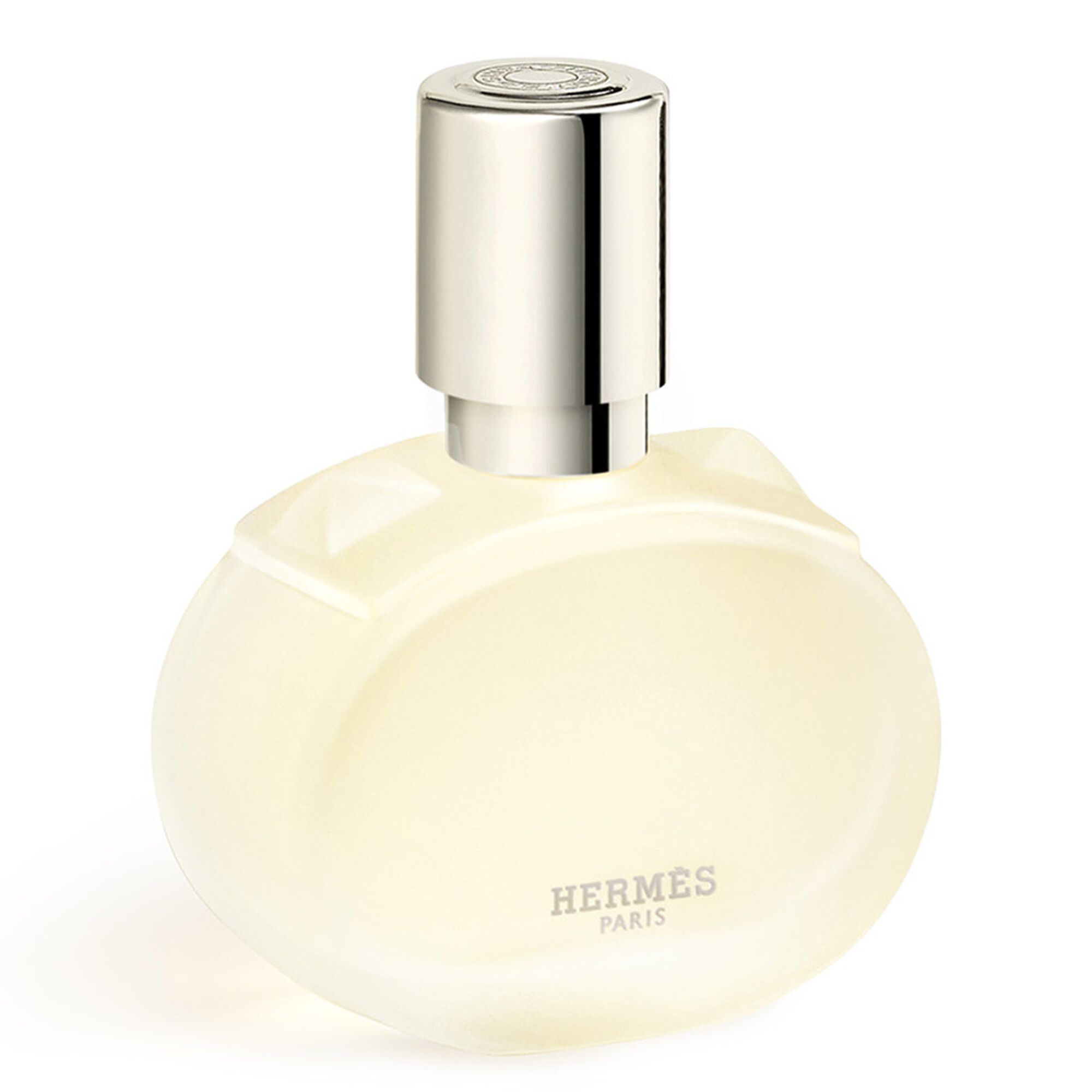
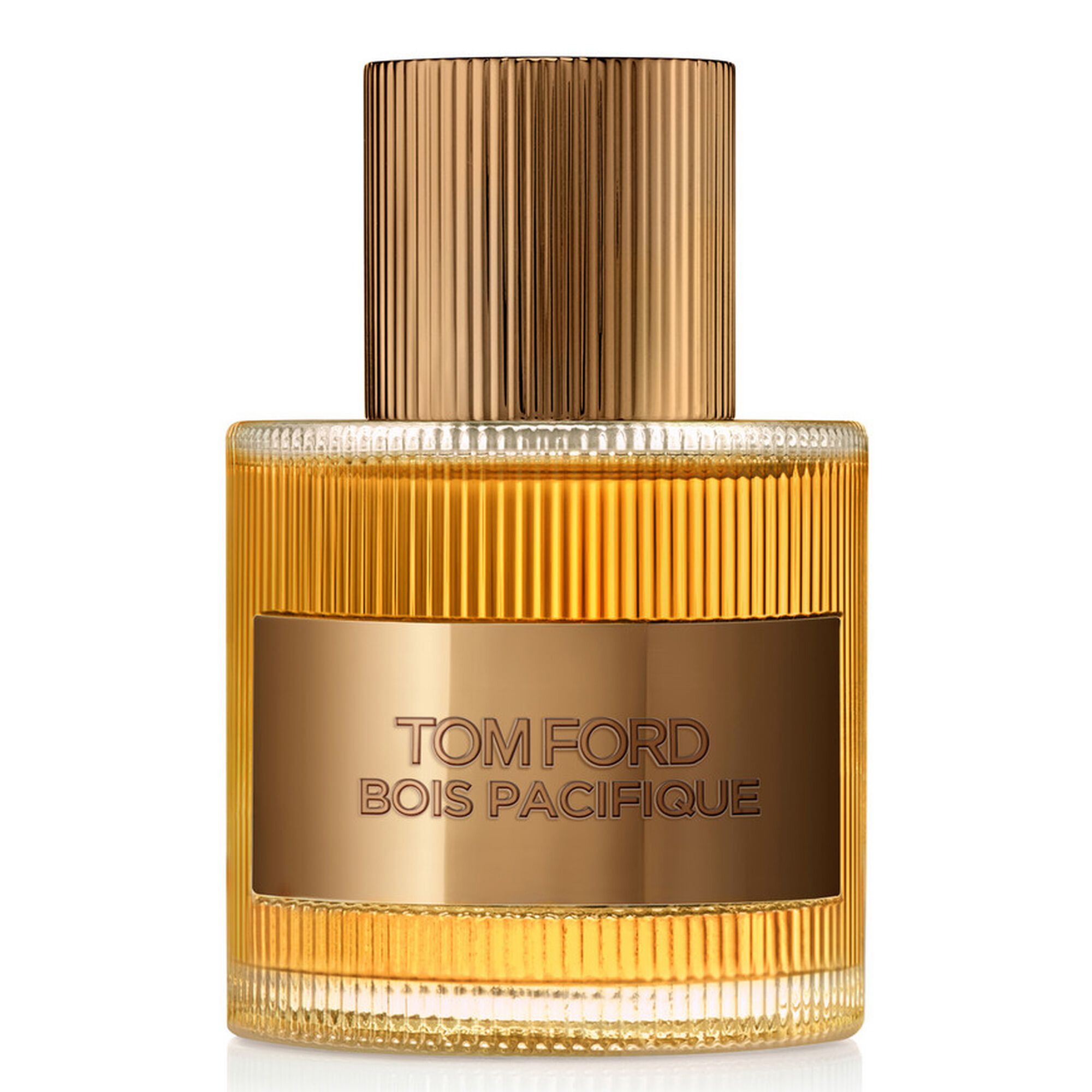
Which notes pair well with Akigalawood?
Akigalawood pairs naturally with woody, oriental and leathery families, where its characteristic dryness finds partners that amplify or balance it.
Woody and smoky accords: paired with cedar or vetiver, Akigalawood heightens the mineral, earthy dimension of a composition. The accord remains understated, almost austere, with a depth well suited to fragrances of character.
Oriental and balsamic accords: combined with benzoin resin, incense or olibanum, it gains in warmth and richness. Akigalawood's subtle animalic quality dialogues well with the amber softness of these materials, creating a rich base without tipping into heaviness.
Spicy accords: black pepper, cardamom or saffron reveal the note's slightly peppery, dry facets, in a pairing reminiscent of the great Middle Eastern perfumery traditions.
Discreet floral accords: some perfumers pair it with rose or geranium to introduce contrast: the animalic warmth of Akigalawood cuts against floral vibrancy, producing an interesting, modern olfactory tension.
To avoid, on the other hand: overly aquatic or excessively hesperidic accords, whose volatile freshness clashes with the natural density of this base note.
Akigalawood for women, for men: how to choose?
Akigalawood belongs to no particular gender: its dry, animalic nature makes it a note traditionally more present in masculine or unisex compositions, but it also finds its place in contemporary feminine perfumery that embraces materials with character.
In men's fragrances, Akigalawood plays a structuring role. Paired with leather notes, dry spices or resins, it produces compositions that are both virile and refined, with a warm skin signature. If you appreciate honest woods and lasting base notes, this note will suit your profile.
In women's fragrances, Akigalawood often appears as a counterpoint: a rose or delicate flower set upon this woody, faintly animalic foundation creates a sophisticated contrast effect. This approach will appeal to women who prefer fragrances with presence, as opposed to light florals.
In unisex compositions, this is often where the note expresses itself most freely. Non-gendered fragrances exploit its apparent neutrality to create olfactions that adapt to each individual's skin, the result varying according to skin chemistry.
Practical tip: always test Akigalawood on skin, not just on a blotter. Its animalic dimension expresses itself in a very personal way depending on body warmth, and a few minutes are enough to assess whether the accord truly suits you.
How to wear an Akigalawood parfum?
A parfum centred on Akigalawood is ideally worn in autumn and winter, seasons when the warmth of the dry wood is pleasantly enveloping and the cold helps to contain its diffusion without extinguishing it. In spring, it remains relevant for cool evenings; in summer, favour a more moderate application.
Occasions: this note suits contexts that call for a certain understatement, a base of character without ostentation. It works well for indoor working days, evening dinners or moments of personal relaxation.
Application: apply to pulse points — wrists, inner elbow, base of the neck — where the skin's warmth will gradually activate the facets of Akigalawood. Avoid rubbing your wrists together after application, as this gesture breaks down the molecular structure of the parfum.
Layering: if you practise layering, pair Akigalawood cautiously with a neutral woody note or a soft resin. Avoid layering several animalic notes together, at the risk of weighing down the whole. Less is often more with woods of character.
Frequently asked questions
What is the longevity of a parfum based on Akigalawood? Akigalawood is generally considered a base note with good longevity, often perceptible several hours after application. Longevity nonetheless depends on the fragrance concentration and each person's skin chemistry, so it is wise to test on skin before drawing conclusions.
What is the difference between Akigalawood and vetiver? Vetiver is a root with earthy, smoky and slightly green facets, often more humid and vegetal. Akigalawood, on the other hand, is drier, faintly animalic and warm, without vetiver's green vibrancy. Both notes are deep, but their signatures remain quite distinct in wear.
Which season is best for wearing an Akigalawood parfum? Autumn and winter are the ideal seasons for this note: the dry warmth of Akigalawood pairs well with cool temperatures and enveloping materials. It remains relevant in spring evenings, but can feel dense on hot summer days.
Who does the Akigalawood note suit? It suits those who appreciate fragrances with character, understated and deep, without seeking floral lightness or aquatic freshness. It is a note for those who love base raw materials, dry woods and a certain olfactory authenticity, regardless of gender.