
Anise perfume: buying guide and best fragrances 2026
Anise is a fragrance note that is both soft and sharp, recognisable by its slightly sweet, anise-like character, close to fennel and liquorice. It appeals equally to lovers of warm oriental compositions and to those seeking a fresh and original touch. This guide will help you understand this note, distinguish its feminine expression from its masculine one, and choose the flacon that suits you from our selection of 26 fragrances.
The anise note in perfumery: what is it?
The anise note in perfumery denotes a soft, slightly sweet and slightly spicy olfactory register, evocative of liquorice, fennel and green anise all at once. It can come from several distinct botanical sources: green anise (Pimpinella anisum), star anise or badian (Illicium verum), or even tarragon, which shares the same principal aromatic compound, anethole.
Olfactory facets
In a flacon, anise never presents itself in a monolithic way. Depending on the concentration and the raw material used, it can express:
- a fresh, herbaceous facet, close to a plant freshly cut in the morning;
- a soft, gourmand facet, reminiscent of liquorice sweets;
- a slightly spicy facet, which brings anise closer to caraway or coriander.
Position in the fragrance pyramid
Anise most often occupies the top or heart note of a composition. In the top notes, it provides a fresh, characterful opening that evaporates quickly to make way for deeper accords. In the heart, it plays a structuring role, giving a recognisable thread throughout the fragrance's development. More rarely, an anise-tinged base note underlines an oriental or woody foundation.
Favoured accords
Anise pairs with a wide palette of materials. It blends naturally with:
- oriental notes: almond, vanilla, musk, tonka bean — anise tempers their richness;
- floral notes: rose, muguet, orchid — it brings them an unexpected dimension;
- woody and balsamic notes: sandalwood, cedar, vetiver — it underlines their depth;
- fresh and citrus notes: bergamot, cedrat — it reinforces their vibrancy in the opening.
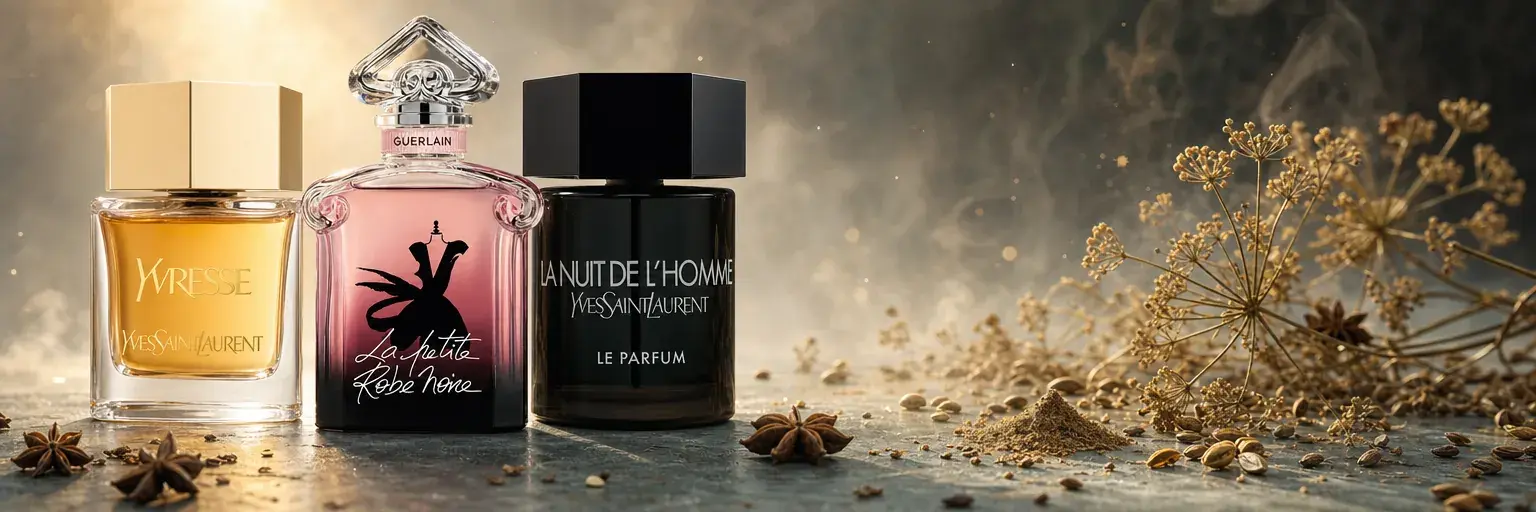
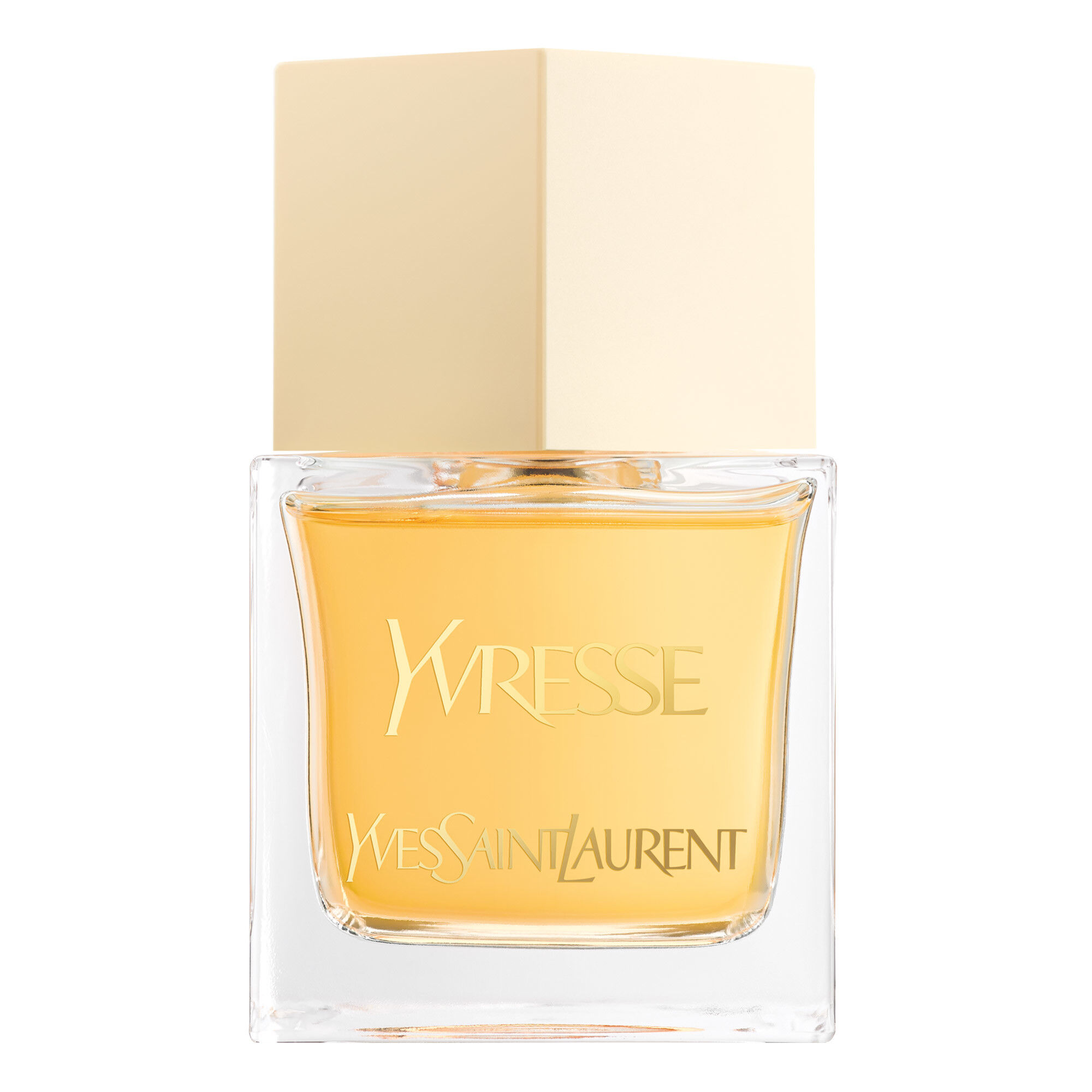
This versatility explains why the anise note runs through all fragrance families: it appears in vanilla-laden orientals (Guerlain La Petite Robe Noire), fruity chypres (YSL Yvresse), oriental fougeres (YSL La Nuit de L'Homme Le Parfum) and even classic florals.
What are the best fragrances with an anise note?
Our selection of anise-note fragrances brings together ten references from our catalogue, chosen on the basis of verified reviews left by our customers and actual sales recorded over the past twelve months at Tendance Parfums. These two objective criteria allow us to present fragrances that have genuinely won over French buyers, day after day. Prices range from 34.50 EUR to 98.50 EUR, with the core of the catalogue sitting between 46 and 78 EUR, to suit every budget.
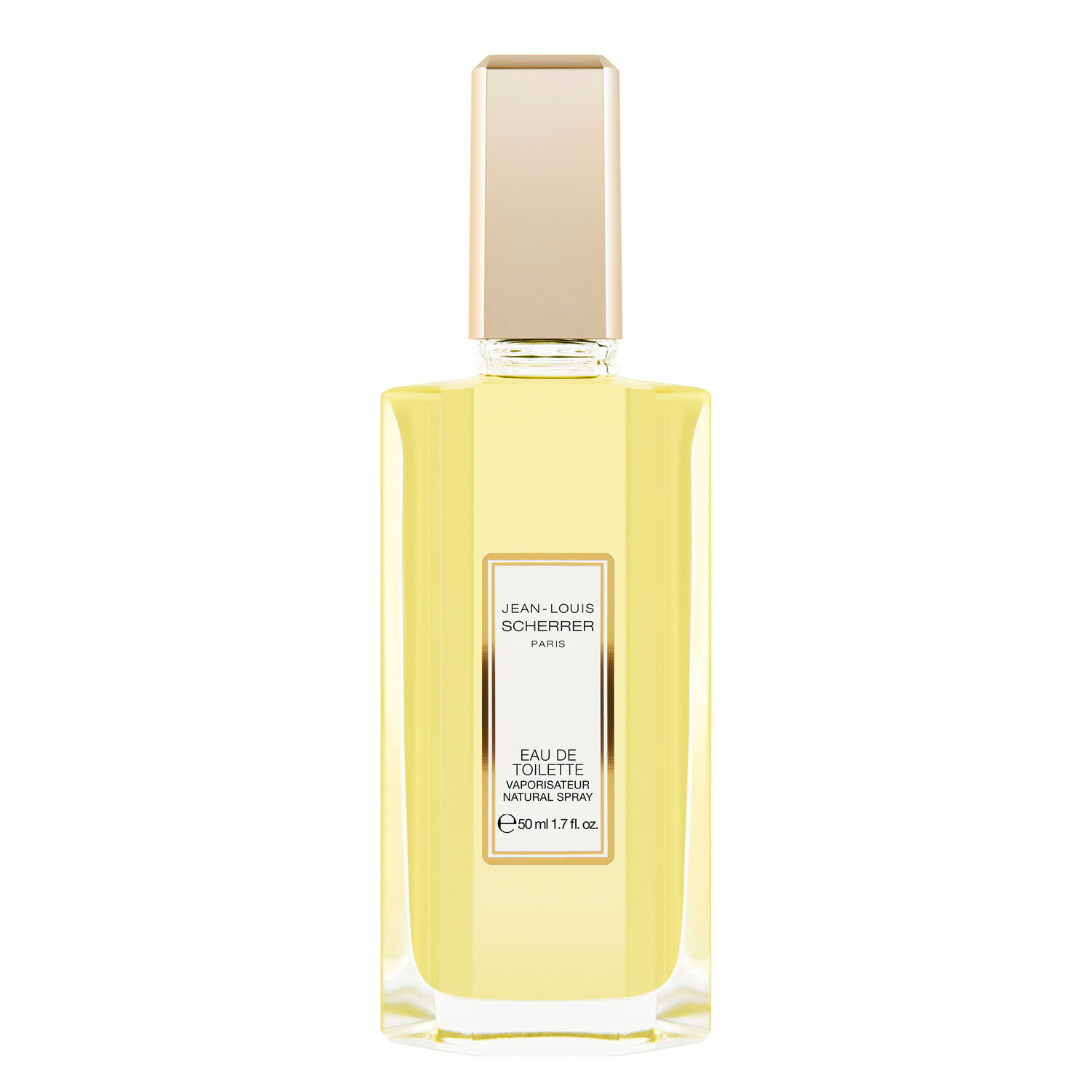
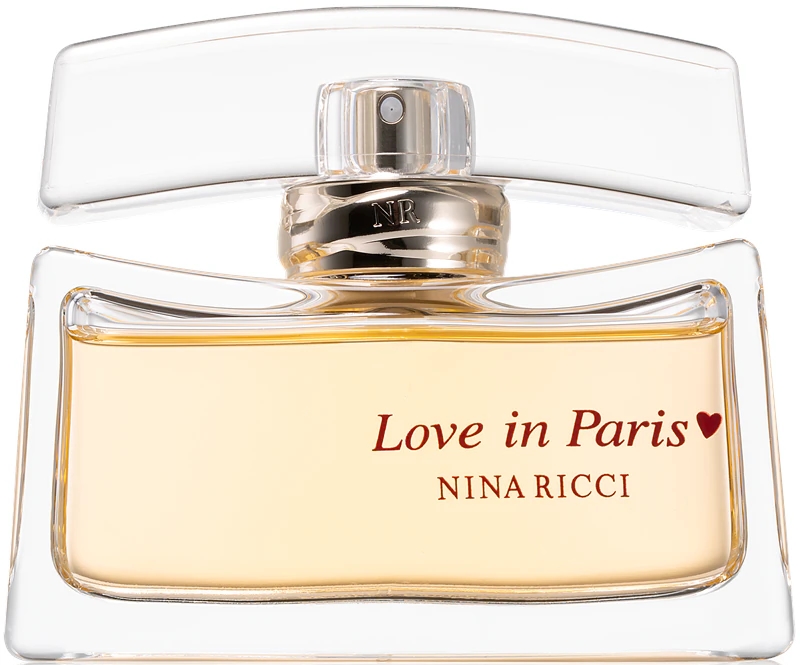
Our favourites, reviewed
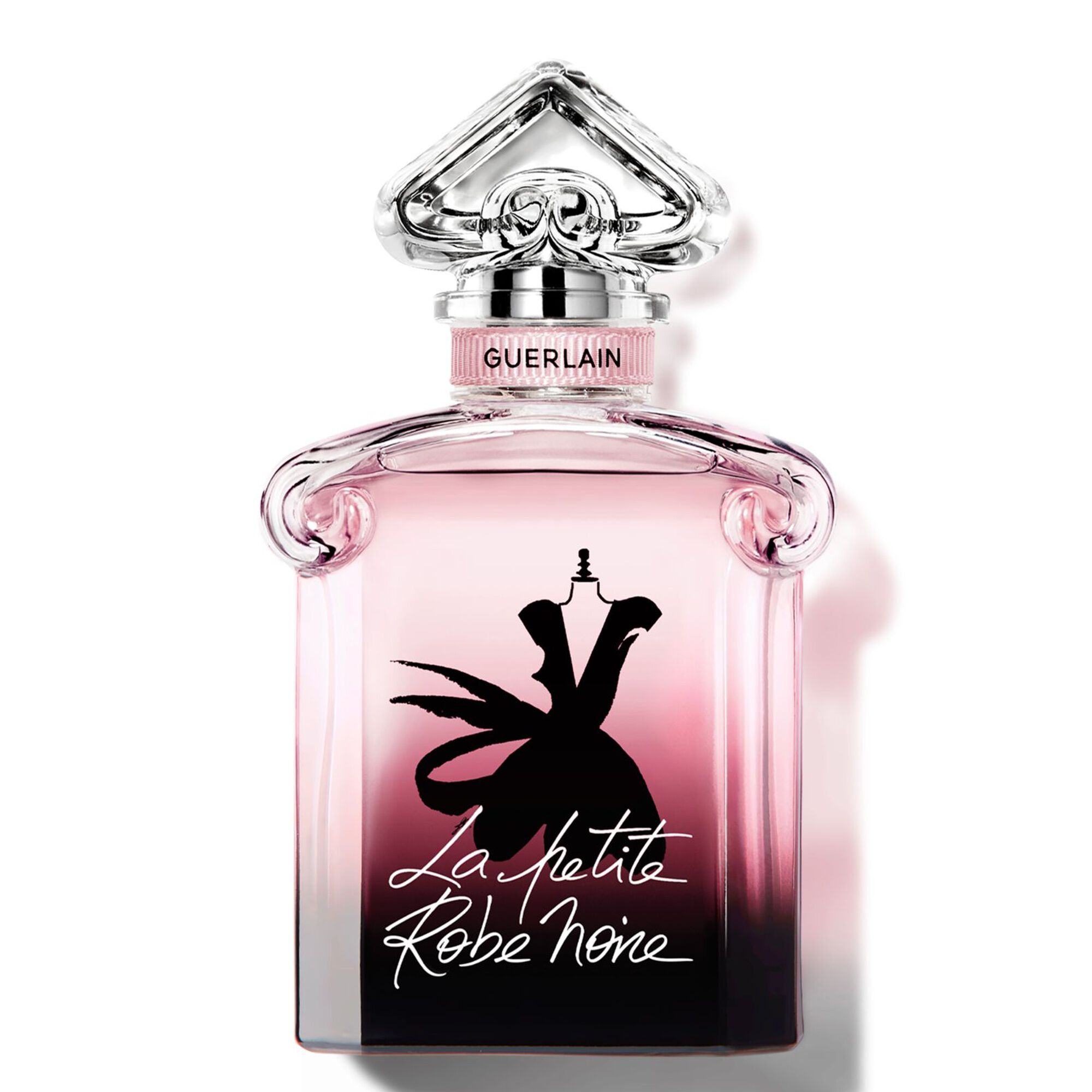
Guerlain La Petite Robe Noire EDP — With 110 sales over twelve months and a rating of 4.67/5 across 315 verified reviews, this is the most popular anise fragrance in our catalogue. Here, anise plays a vibrant opening role, before giving way to a heart of almond and tea over a vanilla-musk base note. A loyal customer sums it up well: "I've been using it for years, it suits me very well." A classic that reassures as much as it seduces.
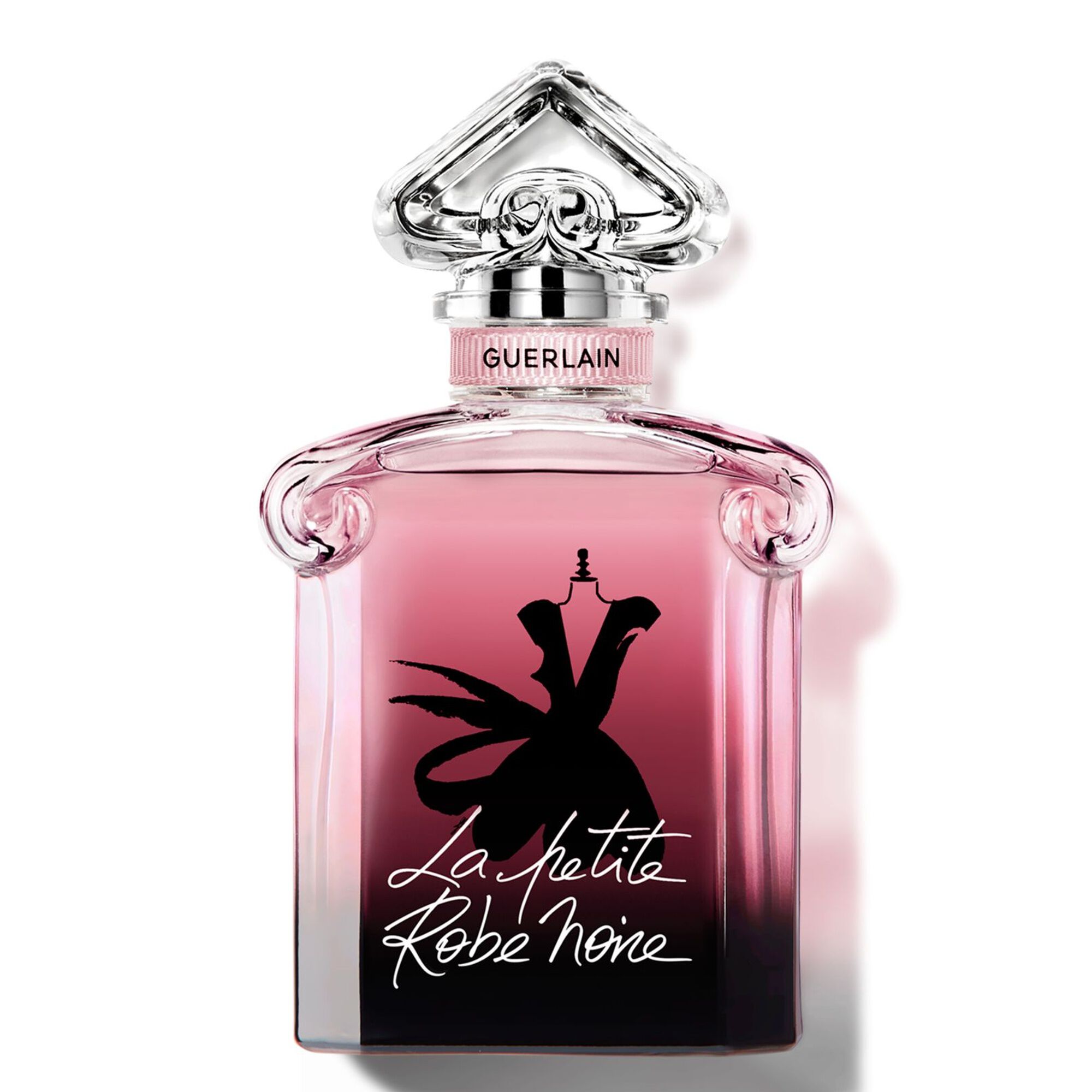
Guerlain La Petite Robe Noire Intense EDP — This intensified version reaches 4.77/5 across 113 verified reviews, the best average rating of the two variations. The anise-almond accord is more assertive here, the sillage more enveloping. It's suited to those who appreciate the classic La Petite Robe Noire but want a longer, more pronounced olfactory presence. "Good value for money," notes a customer loyal to the fragrance for several years.
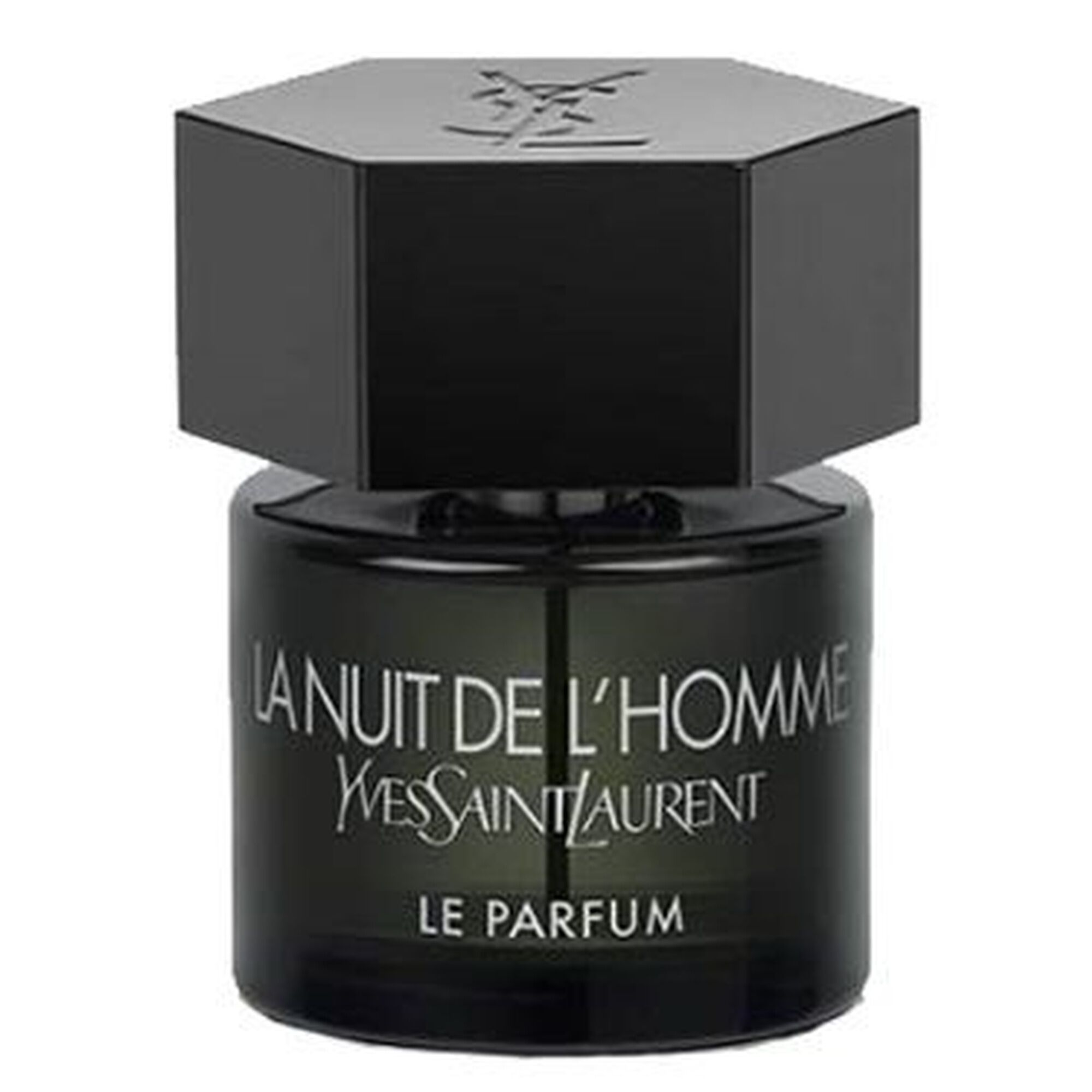
YSL La Nuit de L'Homme Le Parfum — 88 sales over twelve months make it the men's anise reference in our selection. Anise is expressed here within an oriental-fougere framework, alongside bergamot in the top notes and vetiver in the base note. The result is intense, warm, resolutely masculine. At 78 EUR, it stands as a choice for evenings or autumn, with a longevity that gets noticed.
YSL Yvresse EDT — With 4.86/5 across 65 verified reviews and 45 sales over the year, this fruity chypre occupies a place apart within the anise note. Lychee and carnation frame an anise-caraway accord that gives it a very personal identity, at once floral and slightly spicy. "Very pleasant fragrance, I like it a lot," confirms a customer. An original choice for those looking to step away from woody or vanilla paths.
Anise for women, for men: how to choose?
The anise note crosses genders with rare ease: it is present in emblematically feminine fragrances, in masculine oriental fougeres, and in unisex compositions. Its reading varies considerably depending on the olfactory context in which it appears.
For women
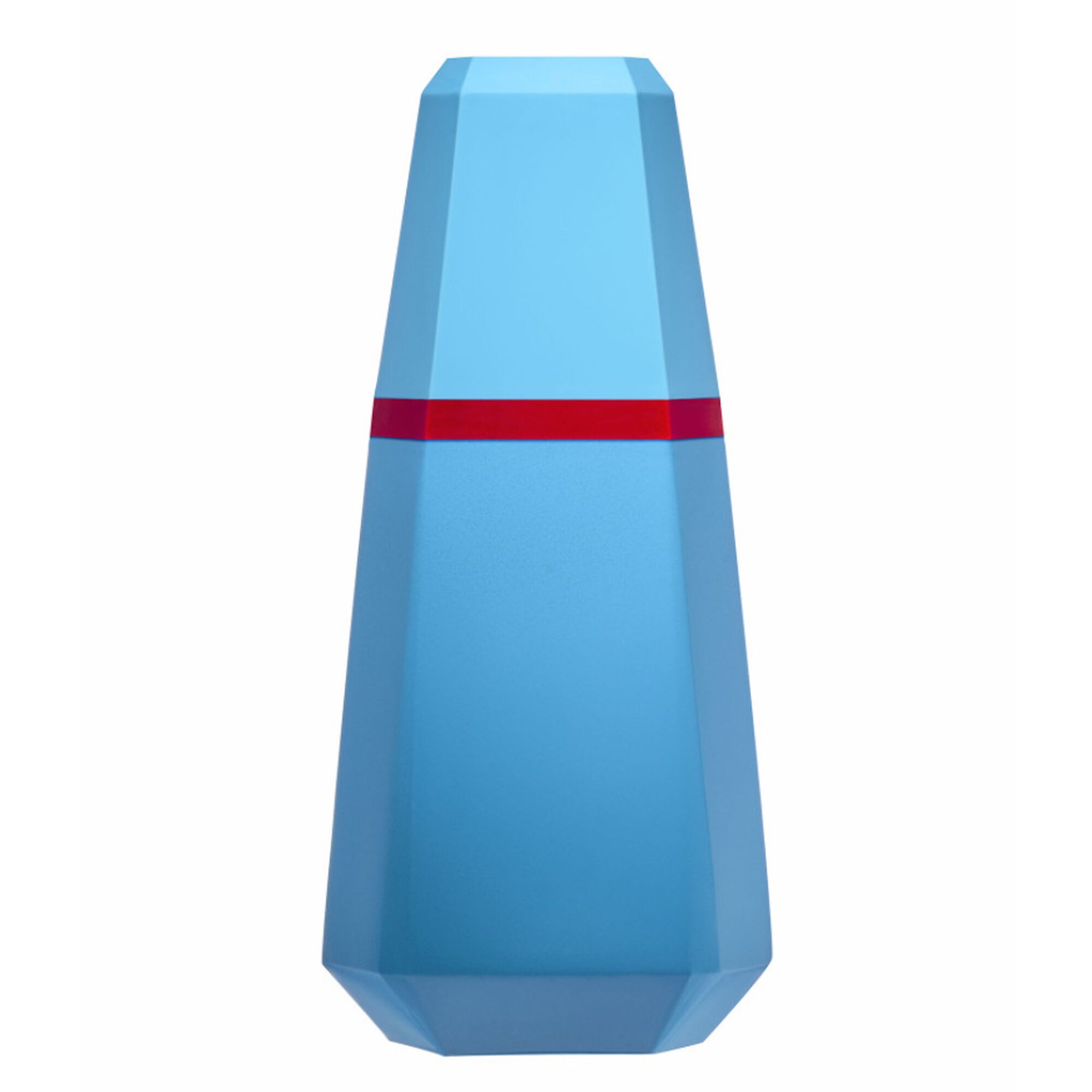
In women's fragrances, anise is often expressed in a soft and gourmand register. It combines with almond, musk and floral notes to create a sensuality that is both modern and reassuring. Guerlain La Petite Robe Noire is the most accomplished example in our catalogue: anise here converses with tea and cedrat in the top notes, before giving way to a warm vanilla base note. For a more floral and fruity result, Nina Ricci Love In Paris or Cacharel Loulou offer a brighter interpretation of this note.
For men
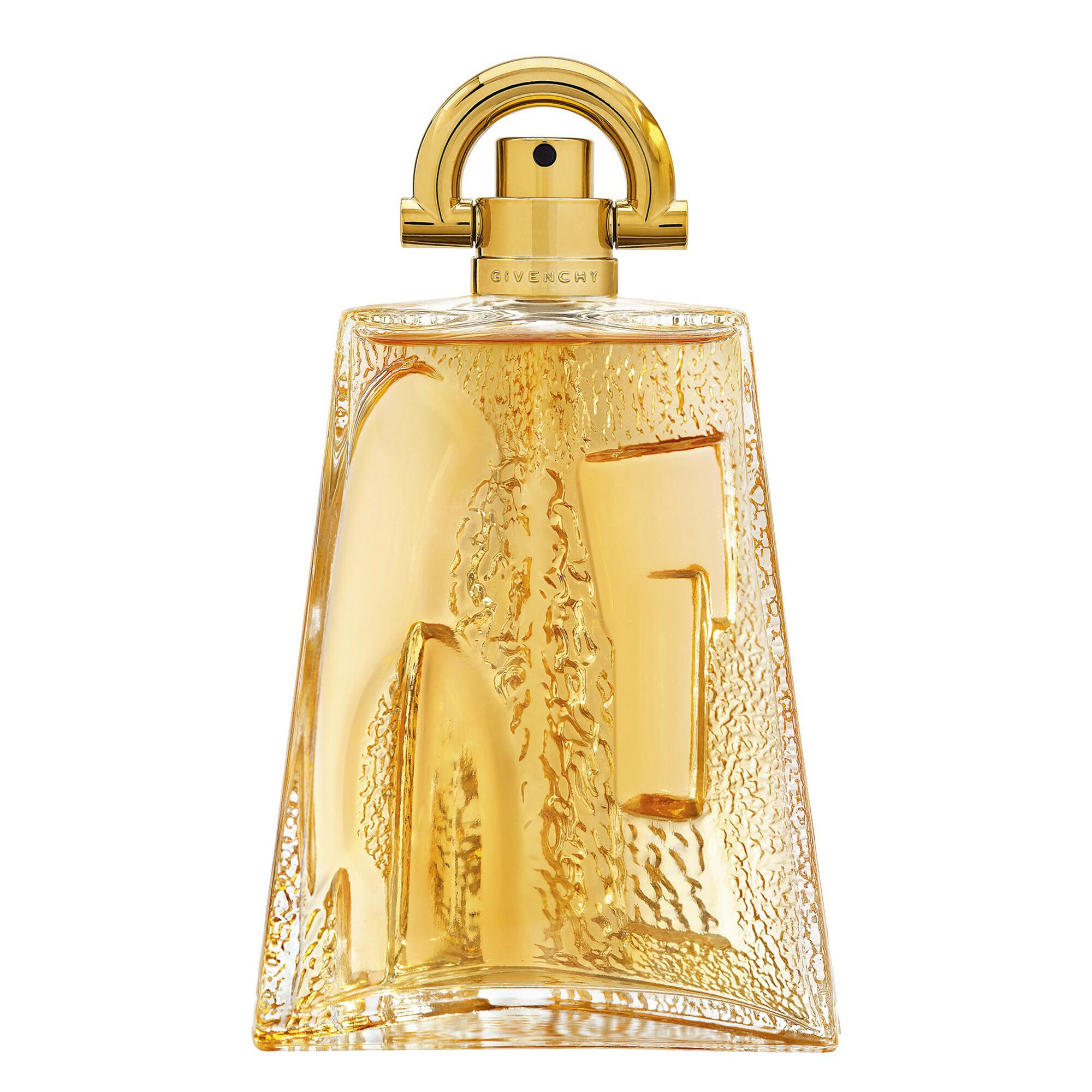
For men, anise takes on a sharper, spicier profile. It slips into oriental fougeres or amber woods, playing the sophistication card. YSL La Nuit de L'Homme Le Parfum pairs anise with vetiver and patchouli for an intense, seductive result. Givenchy Pi, with its rosemary-anise-almond accord, leans more towards spicy freshness.
Which season, which occasion?
- Autumn and winter: anise-oriental accords are particularly well suited to cool weather, where their warmth can express itself fully.
- Spring: floral-anise versions suit mild days well.
- Evening: anise paired with musk or patchouli is an effective choice for night-time occasions.
Practical tip: test anise on your skin before buying. Its perception varies according to skin chemistry — it can appear subtle on some skin types and very present on others.
The Tendance Parfums figures
What our own online perfumery data says about the anise note — figures you won't find anywhere else:
- 26 fragrances with an anise note available in our catalogue, from 34 EUR to 106 EUR (core range 46-78 EUR).
- The best-seller among our customers over the past 12 months: Guerlain La Petite Robe Noire (110 sales).
- Average rating of our selection: 4.7/5 across 627 verified customer reviews.
- Prices and stock updated continuously; free delivery from 59 EUR of purchases.
Frequently asked questions
What does anise smell like in perfumery? The scent of anise in perfumery is soft, slightly sweet and instantly recognisable, evocative of liquorice and fennel. It comes from an aromatic compound called anethole, present in green anise, star anise and tarragon. Depending on the context, this note can appear fresh and herbaceous or warm and gourmand.
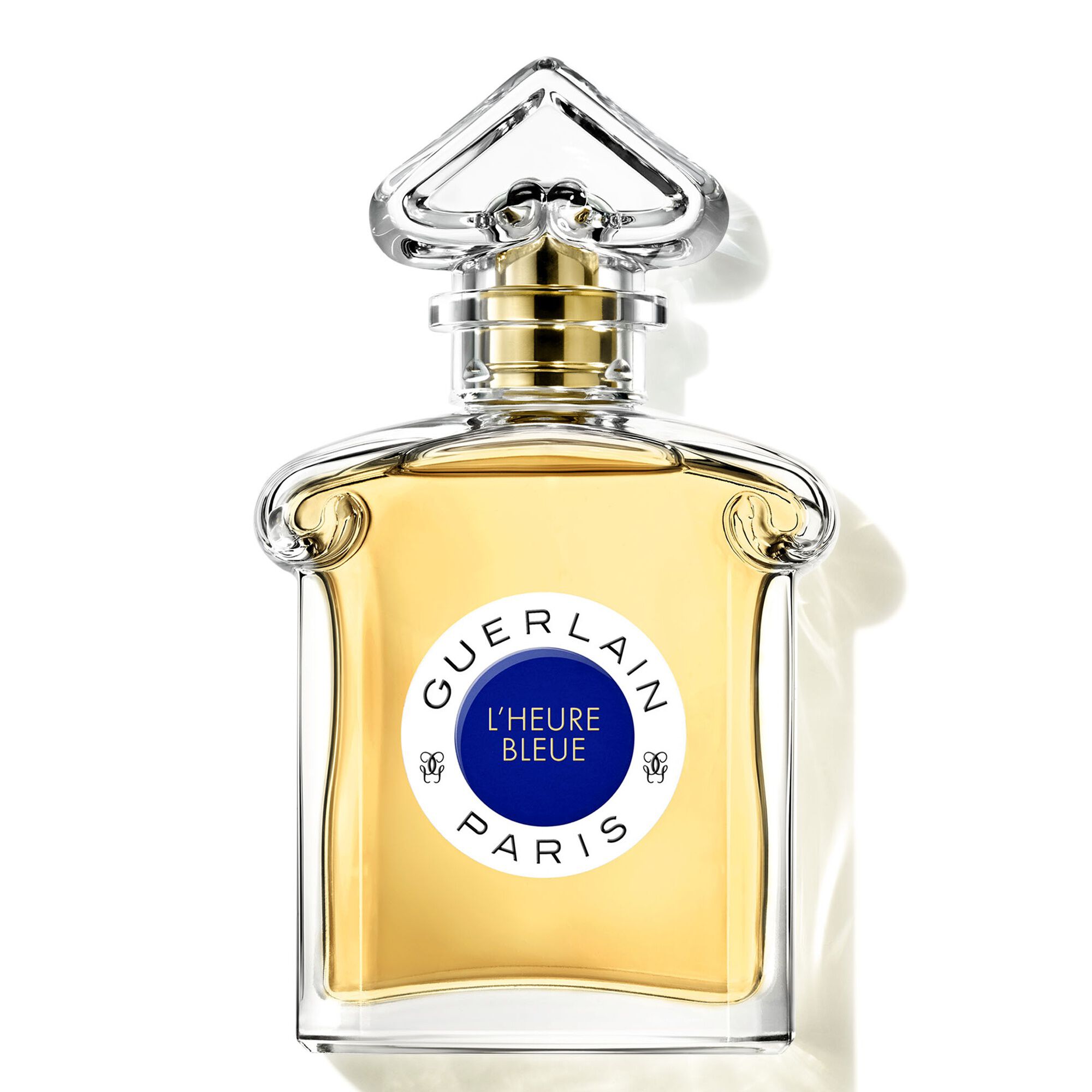
Which anise perfume should I choose for a woman? For a woman, the most appreciated anise fragrances in our catalogue are Guerlain La Petite Robe Noire (4.67/5, 315 reviews) for a warm anise-almond-vanilla accord, or YSL Yvresse for a more fruity, floral profile. Guerlain L'Heure Bleue, more classic and powdery, is also suited to lovers of traditional perfumery.
Which anise perfume should I choose for a man? For a man, YSL La Nuit de L'Homme Le Parfum (4.61/5, 62 reviews, 88 sales over 12 months) is our men's reference for the anise note: an intense oriental-fougere, with vetiver and patchouli. Givenchy Pi offers a fresher, spicier alternative, with a rosemary-anise-almond accord suited to everyday wear.
Is anise a top note or a base note? Anise is most often a top or heart note. In the top notes, it marks the opening of the fragrance in a clear, assertive way before fading. In the heart, it structures the main accord during development on the skin. It can also appear in the base note in oriental compositions, but this is rarer.
What is the difference between anise and liquorice in perfumery? Anise and liquorice share the same dominant aromatic compound (anethole), which explains their olfactory closeness. In perfumery, anise is generally lighter, more herbaceous and slightly spicy, while liquorice evokes sweet confectionery more strongly. A perfumer can accentuate one facet or the other depending on the raw material chosen.