
Angelica perfume: buying guide and best fragrances 2026
Angelica is a multi-faceted aromatic plant: its seeds, leaves and root yield very different raw materials, ranging from herbaceous vegetal to earthy musky. In perfumery, this note brings a singular depth, neither floral nor woody in the strict sense, which men and women alike appreciate for its subtlety and character. This guide will help you understand this material and choose the flacon that suits it.
The angelica note in perfumery: what is it?
Angelica refers, in perfumery, to the materials extracted from the Angelica archangelica plant, an umbellifer grown notably in Northern Europe and France. Depending on the part used — seeds, stems or roots — and the extraction method, the olfactory profile changes radically.
The seeds yield an absolute or a light essential oil, with herbaceous, slightly peppery and musky accents, along with an almost celestial touch of white vegetal. The root, more complex, delivers earthy, resinous, slightly smoky and animalic nuances, close to natural musk. It is this duality — airy and deep at once — that makes angelica so precious to perfumers.
In the fragrance pyramid, angelica is used at every stage depending on its form:
- As a top note, the hesperidic and herbaceous facets of the seeds emerge in the first moments, often alongside bergamot or neroli.
- As a heart note, it lends structure and originality, expressed between vegetal and musk.
- As a base note, the root provides an earthy, warm foundation that extends the longevity of the sillage.
Natural accords with angelica: it pairs effortlessly with bergamot (fresh/green contrast), patchouli (earthy depth), iris (powdery vegetal), amber (soft warmth), vanilla (roundness) and musky notes. It fits equally well into chypre, woody oriental and floral fruity fragrance families, making it one of the most versatile materials in contemporary perfumery.
Its name — archangelica — comes from a medieval tradition that attributed protective virtues to it. This almost immaterial dimension, between vegetal breath and earthy depth, explains the enduring interest creators have shown in this discreet yet decisive note.
What are the best perfumes with angelica notes?
Our selection of perfumes with angelica notes brings together 8 references, from 27.50 EUR to 140 EUR, covering various fragrance families: chypre, floral fruity gourmand, woody oriental, aromatic fougere and woody chypre. It has been compiled from verified reviews and actual sales recorded on our site over the past twelve months, to offer you only fragrances favoured by our customers. Whether you are after an accessible classic or a niche creation, you will find a solid starting point here.
Our commented favourites
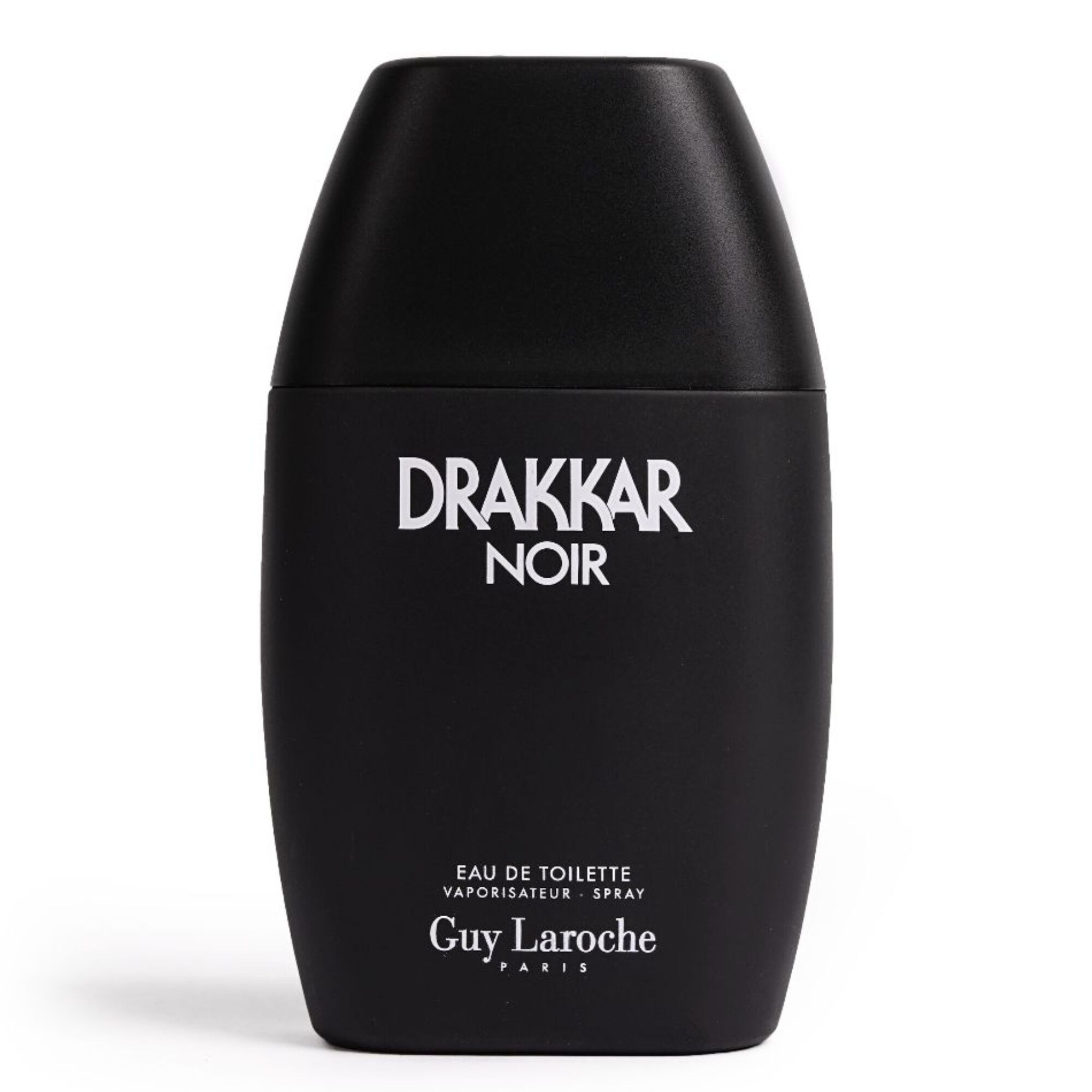
Guy Laroche Drakkar Noir — With 47 sales in twelve months, this is the angelica-note perfume most chosen by our customers. This aromatic fougere eau de toilette, rooted in the 1980s, combines coriander, lavender, pine and patchouli for a direct, instantly recognisable result. Rated 5/5 across 3 verified reviews, it appeals to those who appreciate a straightforward classic. At 27.50 EUR, it is also the most accessible entry point in our selection.
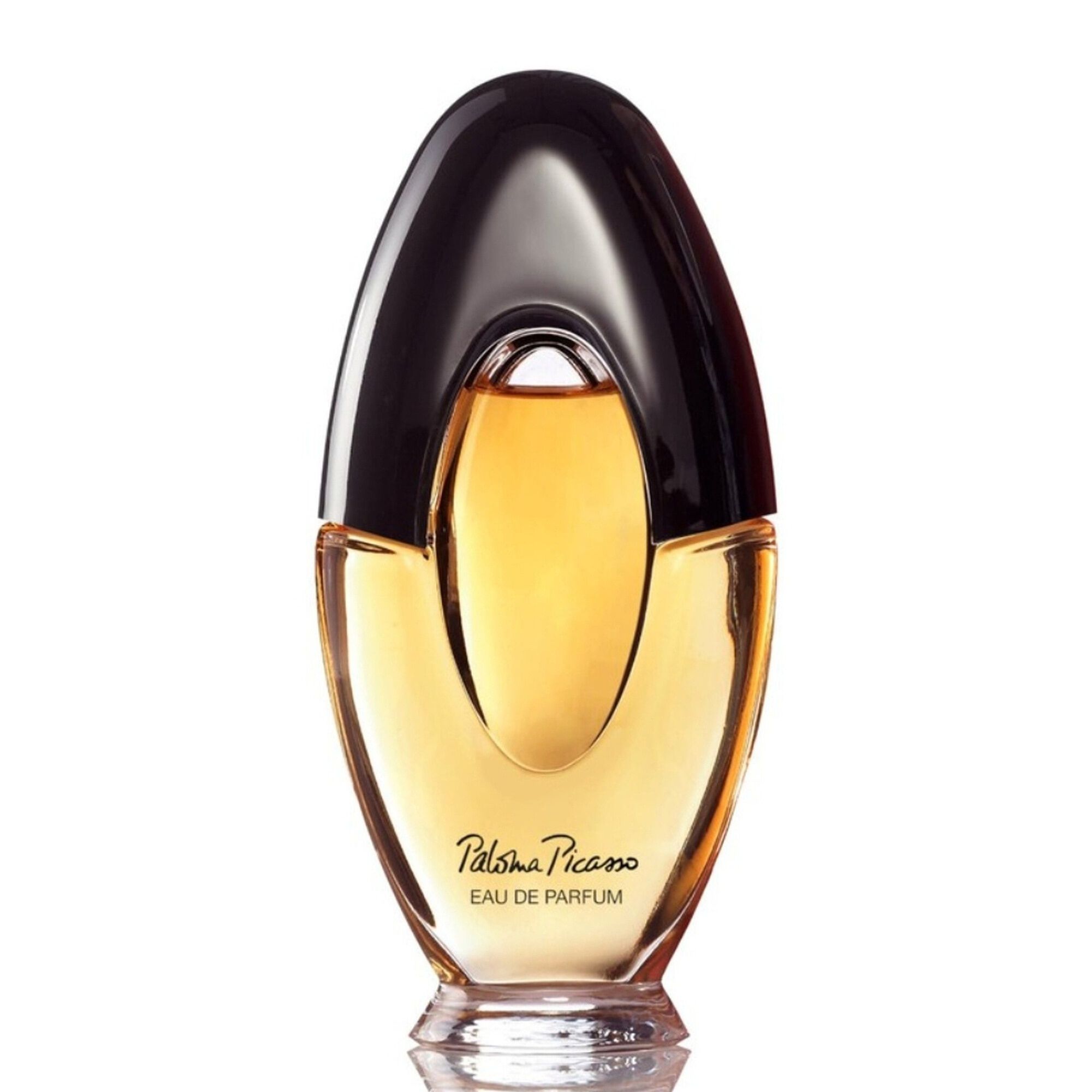
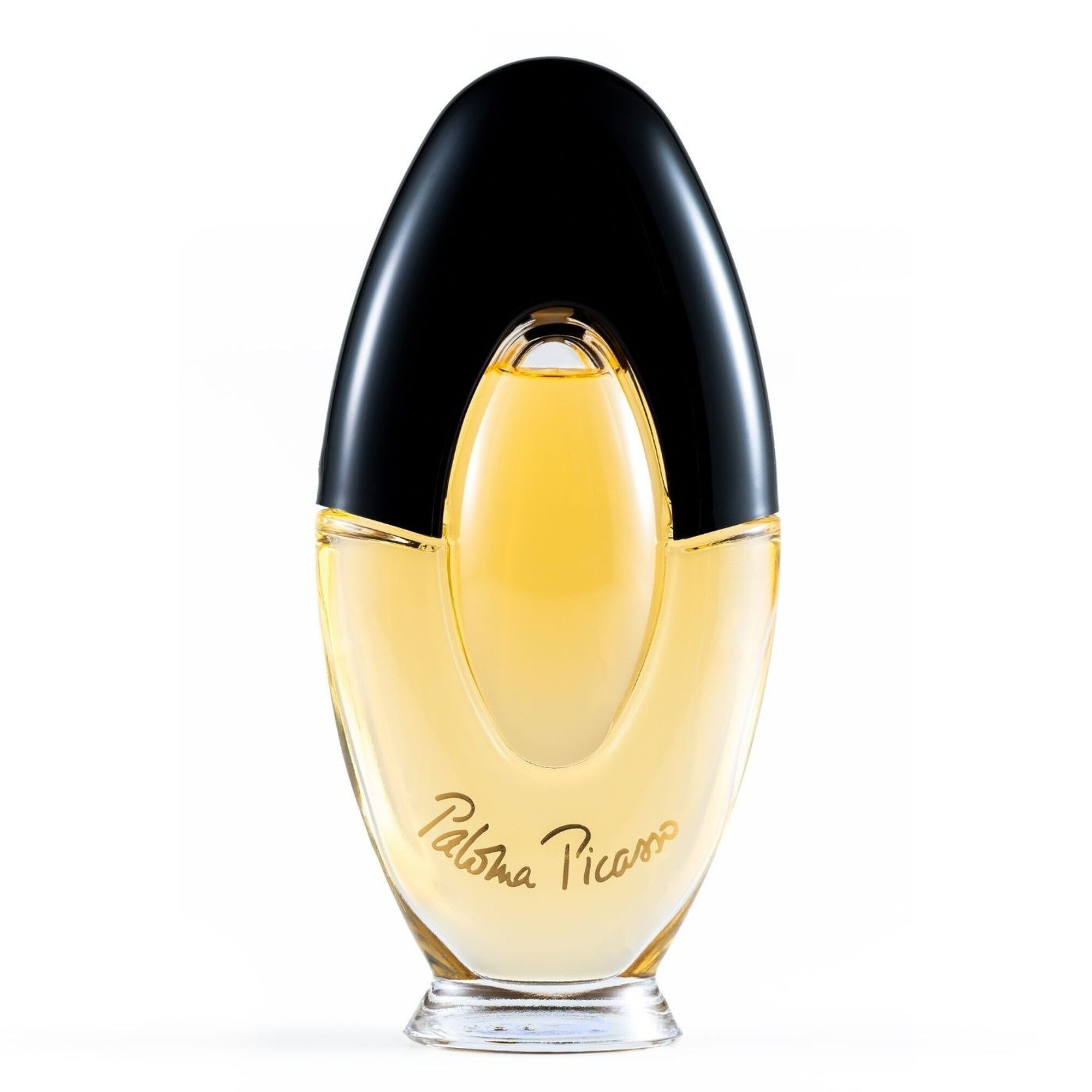
Paloma Picasso Mon Parfum EDP — Ten verified reviews, all at 5/5, and 19 sales in a year: this chypre with angelica, bergamot, coriander, patchouli and amber accents is a safe bet. A loyal customer sums up the attachment it creates well: "SUIS TOUJOURS REVENUE A « PALOMA PICASSO ».". At 56.50 EUR, it represents solid value for money for a chypre of character.
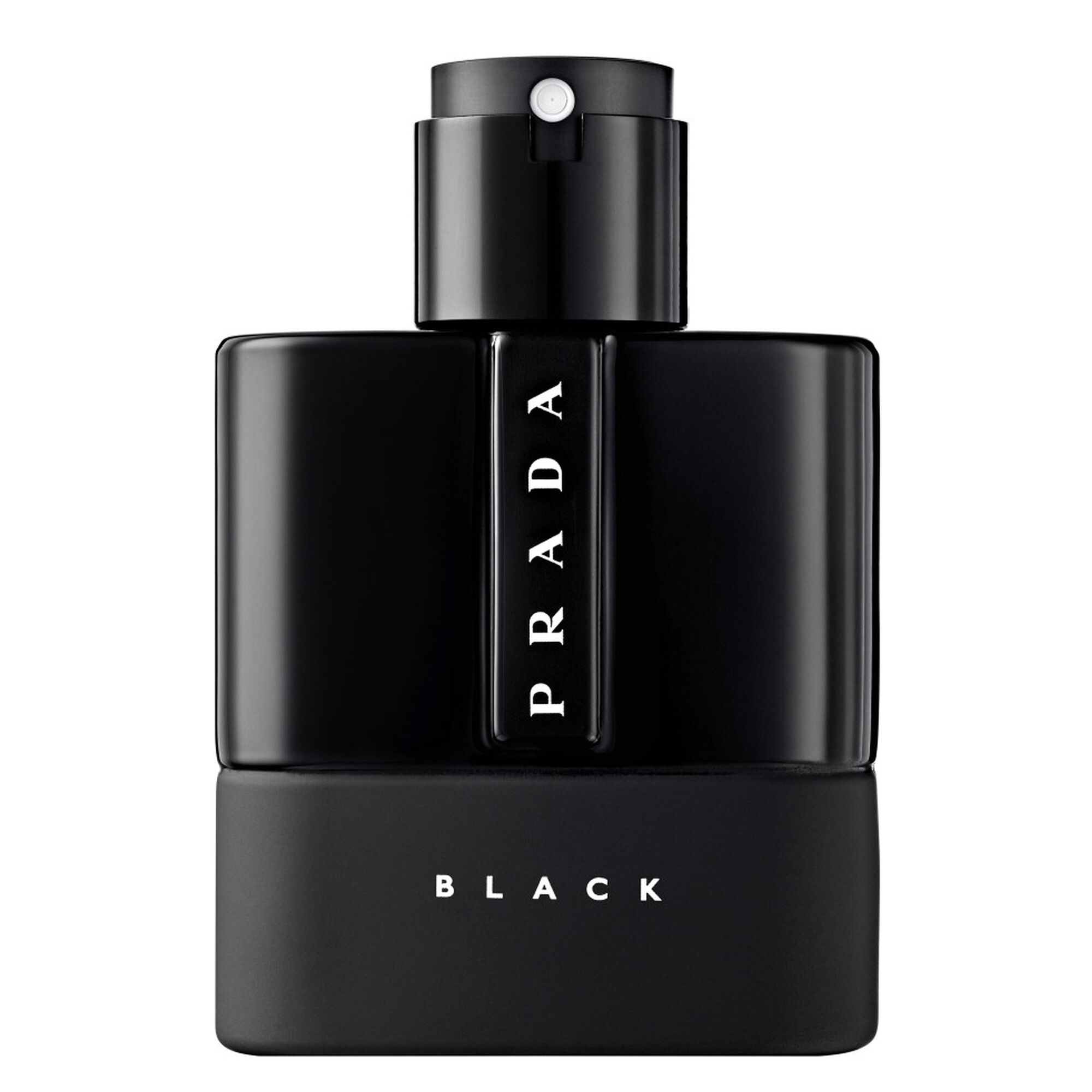
Prada Luna Rossa Black EDP — This woody oriental perfume at 65.50 EUR is our best sales figure (17 in twelve months) among the men's creations in the selection. Angelica structures a bergamot-patchouli-amber accord of striking clarity. One customer notes "a perfume that stands out from the ordinary and can be worn on any occasion" (4/5). Rated 4.67/5 across 3 reviews, it suits anyone wanting a distinctive men's fragrance without excess.
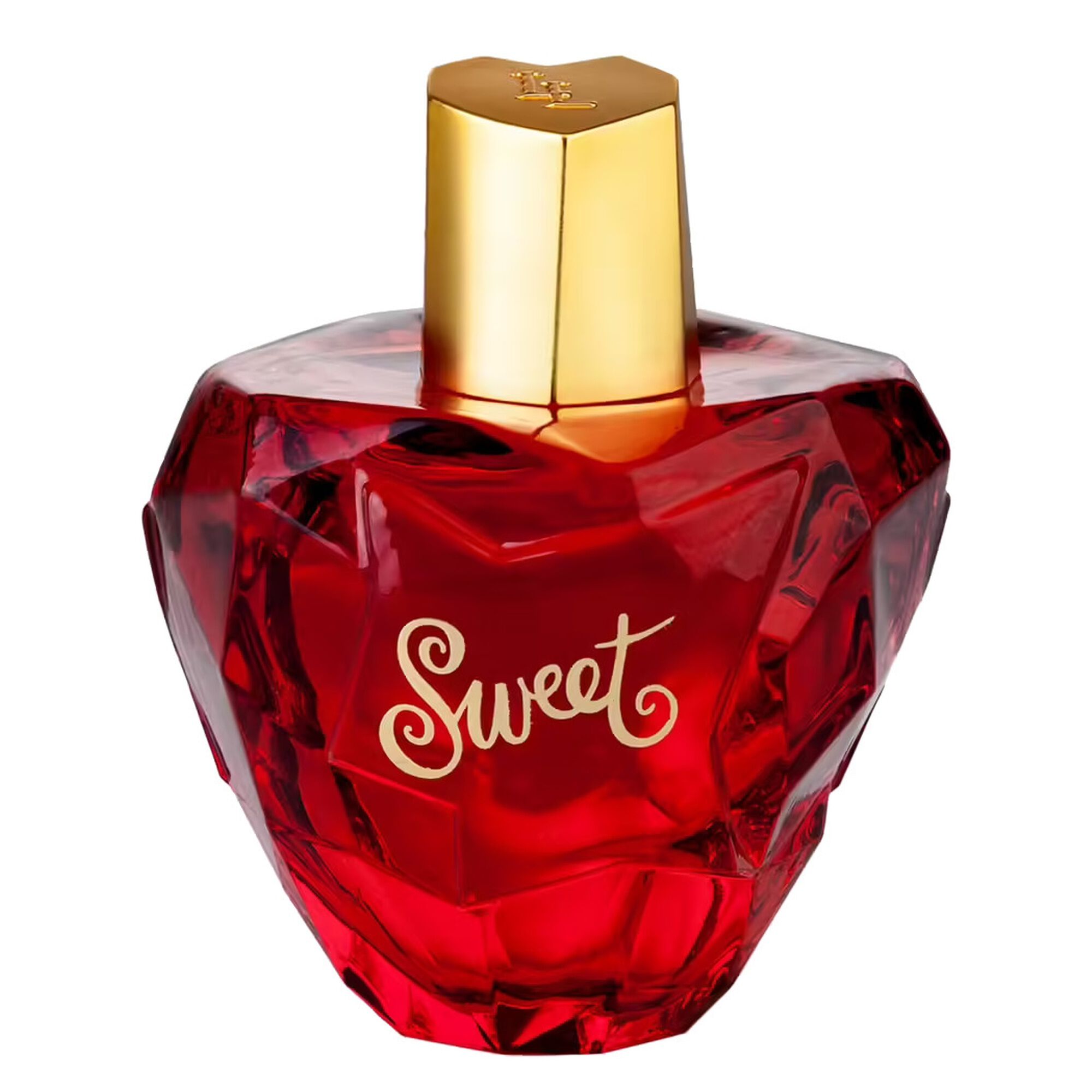
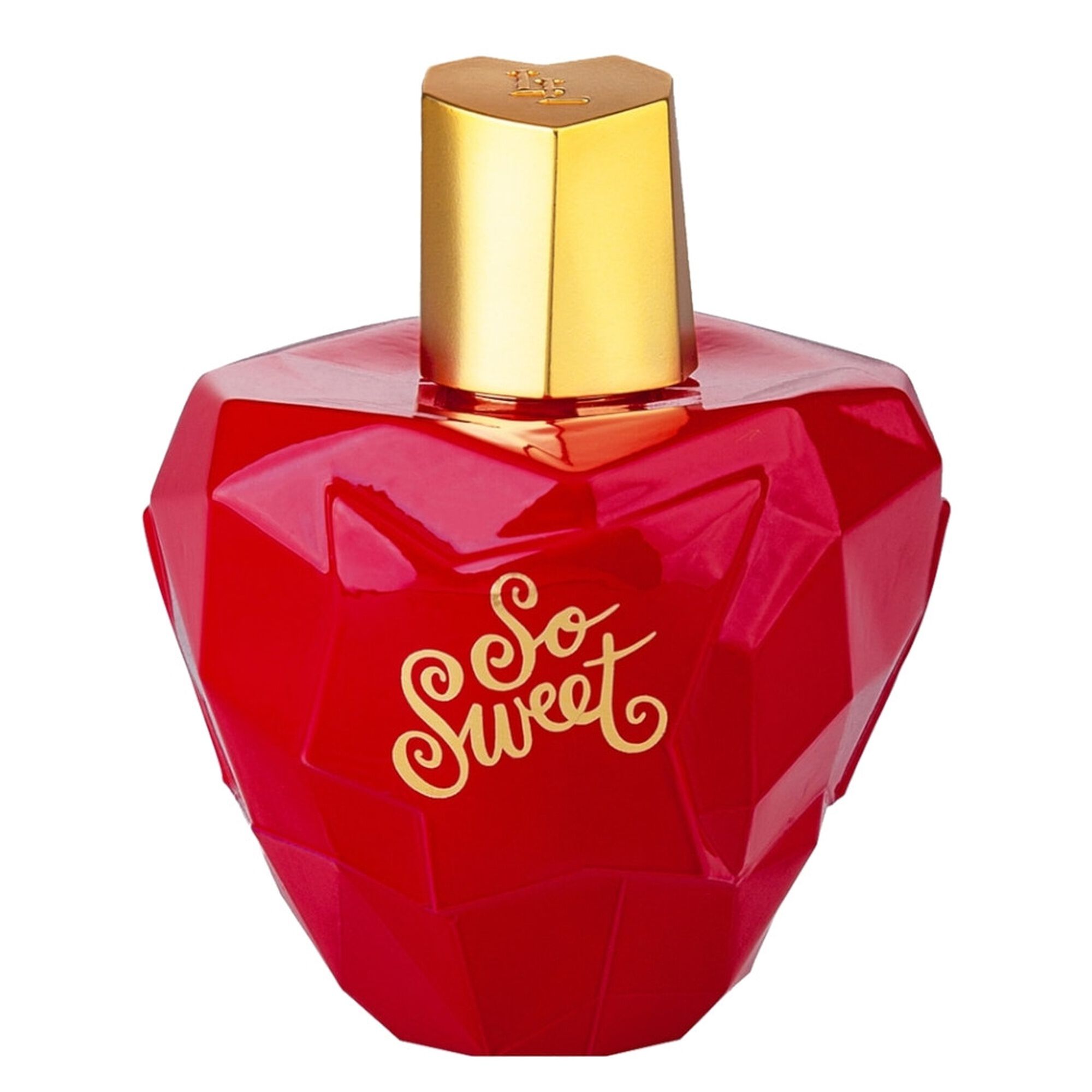
Lolita Lempicka Sweet EDP — In the floral fruity gourmand family, this flacon at 44.50 EUR combines angelica, cacao, sour cherry, iris and musk. Rated 5/5 across 3 reviews, it wins people over from the very first hours: "it has a conquering red fruit scent", writes one customer. With 8 sales in twelve months for a gourmand niche reference, it is a confident choice for lovers of well-controlled vegetal sweetness.
Angelica for women, for men: how to choose?
Angelica belongs to no particular olfactory gender: this is precisely what makes it such a useful ingredient for perfumers looking to break with convention.
For women's perfumes, angelica readily pairs with iris, sour cherry or cacao, as in the Lolita Lempicka Sweet and So Sweet creations. The result is gourmand, lightly sweet, with a vegetal lightness that avoids excess. These fragrances are particularly suited to spring and autumn, worn daily or on relaxed evenings out. The angelica-iris accord produces a modern, powdery effect that is very wearable.
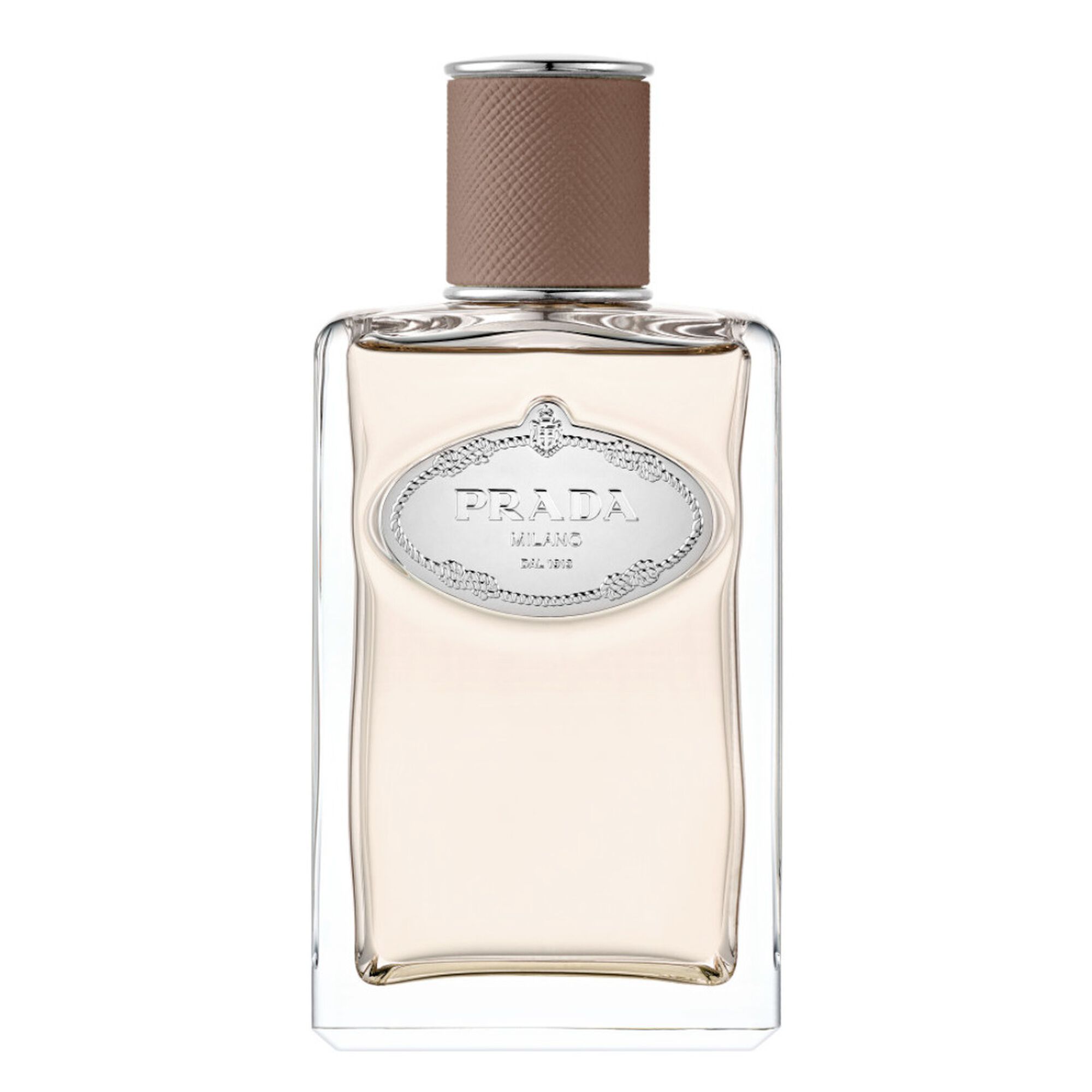
For men's perfumes, angelica expresses itself differently: paired with bergamot, patchouli or amber, it brings a vegetal, earthy dimension that structures fougeres and woody orientals. Prada Luna Rossa Black is a good example: angelica reinforces a dark, clean accord here, suited to autumn and winter evenings, as well as professional contexts where an assertive sillage is desired without being overpowering.
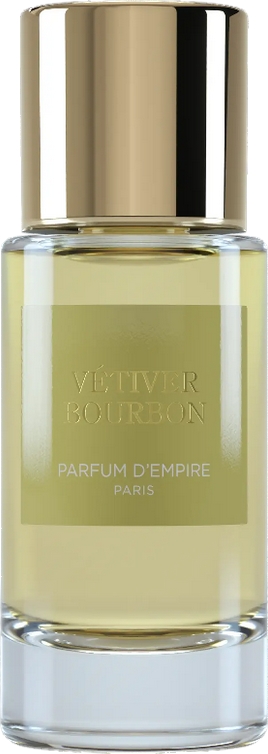
For unisex or niche fragrances, angelica is often treated in its root form, more earthy and resinous. Parfum d'Empire Vétiver Bourbon illustrates this use: angelica converses with Haitian vetiver and orris for a very adult result, to be worn in any season according to mood.
Practical testing advice: test first on paper to identify the initial impression, then on skin to observe the development — angelica root often reveals itself after thirty minutes. Do not test several fragrances on the same day: this subtle note is easily lost in olfactory confusion.
Tendance Parfums figures
What our own online perfumery data reveals about the angelica note — figures you won't find anywhere else:
- 8 perfumes with angelica notes available in our catalogue, from 28 EUR to 140 EUR (core range 44-119 EUR).
- The best-seller among our customers over the past 12 months: Guy Laroche Drakkar Noir (47 sales).
- Average rating of our selection: 5.0/5 across 23 verified customer reviews.
- Prices and stock updated continuously; free delivery from 59 EUR of purchases.
Frequently asked questions
Is angelica in perfumery a floral or woody note? Angelica is neither strictly floral nor strictly woody: it is a herbaceous, vegetal note with many faces. Depending on which part of the plant is used, it can be light and airy (seeds) or earthy and resinous (root). It fits equally well into chypre, woody oriental and floral fruity fragrance families.
Are there angelica perfumes for women? Yes, several angelica perfumes are designed for women. Lolita Lempicka Sweet and So Sweet pair angelica with sour cherry, iris and cacao for a gourmand, fruity result. Paloma Picasso Mon Parfum, meanwhile, offers a more classic and assertive chypre version, loyally worn by many customers.
What are the angelica perfumes for men? Prada Luna Rossa Black is our best-selling men's angelica reference in this category: a woody oriental, it pairs angelica with patchouli and amber for a clean, distinctive result. Guy Laroche Drakkar Noir, an aromatic fougere, also incorporates herbaceous accents close to angelica in a classic, highly accessible composition.
In which season should you wear an angelica perfume? Angelica adapts to several seasons depending on the accord it is paired with. Lighter, fruity versions (Lolita Lempicka Sweet) suit spring and summer. Deeper accords with patchouli, amber or vetiver (Prada Luna Rossa Black, Parfum d'Empire Vétiver Bourbon) are better suited to autumn and winter.
What is the difference between the angelica note and the iris note? Iris is a powdery floral note, often associated with a velvety softness with a slightly violet tinge. Angelica, on the other hand, is a herbaceous, vegetal note, more earthy and less floral. The two combine very well together, in fact, as in Lolita Lempicka Sweet, where angelica brings green lightness and iris brings refined powderiness.