
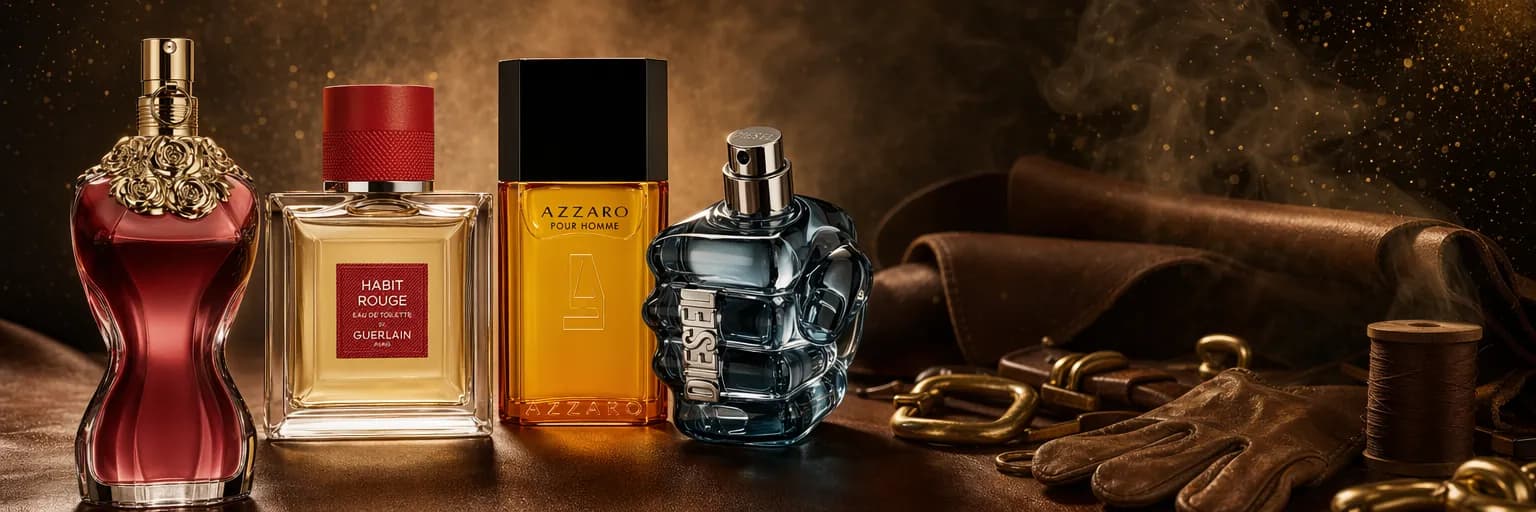
Leather perfume: the raw elegance of an exceptional fragrance family
A leather perfume for women or men reveals its character through three families of materials: birch tar, styrax and synthetic suede bases. The leather family crosses genders and budgets — from raw, smoky leather to powdery suede — without seeking to please everyone. This guide distinguishes its five sub-families, explains their chemistry and helps you choose, from eleven references selected by Tendance Parfums, the leather that matches your skin and your style precisely.
What is a leather perfume?
Olfactive definition: the composition of a leather perfume
A leather perfume is recognisable by a very specific palette of raw materials, organised around a central accord that evokes tanned leather, new leather or smoky leather — depending on the perfumer's choices.
The so-called "signature" leather notes form the heart note of the family. Birch tar and empyreumatic birch bring that dry, slightly tarry facet that instantly evokes a saddlery or a heated leather garment. Cade, distilled from oxycedar juniper, reinforces this smoky, animalic impression. Styrax, a balsamic resin, adds warmth and cohesion. Labdanum — extracted from cistus — is also balsamic, with an amber facet that anchors compositions over time. Castoreum, a material of animal origin (now often synthesised), gives that musky, almost carnal edge found in the great classic leathers. Finally, isobutyl quinoline is the key synthetic molecule: in most modern perfumes, it recreates the leather accord with remarkable precision. Suede, meanwhile, is a softer interpretation of leather — powdery, felted, more approachable.
These leather notes rarely work alone. They rely on accompanying woods — vetiver, cedar, patchouli, sandalwood, oud — which give them structure and depth. Spicy and tobacco notes often complete the picture: black pepper, cardamom, cinnamon, tobacco, incense. For more feminine compositions, rose, jasmine, iris, violet and aldehydes come in to counterbalance the roughness of the leather.
To explore the raw materials further, our feature on leather notes in perfumery details each component.
Historical origins of the leather family
The leather family has very concrete roots. In the 17th and 18th centuries, the glove-perfumers of Grasse scented glove skins to mask the sharp odour of tannins. To do so, they used resins, balms and essential oils — some of which, like empyreumatic birch, gave precisely that tanned-leather scent that is now sought after in reconstitution.
Modern perfumery formalised the leather family in the 20th century. Chanel's Cuir de Russie, created in 1924, is often cited as the founding creation — a perfume that boldly embraced the reference to Russian saddlery leather, with its aldehydes and its characteristic birch. Robert Piguet's Bandit (1944) then pushed the family towards a subversive, masculine-feminine edge, followed by Balmain's Jolie Madame (1953), more floral but still anchored in that leather-elegance tension.
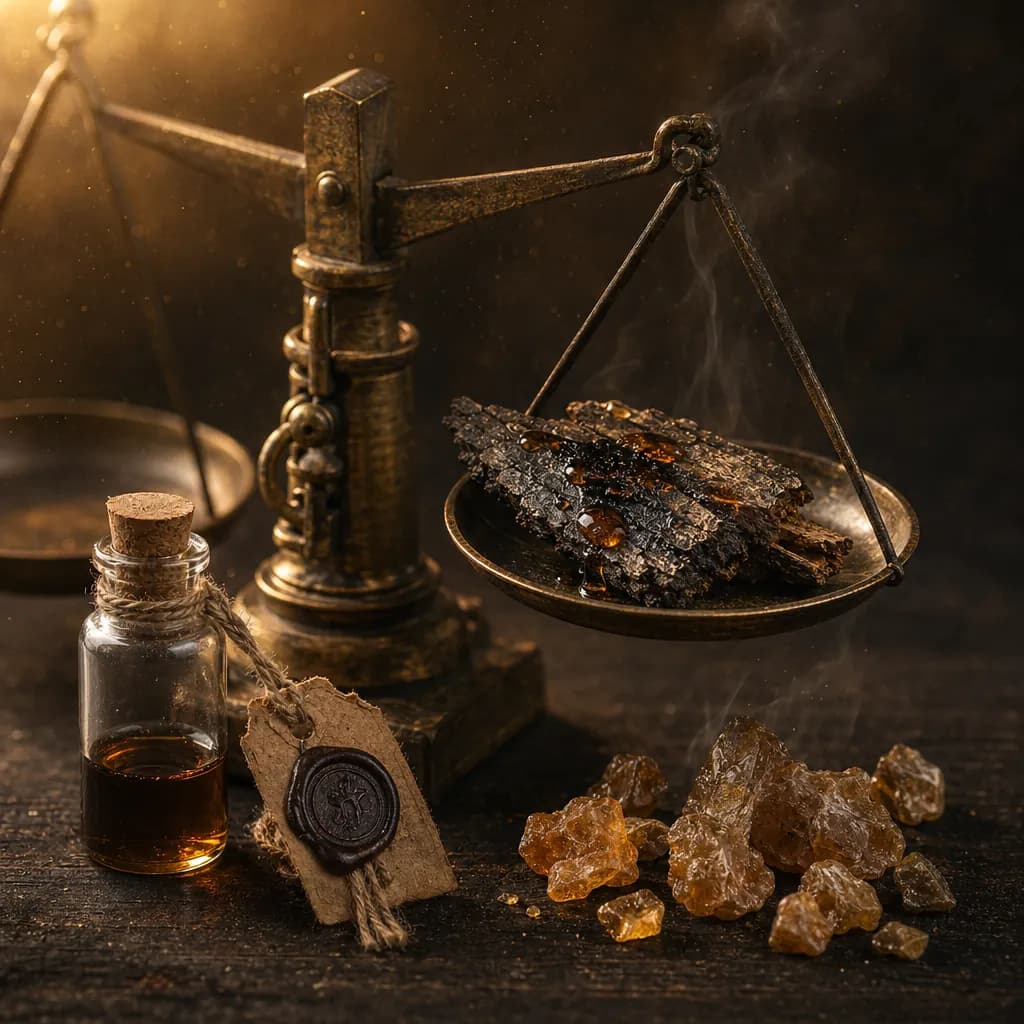
Did you know? The scent of leather in perfumery is never obtained from real leather. It is recreated using synthetic molecules — mainly isobutyl quinoline — or natural materials such as empyreumatic birch and cade, distilled since the glove-perfumers of Grasse in the 17th century. A fascinating paradox: the most convincing leather in perfumery has never touched a tanned skin.
Why are leather perfumes so distinctive?
The answer is partly chemical. Empyreumatic molecules — those that evoke burnt, smoky, tar-like notes — have exceptional persistence on skin. They cling to fibres and last for hours, sometimes days, on a garment. The sillage of an intense smoky or woody leather is among the most pronounced in all of perfumery.
But the distinctiveness of the leather family is also psychological. Leather evokes both strength and elegance, roughness and sophistication, the motorbike and the luxury saddlery. It is androgynous by nature — as much associated with the leather jacket as with the rider's coat. This tension between subversion and refinement explains why the leather family attracts niche enthusiasts and loyal followers of major houses alike.
The 5 leather sub-families
| Name | Olfactive profile | Typical notes | Examples |
|---|---|---|---|
| Smoky leather | Dark, animalic | Birch tar, cade, birch, smoke | Cuir Mauresque (Serge Lutens), A*Men Pure Leather (Mugler) |
| Suede / powdery leather | Soft, felted | Suede, iris, violet, white musk | Trésor (Lancôme), Extreme Leather (Montblanc) |
| Woody leather | Dry, masculine | Cedar, vetiver, patchouli, oud | Ombré Leather (Tom Ford), Cuir Intense (Guerlain) |
| Spicy / tobacco leather | Warm, virile | Tobacco, black pepper, cardamom, labdanum | Habit Rouge (Guerlain), Chergui (Serge Lutens) |
| Floral leather | Feminine, contrasted | Rose, jasmine, styrax, aldehydes | Trésor (Lancôme), Rive Gauche (YSL) |
Smoky leather
This is the most radical sub-family. Smoky leather relies on birch tar, empyreumatic birch and cade to create a dark, animalic, almost tarry accord. The scent is direct, intense, with no concession to easy tastes. This isn't a leather you wear by chance — it's an assertive choice. I've smelled dozens of smoky leathers over the years, and it's always this sub-family that provokes the most polarised reactions in-store: you either love it or you back away, rarely anything in between.
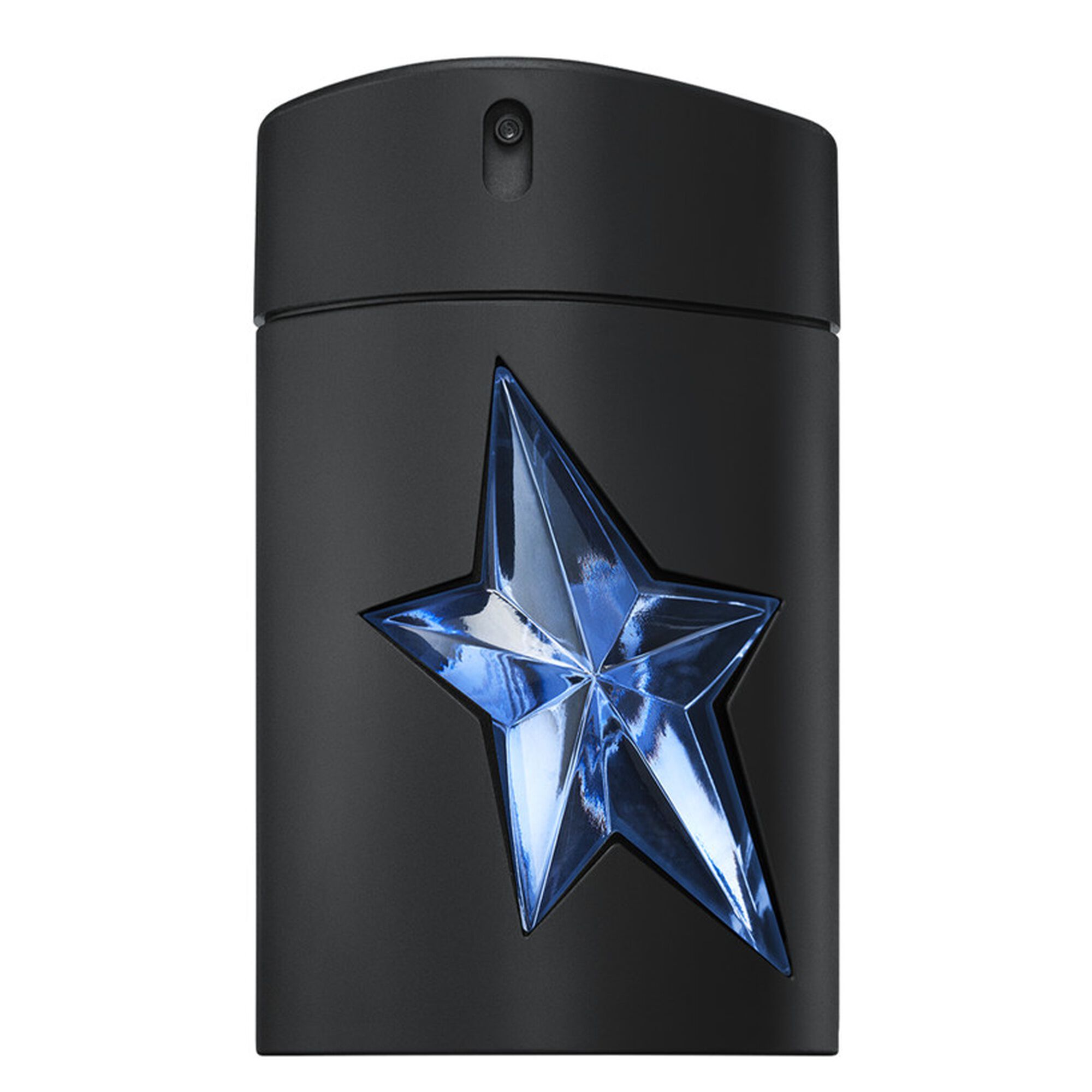
Serge Lutens Cuir Mauresque is the French niche reference. Mugler A*Men Pure Leather offers a more accessible version, with the intense signature typical of the Mugler house.
Suede / powdery leather
At the opposite end from smoky leather, suede leather is soft, felted, almost reassuring. It rests on suede — a velvety facet of leather — paired with iris, violet, powdery amber and white musk. It's often the entry point into the leather family for those who hesitate. A customer recently told me she never would have thought herself capable of wearing leather — until she tried a powdery suede on her skin.
Lancôme Trésor is the best-known example. Montblanc Extreme Leather offers a more contemporary, slightly drier version. For those who enjoy oriental families, suede leather is often a natural bridge.
Woody leather
Woody leather pairs leather notes with dry, deep woods: cedar, vetiver, patchouli, sandalwood, oud. The result is masculine in the broad sense — assertive, structured, with remarkable longevity. This is the sub-family that overlaps most clearly with woody families.
Tom Ford Ombré Leather and Guerlain Cuir Intense Eau de Parfum are the current references. Vetiver plays a key role in these compositions: it brings an earthy dryness that anchors the leather without weighing it down.
Spicy / tobacco leather
Here, the leather warms up. Tobacco, black pepper, cardamom, cinnamon and incense envelop the leather accord in an almost edible warmth. This is a virile sub-family, associated with the golden age of French men's perfumery. Our feature on tobacco notes sheds further light on this dimension.
Guerlain Habit Rouge (1965) remains the historic reference. Serge Lutens Chergui adds a very personal honey-tobacco dimension. Tom Ford Tobacco Vanille pushes the accord towards creamy vanilla, straddling the "tobacco leather" and "vanilla leather" clusters.
Floral leather
Floral leather is a sub-family of contrasts: rose, jasmine, styrax and aldehydes soften and feminise a leather accord that would otherwise be too rough. The result is elegant, sometimes retro, always distinctive. I often notice in-store that it's the customers most attached to florals who end up adopting floral leather — because it offers them character without betraying their usual style.
Lancôme Trésor and Yves Saint Laurent Rive Gauche are the most representative examples in our catalogue. These are leathers that resemble nothing else — neither fully floral, nor fully leather.
Our selection: the best women's leather perfumes 2026
The feminine leather family has long been underestimated. What I notice in-store is that customers who dare to take the plunge never go back. To explore further, our women's leather selection details profiles by occasion and intensity.
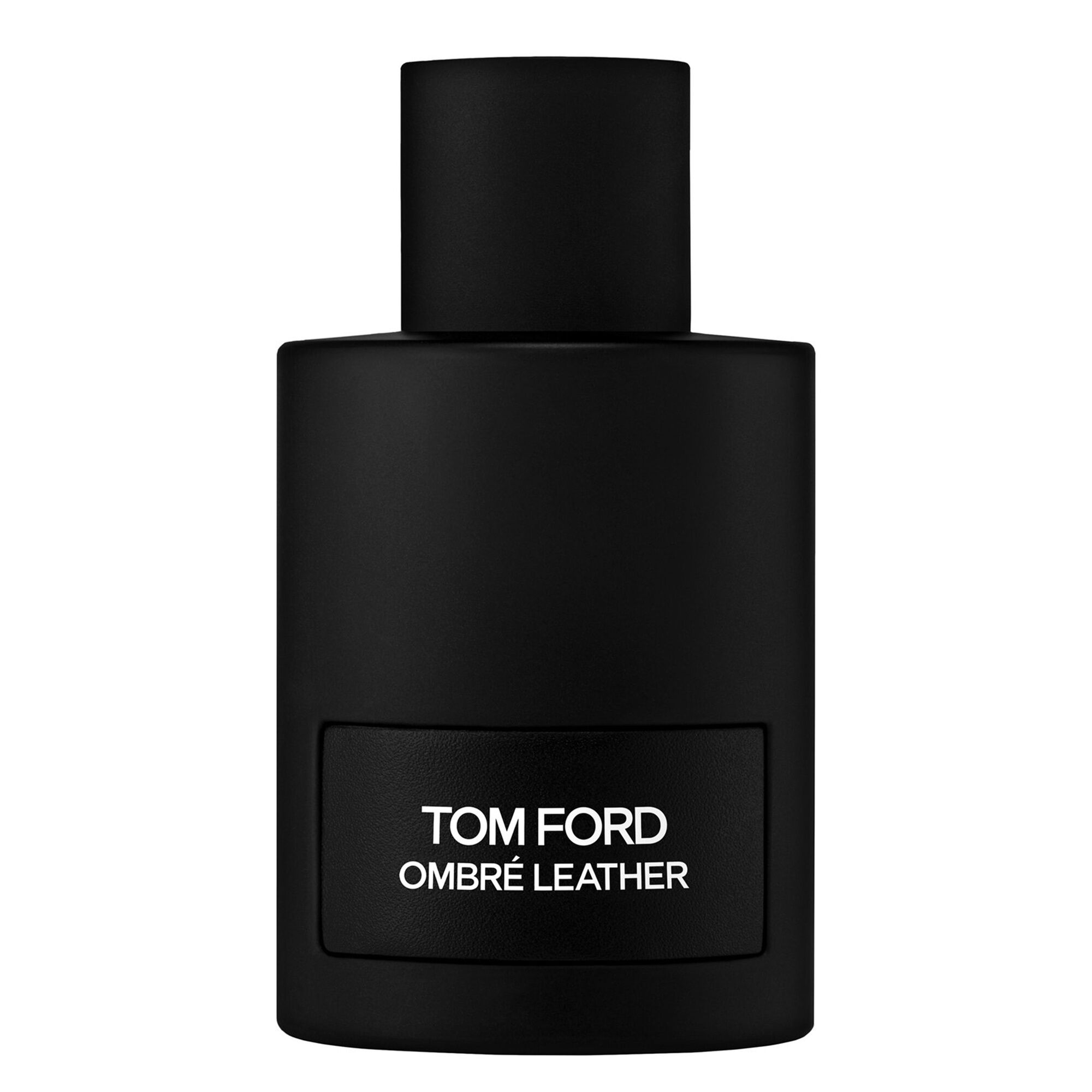
Tom Ford Ombré Leather EDP — Tom Ford
A global best-seller in the leather family since 2018. A direct, androgynous woody leather: cardamom and apple blossom in the top note, honest leather in the heart note, patchouli and vetiver in the base note. For anyone who wants an assertive, modern leather, worn equally well by a woman or a man. A strong signature from Tom Ford.
Serge Lutens Cuir Mauresque EDP — Serge Lutens
The French niche reference for smoky leather. Dark, animalic, with that tarry facet characteristic of birch tar and cade. For anyone seeking a raw, intense, uncompromising leather. This isn't a perfume for everyone — that's exactly what makes it remarkable. A pivot piece from Serge Lutens.
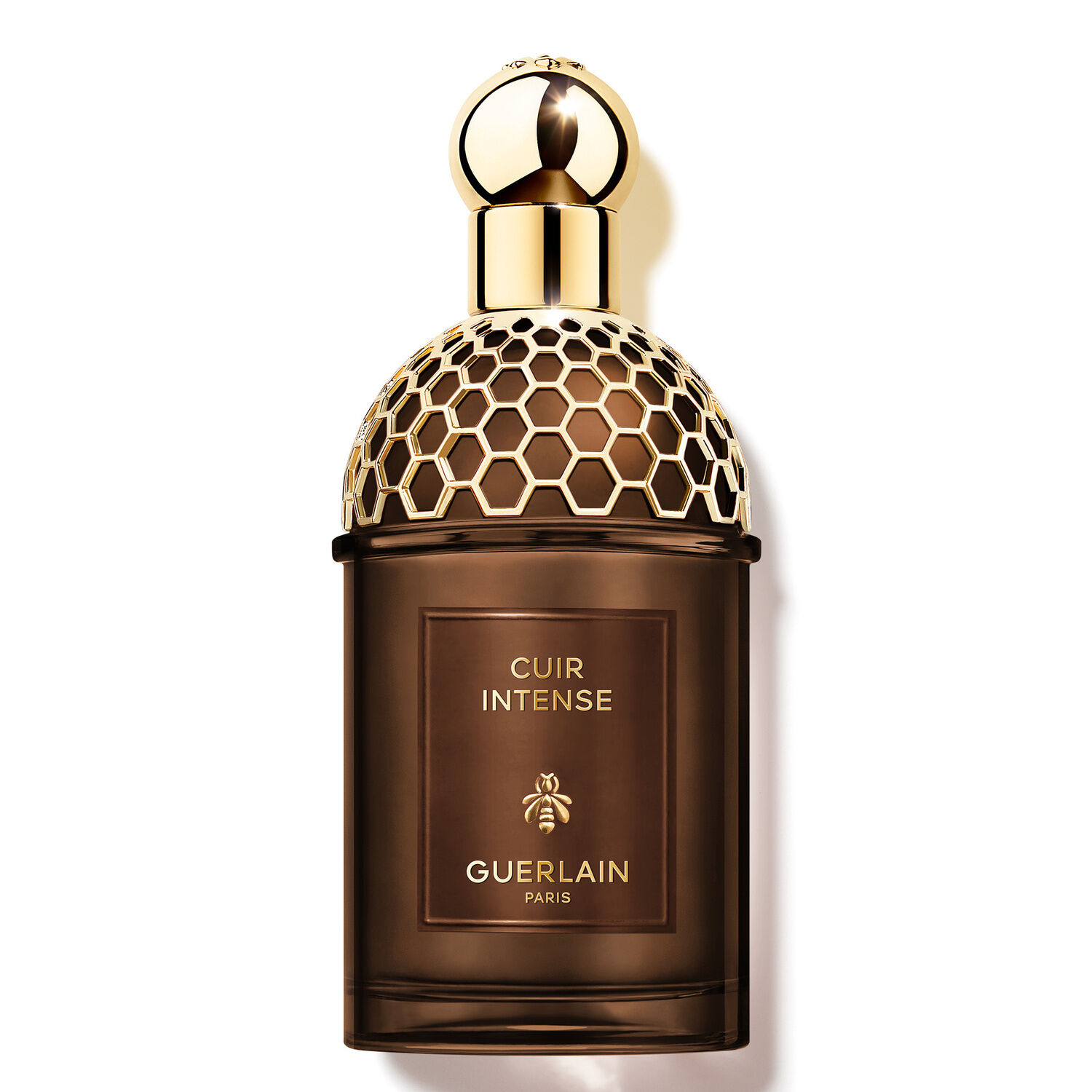
Guerlain Cuir Intense EDP — Guerlain
Guerlain delivers here an elegant, deep woody leather, with the precision of classic French perfumery. Timeless, structured, both approachable and distinguished. For anyone who wants a house leather, unfussy, with real longevity on the skin.
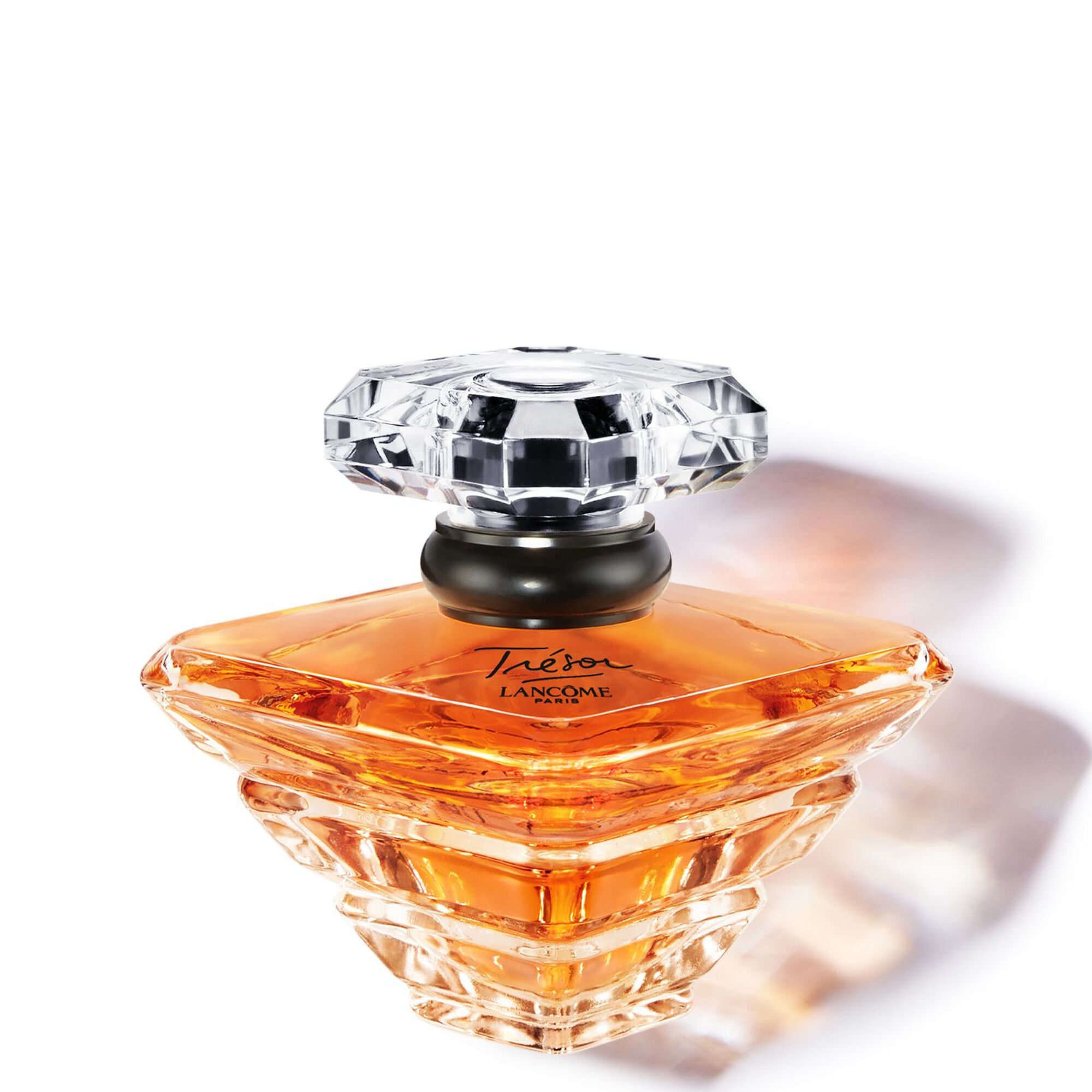
Lancôme Trésor EDP — Lancôme
The great reference for feminine floral leather. Rose, iris and aldehydes over a felted white musk base note. A soft, powdery leather that resembles nothing else in the catalogue. A best-seller at Tendance Parfums, for the woman who wants a leather without roughness, with real presence.
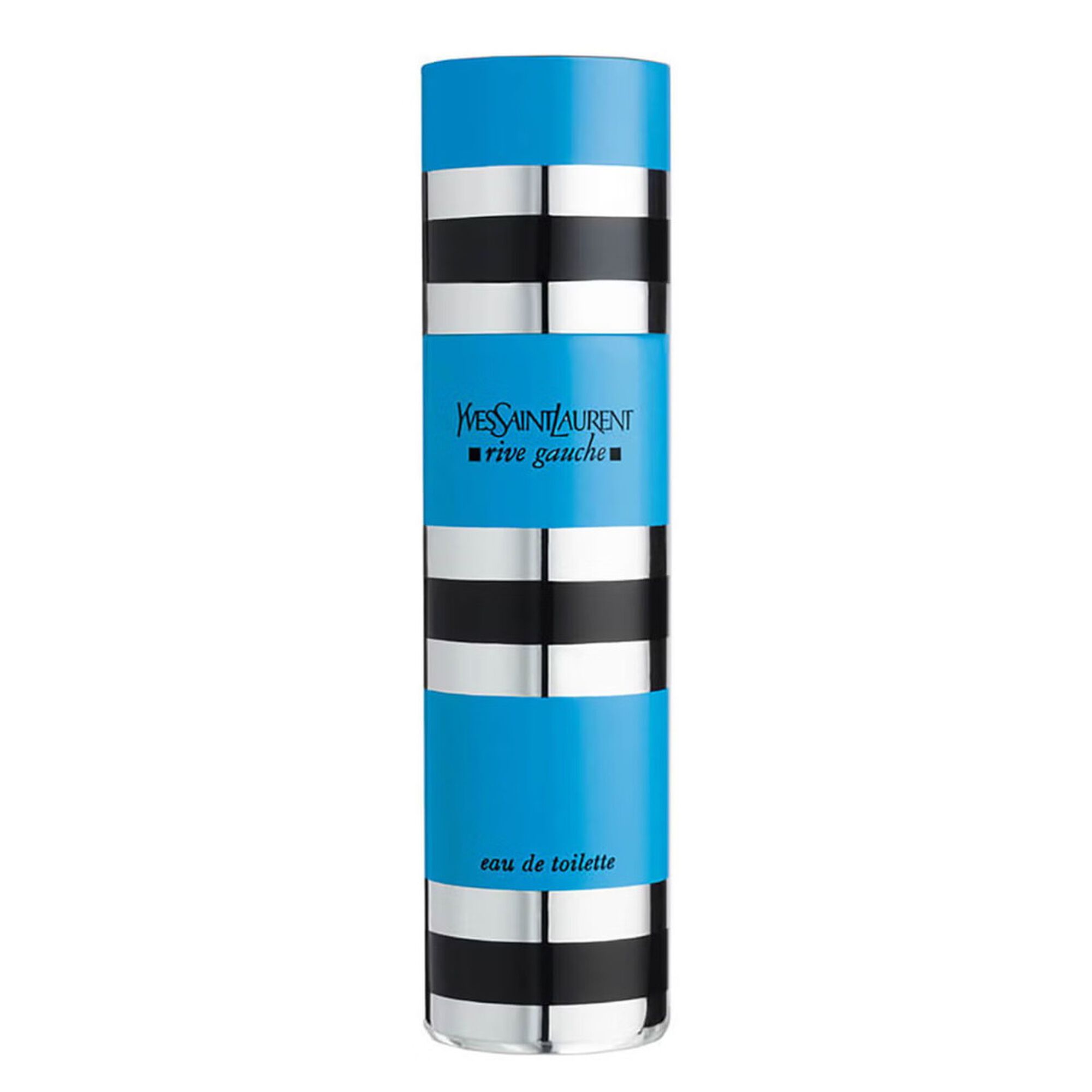
Yves Saint Laurent Rive Gauche EDP — Yves Saint Laurent
An aldehydic floral leather, elegant, with that touch of chic subversion typical of the Saint Laurent house. For the woman who loves florals with character and longevity. Rose and styrax blend here with a subtle yet persistent leather — a rare balance in this category.
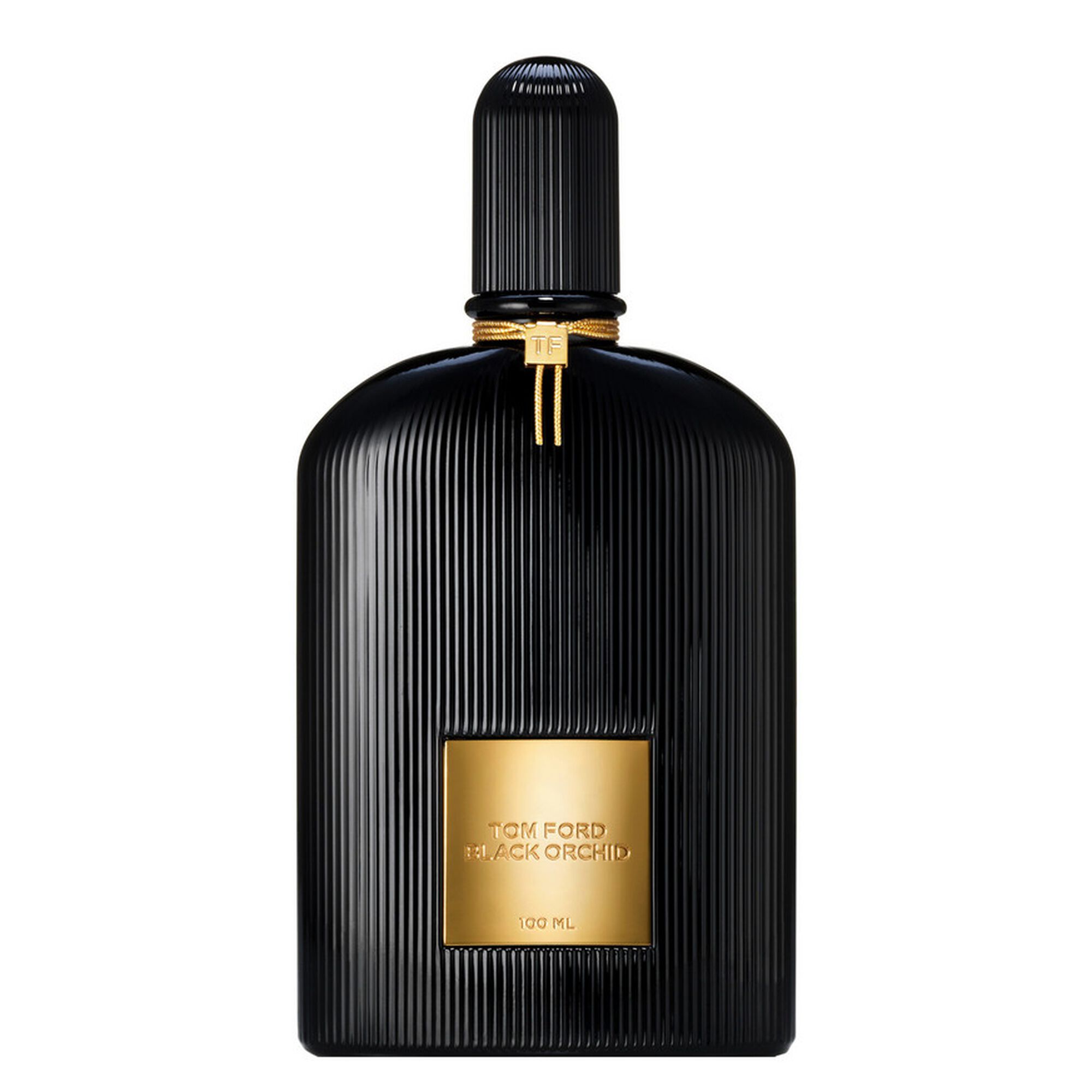
Tom Ford Black Orchid EDP — Tom Ford
A dark, captivating floral leather, built around black truffle, orchid flower and a patchouli-and-vetiver base note. For the woman who wants a feminine leather with real depth, far from the classic powdery suedes. A bold alternative in the Tom Ford women's selection.
On suede / powdery feminine leather: it's often the first entry point into the family for hesitant customers. Lancôme Trésor is the perfect example — iris, white musk, suede — but Yves Saint Laurent Rive Gauche offers a more aldehydic, more assertive alternative. If you're looking for an accessible, soft, felted feminine leather, start here before moving on to smokier or woodier leathers.
Our selection: the best men's leather perfumes 2026
Men's leather has its own codes. It plays on dry woods (cedar, vetiver, oud), warm spice (black pepper, cardamom, cinnamon), dark smoke (birch tar, cade) or amber-leather (labdanum, resins). These are perfumes that own their presence — a pronounced sillage, longevity on the skin, an assertive character. Our men's leather selection covers all these profiles.
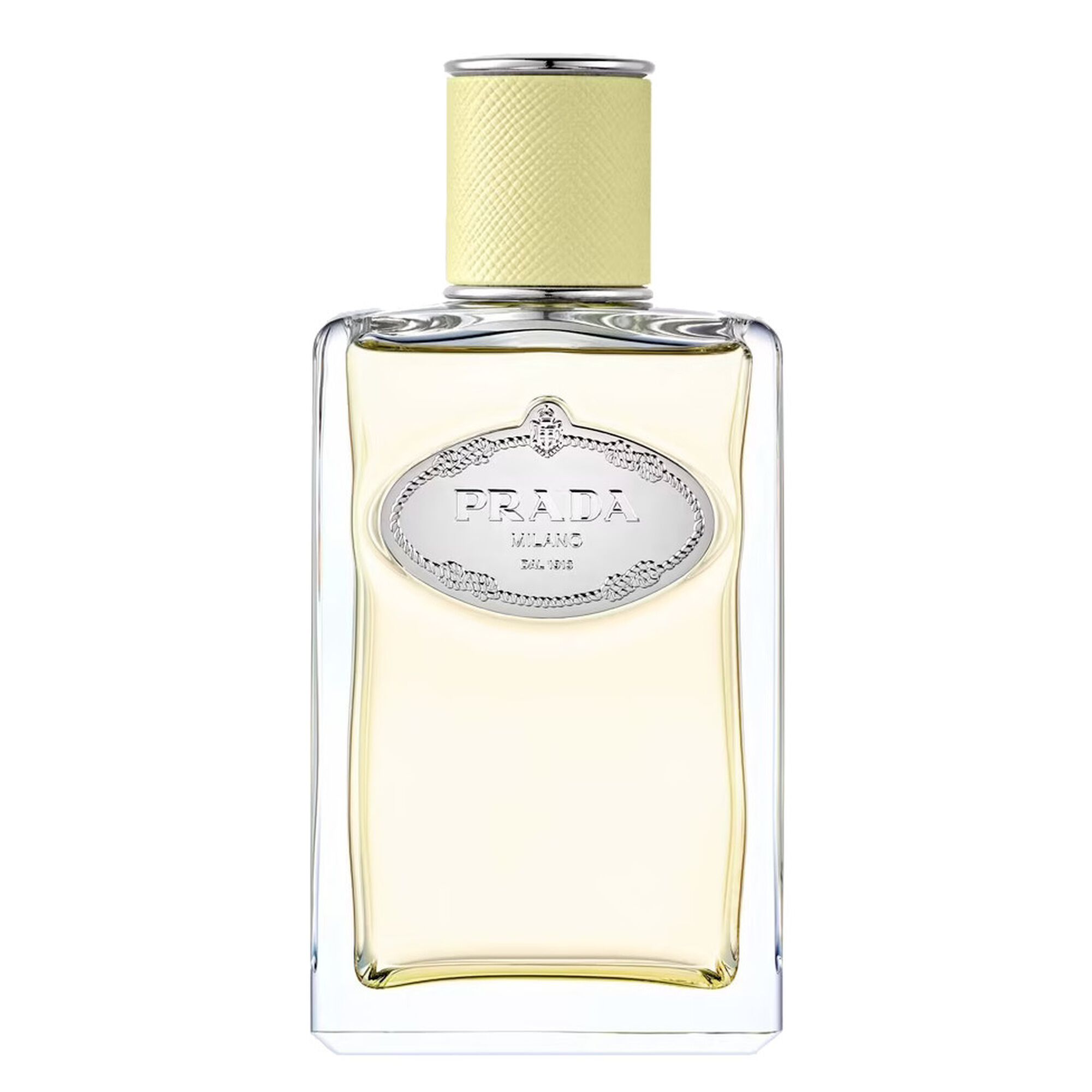
Prada Infusion de Vétiver EDP — Prada
Prada's understated approach applied to woody leather: dry vetiver, subtle leather, controlled sillage. For the man who wants an elegant leather, not too assertive, suited to the office as much as the city. A premium leather made accessible, without any showiness.
Prada Infusion de Gingembre EDP — Prada
In the same refined vein as Infusion de Vétiver, this variation brings a spicy-woody vibrancy that warms the leather accord without weighing it down. Fresh ginger, dry woody notes and a subtle leather base note: for the man seeking a daytime leather, light and modern.
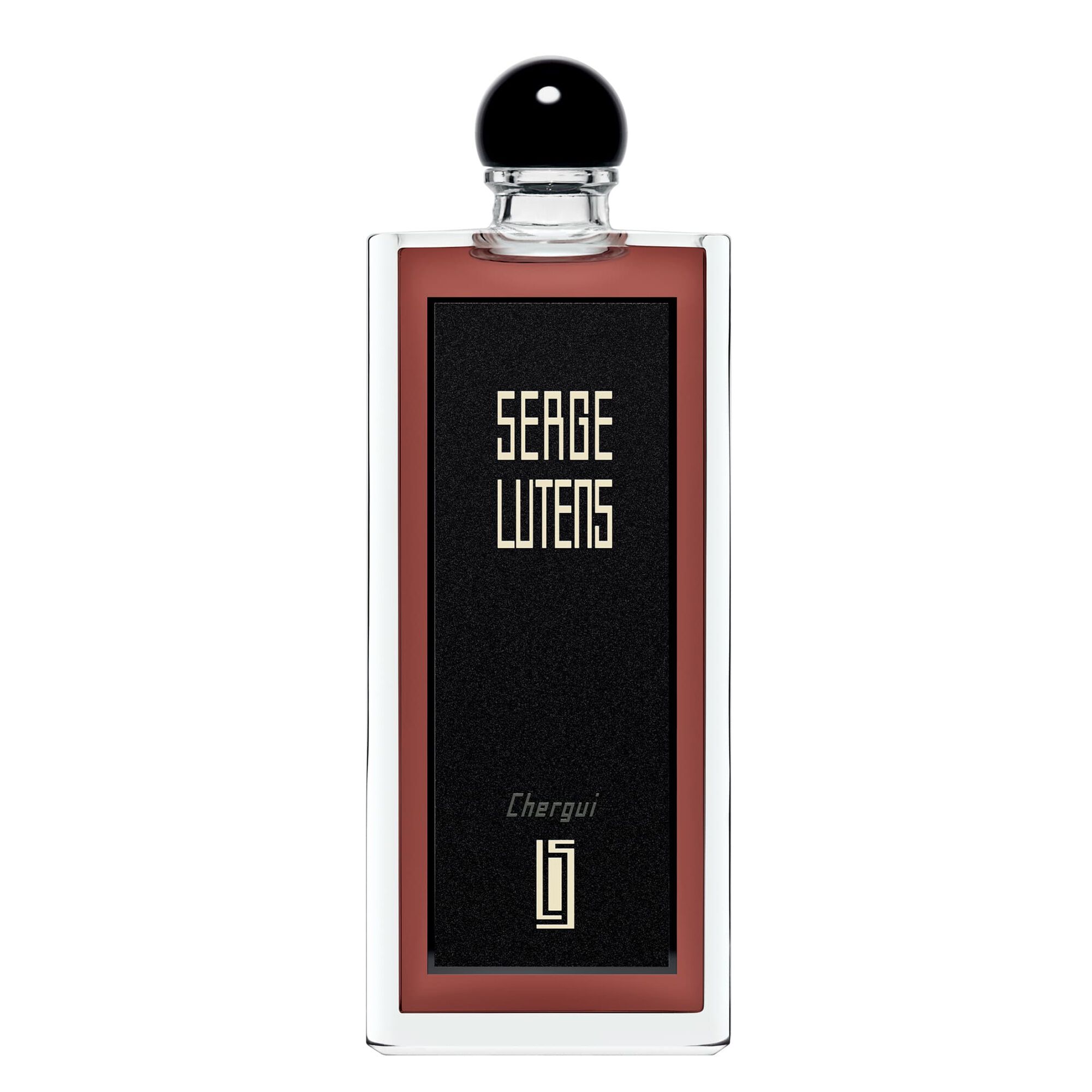
Serge Lutens Chergui EDP — Serge Lutens
Serge Lutens' iconic leather-tobacco-honey accord. Warm, virile, with that blond tobacco facet that envelops the leather in an almost captivating softness. For the lover of spicy leathers who wants to step off the beaten path. A house classic, and a pivot piece in our selection.
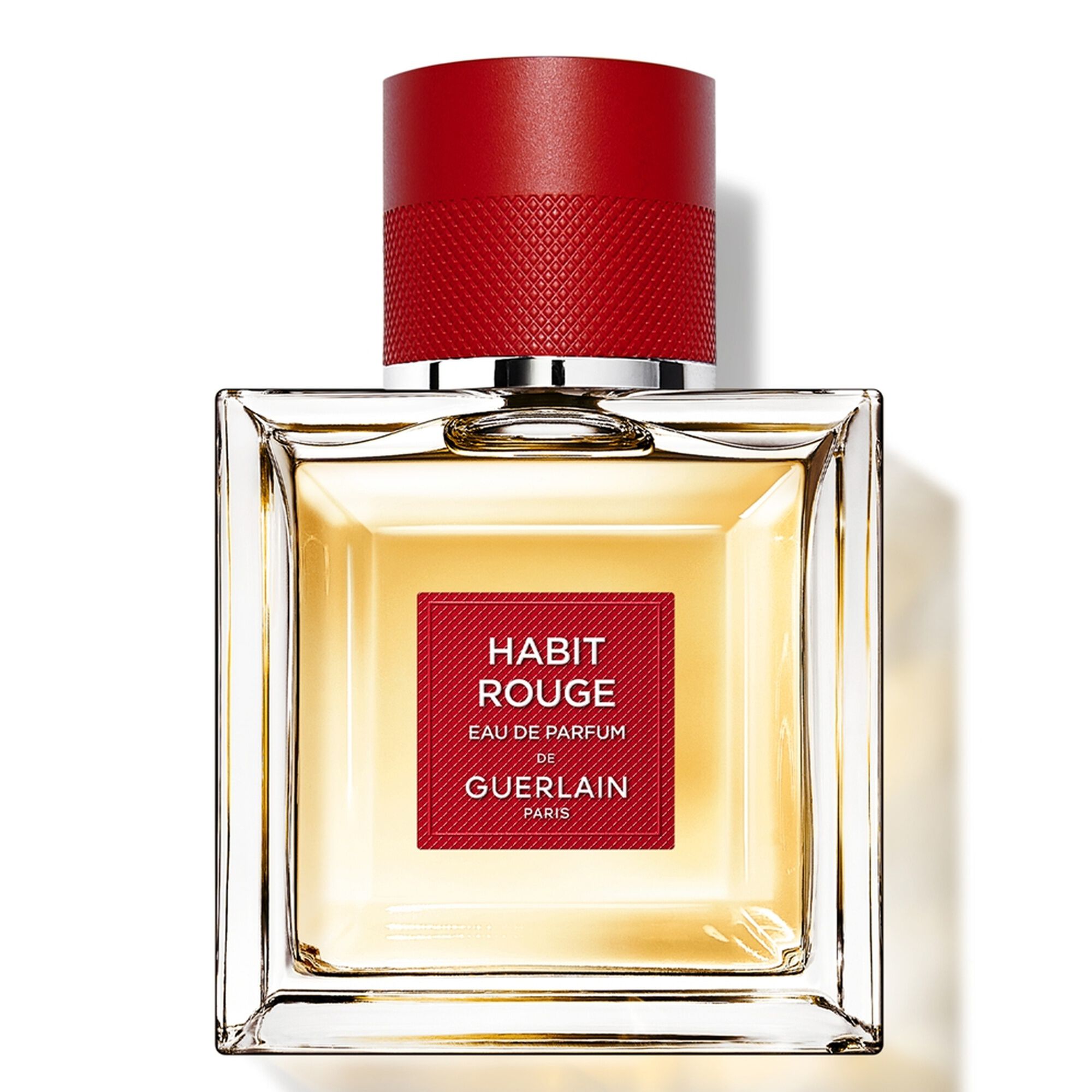
Guerlain Habit Rouge EDP — Guerlain — 64 €
An icon of French men's leather since 1965. Sharp lemon and carnation in the top note, leather and patchouli in the heart note, labdanum and amber in the base note. A timeless, equestrian elegance, for the man who loves a warm, refined sillage. Three generations of loyal wearers — that's no coincidence.
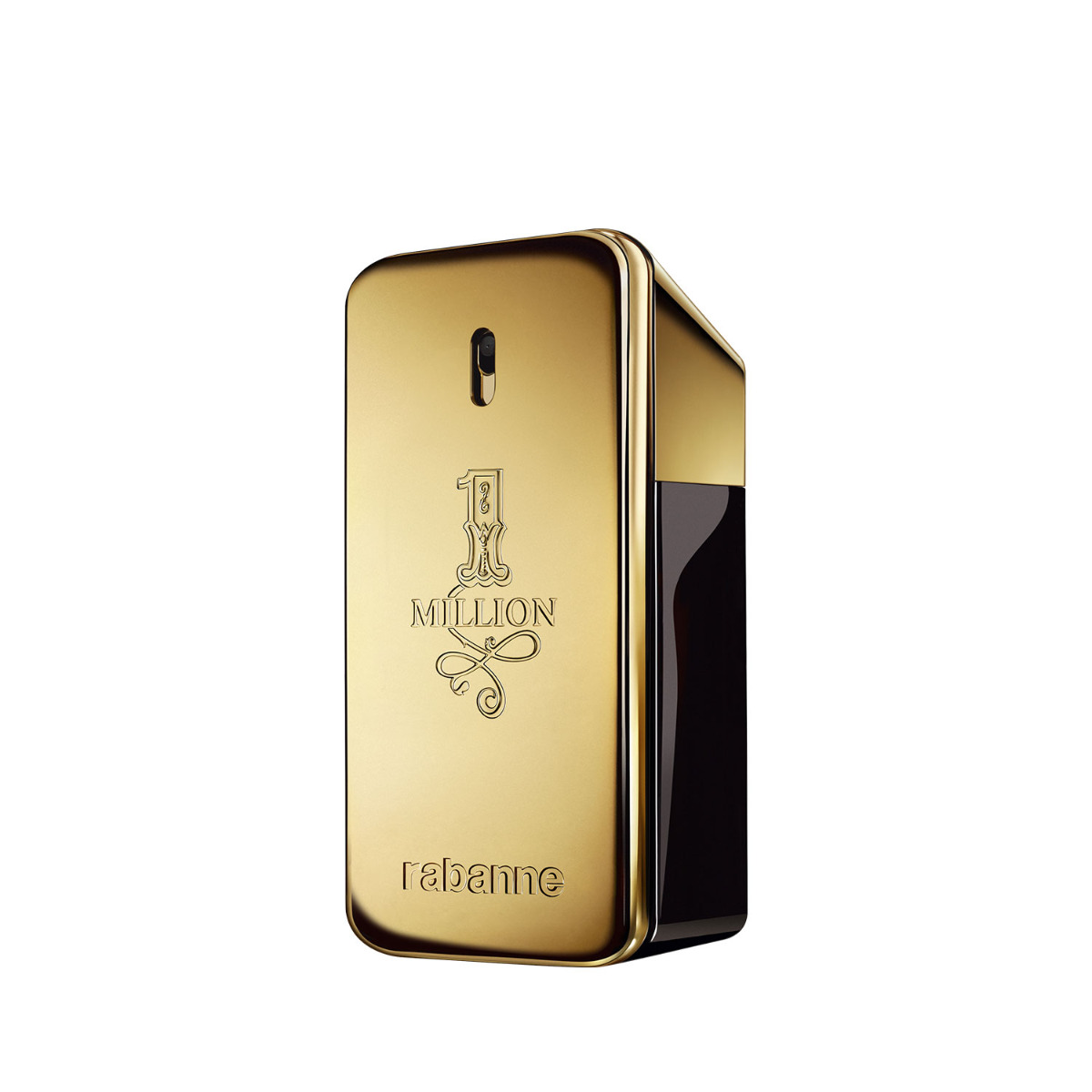
Paco Rabanne 1 Million EDP — Paco Rabanne
A men's best-seller in spicy leather, at an accessible price point. Cinnamon, black pepper and leather over a patchouli base note: a direct, identifiable spicy leather, with strong sillage. For the man who wants a modern, confident leather, with excellent value for money.
Mugler A\*Men Pure Leather EDT — Mugler
The smoky leather variation from the Mugler house. Dark, intense, masculine, with the characteristic longevity of the A*Men range. For the man who wants an accessible smoky leather, without going niche. A solid alternative to references costing twice as much.
Tom Ford Tobacco Vanille EDP — Tom Ford
Tom Ford's iconic tobacco-leather-vanilla accord. Blond tobacco, soft spices, leather and creamy vanilla: a warm, enveloping spicy leather that straddles the "tobacco leather" and "vanilla leather" worlds. For lovers of rich, generous leathers who aren't afraid to be noticed.
For niche enthusiasts, Marc-Antoine Barrois B683 and Frédéric Malle Rose & Cuir are worth trying if you visit a specialist house — two references that push the leather family in very personal directions.
Leather perfume, Cuir de Russie, tobacco leather: what are the differences?
| Style | Dominant notes | Character | Target audience |
|---|---|---|---|
| Cuir de Russie | Empyreumatic birch, cade, birch tar, aldehydes | Raw, animalic, historic | Connoisseurs, niche enthusiasts |
| Tobacco leather | Blond/dark tobacco, labdanum, black pepper, cinnamon | Warm, virile, enveloping | Men, unisex, lovers of spicy leathers |
| Suede leather | Suede, iris, violet, white musk, powdery amber | Soft, felted, approachable | Women, unisex, entry point into the leather family |
Cuir de Russie: the birth of a fragrance family
The expression "Cuir de Russie" originally referred to the leather of Russian saddlery and boots, treated with empyreumatic birch oil — which gave it that highly distinctive scent, at once smoky, animalic and slightly tarry. The glove-perfumers of Grasse were among the first to work with this material, in the 17th century, to scent glove skins.
In modern perfumery, Chanel's Cuir de Russie (1924) formalised this accord: empyreumatic birch, cade, birch tar, aldehydes. It's a historic composition, one that laid the foundations for an entire family. L'Artisan Parfumeur Cuir Grenat and Guerlain Mitsouko also belong, each in their own way, to this tradition of raw, animalic leather.
Tobacco leather: the warm, virile variation
Tobacco leather is a natural evolution of Cuir de Russie, in a warmer, more approachable direction. Blond or dark tobacco — depending on the composition — envelops the leather accord in an almost edible softness. Labdanum, black pepper and cinnamon reinforce this warmth. This is a virile sub-family, associated with the golden age of men's perfumery.
Guerlain Habit Rouge (1965) is the historic archetype. Serge Lutens Chergui adds a very personal honey dimension. Tom Ford Tobacco Vanille pushes the accord towards creamy vanilla — a more contemporary, more gourmand interpretation.
Suede leather: the soft, powdery version
Suede leather is the most approachable sub-family within the leather family. It rests on a velvety facet of leather — suede — paired with iris, violet and white musk. The effect is felted, powdery, almost comforting. It's often the first leather recommended to someone who has never worn a leather perfume.
État Libre d'Orange Clean Suede is a modern, light and relaxed illustration. Lancôme Trésor remains the mainstream reference — a floral-suede leather that has stood the test of decades without ageing.
How to choose between the three worlds?
It all depends on what you're looking for. If you want a historic, raw, animalic leather — Cuir de Russie is your territory. If you prefer warmth, spice, tobacco — head towards tobacco leather. And if you're still unsure, start with suede leather: soft, felted, it lets you discover the family without a radical commitment. Our Tendance Parfums selection covers all three profiles — women's, men's, unisex — to help you find yours.
Woody leather perfume: depth and character
What are birch tar and cade in perfumery?
Birch tar is obtained through the dry distillation of white birch bark. The process involves heating the bark without oxygen, which releases a dense, dark oil with a powerful scent of tar, smoke and tanned leather. It's one of the oldest raw materials in perfumery — and one of the hardest to dose. Too little, and the leather accord lacks depth. Too much, and the composition becomes overpowering.
Cade, meanwhile, is distilled from oxycedar juniper wood. Its profile is similar to birch tar — smoky, animalic, slightly phenolic — but with a drier, almost medicinal facet. The two materials often work together in smoky leathers. Empyreumatic birch deserves a dedicated feature, given how distinctive its distillation is and how long its history in perfumery runs.
In modern woody leathers, these materials are often used in very small doses, framed by drier woods — cedar, vetiver, sandalwood — which give structure and longevity without weighing the composition down. This is precisely what distinguishes a woody leather from a smoky leather: the proportion of birch tar and cade relative to the accompanying woods.
Our woody leather selection at Tendance Parfums
Ombré Leather — Direct woody leather, cardamom-patchouli-vetiver, a modern androgynous reference. The most accessible woody leather in the family, without compromising on depth.
Cuir Mauresque — Serge Lutens' niche smoky leather, birch tar and cade, dark and animalic. For anyone who wants to take the woody-smoky leather logic to its full conclusion.
Cuir Intense Eau de Parfum — Elegant woody leather, French house, classic precision. The most refined of the three, with a controlled sillage and remarkable longevity.
Woody leather: feminine or masculine?
This is the question I hear most often in-store, and my answer is always the same: neither, or both at once. The leather family is androgynous by nature. Tom Ford Ombré Leather sells just as well to women as to men. Serge Lutens Cuir Mauresque too. What matters isn't the gender indicated on the flacon — it's how the perfume expresses itself on your skin.
The gender binary is particularly artificial in woody leather. A dry vetiver, an assertive cedar, an earthy patchouli — these notes have no gender. They have character. And that character belongs to you, or it doesn't. To explore other families that share this woody anchor, woody families offer many points of comparison.
How to wear a leather perfume
Which season suits a leather perfume?
Leather is an autumn and winter family, almost by definition. Empyreumatic molecules develop better on skin warmed by the cold — they rise slowly, last long, cling to clothing. In the height of a heatwave, an intense smoky or woody leather can become overpowering, even oppressive.
For mid-season wear, suede leather and floral leather are far better suited: light, powdery, they hold without becoming overwhelming. Spicy leather works well in autumn as temperatures start to drop. If you enjoy fougere families, certain suede leathers come close in their springlike lightness.
Leather perfume: day or evening?
During the day, I often recommend suede or floral leathers in EDT form: subtle, elegant, without an overwhelming sillage. They work well at the office. In the evening, smoky and woody leathers in EDP take on their full dimension — the sillage unfolds, the depth settles in.
For a special occasion or an important event, a Cuir de Russie or a leather extrait de parfum offers long-lasting presence, without the need to reapply. A single spray is often enough for an entire evening.
How much does a good leather perfume cost?
The leather family covers every budget. At entry level (25-70 €), you'll find accessible spicy leathers such as Paco Rabanne 1 Million or solid woody options. The premium segment (70-120 €) is very well stocked: Guerlain Habit Rouge at 64 €, Prada Infusion de Vétiver, Lancôme Trésor. Above 100 €, niche and luxury houses take over — Tom Ford, Serge Lutens — with higher concentrations and rarer raw materials. A good leather perfume exists at every price point; the difference mainly lies in complexity and longevity.
Frequently asked questions about leather perfumes
What exactly is a leather perfume?
A leather perfume is a composition built around an accord that evokes tanned, smoky or suede leather. It uses natural materials such as empyreumatic birch and cade, or synthetic molecules such as isobutyl quinoline. It is one of the most persistent and most distinctive families in perfumery.
What does leather smell like in a perfume?
The scent of leather in perfumery is dry, animalic, sometimes smoky or tar-like. It can also be soft and velvety (suede leather) or warm and spicy (tobacco leather). It is recreated using natural or synthetic materials — never from real leather. To find out more: leather notes in perfumery.
Which raw materials give perfumes their leather scent?
The main raw materials are birch tar, empyreumatic birch, cade, styrax, labdanum and castoreum. In synthesis, isobutyl quinoline is the key molecule. Our feature on empyreumatic birch details these materials in depth.
What are the best leather perfumes for women and men?
For women: Trésor (soft floral leather), Ombré Leather (androgynous woody leather), Rive Gauche (aldehydic floral leather). For men: Habit Rouge (classic spicy leather), Chergui (tobacco leather), Tom Ford Tobacco Vanille (vanilla tobacco leather).
Which women's perfume has a leather scent?
Trésor is the reference for feminine floral leather: rose, iris and white musk over a very soft suede base note. Rive Gauche offers a more aldehydic floral leather, with more character. For an assertive feminine leather, Ombré Leather works very well on a woman.
Which men's perfume has a leather scent?
Habit Rouge has been the icon of French men's leather since 1965 — spicy leather, labdanum, amber. Chergui offers a warm, distinctive tobacco leather. For a more modern woody leather, Prada Infusion de Vétiver is understated and elegant. Our men's leather selection covers all profiles.
What is the difference between a smoky leather and a suede leather?
Smoky leather is dark, animalic, tar-like — built on birch tar and cade. Suede leather is soft, felted, powdery — built on suede, iris and white musk. These are two opposite interpretations of the same territory: one subversive and intense, the other approachable and reassuring.
How much does a good leather perfume cost?
A good leather perfume exists at every price point. Expect 25-70 € for accessible options (Paco Rabanne 1 Million), 64-120 € for the premium segment (Guerlain Habit Rouge at 64 €, Lancôme Trésor, Prada), and 100 € and above for niche and luxury (Tom Ford, Serge Lutens). Longevity and complexity generally increase with price.