
White tea perfume: buying guide and best fragrances 2026
The white tea note is one of the most delicate in contemporary perfumery: slightly aquatic, with an almost transparent floral softness, it evokes the infusion of unoxidised leaves rather than a strong tea. It appeals to anyone seeking a clean, soothing freshness, carried by a noble material. This guide will help you understand this note, place it within the fragrance pyramid, and choose the parfum that suits it best from our selection.
The white tea note in perfumery: what is it?
The white tea note in perfumery refers to a soft, slightly floral and watery olfactory facet, inspired by very young tea leaves picked and dried without fermentation.
A reconstituted material, not distilled
Unlike green tea or black tea, white tea does not yield an essential oil that can be extracted through classic distillation, owing to its extreme fragility. In perfumery, the note is therefore most often reconstructed using synthetic molecules or absolutes obtained through cold extraction, capturing its fine herbaceous character, slightly sweet and almost transparent. Some perfumers also use keto-aldehydes or soft musks to approach its cottony texture.
Its olfactory facets
The white tea note can be recognised by several characteristics occurring at once:
- An aquatic lightness close to spring water or morning mist;
- A slightly powdery softness, never opulent, sometimes cottony;
- A subtle floral longevity, evoking honeysuckle or cotton flower rather than rose or jasmine;
- A clean, airy sillage, which never weighs down the composition.
Position within the fragrance pyramid
Depending on the formulation, white tea is placed as a top or heart note: as a top note, it opens the composition with an immediate freshness; as a heart note, it provides a soft transition between the opening citrus and the woody or musky base notes. It rarely holds the base note alone, but it extends the life of an accord within musky base notes.
Which notes does it pair with?
White tea works particularly well with:
- Light floral notes (iris, cotton flower, frangipani);
- Soft woods (sanded cedar, Australian sandalwood);
- Clean musks and lightly sweet vanilla notes;
- Citrus fruits (bergamot, lemon) in the opening.
It can also balance spicier accords — soft chilli, white pepper — by bringing the lightness that keeps the composition from becoming heavy.
What are the best white tea fragrances?
Our selection of white tea fragrances brings together references available between 31.50 EUR and 47 EUR. Each product has been chosen according to objective criteria: actual sales recorded over the past twelve months in our online shop and verified reviews left by our customers. Below you will find fragrances suited to every profile — feminine, masculine and unisex — covering a broad spectrum of intensity, from aquatic lightness to soothing oriental accords.
Our favourites, reviewed
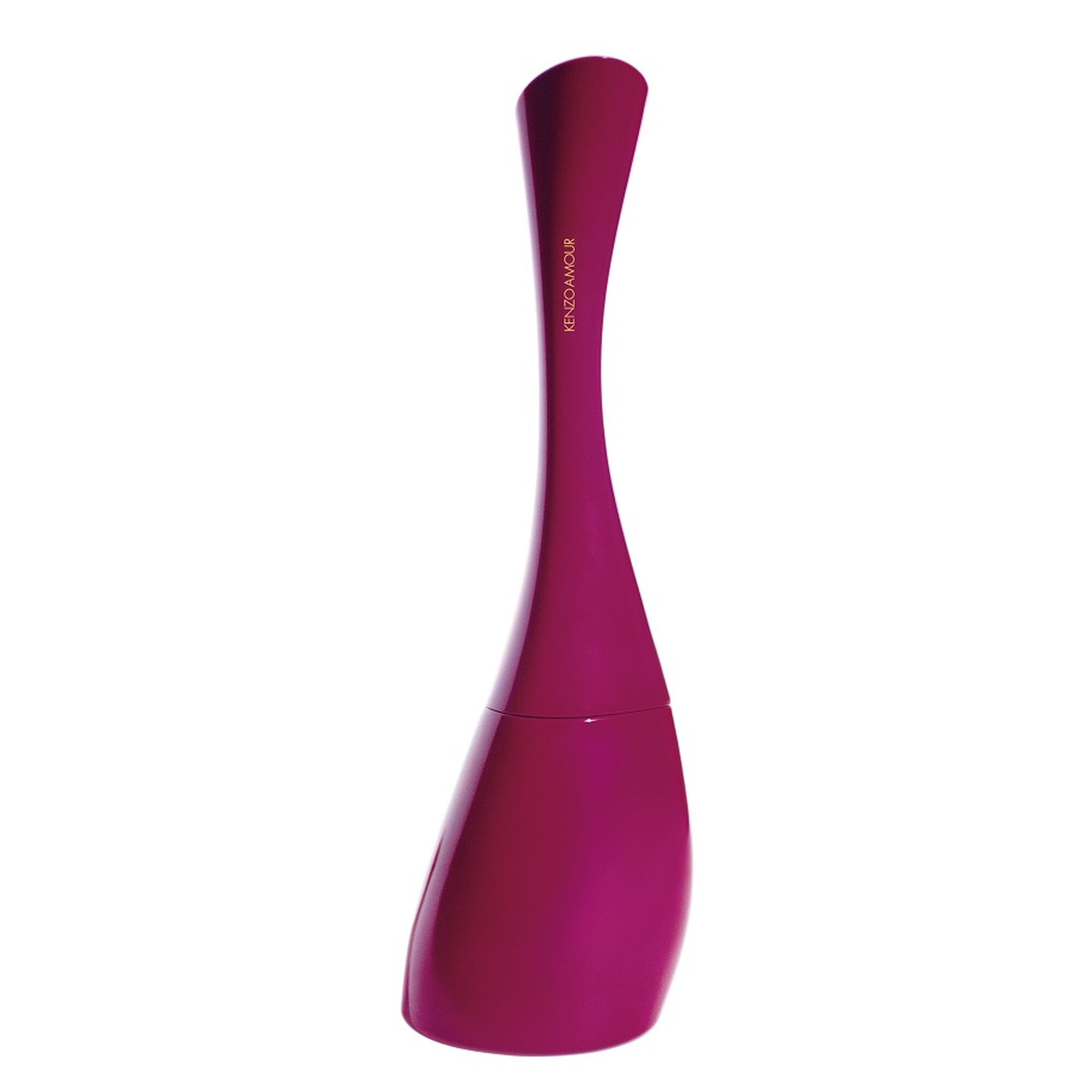
Kenzo Kenzo Amour — With a perfect rating of 5/5 across 26 verified reviews, this is the most acclaimed reference in our selection. The white tea accord slips in between frangipani and vanilla to create an oriental softness of remarkable coherence. One customer sums up the attachment it inspires: "My first perfume and quite certainly my last! The parfum of a lifetime!" A safe bet, feminine and soothing.
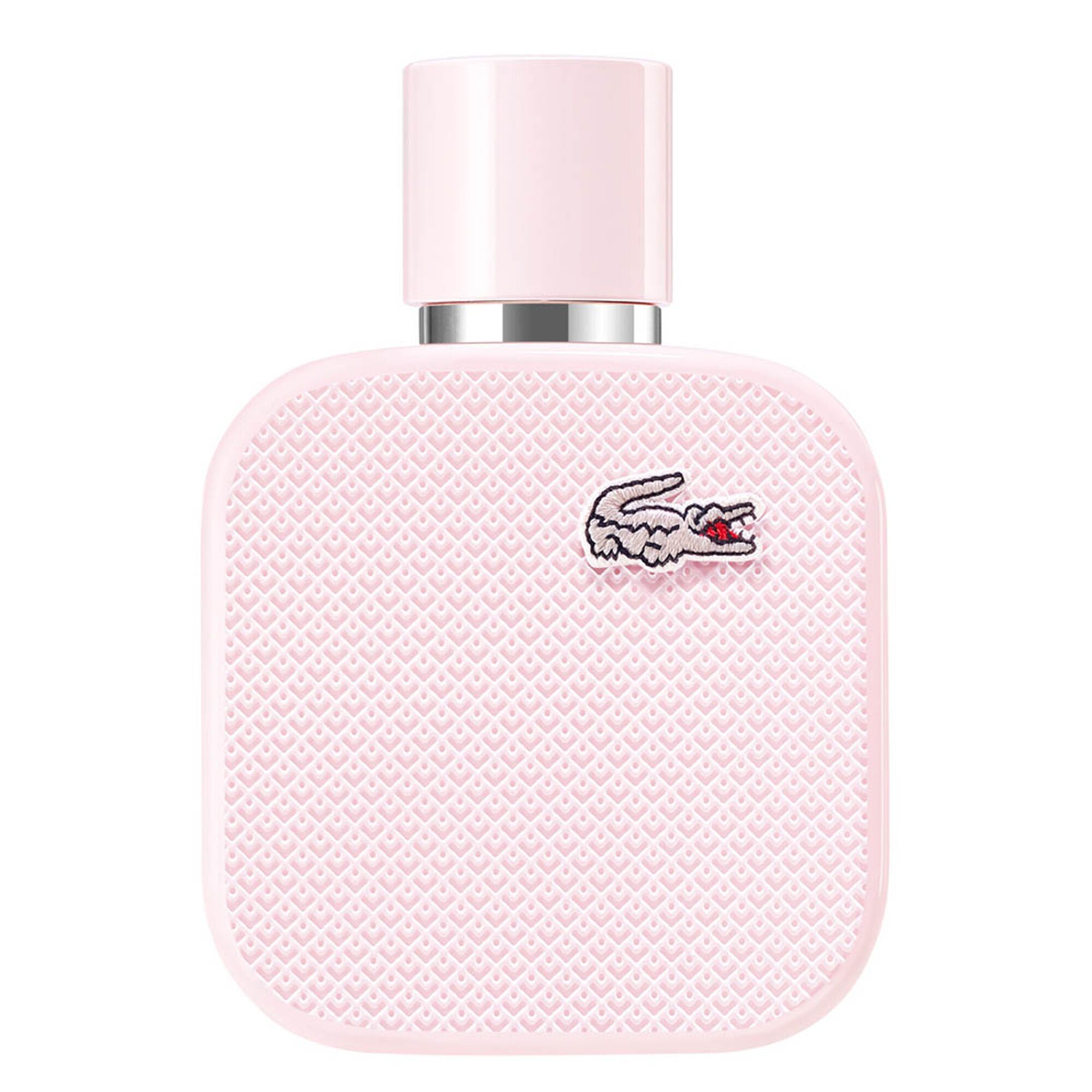
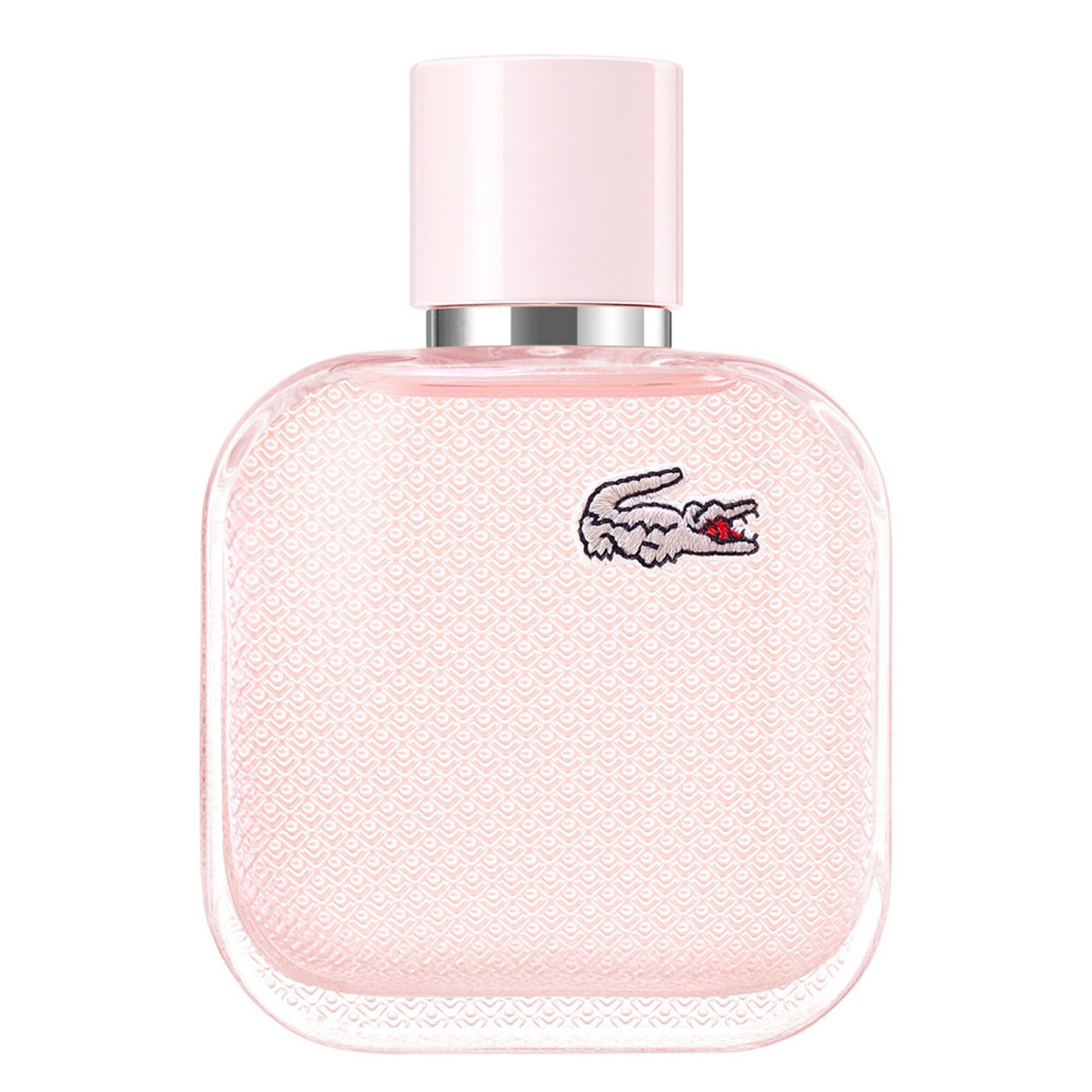
Lacoste L.12.12 Rose — The most accessible version of the Rose line, at 31.50 EUR, rated 5/5 (2 verified reviews). Around cotton flower, iris and a subtle cedar, white tea here brings an ideal cottony lightness for everyday wear. A solid value-for-money choice for discovering the note without a major commitment.
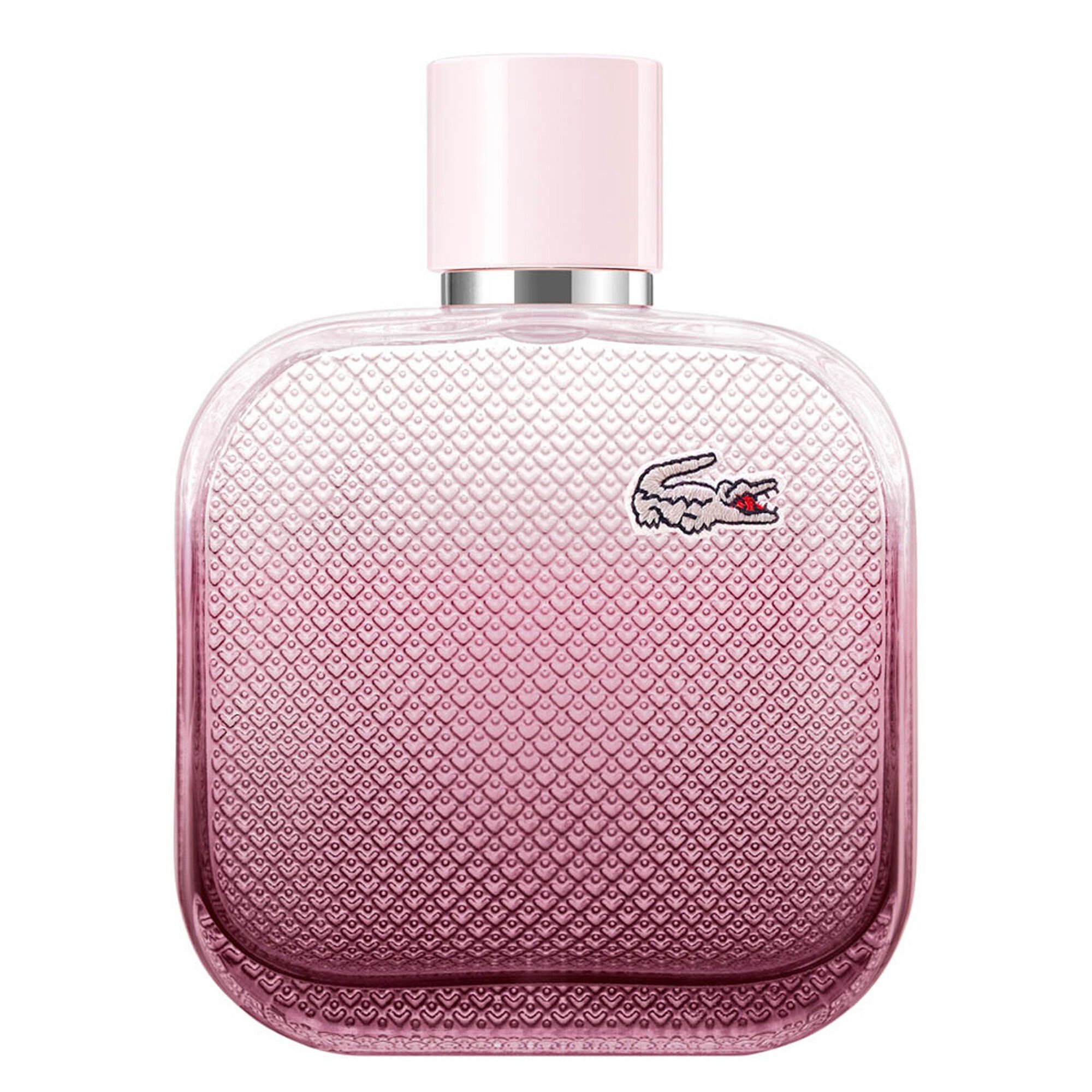
Lacoste L.12.12 Rose Eau Intense — This intensified version at 46 EUR brings greater depth to the Rose accord: the chilli becomes more present, the cedar woodier, while the cotton flower keeps its soft texture. Rated 4/5 by a verified buyer, it suits those who want more character without leaving the floral-fresh family.
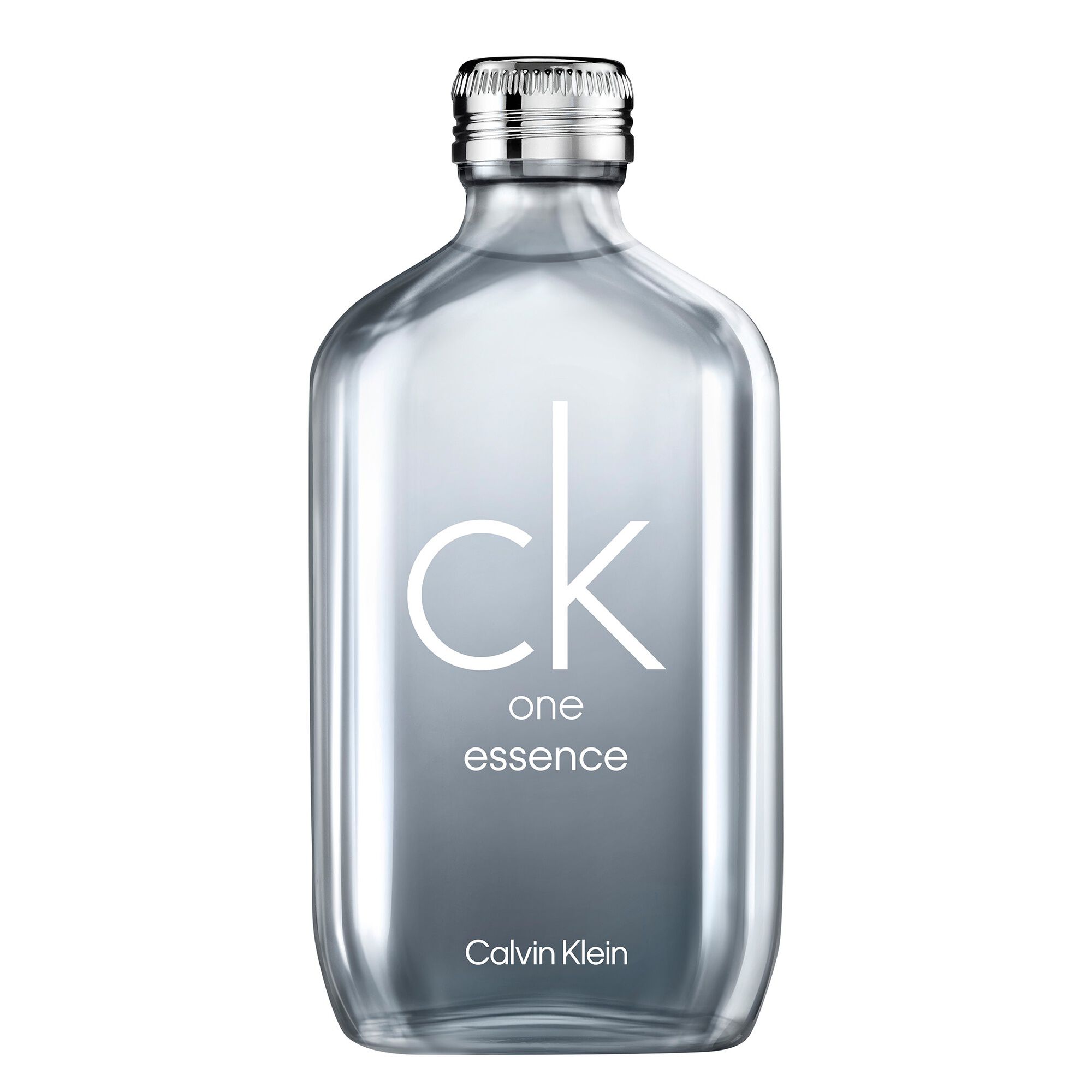
Calvin Klein CK One Essence — At 45.50 EUR, this concentrated version of the iconic CK One combines bergamot, geranium and Australian sandalwood in a citrus-aromatic accord where white tea plays a clean, structuring role. With no customer reviews yet. A relevant choice for lovers of crisp, contemporary unisex accords.
White tea for women and men: how to choose?
The white tea note suits feminine fragrances just as well as masculine or unisex creations, depending on the accords that accompany it.
For women
In a feminine composition, white tea readily pairs with soft florals — powdery iris, cotton flower, frangipani — and with light vanilla or musky base notes. The result is an enveloping parfum that is never overpowering, breathing delicacy throughout. This type of accord is particularly well suited to spring and autumn, seasons when the skin releases light materials without the heat overwhelming them. For everyday office wear or a lunch outing, it is a very versatile choice.
For men
In a masculine accord, white tea takes on a slightly harder edge: it is paired with dry woods such as cedar, understated spices (black pepper, geranium) or incense. The effect is more mineral, drier, while retaining the characteristic cleanliness of the note. These versions are perfectly suited to daily wear in any season, with a slight preference for temperate months (March to October). Avoid overheating them in the middle of summer under thick clothing: white tea deserves open air.
For unisex fragrances
White tea is naturally a unisex note: its most iconic fragrances are often designed to be shared. Bergamot in the opening and sandalwood in the base note make it an accord that can be worn by anyone, without adjustment.
Tips for testing
- Test the parfum on skin, never only on a blotter: white tea is so subtle that a blotter will not give you an accurate sense of its projection.
- Wait ten to fifteen minutes before judging: the note unfolds gradually.
- Spray on the wrist or nape of the neck rather than on clothing, to let your body warmth reveal the aquatic facets.
Tendance Parfums figures
What our own online perfumery data tells us about the white tea note — figures you won't find anywhere else:
- Fragrances with a white tea note available in our catalogue, from 32 EUR to 47 EUR (core range 46-46 EUR).
- The best-seller among our customers over the past 12 months: Kenzo Kenzo Amour.
- Average rating of our selection: 5.0/5 across 29 verified customer reviews.
- Prices and stock updated continuously; free delivery from 59 EUR of purchases.
Frequently asked questions
What is the white tea note in a perfume? The white tea note refers to a light, watery and slightly floral olfactory facet, inspired by young, unfermented tea leaves. In perfumery, it is almost always reconstructed synthetically, as white tea does not yield a distillable essential oil. It brings cleanliness, cottony softness and transparency to a composition.
Do white tea fragrances suit both women and men? Yes, white tea is naturally a unisex note. Paired with soft florals and vanilla, it leans feminine; with cedar, pepper or incense, it becomes more masculine. Our selection covers both worlds, as well as unisex accords.
How long does a white tea fragrance last? The white tea note is inherently light and subtle: its longevity generally sits between three and five hours on skin. To extend the sillage, spray on the nape of the neck or the inner elbow, warmer areas, and favour EDP or Essence versions rather than light eaux de toilette.
In which season should you wear a white tea perfume? White tea can be worn all year round, but it best expresses its watery, delicate facets in spring and autumn. In summer, choose a fresh or citrus version; in winter, opt for a white tea-vanilla or white tea-incense accord for more warmth and presence.
What is the difference between white tea and green tea in perfumery? Green tea is more herbaceous, slightly bitter and vegetal; it evokes a fresh, invigorating infusion. White tea is softer, almost powdery and airy, with a cottony texture. White tea accords suit delicate floral compositions better, while green tea blends more easily into aromatic or citrus families.