
Sichuan Pepper Perfume: Buying Guide and Best Perfumes 2026
Sichuan pepper is a vegetal spice native to China, distinct from black pepper: its olfactory signature is at once tangy, slightly citrusy and mildly numbing, with a fresh woody edge much prized in contemporary perfumery. In a flacon, it brings definition and vibrancy without ever feeling harsh. This guide will help you understand this note and choose the perfume that suits you, whether you are a novice or a seasoned enthusiast.
The Sichuan pepper note in perfumery: what is it?
Sichuan pepper (Zanthoxylum simulans or related species) is not, botanically speaking, a true pepper: it is the dried pericarp of the fruit of a shrub in the Rutaceae family, grown mainly in China. In perfumery, it is used as an essential oil or extrait de parfum, obtained through steam distillation or extraction. Its most remarkable characteristic is its terpenic-citrus olfactory profile, markedly different from black pepper (heavier, earthier) or pink pepper (more fruity-floral).
Its main olfactory facets:
- Fresh tang: a light warmth, never scorching, that instantly awakens the nose.
- Citrus accord: hints of lime zest, even yuzu, which lend it lightness.
- Dry woodiness: a subtle woody structure that anchors it within woody, aromatic compositions.
- Light floral-herbaceous note: almost imperceptible, yet it softens the tangy character.
Its position in the fragrance pyramid: Sichuan pepper is most often placed as a top note or heart note. As a top note, it delivers a vibrant, dynamic first impression that fades within a few minutes. As a heart note, it structures the composition and converses with denser materials. It is rarely found as a base note, as its natural volatility does not lend itself to that role.
Its most successful accords: Sichuan pepper pairs particularly well with citrus (bergamot, grapefruit), woody materials (vetiver, cedar, sandalwood), resins (incense, olibanum) and geranium. It blends less easily into very soft florals or sweet gourmands, where its tangy edge can create an unruly contrast. In woody-aromatic compositions or modern fougeres, however, it plays a valuable structuring role.
What are the best Sichuan pepper perfumes?
Our selection of Sichuan pepper perfumes is built from actual sales recorded on Tendance Parfums over the past twelve months, cross-referenced with reviews left by our verified customers. This dual criterion — genuine purchase and declared satisfaction — guarantees that every reference presented here has proven itself with real buyers, rather than relying solely on brand reputation. Below you will find the references available in our catalogue, along with their olfactory characteristics and price positioning.
Our editors' picks, reviewed
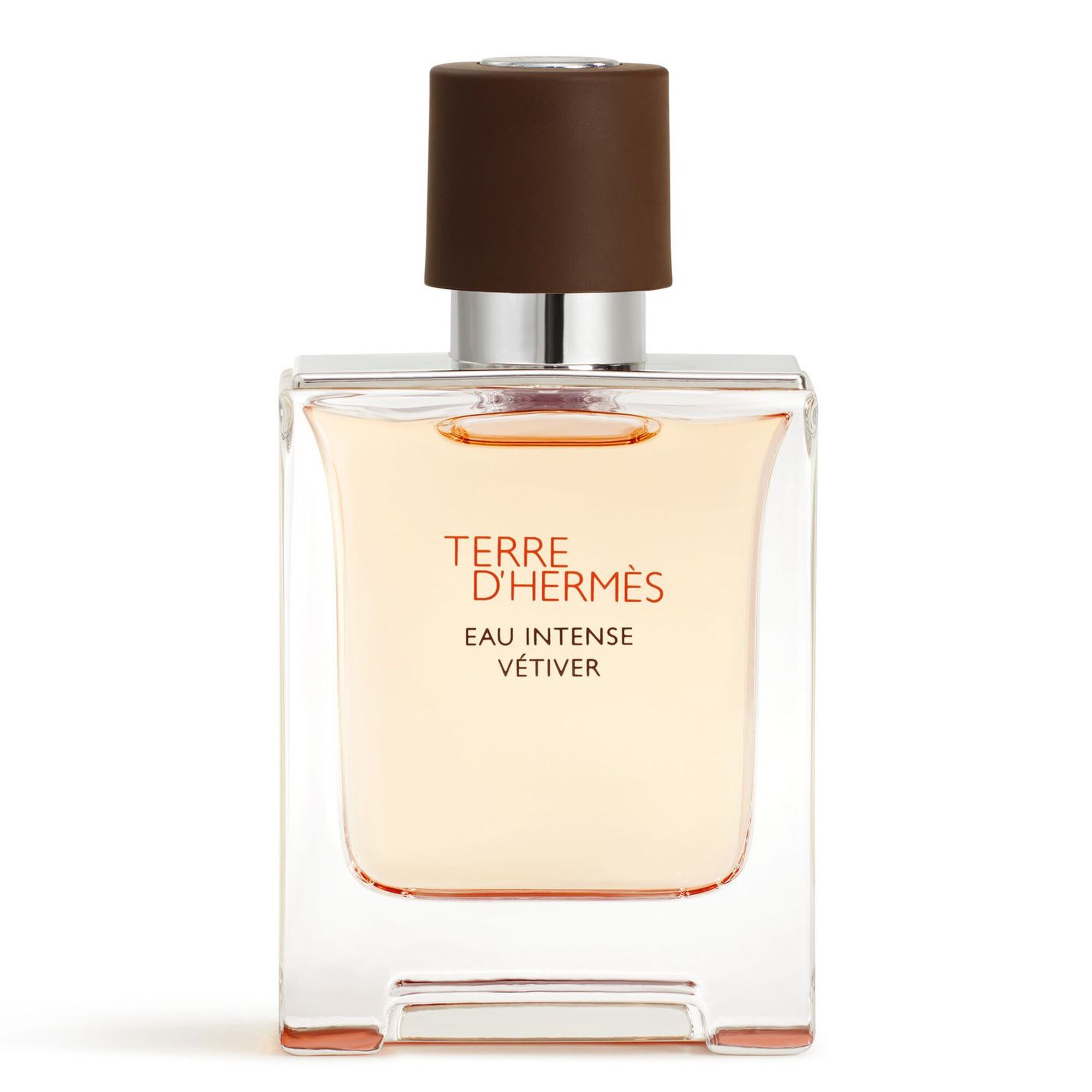
Hermès Terre d'Hermès Eau Intense Vétiver — This intensified version of the Terre line opens with a bergamot-Sichuan pepper-geranium trio that gradually gives way to a smoky vetiver underpinned by olibanum. Here, Sichuan pepper acts as a pivot: it links the citrus freshness of the opening to the woody depth of the base note. With a rating of 4.32/5 from 25 verified reviews, one customer sums up the spirit well: "A delicate parfum with spicy notes just as I like. Of course"
Sichuan pepper for women, for men: how to choose?
Sichuan pepper belongs to no single olfactory gender: it adapts to whatever composition it is set within.
In predominantly masculine perfumes, Sichuan pepper is frequently paired with dry woody materials (vetiver, cedar) and resins (incense, labdanum). The result is a crisp, slightly mineral silhouette with fine verticality. This type of composition is particularly suited to professional settings or autumn-winter evenings, where the depth of the woods is enhanced by the cold.
In predominantly feminine compositions, Sichuan pepper is often paired with light florals (rose, iris) or delicate citrus to temper its tang. It then lends character and originality to a juice that might otherwise seem conventional. These versions work well in spring or in situations calling for a subtle yet memorable skin scent.
In unisex or ungendered juices, Sichuan pepper acts as a pivot: its perception is neutral enough to appeal to anyone who favours woody-spicy perfumes without a strong gender marker.
Practical tips for testing:
- Apply to the wrist and wait ten to fifteen minutes before judging: spicy top notes evolve quickly on warm skin.
- Avoid rubbing your wrist after application, so as not to break down the molecules.
- In summer, warmth amplifies the tang: opt for an eau de toilette rather than an eau de parfum.
- In winter, the woods and resins that often accompany this note fully blossom, and longevity is better.
The Tendance Parfums figures
What our own online perfumery data tells us about the Sichuan pepper note — figures you won't find anywhere else:
- Perfumes featuring the Sichuan pepper note available in our catalogue, from 70 EUR to 70 EUR (core range 70-70 EUR).
- The best-seller among our customers over the past 12 months: HERMÈS Terre d'Hermès Eau Intense Vétiver.
- Average rating of our selection: 4.3/5 from 25 verified customer reviews.
- Prices and stock updated continuously; free delivery from 59 EUR of purchases.
Frequently Asked Questions
What exactly is Sichuan pepper in perfumery? Sichuan pepper is an olfactory note derived from the dried pericarp of an Asian shrub in the Rutaceae family. Its profile is at once tangy, slightly citrusy and dry-woody — very different from black pepper, which is heavier and earthier. In perfumery, it brings vibrancy and definition without harshness, often appearing as a top or heart note.
Are there Sichuan pepper perfumes for women? Yes, Sichuan pepper blends very well into feminine or unisex compositions. It is often paired with delicate florals (rose, iris) or citrus to soften its tang. The result is a perfume with character, original without being aggressive, suited to spring-autumn or to occasions where you want to stand out.
How long does a Sichuan pepper perfume last on the skin? As Sichuan pepper is highly volatile, its signature is mostly perceptible within the first thirty minutes. The overall longevity of the perfume depends on the materials accompanying it: with vetiver, incense or amber wood, an eau de parfum can last six to eight hours. The perceived intensity naturally fades after the opening.
In which season should you wear a Sichuan pepper perfume? Sichuan pepper works year-round, but its expression changes with temperature. In autumn-winter, body warmth brings out the woody and resinous accords that often accompany it. In spring, the citrus facets dominate. In high summer, opt for a lighter concentration (eau de toilette) to avoid an overly tangy result.
What is the difference between Sichuan pepper and pink pepper in perfumery? Pink pepper (Schinus molle) offers a fruity-floral profile with a gentle warmth, much prized in orientals and florals. Sichuan pepper, on the other hand, is more citrusy, dry and terpenic, with a slightly numbing quality specific to its botanical species. It suits woody-aromatic compositions better than pink pepper, which is more versatile in florals.