

Pine perfume: buying guide and best fragrances 2026
In perfumery, the pine note brings an instantly recognisable green, resinous freshness: slightly camphoraceous needles, woody sap, the cold air of conifer forests. It suits both women and men looking for a natural, clean signature without artifice. This guide helps you understand the pine note, identify the fragrances that express it best, and choose the one that matches your use, the season and your budget.
The pine note in perfumery: what is it?
The pine note refers to the set of raw materials — natural or synthetic — that recreate the characteristic scent of Scots pine or other conifer species: green needles, resinous trunk, sap and bark.
Origin and extraction
Raw materials derived from pine are among the oldest used in perfumery. Pine needle essence is obtained by steam distillation of fresh twigs. The fragrance industry also uses turpentine and its derivatives (alpha-pinene, beta-pinene), odour molecules extracted from pine resin, which lend facets that are sometimes camphoraceous, sometimes lemony or terpenic. Synthetic molecules often complete the palette to enhance sharpness or freshness.
Olfactory facets
The pine note is not monolithic. Several registers can be distinguished:
- Green and aquatic pine: fresh needles, an almost minty facet, close to eucalyptus.
- Resinous pine: thick sap, woody warmth, neighbouring balsam fir and cedar.
- Smoky or balsamic pine: notes of dried resin, light incense, sometimes amber.
Position in the fragrance pyramid
Pine most often appears as a top or heart note. As a top note, it provides the initial impact: a clean, green burst that sets the tone. As a heart note, it structures the woody accord and gives it a natural depth. It is more rarely used as a base note, although pine resins can anchor a long-lasting balsamic sillage.
Preferred accords
Pine pairs naturally with:
- Green notes (galbanum, tomato leaf, cut grass) for an authentic forest effect;
- Cedar, vetiver, oakmoss for a structured woody accord;
- Lavender, basil, bergamot in masculine aromatic compositions;
- Eucalyptus and cardamom for a fresh, slightly spicy dimension.
The pine note is often found in the Aromatic, Woody Aromatic and Fougere families.
What are the best fragrances with a pine note?
Our selection of fragrances with a pine note brings together references ranging from 28 to 79 EUR, chosen using verified customer reviews and actual sales recorded on Tendance Parfums over the past twelve months. Below you will find options suited to every profile — from the elegant classic to the contemporary woody scent — so that everyone can identify the fragrance that suits them, whatever their budget or level of familiarity with conifer-note perfumery.
Our commented favourites
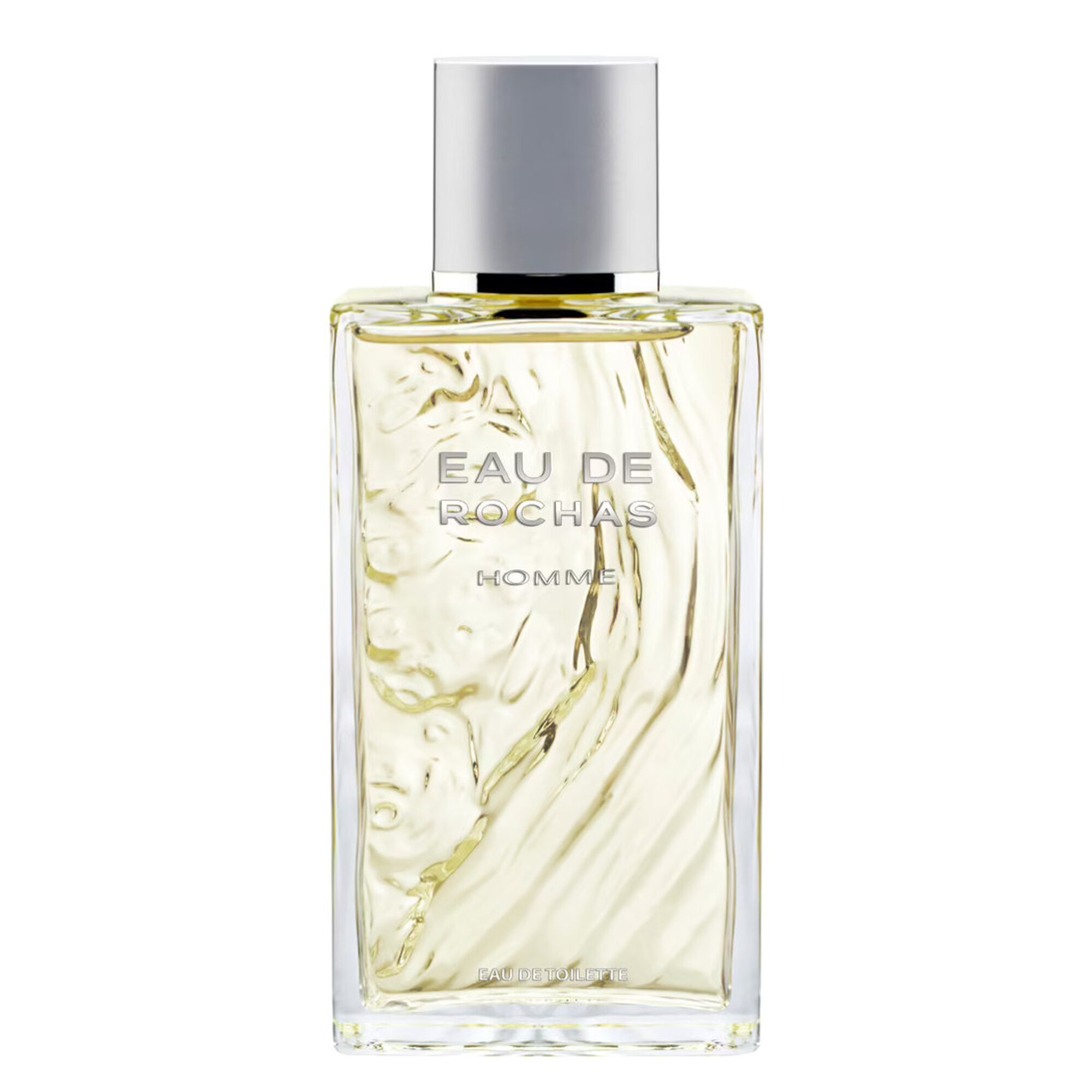
Rochas Eau de Rochas Homme — With a rating of 4.95/5 from 21 verified reviews, this is the most popular pine perfume in our catalogue. Its composition built around cedar, oakmoss and basil creates a classic, subtle and refined woody aromatic. One customer has worn it "for dozens of years": that's the definition of a reliable fragrance, at 28 EUR.
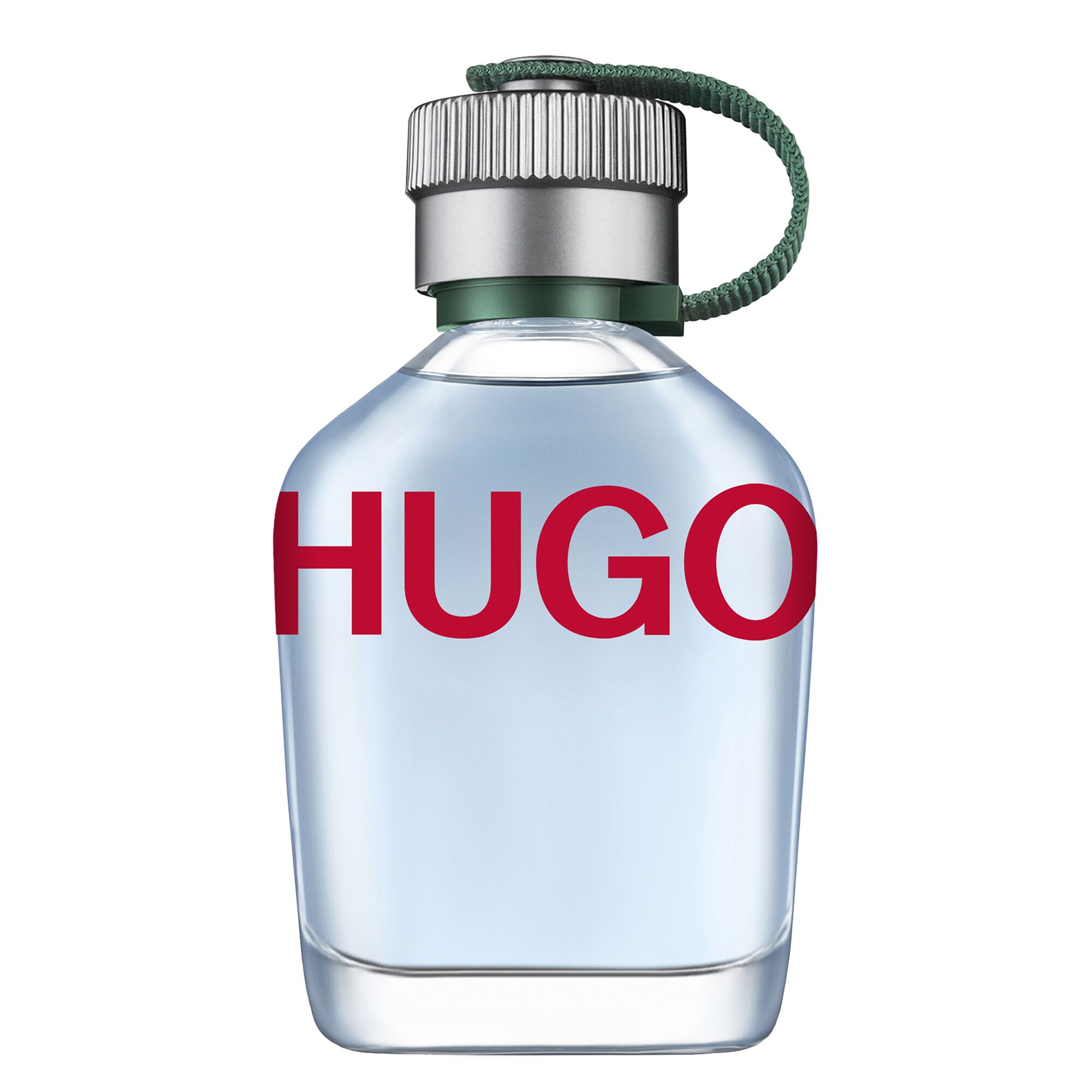
Hugo Boss Hugo Man — A perfect score of 5/5 from 4 reviews. Pine and balsam fir are explicitly at the heart of this composition, accompanied by green apple and lavender. The result is clean, crisp, without frills. One customer sums it up: "Used for x years" — loyalty says it all.
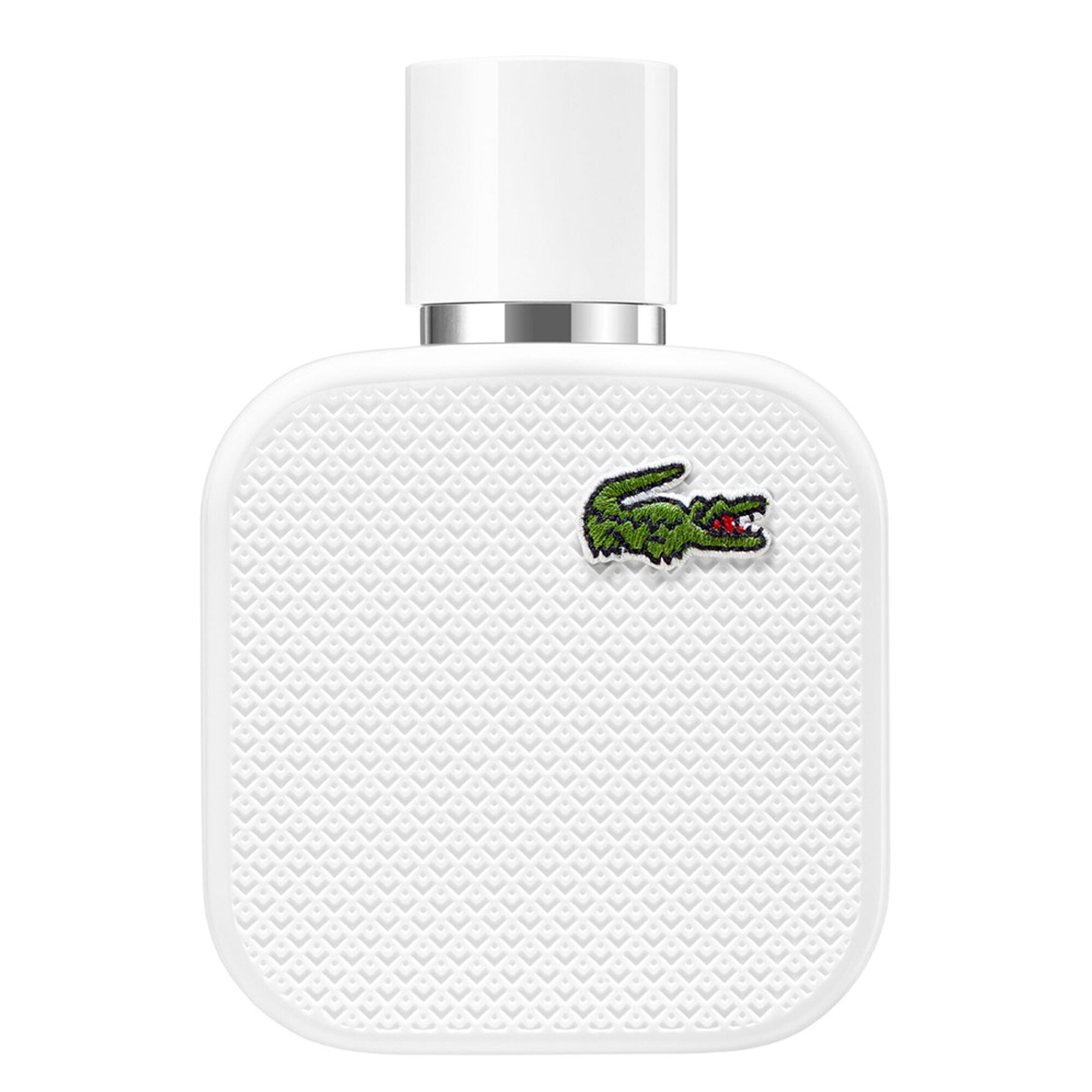
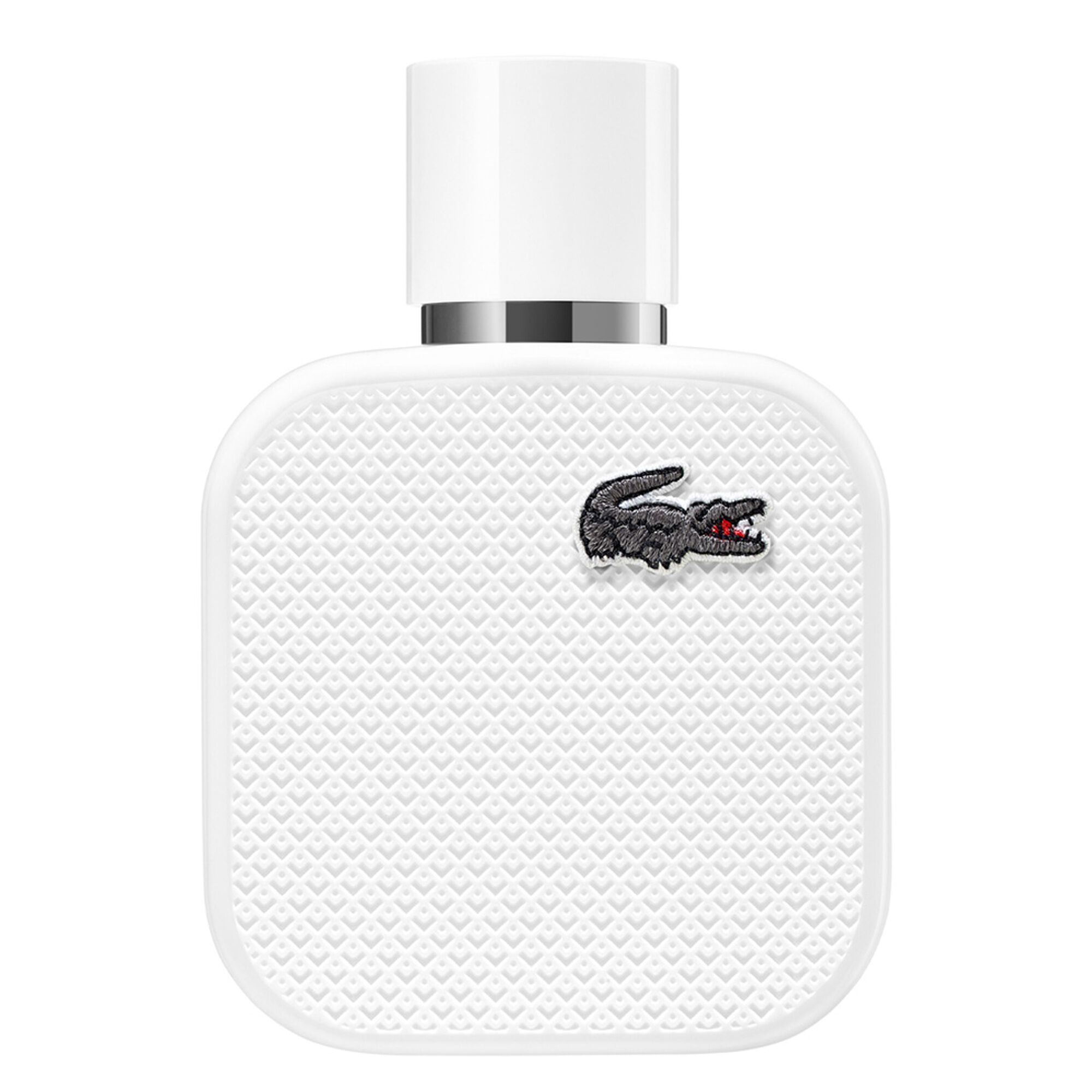
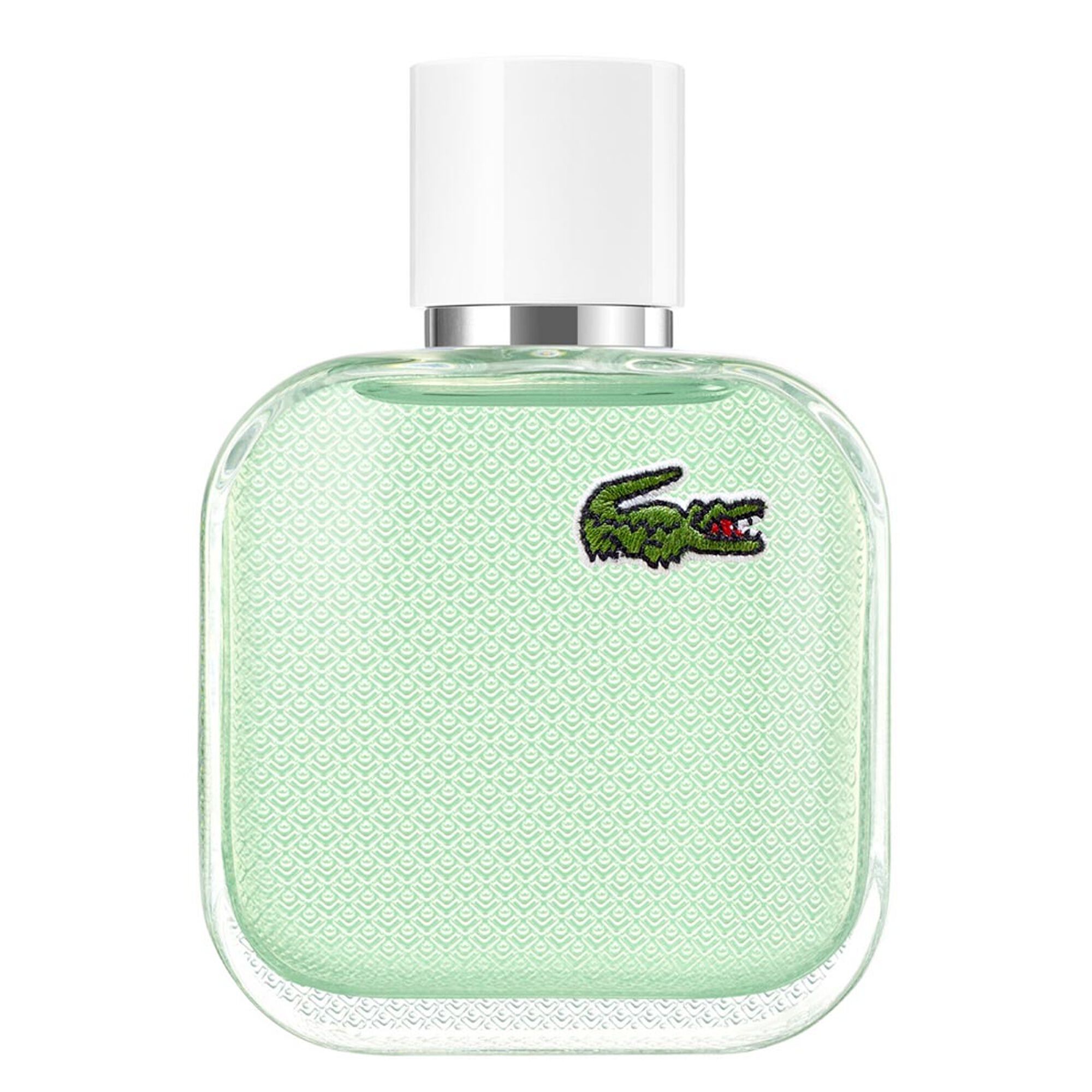
Lacoste L.12.12 Blanc — One of the best-sellers in the selection. Here, pine pairs with eucalyptus, cedar and cardamom for a light, easy-to-wear woody aromatic accord. At 44 EUR, the value for money is rated "very good" by our customers. A relevant option for a first approach to the pine note.
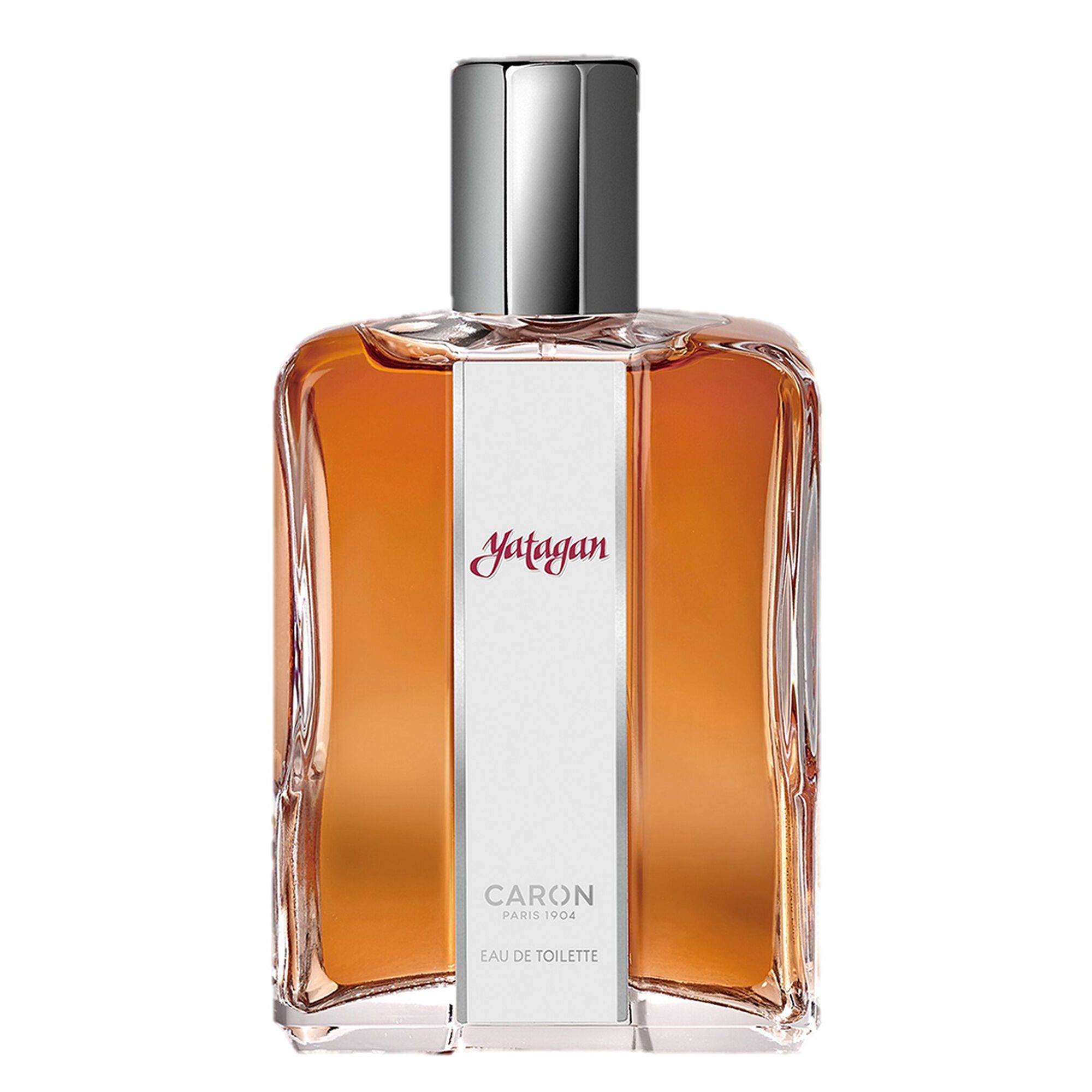
Caron Yatagan — At 79 EUR, Yatagan is the characterful piece of the selection: the green aromatic family, galbanum, oak and watercress combine for a taut, almost wild forest accord. A customer who only wears men's fragrances writes that it is "so you" according to all her friends — a sign of a strong, memorable olfactory signature.
Pine for women, for men: how to choose?
The pine note is worn today by both women and men, depending on how it is worked into the composition.
For a masculine approach
In fragrances designed for men, pine readily fits into a woody aromatic accord: it pairs with lavender, basil, green apple or bergamot for a result that is both fresh and structured. Hugo Boss Hugo Man illustrates this directly, with its pine and balsam fir facets structuring a sporty, clean composition. Caron Yatagan pushes further towards wild green, with a sharp character that asserts itself without trying too hard to please.
For a feminine or unisex approach
Pine can perfectly fit into a feminine or unisex fragrance provided it is softened by light green notes, a touch of eucalyptus or a base note that isn't too heavy. Lacoste L.12.12 Blanc, with its airy woody aromatic profile, wears without a marked gender. A woman wishing to make the pine note her own would do well to explore fresh versions first (Eau Fraîche, lighter versions), before moving towards more resolutely resinous accords.
Seasons and occasions
Pine is an all-season note, to be nuanced according to the format:
- Spring-summer: favour the green and aquatic variations, worn on clean skin.
- Autumn-winter: resinous and woody accords gain coherence with cooler temperatures and heavier fabrics.
Testing tips
Spray on the wrist and wait ten minutes before judging: the initial terpenic facet fades quickly to reveal the woody heart note. Also compare with a eucalyptus accord to properly identify what draws you to the conifer register.
Tendance Parfums figures
What our own online perfumery data says about the pine note — figures you won't find anywhere else:
- Fragrances with a pine note available in our catalogue, from 28 EUR to 79 EUR (core range 44-48 EUR).
- The best-seller among our customers over the past 12 months: Rochas Eau de Rochas Homme.
- Average rating of our selection: 4.8/5 from 43 verified customer reviews.
- Prices and stock updated continuously; free delivery from 59 EUR of purchases.
Frequently asked questions
What is a pine-note perfume? A pine-note perfume incorporates raw materials — natural (distilled pine needle essence) or synthetic — that evoke conifers: green needles, resin, woody sap. The note can be fresh and aquatic, or warm and balsamic depending on its position in the composition and the accords surrounding it.
What liquid smells of pine? Is there a product with a pine scent? In perfumery, the pine scent is found in woody aromatic eaux de toilette and eaux de parfum. Colognes with pine and turpentine derivatives (alpha-pinene) are among the most classic. In our selection, Hugo Boss Hugo Man and Lacoste L.12.12 Blanc explicitly list pine among their constituent notes.
Is a pine perfume more for men or for women? The pine note is worn by both men and women. In masculine compositions, it pairs with lavender or basil for a structured aromatic accord. In a feminine or unisex approach, it is lightened with green notes or eucalyptus. Several fragrances in our selection are enjoyed regardless of gender.
In which season should you wear a pine-note perfume? Pine can be worn all year round: its fresh, green variations suit spring and summer, while resinous or balsamic versions better accompany autumn and winter. Eau Fraîche formats are particularly suited to warm temperatures thanks to their lighter concentration.
What is the difference between a pine note and a cedar or eucalyptus note? Pine is resinous and slightly camphoraceous, with a recognisable green needle facet. Cedar is drier, powdery and woody, without greenness. Eucalyptus is colder, minty and pharmaceutical. All three belong to the woody-green register, but each has a distinct texture and warmth. In perfumery, they are often combined to enrich the conifer accord.