
Papyrus perfume: buying guide and best perfumes 2026
Papyrus is a dry, slightly smoky and earthy woody note, drawn from the Egyptian reed Cyperus papyrus. In perfumery, it brings depth and a distinctive vegetal texture that appeals equally to lovers of deep woods and curious minds drawn to unusual accords. This guide will help you understand the note, place it within the major fragrance families and choose the perfume that suits you from our selection.
The papyrus note in perfumery: what is it?
In perfumery, the papyrus note refers to a dry, slightly smoky woody accord with a distinctive vegetal texture, evoking the Cyperus papyrus plant, that reed from the banks of the Nile from which ancient Egypt drew its writing sheets.
Origin and olfactory character
Papyrus is not a classic raw material extracted by distillation or expression: it is most often an accord reconstructed by perfumers, combining woody materials, dry vegetal notes and sometimes a smoky or chalky touch. Its olfactory profile hovers between stripped-back cedarwood, damp earth after rain and a slight vegetal bitterness. Some perfumers also lend it a papery or mineral, almost abstract facet, which clearly sets it apart from cedar or vetiver.
Position in the pyramid
Papyrus usually settles as a heart note or base note. Its dryness and longevity make it an excellent anchor: it fixes the floral, spicy or woody accords that accompany it, while giving them an earthy, natural foundation.
Natural accords with papyrus
Papyrus blends beautifully with:
- Cedarwood and patchouli: for dense, enveloping woody accords;
- Incense and resin: for introspective oriental compositions;
- Bergamot and citrus: to bring light onto a dry base;
- Geranium and aromatic herbs: for a greener, earthier result.
In short, papyrus is a note with character, neither soft nor harsh, which lends natural depth and a slight vegetal austerity to the compositions it appears in. It suits those drawn to unconventional woody perfumes, far from overloaded accords.
What are the best perfumes with the papyrus note?
Our selection of perfumes with the papyrus note brings together references available on Tendance Parfums, ranging from 52 to 94 EUR. It has been drawn up by cross-referencing verified reviews left by our customers with actual sales recorded in our shop over the past twelve months. Below you'll find suggestions suited to a variety of profiles, from the accessible entry-level flacon to more exclusive creations from houses such as Sisley or Lalique.
Our featured picks
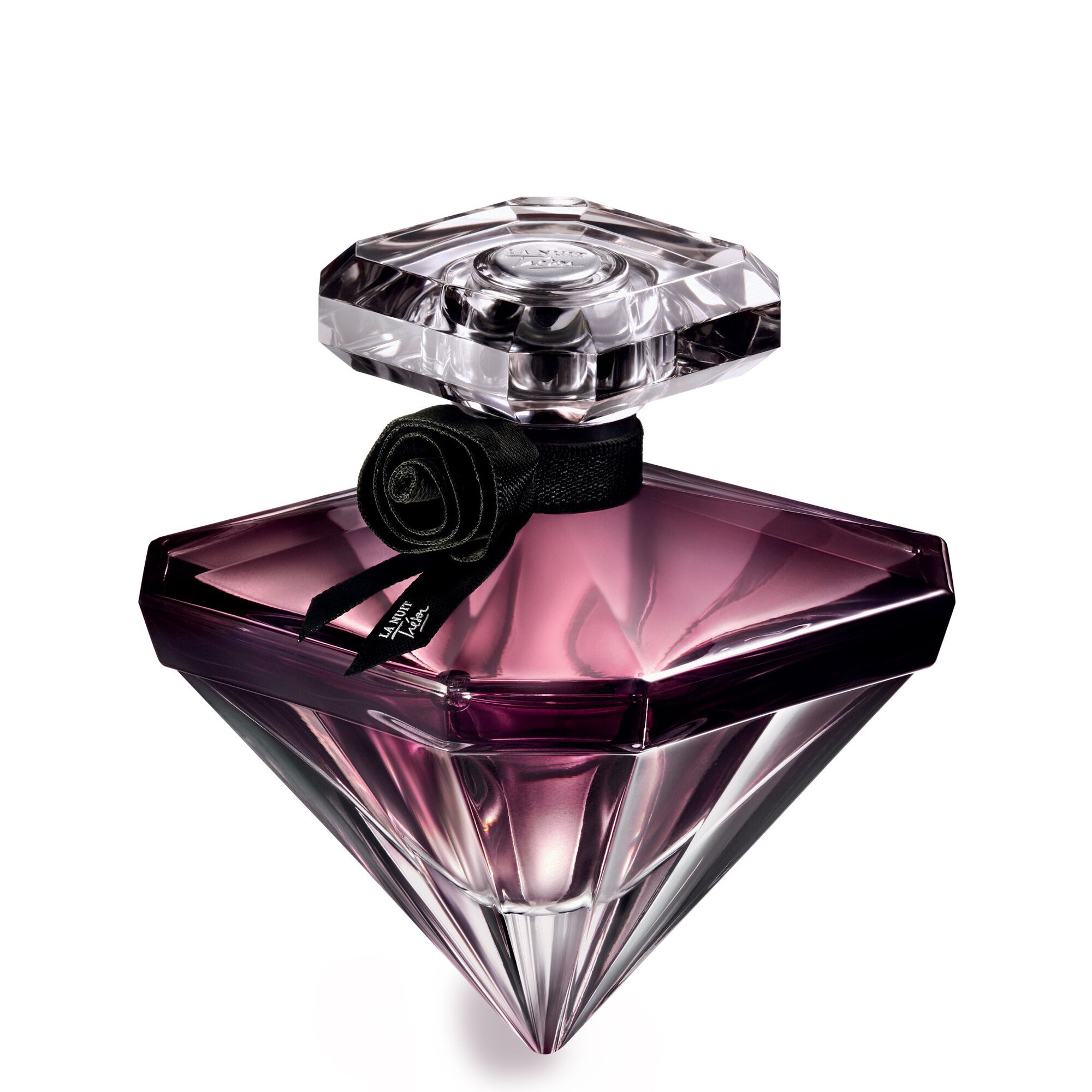
Lancôme La Nuit Trésor — With a rating of 4.76/5 from 89 verified reviews, this is by far the most popular choice in our selection. This vanilla-driven oriental combines pear, strawberry, incense and bergamot over a generous vanilla base note. It wears remarkably well on the skin — one customer confirms: "Quite a strong perfume. Which wears very well." At 52,50 EUR, it offers excellent value for money from a major name in perfumery.
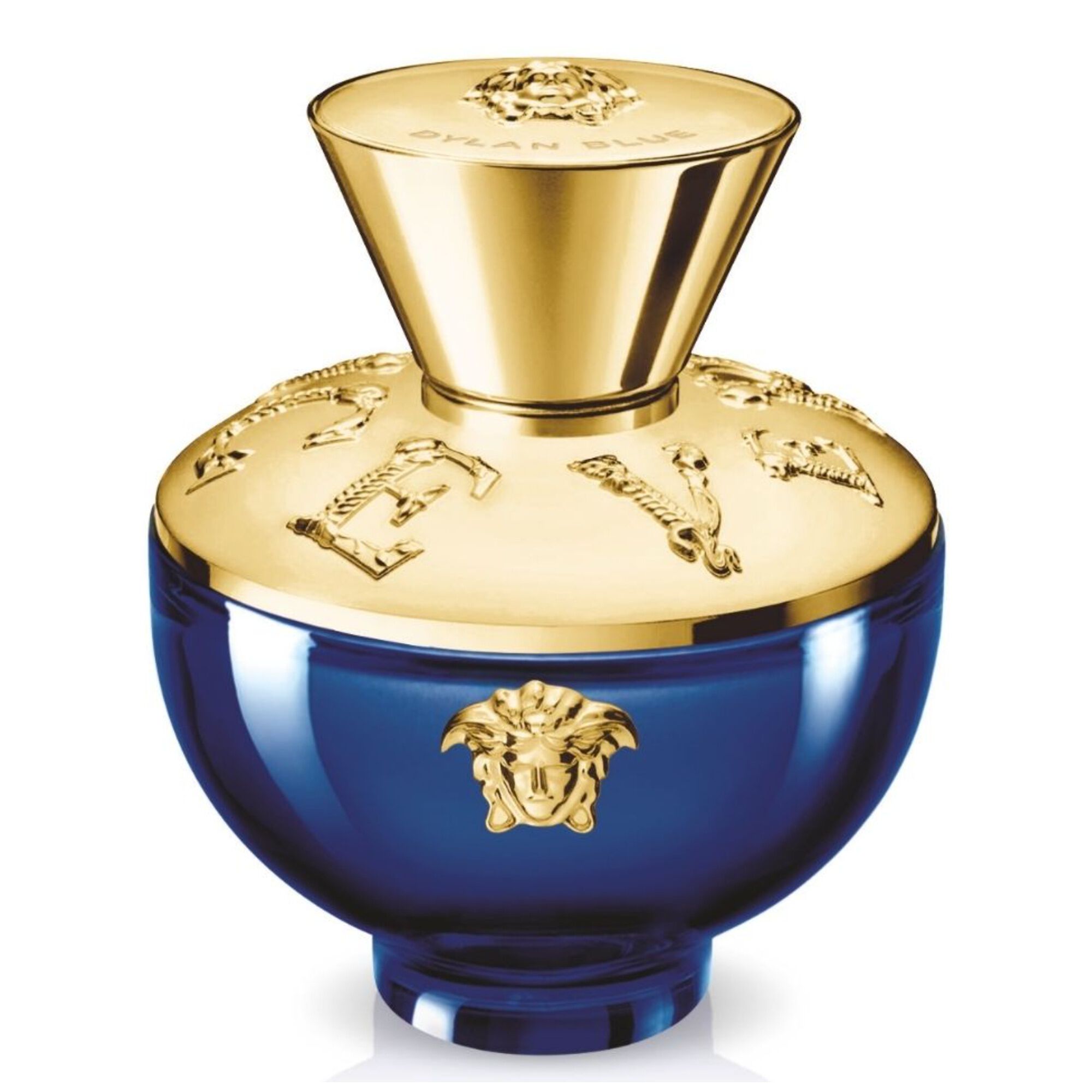
Versace Dylan Blue pour Femme — This feminine flacon from the house of Versace boasts a perfect rating of 5/5 from 3 verified reviews. Its fougere aromatic profile blends saffron, incense, patchouli and black pepper for a result that is both fresh and deep. One customer sums it up: "I really like it, it's very fresh." At 94,50 EUR, it's aimed at those seeking an assertive, singular olfactory signature.
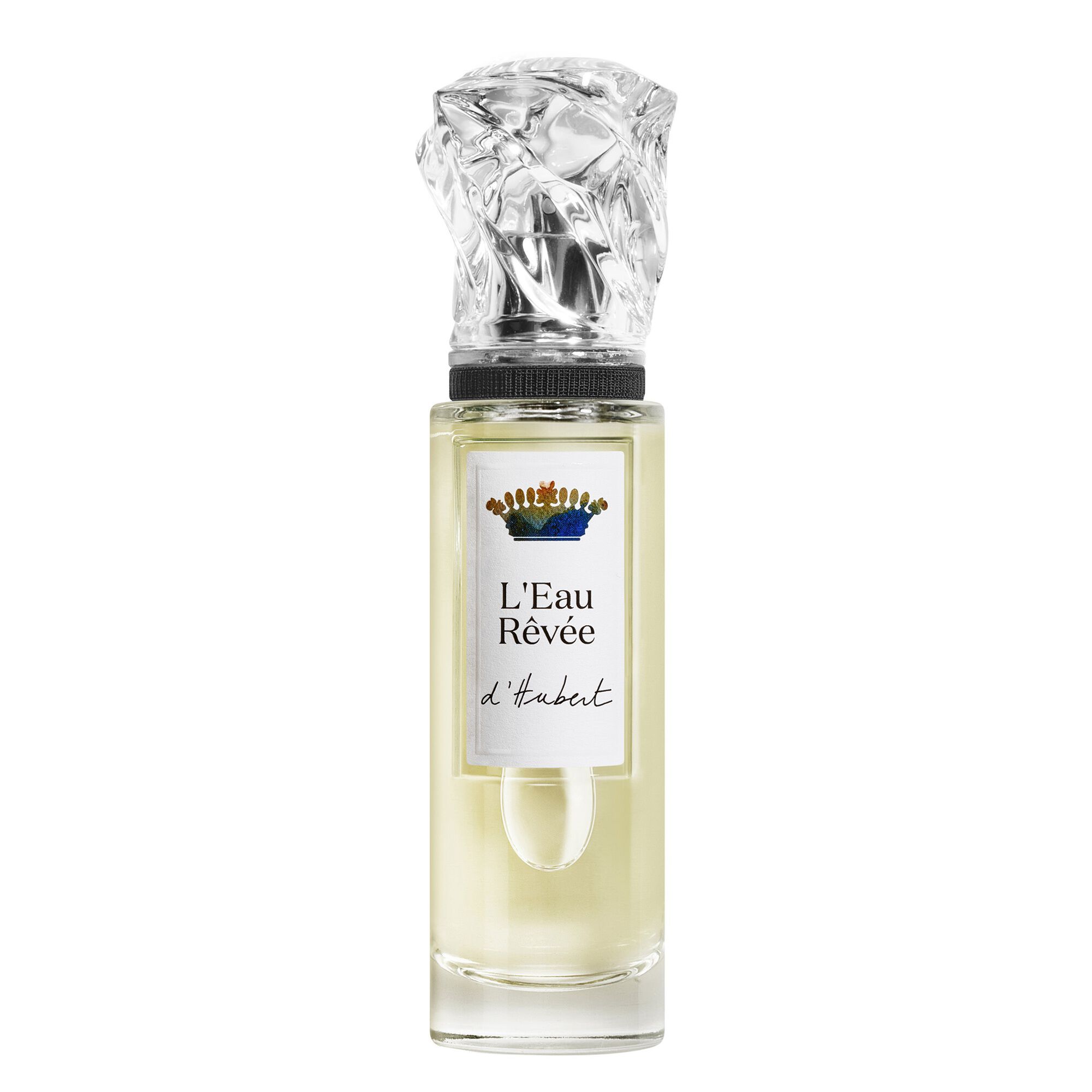
Sisley L'Eau Rêvée d'Hubert — This is the only reference in our selection to explicitly place papyrus among its key notes, alongside cedarwood, geranium and patchouli. A vegetal and earthy accord, signed by a house renowned for the quality of its raw materials. At 58 EUR, it represents a fitting entry point for exploring the papyrus note in its most direct form.
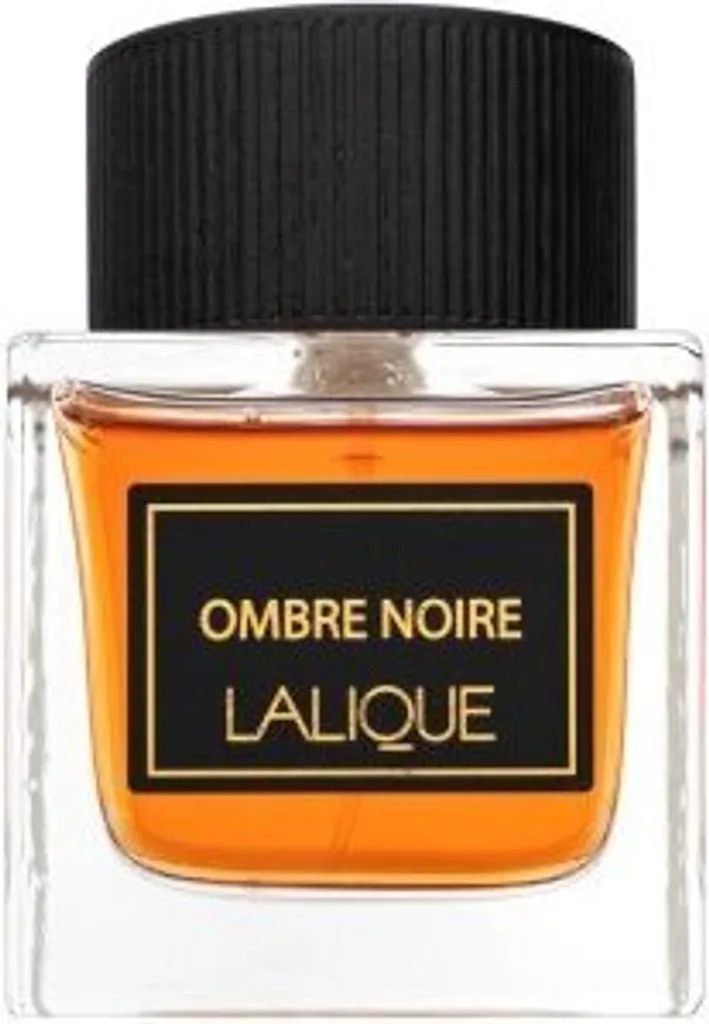
Lalique Ombre Noire — A spicy oriental built around cedarwood, tobacco leaf, cinnamon and tonka bean, this creation from Lalique is aimed at lovers of dense, introspective woody compositions. Its assertive character makes it an evening or cold-season perfume, for those who like fragrances that don't go unnoticed. At 84,50 EUR.
Papyrus for women, for men: how to choose?
Papyrus is a unisex note by nature: its vegetal neutrality and dryness allow it to fit seamlessly into both feminine and masculine compositions.
For her
For women, papyrus readily pairs with warm notes — vanilla, fruit, incense — to create a striking contrast between softness and edge. The result is a perfume that is both enveloping and structured, far removed from smooth florals. It's a good option for women looking for an oriental perfume with character, without tipping into excessive sweetness. Autumn and winter are the ideal seasons, but some woody-vegetal accords also work well in mid-season.
For him
For men, papyrus fits into spicy oriental or aromatic fougere accords. It reinforces the woody dryness of compositions and gives them an understated yet assertive presence. Evenings and formal occasions are prime opportunities to wear this type of perfume.
Unisex and contemporary
Papyrus also pairs very well with unisex perfumes, where it acts as a pivot between contrasting notes: green and spicy, floral and smoky. If you're torn between a feminine and a masculine fragrance, such an accord is often a natural entry point.
Testing tips
Wear the perfume on your skin rather than on a blotter: papyrus reveals itself over time and changes character depending on body warmth. Give it at least thirty minutes before drawing any conclusions. In store, compare it to a cedarwood or vetiver fragrance to better appreciate its vegetal singularity.
Tendance Parfums figures
What our own online perfumery data tells us about the papyrus note — figures you won't find anywhere else:
- Perfumes with the papyrus note available in our catalogue, from 52 EUR to 94 EUR (core range 58-94 EUR).
- The best-seller among our customers over the past 12 months: Lancôme La Nuit Trésor.
- Average rating of our selection: 4.8/5 from 92 verified customer reviews.
- Prices and stock updated continuously; free delivery from 59 EUR of purchases.
Frequently asked questions
Is the papyrus note in a perfume more suited to a woman or a man? The papyrus note is naturally unisex: its woody dryness and vegetal texture adapt just as well to feminine as to masculine compositions. For women, it's often paired with vanilla or soft spices; for men, it reinforces woody or aromatic accords. The choice depends more on the notes it's paired with than on the gender indicated on the flacon.
What is the difference between the papyrus note and the vetiver note? Vetiver is a woody-earthy note extracted from the roots of a tropical grass, with a very pronounced smoky and slightly damp facet. Papyrus, on the other hand, is drier, slightly chalky and has a more airy vegetal texture. Both share a natural depth, but papyrus is generally less earthy and more abstract than vetiver.
In which season should you wear a perfume with the papyrus note? Perfumes with the papyrus note are particularly well suited to autumn and winter, when the woody dryness of papyrus pairs well with cooler temperatures. Some lighter woody-vegetal accords can also be worn in mid-season. In summer, the note can seem too dense, unless it's paired with citrus fruits that lighten it.
Do perfumes with the papyrus note wear well on the skin? Papyrus is a heart note or base note with good longevity. Perfumes containing it generally wear well on the skin, especially when paired with resins, patchouli or vanilla. Among our references, customers have noted that Lancôme's La Nuit Trésor "wears very well" thanks to its dense oriental structure.
What is the price of perfumes with the papyrus note at Tendance Parfums? Our selection of perfumes with the papyrus note is available between 52,50 EUR and 94,50 EUR. The most affordable model is Lancôme La Nuit Trésor at 52,50 EUR, and the highest priced is Versace Dylan Blue pour Femme at 94,50 EUR. Two other references, Sisley and Lalique, sit between 58 EUR and 84,50 EUR.