
Palo santo perfume: buying guide and best perfumes 2026
Palo santo is a sacred wood native to South America, burned for centuries for its purifying properties. In perfumery, it brings a woody-smoky signature, lightly resinous and sweet, close to incense but softer and warmer. This note appeals both to lovers of deep woody perfumes and to those seeking a spiritual, soothing touch. This guide helps you understand its olfactory profile and choose the palo santo perfume that suits you, from our selection.
The palo santo note in perfumery: what is it?
Palo santo (literally "holy wood" in Spanish) is a resinous wood from a tree that grows mainly in South America, particularly in Peru and Ecuador. In perfumery, it is generally obtained by steam distillation of the wood or resin, producing an ingredient that stands out clearly from other noble woods.
Its olfactory profile moves between several registers: a woody, smoky base reminiscent of sandalwood or cedar, a resinous dimension close to incense (though less austere), a sweet, slightly vanilla touch, and sometimes a hint of citrus or mint that lightens the whole. This blend of warmth and transparency makes it instantly recognisable.
Its position in the fragrance pyramid is most often as a heart note or base note. It adds depth and longevity to a composition without weighing it down excessively, making it a highly valued base accord in oriental, woody and aromatic families.
Which notes does it pair well with? Palo santo naturally combines with:
- warm woods: cedar, sandalwood, vetiver;
- soft resins: vanilla, incense, amber;
- bright citrus: lemon, bergamot, to open it up in the top notes;
- orange blossom and sage, which enhance its aromatic side.
This versatility explains why it appears in both woody-aromatic masculine compositions and more feminine floral orientals. It doesn't belong to a single olfactory category: palo santo crosses categories and lends itself to very different interpretations depending on the other materials surrounding it.
What are the best perfumes with the palo santo note?
Our selection of palo santo perfumes brings together references from 51 to 86 EUR, covering varied olfactory profiles: from masculine woody aromatics to feminine floral orientals. It is based on verified reviews and actual sales recorded on Tendance Parfums over the past twelve months, to offer you choices backed by the real-world experience of our customers. Below you will find the corresponding products, ranked by editorial relevance.
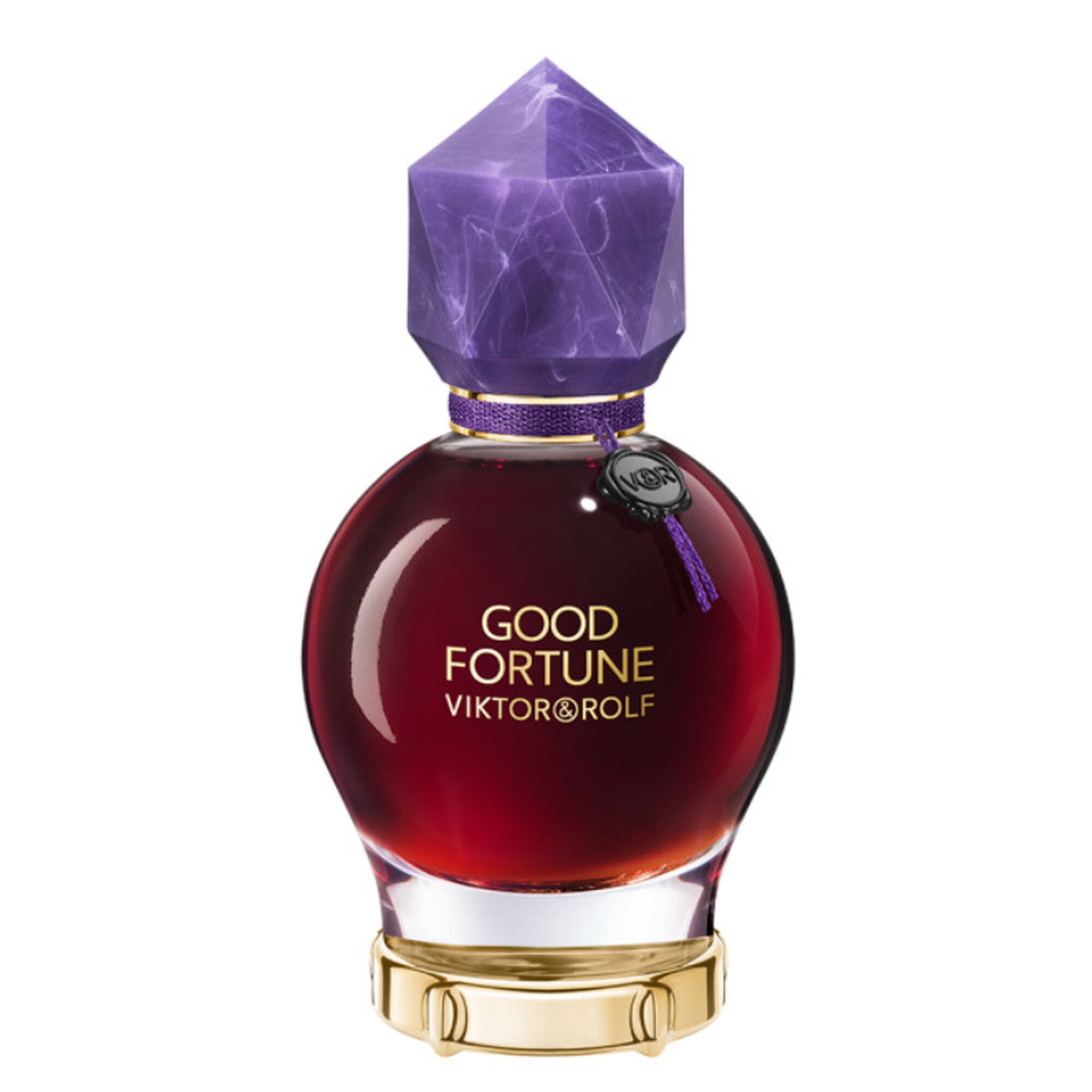
Our favourites, reviewed
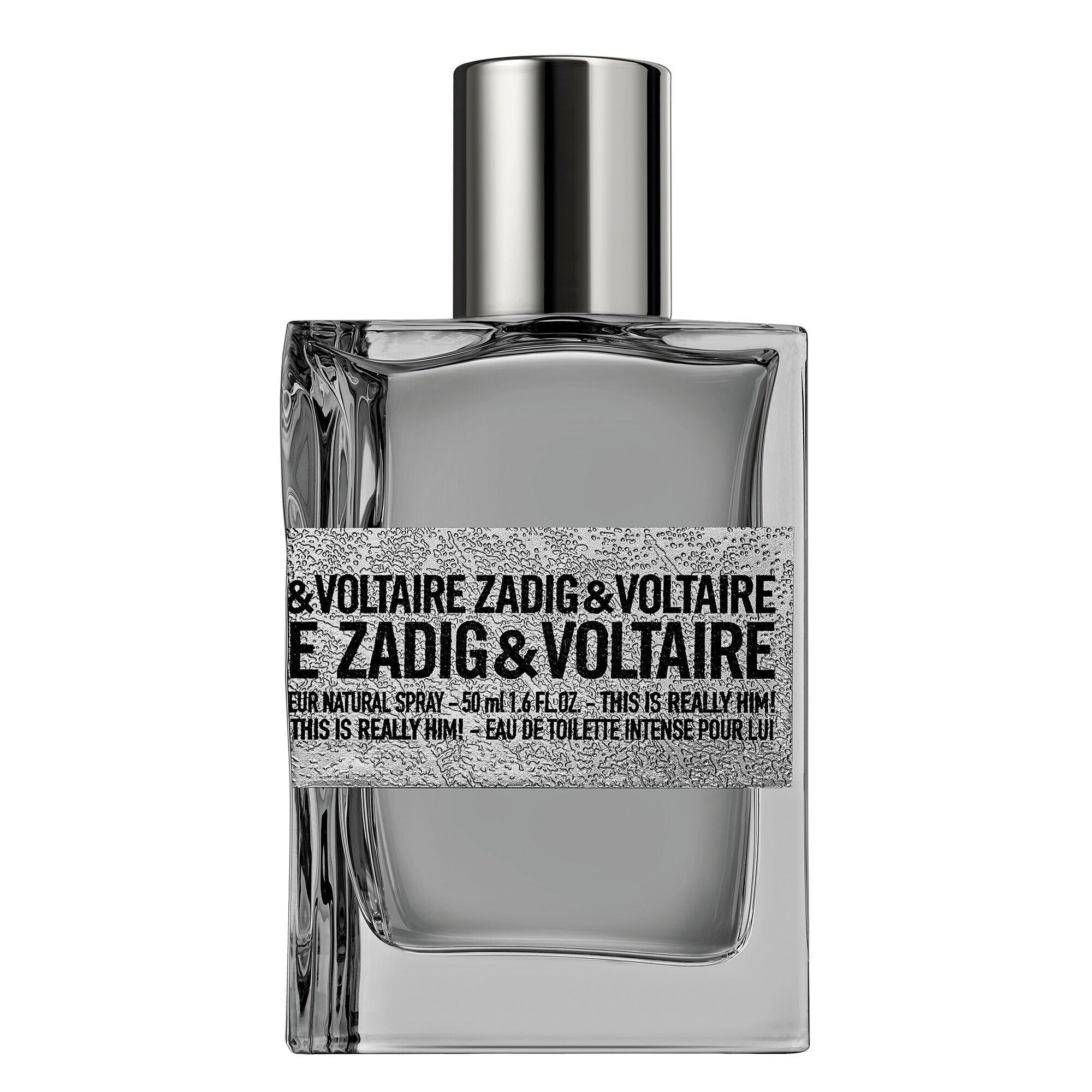
Zadig & Voltaire This is really him! EDT — The most accessible reference in the selection (51 EUR) and the best-seller relative to its positioning. It sets palo santo within a lively, charming accord, supported by Amalfi lemon in the top notes and orange blossom. Customers highlight its "lively, charming character and quality originality", with longevity rated excellent for an eau de toilette.
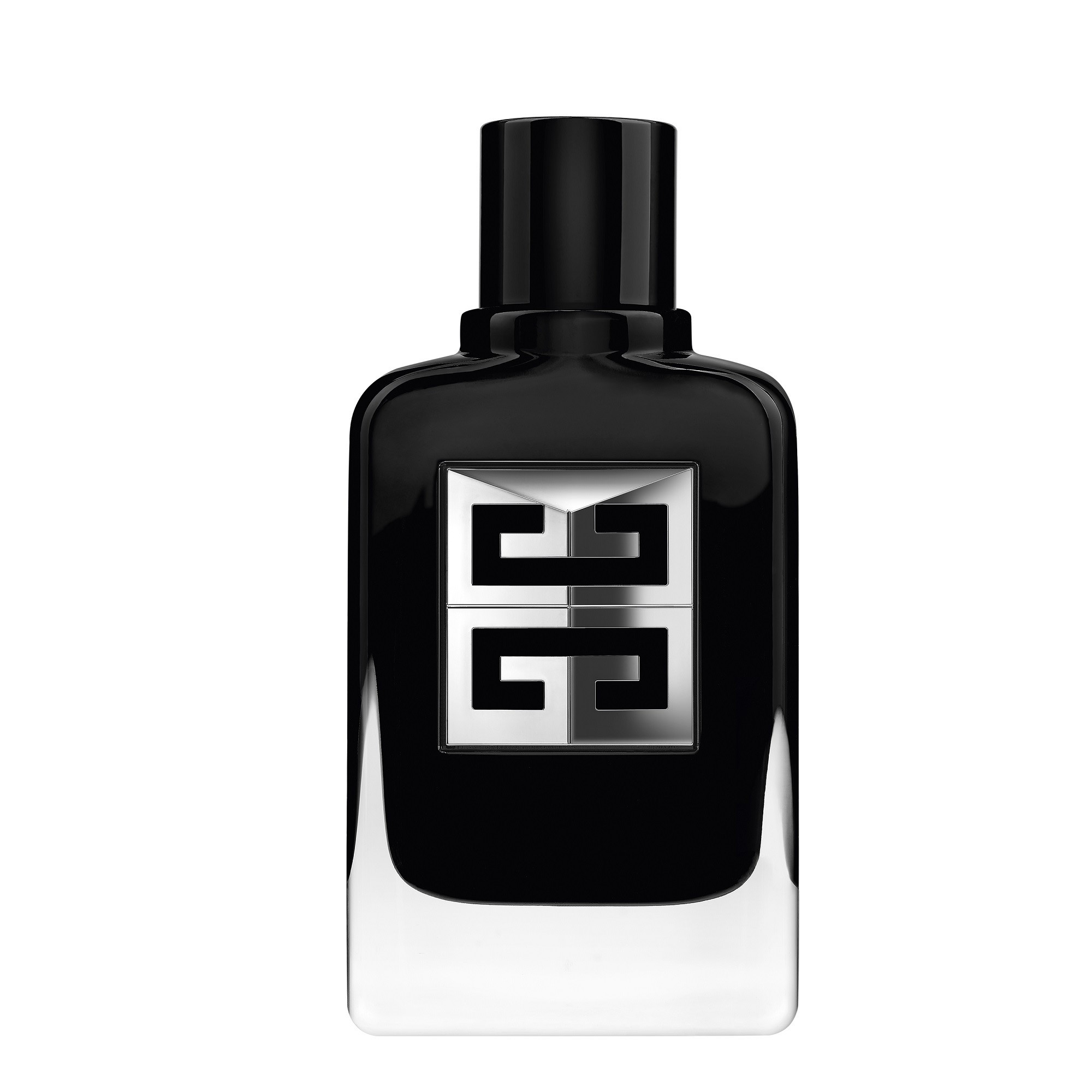
Givenchy Gentleman Society EDP — This is the most sought-after reference in the Gentleman Society range with us. At 56 EUR, it combines cedar, Haitian vetiver and sage in a structured woody aromatic. Palo santo acts here as a resinous binder, adding roundness to the woody profile without weighing it down. Customer rating: 5/5 on one verified review.
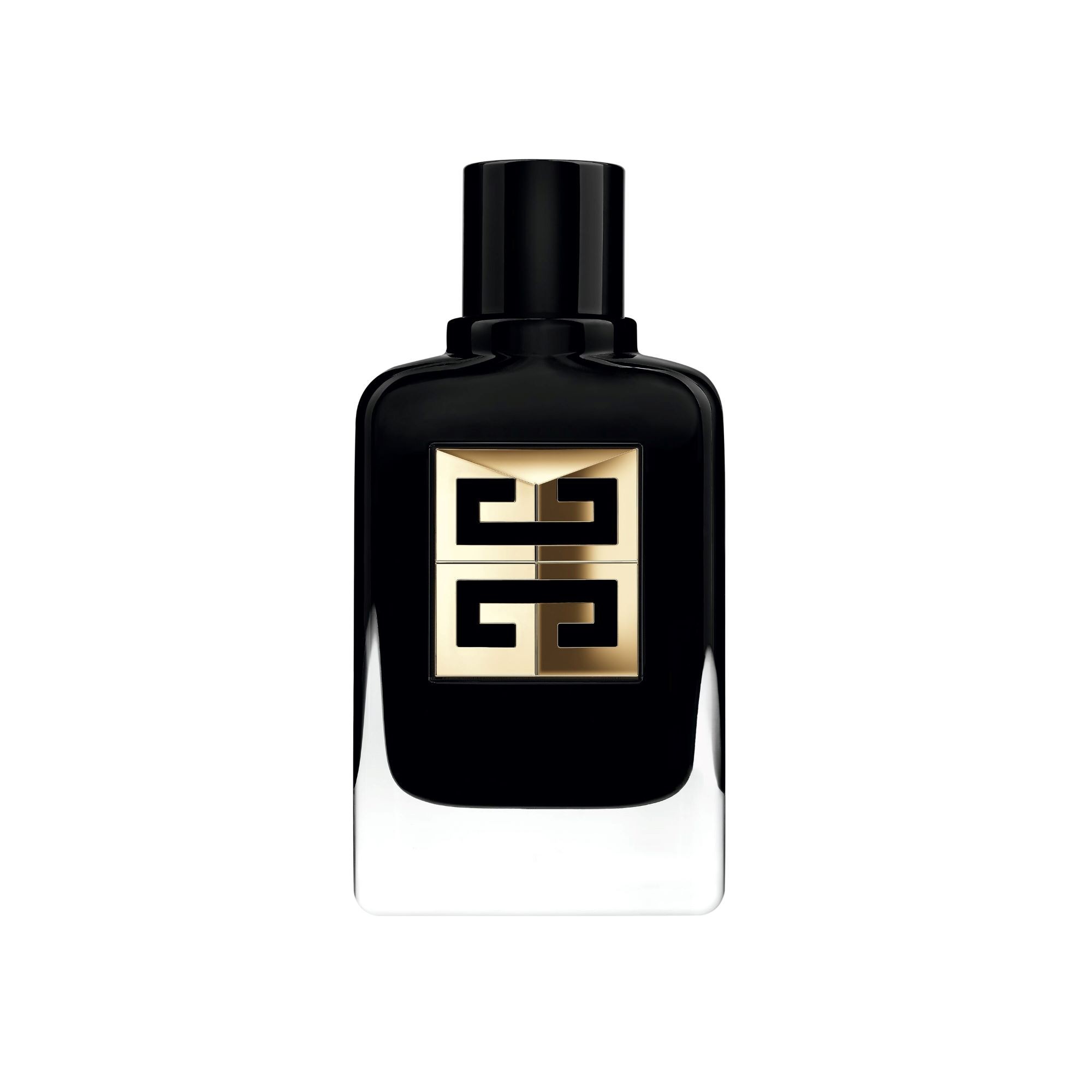
Givenchy Gentleman Society Ambre EDP — At 73.50 EUR, this variation amplifies the warmth of the original formula with a more pronounced amber orientation. It is particularly suited to evenings and the cold season. Rated 5/5 across two verified reviews: a slightly more gourmand alternative for those seeking a more enveloping sillage.
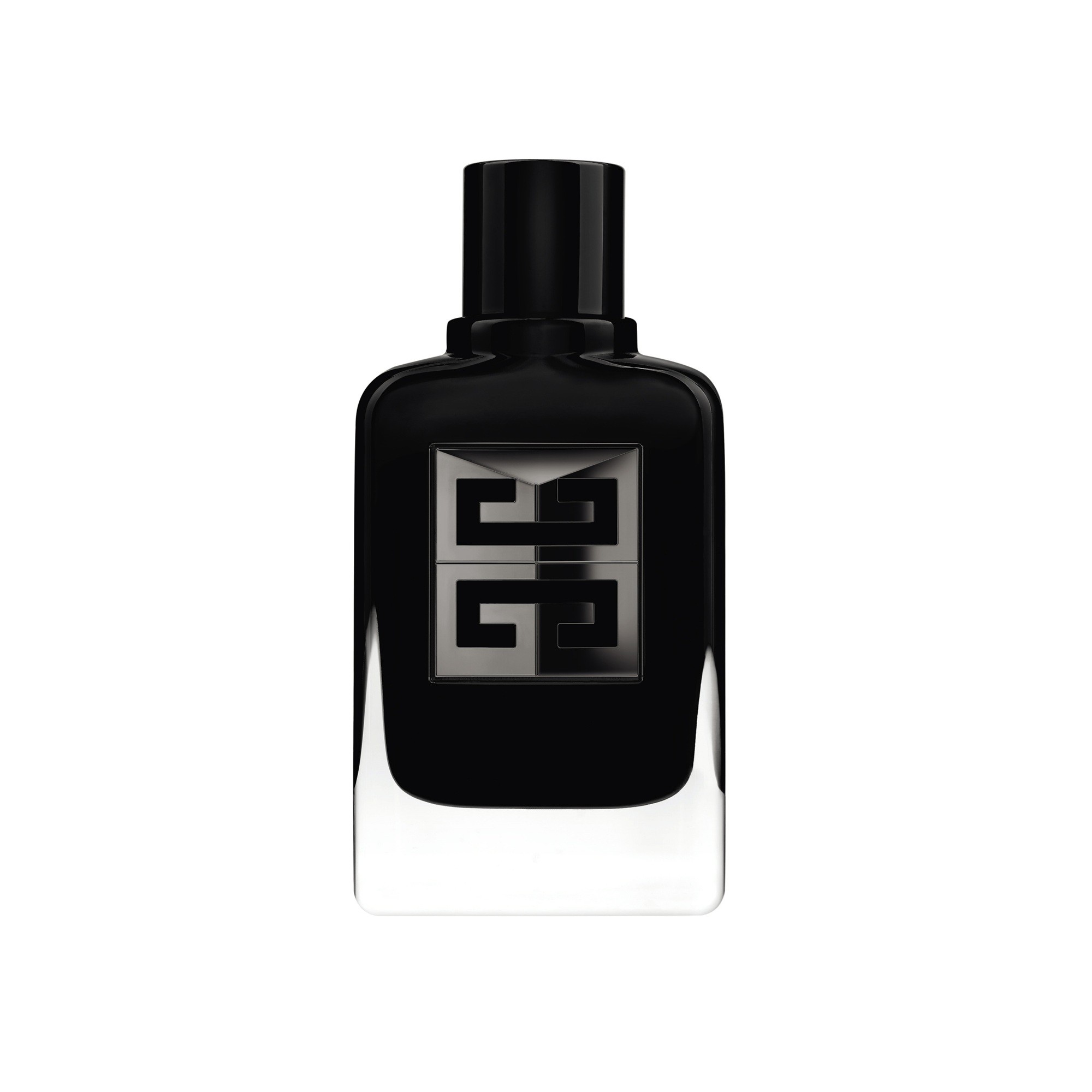
Givenchy Gentleman Society Extreme EDP — The most concentrated and intense version of the Gentleman Society trilogy, at 70 EUR. It is designed for those wanting stronger projection and extended longevity on the woody, green notes. Rated 5/5 across two verified reviews. A solid choice for cold weather.
Palo santo for women, for men: how to choose?
Palo santo has no assigned gender: it's a chameleon note that takes on a different colour depending on the accords accompanying it.
For a men's or unisex fragrance with a woody dominant note, look for palo santo paired with vetiver, cedar and sage. These combinations reinforce its aromatic, earthy dimension, for a composed, understated, slightly smoky perfume. This is typically the register of woody aromatics, ideal for autumn and winter, suitable for the office as well as casual evenings. A perfume of this type wears with subtlety in the morning and gains depth as the day goes on.
For a women's or unisex fragrance with an oriental dominant note, palo santo sits alongside Bourbon vanilla, incense, sandalwood and sunny notes. The effect is more enveloping and sensual, without being heavy. This type of composition suits autumn and winter evenings, or a cold day when you want a warm and distinctive sillage.
For a fresher or more spring-like profile, some formulas combine palo santo with citrus (Amalfi lemon) and orange blossom. The result is brighter and easier to wear day-to-day, including in spring or early autumn.
Practical tips before you buy:
- Test the perfume on skin: palo santo reacts to body warmth and reveals itself gradually.
- Wait at least twenty minutes before making a judgement: the resinous base notes unfold over time.
- If you're torn between two concentrations (EDT or EDP), keep in mind that EDPs generally offer longer longevity and a creamier blend of the woody note.
The Tendance Parfums figures
What our own online perfumery data says about the palo santo note — figures you won't find anywhere else:
- Perfumes with the palo santo note available in our catalogue, from 51 EUR to 86 EUR (core range 56-74 EUR).
- The best-seller among our customers over the past 12 months: Givenchy Gentleman Society.
- Average rating of our selection: 5.0/5 across 8 verified customer reviews.
- Prices and stock updated continuously; free delivery from 59 EUR of purchases.
Frequently asked questions
What is the palo santo note in perfumery? Palo santo is a woody-resinous note from a South American tree, obtained by distilling the wood or resin. In perfume, it delivers a warm, lightly smoky and sweet accord, close to incense but softer, often placed as a heart note or base note to add depth and warmth to the composition.
Is palo santo more of a women's or men's note? Palo santo is a unisex note. Paired with vetiver and sage, it produces woody aromatic perfumes often worn by men. Combined with Bourbon vanilla, sandalwood and incense, it fits into more feminine floral orientals. Its chameleon-like profile makes it an ingredient that can be either unisex or gendered depending on the composition.
What is the longevity of a perfume with the palo santo note? Longevity is generally good, especially in EDP concentration. As a resinous base note, palo santo reveals itself gradually on the skin and can persist for several hours. Customers of the palo santo perfumes in our catalogue mention excellent longevity, particularly for Zadig & Voltaire This is really him! in EDT.
In which season should you wear a palo santo perfume? Autumn and winter are the ideal seasons for palo santo: body warmth brings out its resinous and smoky facets beautifully. Some lighter formulas, combining citrus and orange blossom, can however be worn in spring. Summer remains the least suitable season for the densest, most enveloping versions.
What is the difference between palo santo and incense in perfumery? Palo santo and incense share a resinous, smoky dimension, but palo santo is perceived as softer, slightly sweet and woody, whereas incense can be more austere, mineral and liturgical. Palo santo is also often easier to wear day-to-day, as it blends naturally into woody or vanilla accords without dominating the composition.