
Bitter Orange Perfume: buying guide and best fragrances 2026
Bitter orange is a distinctive hesperidic note, drawn from the peel of the bitter orange tree, that brings both fruity freshness and a light vegetal bitterness. Less sweet than sweet orange, it structures both men's and women's compositions and works equally well as a top note or a heart note. This guide covers what this note is, how to choose it according to your profile, and our available fragrances, ranked by customer reviews and real sales.
The bitter orange note in perfumery: what is it?
The bitter orange note comes from the peel of the bitter orange tree (Citrus aurantium), a citrus fruit native to South-East Asia, now cultivated mainly around the Mediterranean and in Haiti. Unlike sweet orange, which yields juice and an essentially sweet oil, the bitter orange tree offers several precious raw materials: peel essential oil (with its fresh, slightly bitter aroma), petitgrain essence (from the leaves and twigs, greener and woodier), and orange blossom (from which neroli and absolue are extracted). The "bitter orange" note generally refers to the essential oil of the peel, with its recognisable signature: a vibrant, sparkling opening, a dry citrus facet, and a light herbaceous bitterness that sets it apart from rounder hesperidic notes.
Olfactory facets. At the top of the pyramid, it bursts into a tonic freshness, evoking zest crushed between the fingers. It evolves towards a slightly green, almost floral heart, before gradually fading away — hesperidic notes being volatile by nature. This is why perfumers often fix it with musks, ambroxan or woods, or strategically place it in the heart to extend its presence.
Natural accords. Bitter orange pairs particularly well with:
- other hesperidic notes (bergamot, mandarin, clementine) for bright, luminous openings;
- floral notes (orange blossom, neroli, tuberose), with which it shares the same source plant;
- aromatic notes (lavender, mint, basil) for fresh, structured compositions;
- vanilla and musks, which bring warmth and roundness in the base note.
It appears in the citrus aromatic olfactory family as much as in florals, giving it a rare versatility among natural notes.
What are the best fragrances with the bitter orange note?
Our selection brings together fragrances featuring the bitter orange note, available at Tendance Parfums from 33 EUR. Each reference was chosen on the basis of verified reviews left by our customers and actual sales recorded over the past twelve months. Below you'll find suggestions for every profile: light hesperidic freshness, enveloping florals, men's aromatics or more intense compositions. The price range — from 33 to 170 EUR — covers accessible entry-level options as well as more exclusive creations.
Our favourites, reviewed
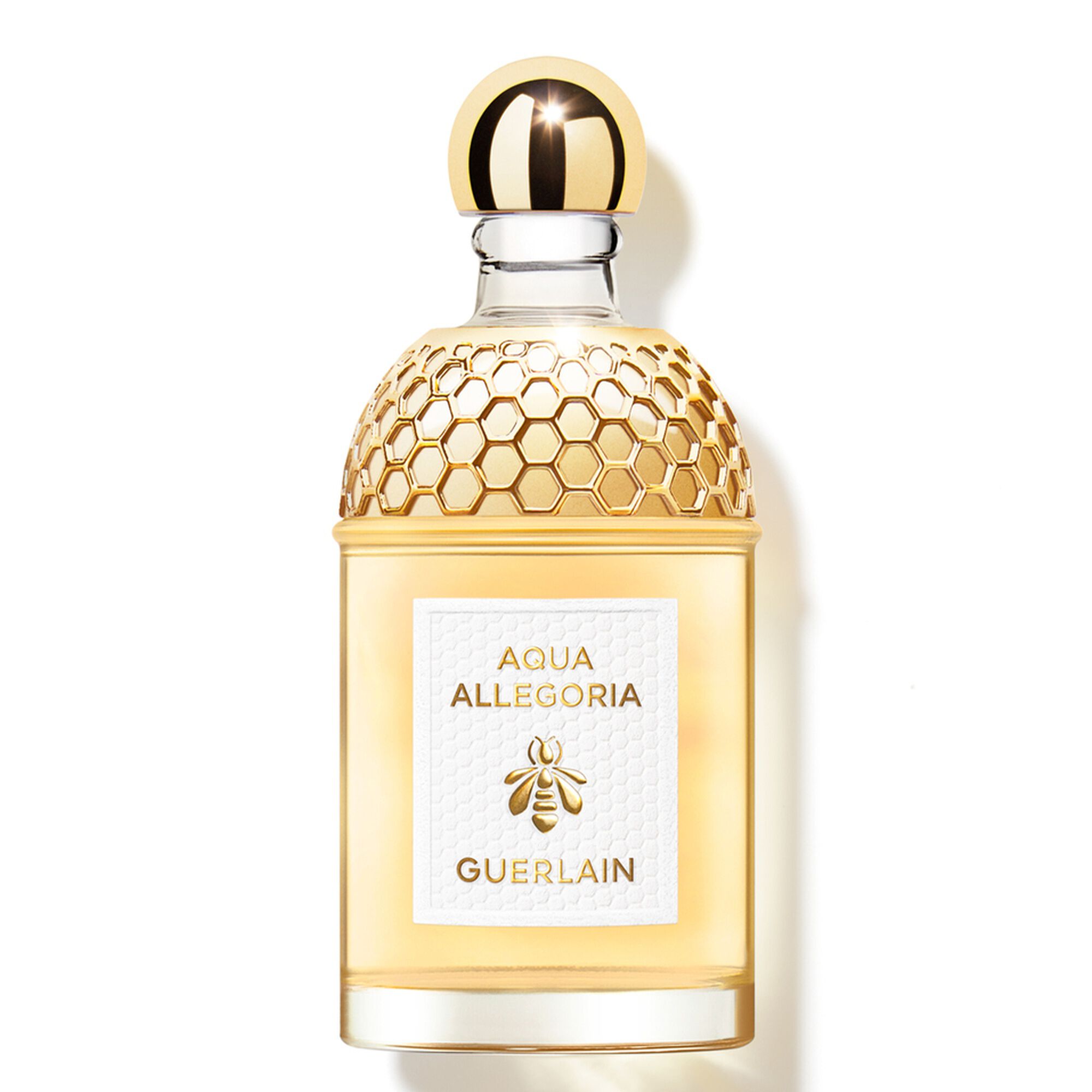
Guerlain Aqua Allegoria Mandarine Basilic — With a rating of 4.92/5 from 72 verified reviews, this is the most popular bitter orange fragrance in our catalogue. Its citrus aromatic composition blends clementine, bitter orange, peony and chamomile for a result our customers describe as "invigorating" and "delicate and floral". Ideal for a light, sun-drenched fragrance, from spring through to summer.
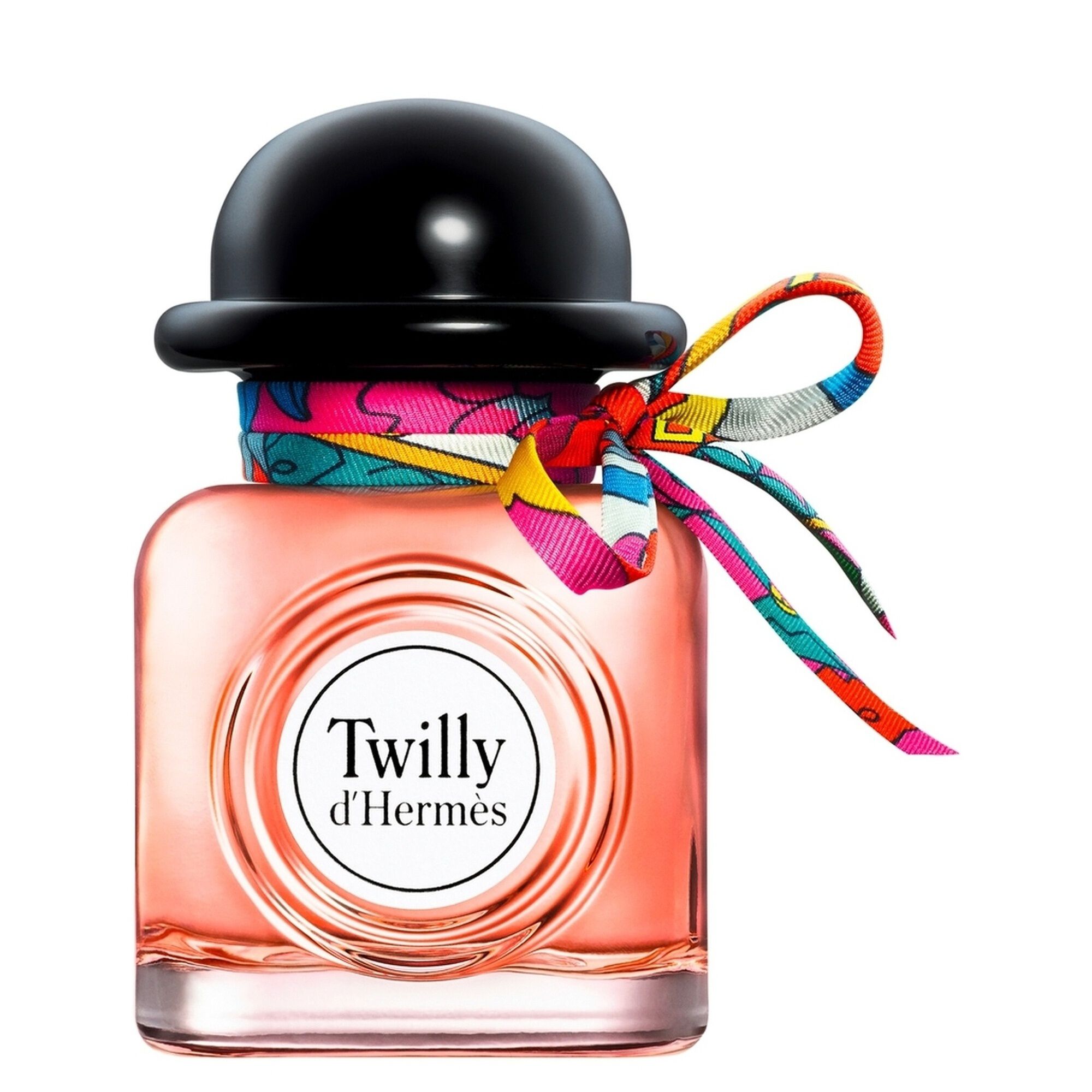
Hermès Twilly d'Hermès — 4.84/5 from 73 reviews make it a solid women's best-seller. Bitter orange slips in here between bergamot and orange blossom, with a vanilla base note and generous tuberose. One customer describes it as "pleasant, fresh, subtle" — an apt summary for a signature floral that can be worn all year round.
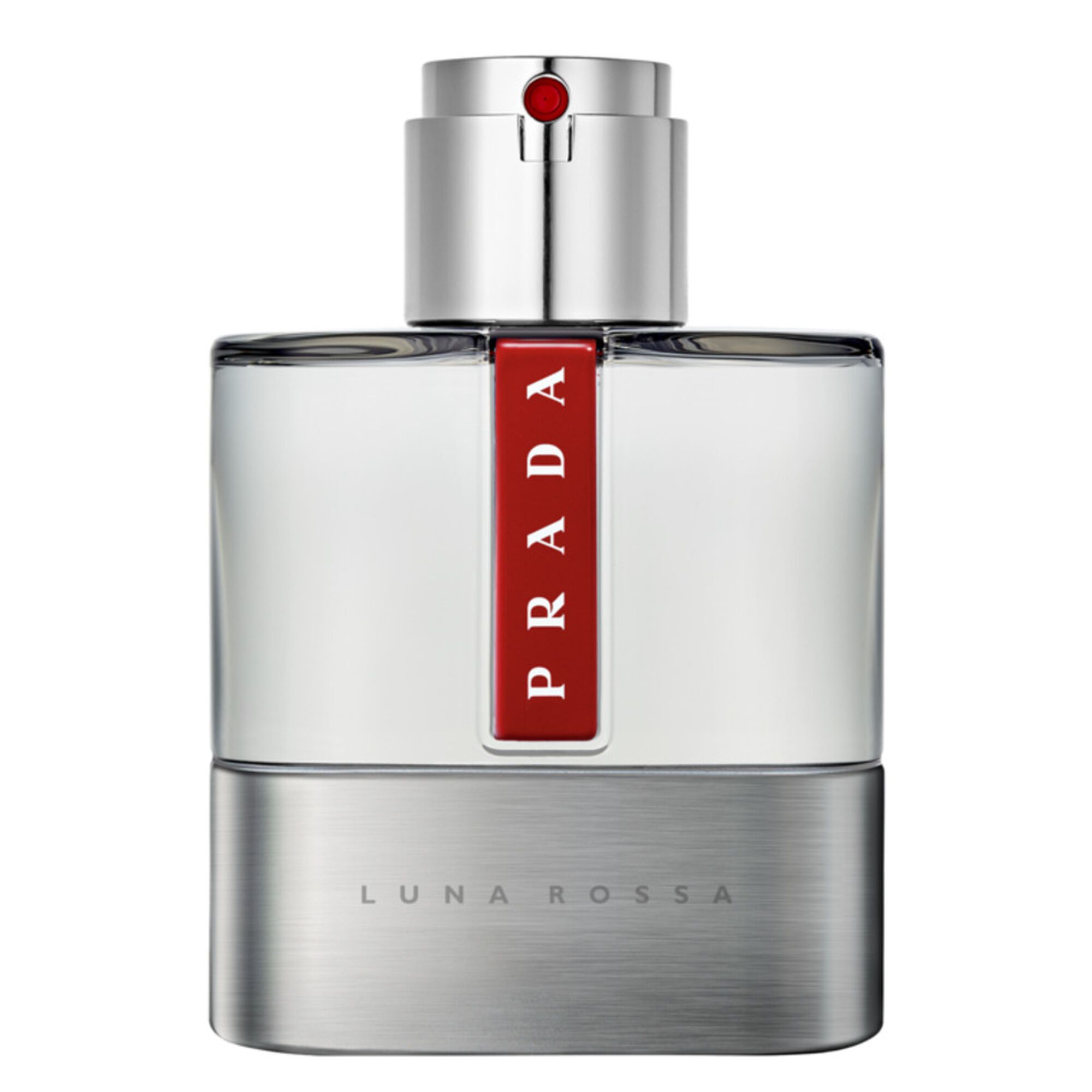
Prada Luna Rossa — This citrus aromatic men's fragrance (4.88/5 from 16 reviews) places bitter orange as a top note, supported by lavender, mint and ambroxan. A fresh, sporty structure, excellent for everyday wear or outdoor activities. Our customers highlight "very good value for money" and a polished presentation.
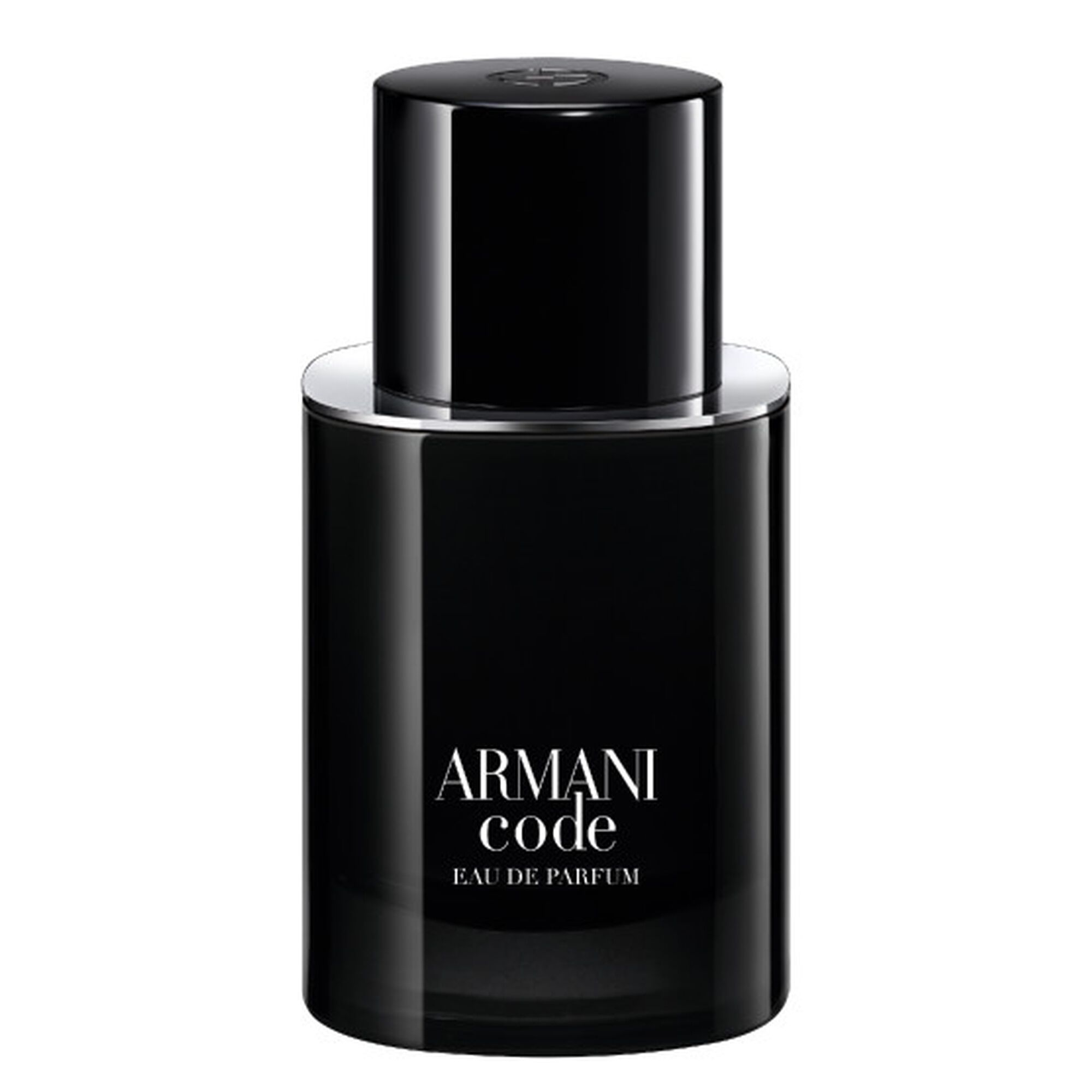
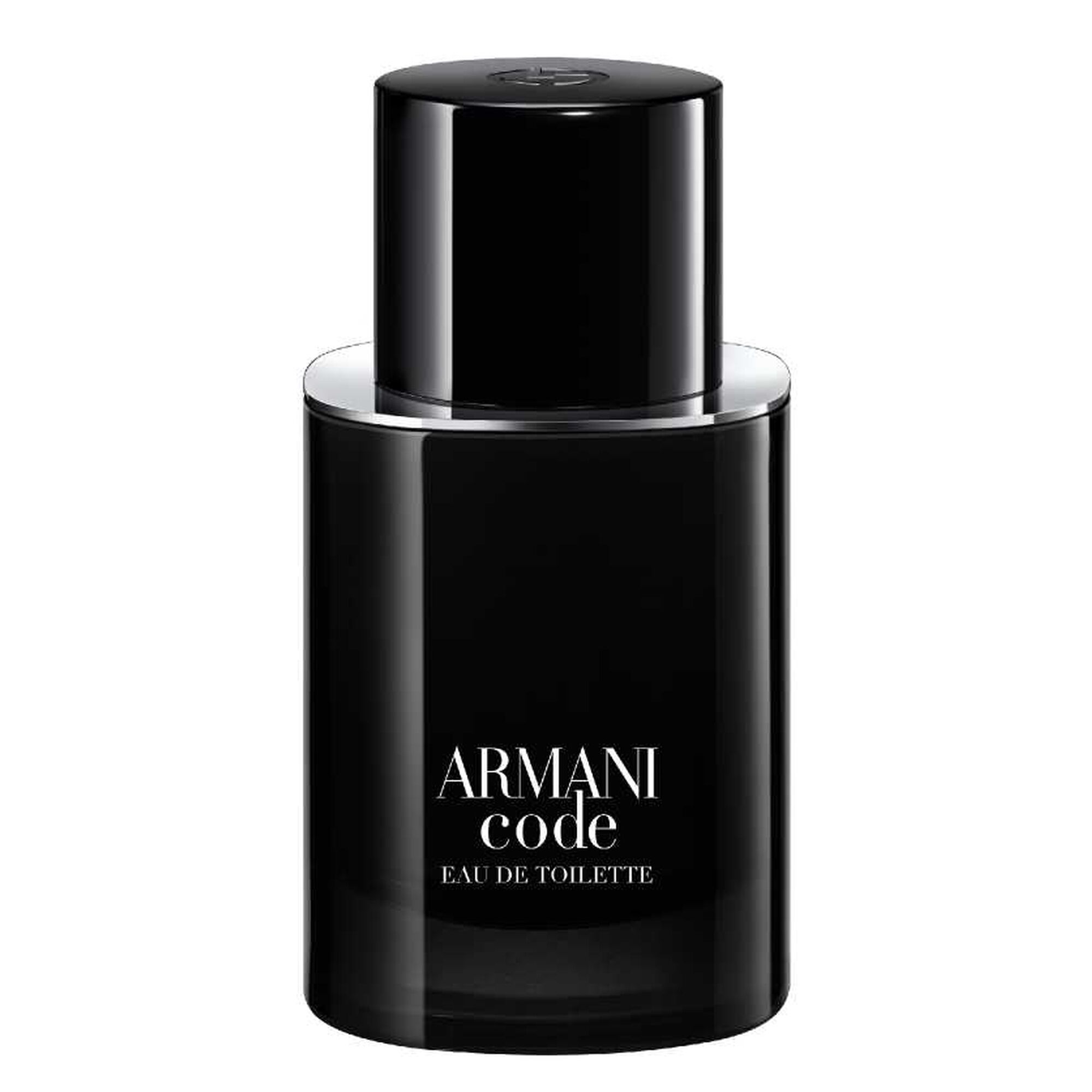
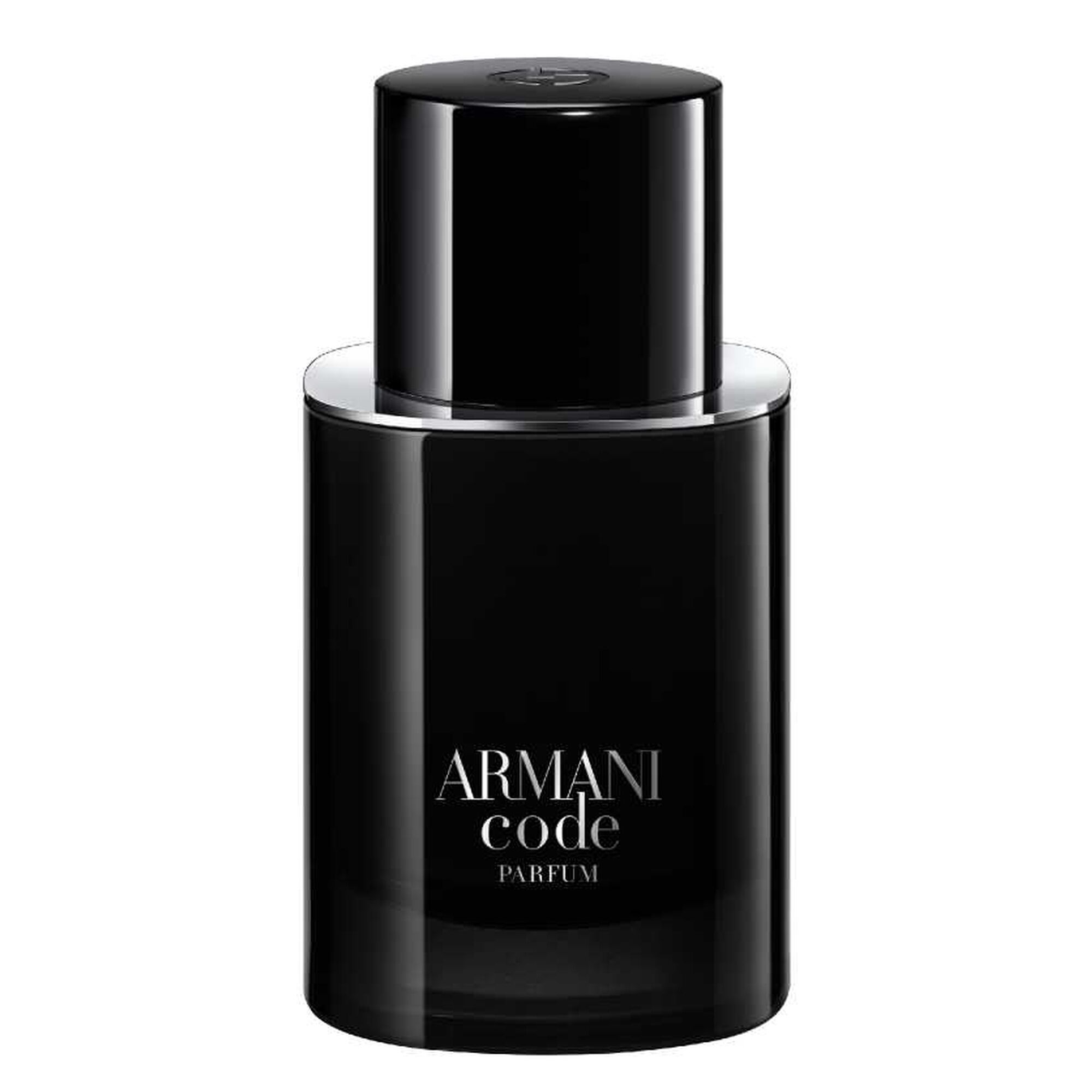
Armani Code EdP — With the only 5.0/5 rating in the men's selection, this floral oriental combines bitter orange, orange blossom, vanilla and ginger for a warm, enveloping sillage. One customer sums it up: "Excellent value for money". Its depth makes it a particularly fitting choice for evenings and the colder season.
Bitter orange for women, for men: how to choose?
The bitter orange note crosses genders with an ease few raw materials share. Here's how it expresses itself according to orientation and occasion.
For women. In women's fragrances, bitter orange readily pairs with warm florals (tuberose, orange blossom) or gourmand fruity accords (passion fruit, frangipani). It brings a natural vibrancy that lightens richer compositions. Eaux such as Guerlain Aqua Allegoria Mandarine Basilic or Hermès Twilly d'Hermès are good examples: fresh at first, floral at heart, they're particularly suited to spring or summer days, worn at the office or for casual outings.
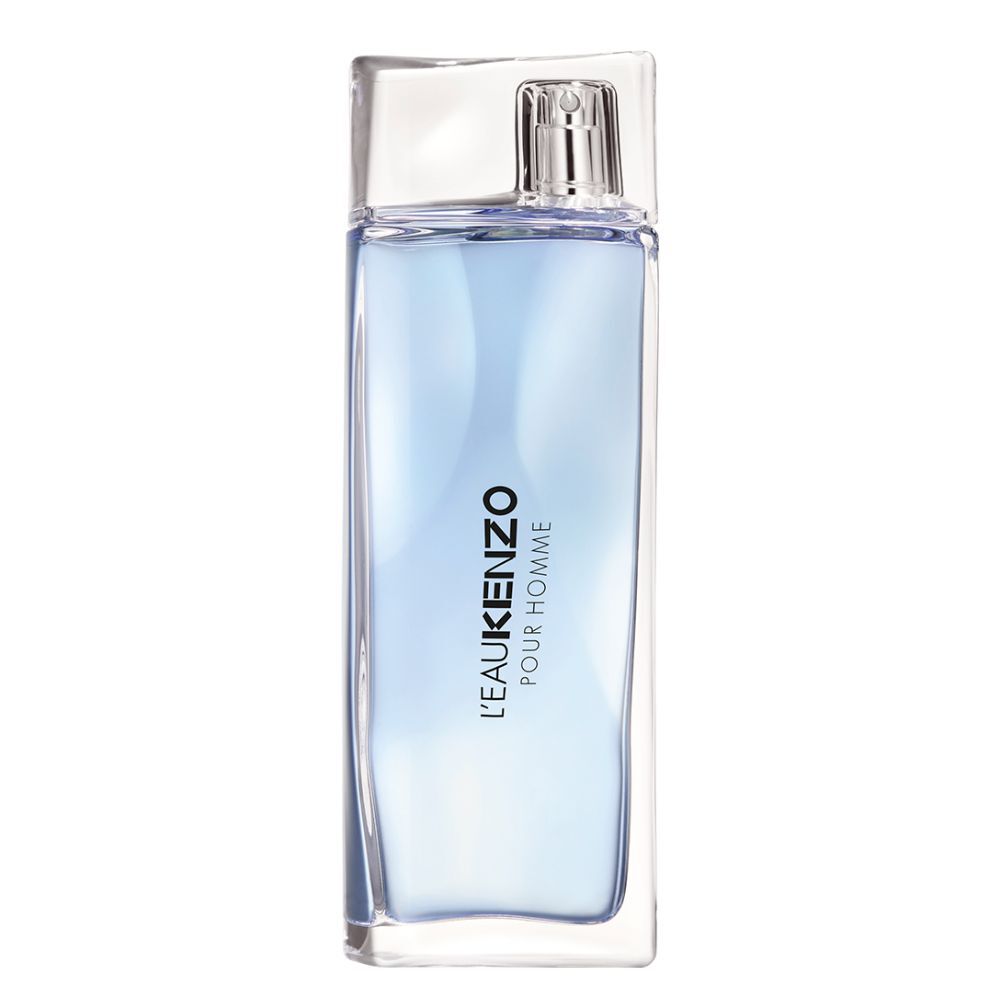
For men. In men's fragrances, the bitter orange note structures aromatic or woody accords. Paired with lavender, mint or vetiver, it creates crisp, fresh fragrances. With vanilla and ginger — as in the Armani Code line — it gains depth and suits evenings or the colder season. Kenzo L'Eau pour Homme illustrates the light, sporty register well, described by our customers as "very masculine" and "light".
Unisex options. Some compositions, particularly citrus aromatics, can be worn by anyone. Don't limit yourself to gendered classifications: bitter orange, a natural vegetal note, ultimately responds to your own personal sensibility.
Practical tips. Try the fragrance on skin rather than on a test strip: the rapid evaporation of hesperidic notes will reveal the base note accord within ten minutes. Choose an EdP or Le Parfum for better longevity if lasting power matters to you.
Tendance Parfums figures
What our own online perfumery data tells us about the bitter orange note — figures you won't find anywhere else:
- Fragrances with the bitter orange note available in our catalogue, from 33 EUR to 170 EUR (core range 54-74 EUR).
- The best-seller among our customers: Guerlain Aqua Allegoria Mandarine Basilic.
- Average rating of our selection: 4.8/5 from 211 verified customer reviews.
- Prices and stock updated continuously; free delivery from 59 EUR of purchases.
Frequently asked questions
What is the bitter orange note in a fragrance? The bitter orange note comes from the peel of the bitter orange tree (Citrus aurantium), a citrus fruit distinct from sweet orange. It brings a sparkling freshness tinged with a light vegetal bitterness, less sweet than other citrus notes. In perfumery, it is mainly used as a top or heart note, and pairs with florals, aromatics or vanillas.
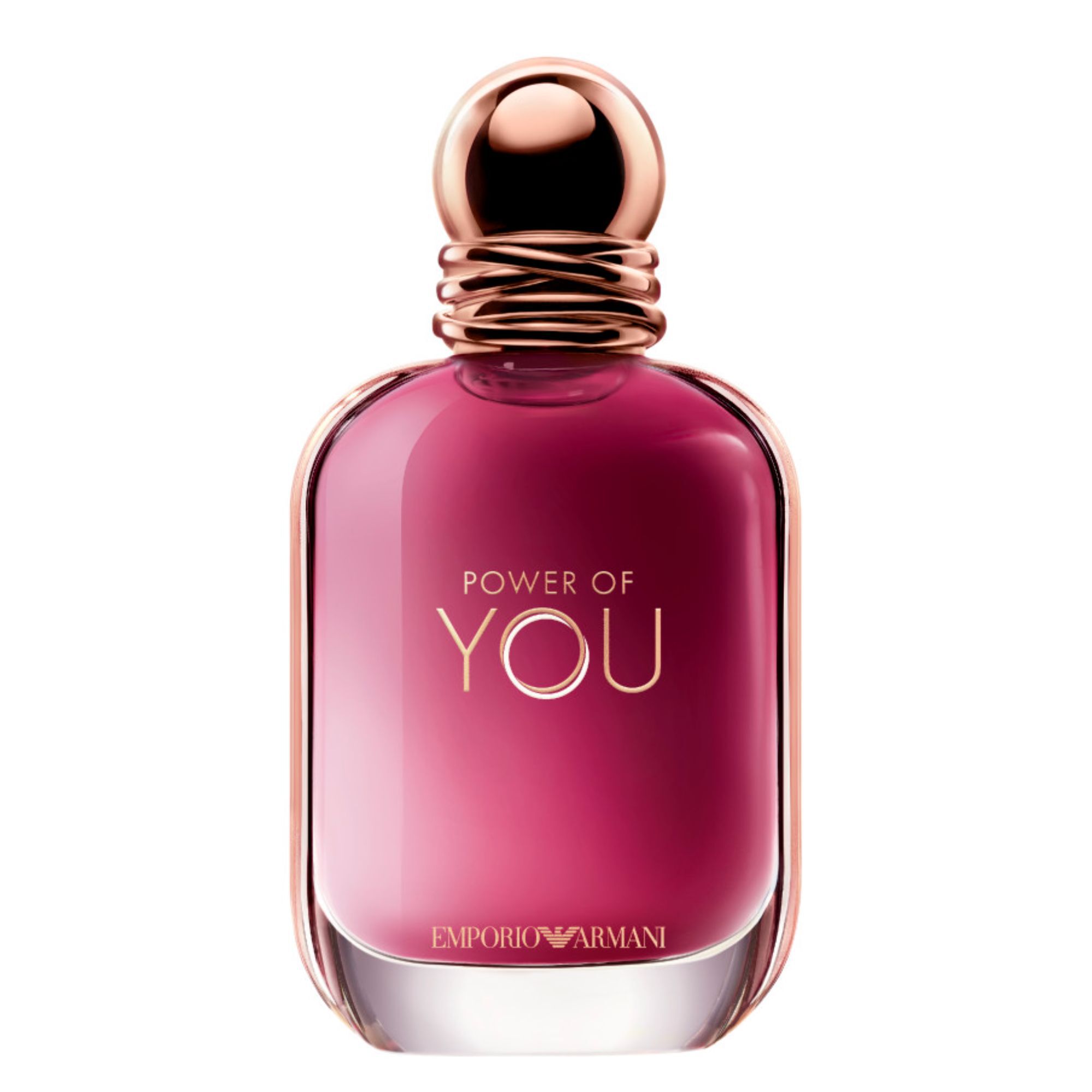
Which bitter orange fragrances suit a woman? For a woman, the most popular bitter orange fragrances in our catalogue are Guerlain Aqua Allegoria Mandarine Basilic (4.92/5) for its floral lightness, and Hermès Twilly d'Hermès (4.84/5) for its orange blossom-tuberose-vanilla accord. Armani Power of You, a gourmand fruity fragrance, also suits women who love more enveloping compositions.
Which bitter orange fragrances suit a man? For a man, the bitter orange note expresses itself in fresh or oriental accords. Prada Luna Rossa (4.88/5) and Kenzo L'Eau pour Homme (33 EUR, rated "very masculine") are fresh, everyday choices. The Armani Code line (EdT, EdP, Le Parfum) offers a warmer, more intense register, suited to evenings.
Which season should you wear a bitter orange fragrance in? Bitter orange fragrances are versatile depending on their composition. Citrus aromatic versions (Guerlain Aqua Allegoria, Prada Luna Rossa, Kenzo L'Eau) are ideal for spring and summer thanks to their freshness. Richer accords with vanilla and musks, such as Armani Code, work equally well in autumn and winter.
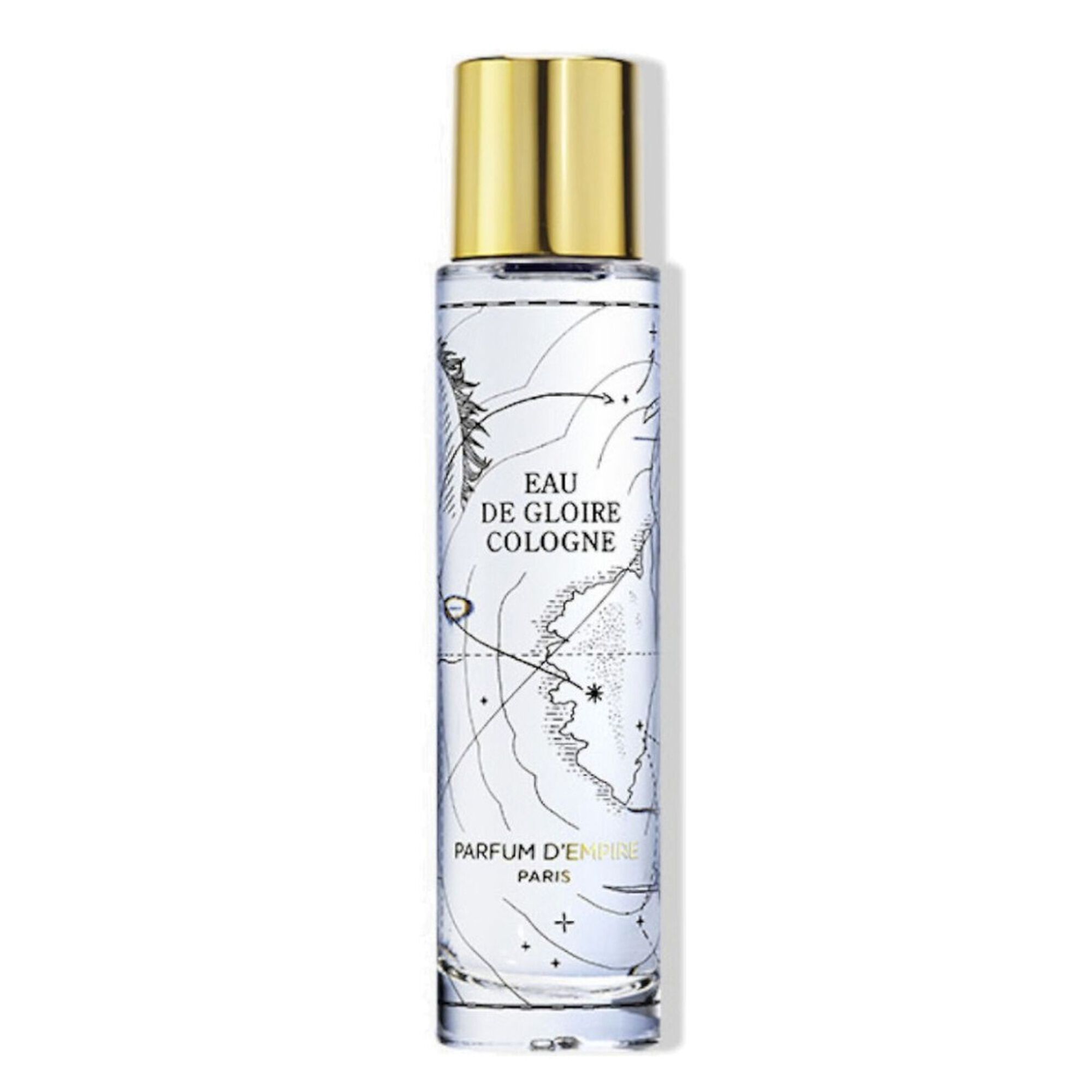
What is the difference between bitter orange and bergamot in perfumery? Bitter orange and bergamot both come from the Citrus genus, but offer distinct characters. Bergamot is brighter, slightly floral and lemony. Bitter orange is drier, with a more pronounced vegetal bitterness. In practice, the two are often combined — as in Hermès Twilly or Parfum d'Empire Eau de Gloire — to create complex hesperidic openings.