
Olive tree fragrance: buying guide and best perfumes 2026
The olive tree note brings a dry, slightly smoky, vegetal woody touch to perfumery, evoking the Mediterranean, weathered wood and grey-green leaves. It appeals to both women and men seeking a natural, earthy and elegant signature, far from overly sweet compositions. This guide will help you understand this material, place it within a fragrance pyramid, and choose the perfume that suits it best.
The olive tree note in perfumery: what is it?
The olive tree note in perfumery refers to the olfactory evocation of the entire tree — wood, leaves, bark, fruit — rather than a single, precise extraction. It is characterised by a dry, slightly bitter woodiness, with vegetal facets and an almost smoky or ashy touch reminiscent of aged wood and Mediterranean scrubland.
A material with multiple facets
Depending on how it is reconstituted or isolated, the olive tree note can be expressed in several registers:
- Olive leaf: green, slightly herbaceous, with a fresh bitterness.
- Olive wood: dry, dense, close to cedarwood but more mineral.
- Black olive: gourmand, almost earthy, with a subtle fatty roundness.
- Smoke & ash: a dry, slightly smoky facet that some perfumers use to evoke burnt wood.
Its place in the fragrance pyramid
The olive tree note most often occupies the heart note or base note of a composition. As a heart note, it structures the woody accord and gives it a distinctive vegetal quality. As a base note, it gradually dries out and becomes more ligneous, almost resinous, ensuring a discreet yet long-lasting presence.
Its natural accords
Olive tree pairs particularly well with:
- dry woods (cedarwood, sandalwood, oud) which amplify its ligneous density;
- aromatic notes (rosemary, thyme, lavender) for coherent Mediterranean compositions;
- citrus (bergamot, lemon) which bring a fresh opening before the wood settles in;
- sweet spices (pepper, cinnamon) which warm up its mineral quality.
It differs from vetiver in being less earthy and more airy, and from cedarwood in its vegetal facet and characteristic slight bitterness.
What are the best perfumes featuring the olive tree note?
Perfumes featuring the olive tree note are available at Tendance Parfums, ranging from 47.50 EUR to 72 EUR. The selection below is based exclusively on concrete data: actual sales recorded over the past twelve months in our shop, and verified reviews left by our customers. It is these objective criteria — not an arbitrary ranking — that guide the order of presentation. The products appear directly after this introduction.
Our top picks, reviewed
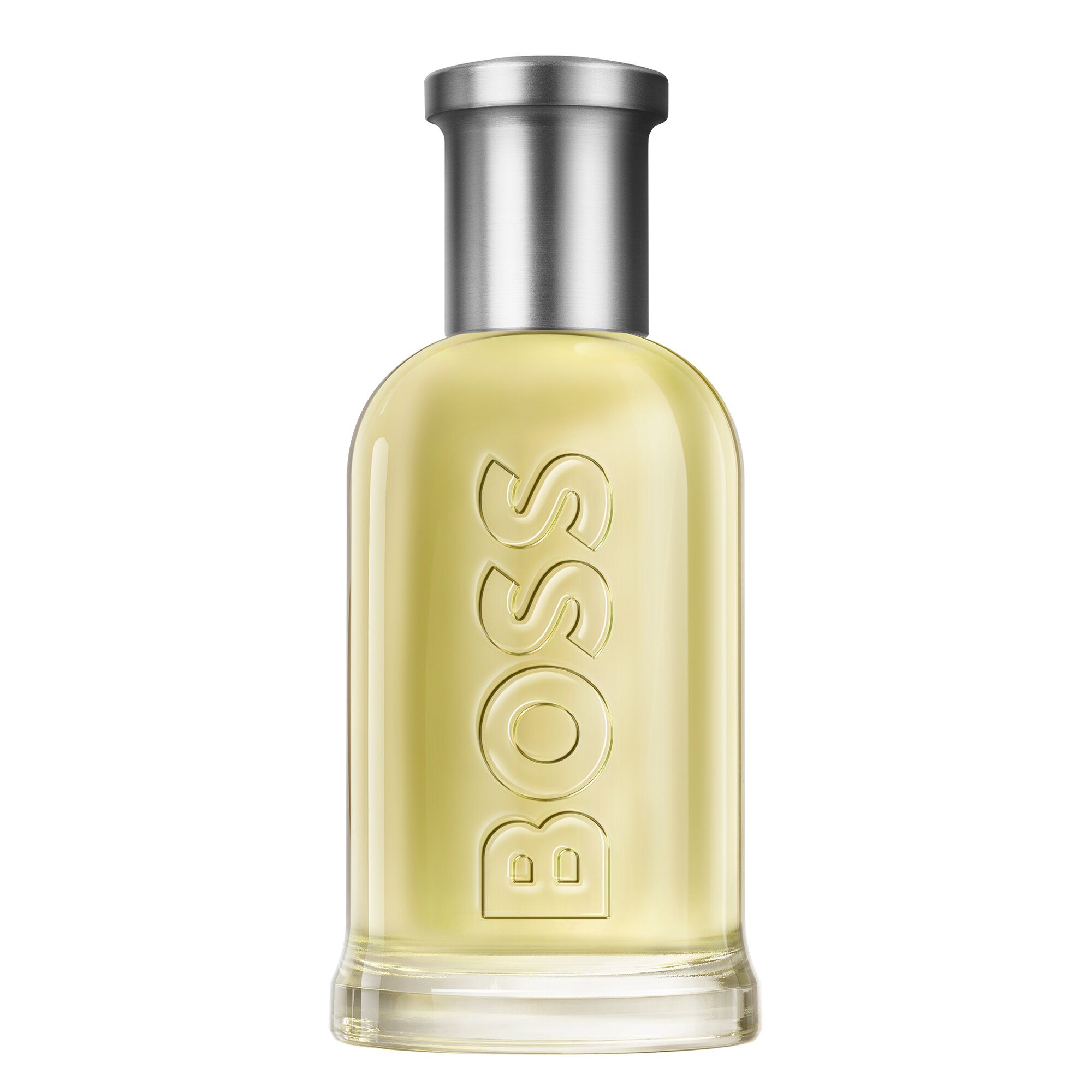
Hugo Boss Boss Bottled (Eau de Toilette) — This is the olive tree note perfume most chosen by our customers. Its spicy woody structure pairs cedarwood and bergamot with touches of apple and carnation: a balanced composition, accessible from 47.50 EUR, suited to both everyday wear and dressier occasions. A reliable, tried-and-tested choice.
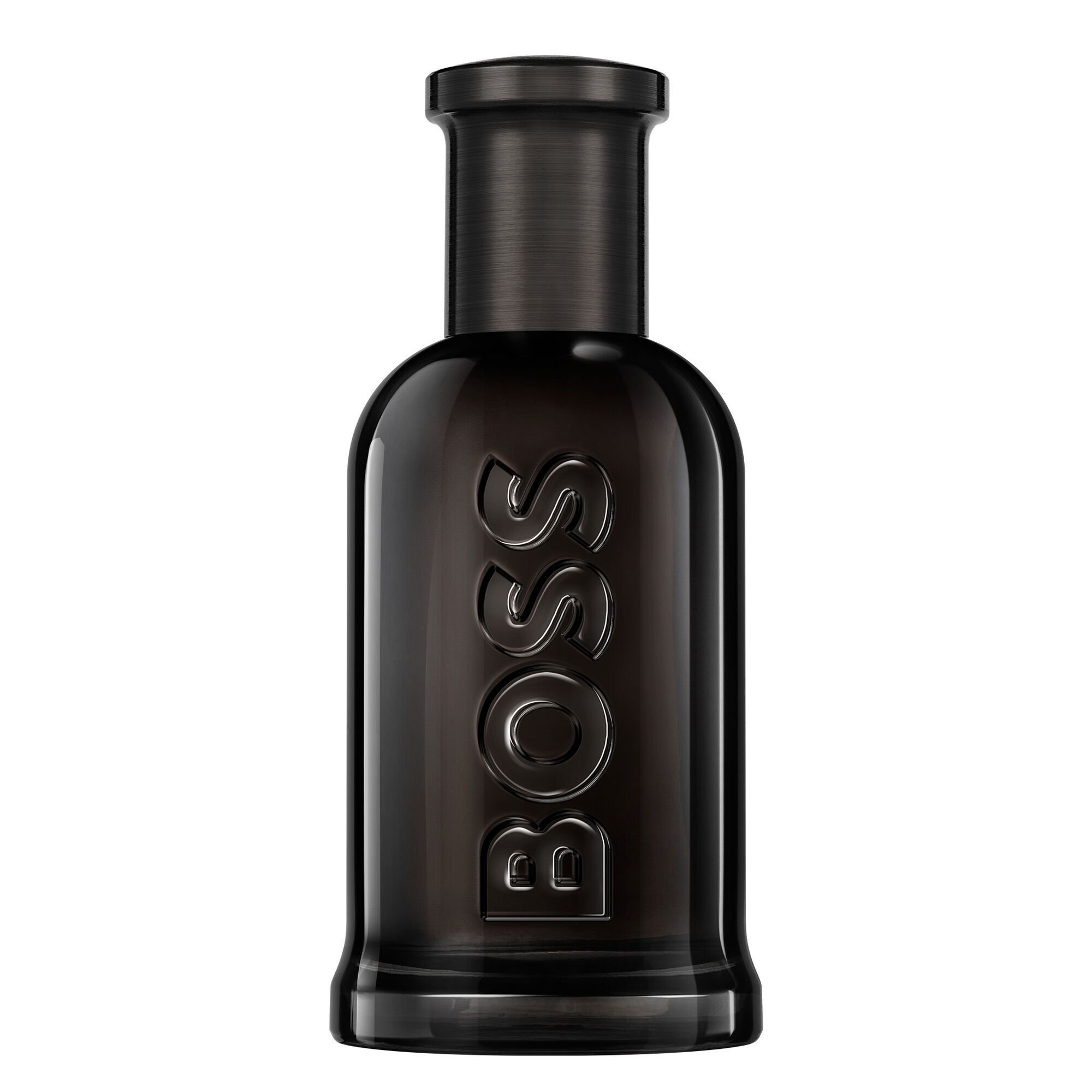
Hugo Boss Boss Bottled (Le Parfum, 64 EUR) — This is a concentrated flacon from the Boss Bottled range. The parfum concentration intensifies the dry woody facet and the spicy accord — cedarwood, vanilla, cinnamon — while retaining the line's recognisable signature. Choose this if you want better longevity and a more present sillage than the Eau de Toilette.
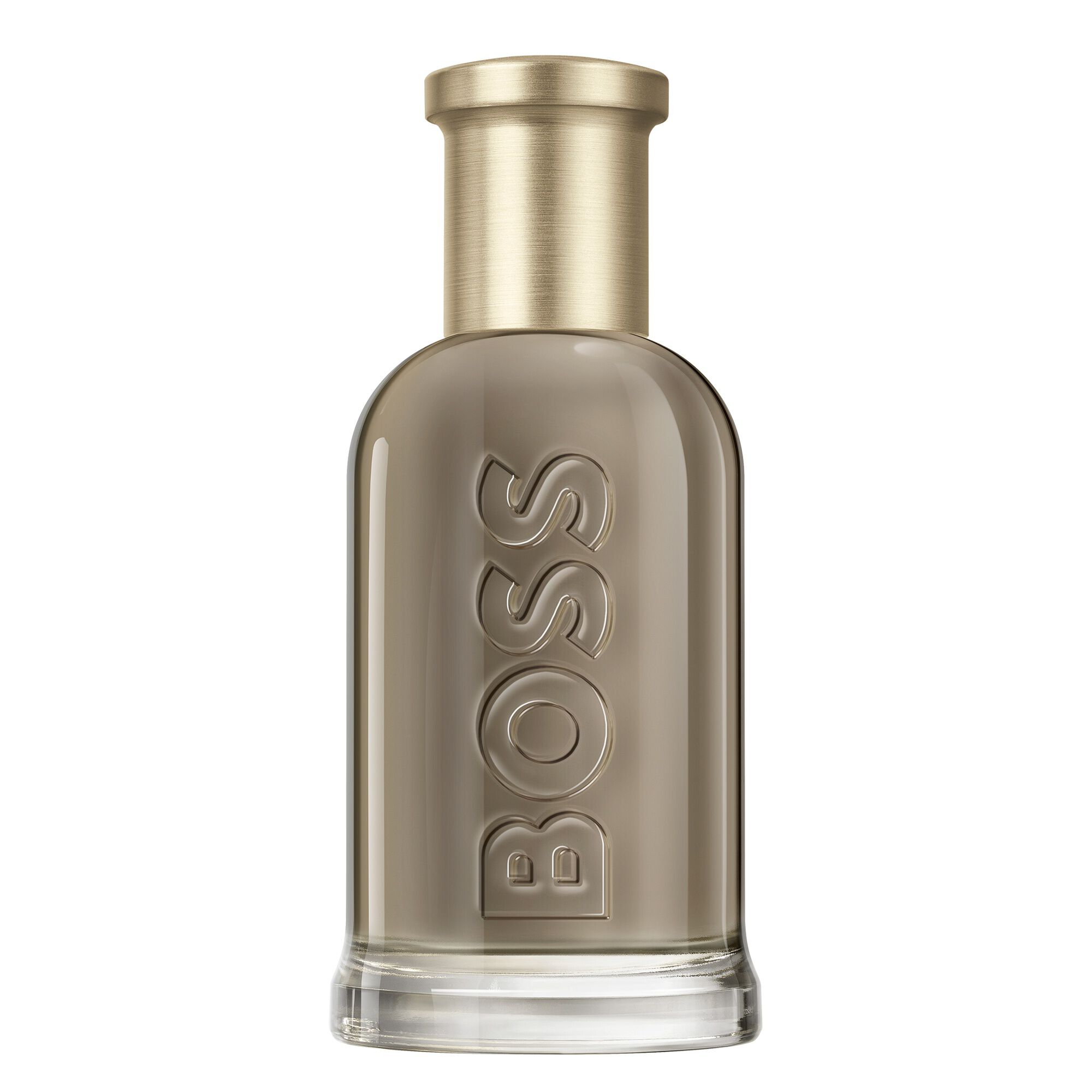
Hugo Boss Boss Bottled (Le Parfum, 62.50 EUR) — A rating of 4.6/5 across 5 verified reviews reflects solid satisfaction. Same olfactory architecture as the previous version — cedarwood, bergamot, carnation, apple, vanilla — at a slightly more accessible value. A sound choice for those discovering the range through its most concentrated version.
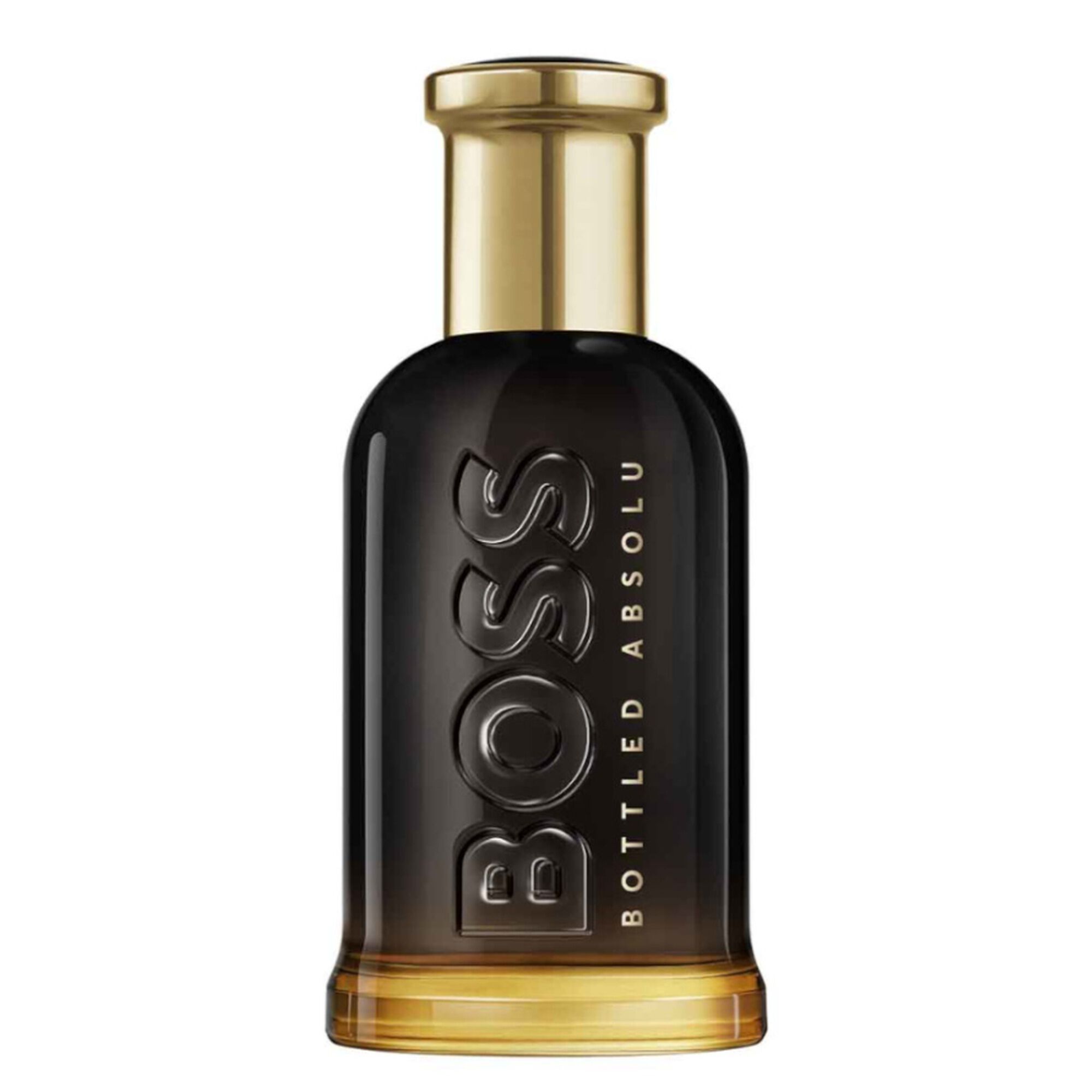
Hugo Boss Boss Bottled Absolu — The Absolu version (72 EUR) is the most understated in the selection, yet it boasts 5/5 on its single verified review. Its character is distinctly woody aromatic: dry wood, cedarwood and bergamot dominate, with a discreet touch of cinnamon. One loyal customer notes that they have "truly adopted it" after long wearing another great woody classic. Ideal for those who love an uncompromising dry facet.
Olive tree for women, for men: how to choose?
The olive tree note belongs to neither gender: its versatility is one of its greatest qualities. However, it expresses itself differently depending on the orientation of the composition.
For men
In predominantly masculine perfumes, olive tree fits into spicy woody or aromatic woody accords. The dry wood and the leaf's slight bitterness reinforce a composition's structure, giving it an assertive, earthy character. Sweet spices — cinnamon, clove, pepper — act as a binder and warm the whole. This type of scent suits men seeking an elegant yet unconventional signature, away from overly smooth or overly vanilla-laden woody references.
For women
For women, the olive tree note is more often found in Mediterranean or chypre compositions, where it brings a natural, understated touch. Paired with subtle florals or bergamot notes, it produces a perfume that is not overly sweet, almost intimate, suited to women who prefer natural materials to highly elaborate constructions.
Seasons and occasions
- Spring-summer: the green, fresh facet of the olive leaf comes into its own in warm weather. This is the ideal season to explore it.
- Autumn-winter: the dry, smoky wood facet takes over, perfectly suited to cooler evenings.
- Daytime: the olive tree note remains fairly discreet, making it an appropriate choice for the office or lunch.
Practical tip
Before buying, test the sillage after 30 minutes on your skin: this is when the dry woody facet of olive tree truly reveals itself, beyond the fresher opening often dominated by citrus.
The Tendance Parfums figures
What our own online perfumery data tells us about the olive tree note — figures you won't find anywhere else:
- Perfumes featuring the olive tree note available in our catalogue, from 48 EUR to 72 EUR (core range 62-72 EUR).
- The bestseller among our customers over the past 12 months: Hugo Boss Boss Bottled.
- Average rating of our selection: 4.8/5 across 10 verified customer reviews.
- Prices and stock updated continuously; free delivery from 59 EUR of purchases.
Frequently asked questions
What is the olive tree note in perfumery? The olive tree note in perfumery evokes the entire tree — green, bitter leaf, dry wood, slightly smoky bark. It is not a single extraction but an olfactory reconstruction that gives compositions a natural, Mediterranean, understated woody character, distinct from cedarwood or sandalwood.
Are there olive tree perfumes for women? Yes. The olive tree note is unisex by nature. In compositions aimed at women, it is often paired with light floral notes or citrus for a natural, not-too-sweet result. The spicy woody perfumes in our selection can be worn regardless of gender, according to personal preference.
How long does an olive tree perfume last? The olive tree note, positioned as a heart note or base note, contributes to a composition's longevity. In a Parfum version (higher concentration), longevity generally exceeds six to eight hours. In an Eau de Toilette, expect four to six hours depending on the warmth of your skin.
Is the olive tree note better suited to summer or winter? The olive tree note works all year round. In summer, its green, fresh facet stands out more. In autumn-winter, dry wood and spices dominate and warm up the composition. Spicy woody accords — such as those in the Boss Bottled range — are particularly appreciated in the cold season.
What is the difference between the olive tree note and the cedarwood note? Cedarwood is a light, dry and slightly creamy wood, very common in perfumery. Olive tree additionally brings a vegetal bitterness, an almost ashy or smoky touch, and a more specific Mediterranean dimension. In the Boss Bottled range, both notes coexist: cedarwood structures, olive tree distinguishes.