

Perfume with fruity notes: 2026 buying guide and best fragrances
In perfumery, fruity notes refer to the full range of accords that evoke the pulp, juice or skin of fruit: vibrant citrus, plump red berries, velvety peach, milky fig, tart apple. Present in the top notes for freshness or in the heart note for roundness, they structure both women's and men's compositions alike. This guide explains how they work from an olfactory perspective and helps you choose the fruity parfum that suits your style and occasions.
The fruity notes note in perfumery: what is it?
Fruity notes bring together all the raw materials — natural or synthetic — that recreate the olfactory character of fruit in perfumery. They don't form a single family but a vast territory, ranging from the airiest citrus zest to the most luscious tropical fruits.
Natural or synthetic? Unlike flowers, from which an absolute can be extracted, most fruits don't easily yield their aromas through distillation or enfleurage. Citrus peels (bergamot, lemon, mandarin) are the exception: their essential oil is obtained by cold pressing and provides brilliant top notes for the fragrance pyramid. For other fruits — peach, strawberry, raspberry, apple, fig, mango — perfumers rely mainly on synthetic molecules (lactones, esters) or on natural extracts from plant residues, which faithfully recreate the sensation of the fruit without compromising its freshness.
Position in the fragrance pyramid Citrus fruity notes generally sit in the top notes: they evaporate quickly (20 to 40 minutes) and give the first impression of the sillage. Fleshier fruits (peach, apricot, fig, red berries) tend to settle in the heart note, adding roundness and volume. Certain milky or woody-fruity facets (coconut, dried fig) drift down to the base note, extending the parfum's longevity.
What notes do they pair with? Fruity notes are among the most versatile in the fragranced palette. They naturally combine:
- with florals (jasmine, rose, muguet) for light women's compositions;
- with woods (sandalwood, cedar, vetiver) to add softness to dry base notes;
- with orientals (patchouli, amber, musk) to create a gourmand quality without becoming heavy;
- with green and aromatic notes (tomato leaf, verbena, fig leaf) for fresh, contemporary accords.
In short, a fruity note acts as a binder: it softens what is too austere, and lightens what is too dense.
What are the best fragrances with the fruity notes note?
Our selection of fragrances with fruity notes is built from verified reviews and real sales recorded on Tendance Parfums over the past twelve months. It covers a wide spectrum of styles — from light fruity-floral to deep fruity oriental — and is suited to both women and men, with prices ranging from 54 to 92 EUR. Each fragrance selected combines an identifiable fruity note with other fragrance families for a distinctive, personal result.
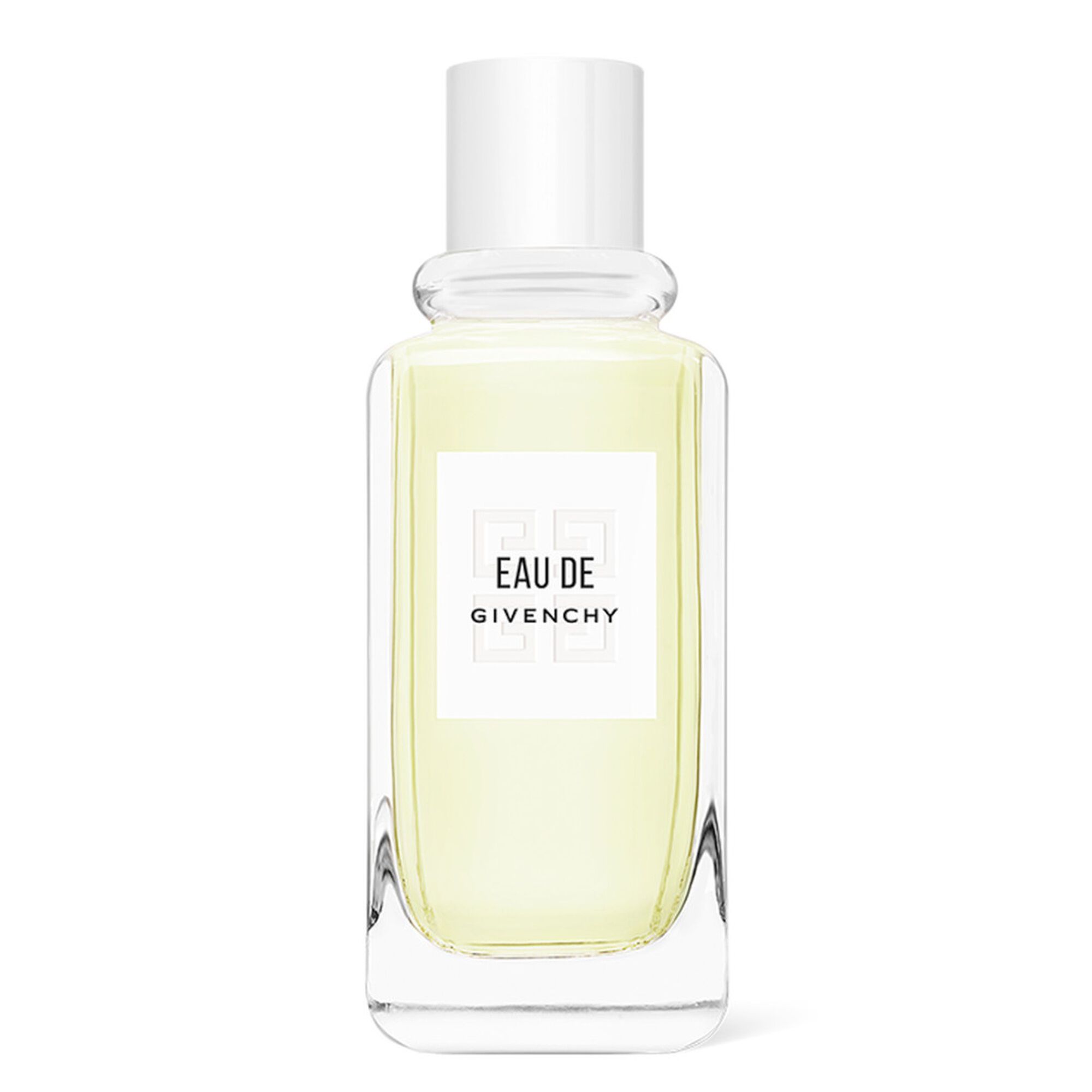
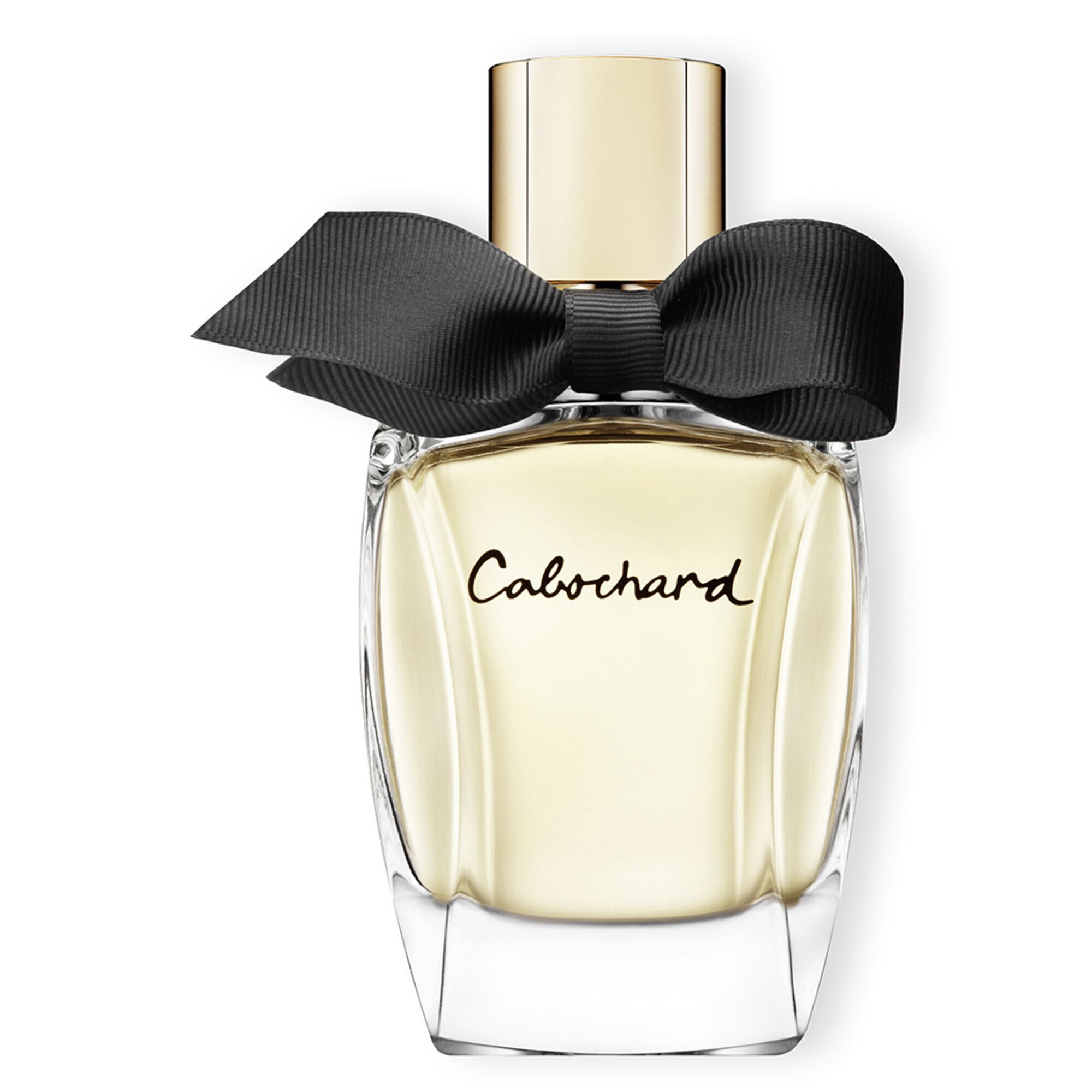
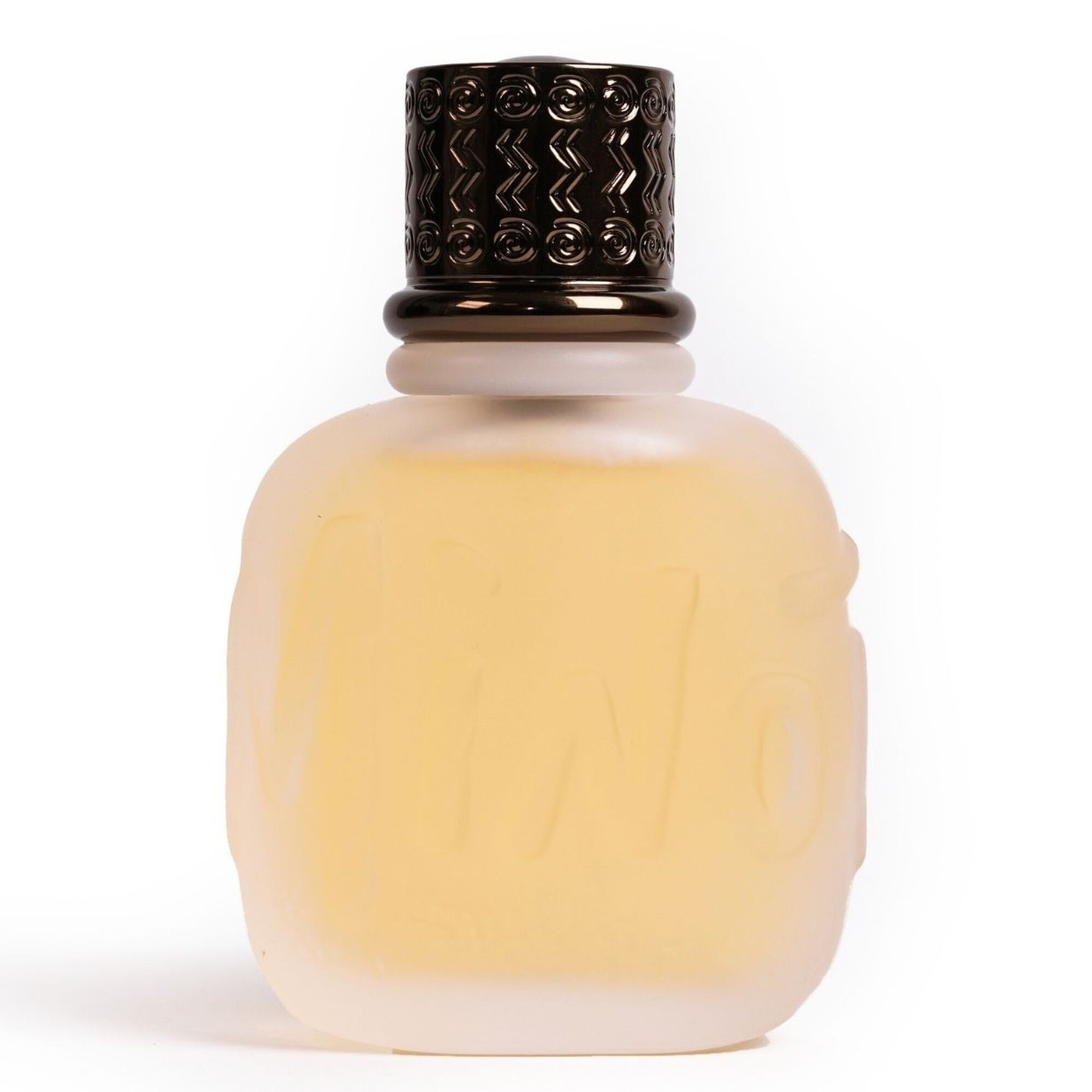
Our favourites, reviewed
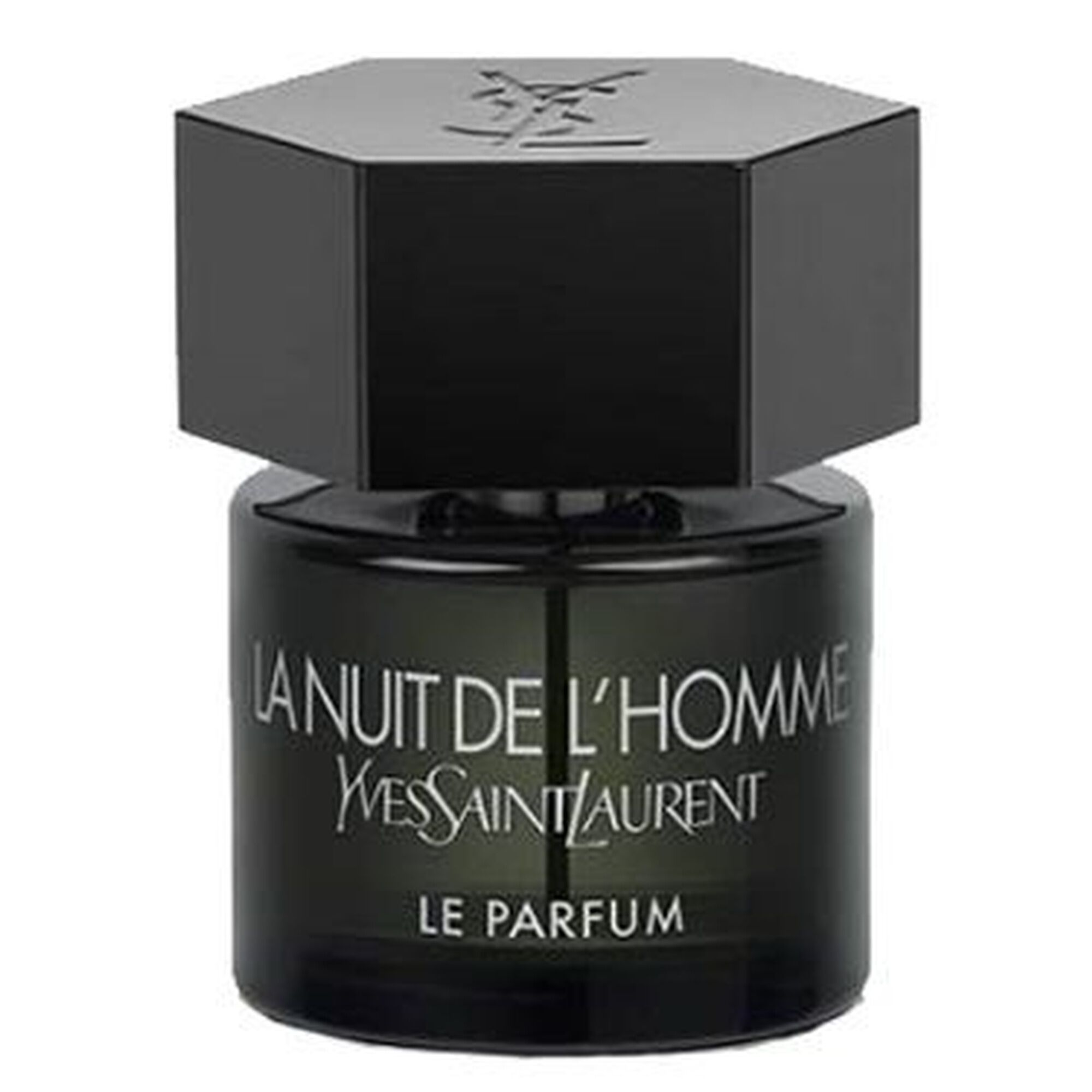
Yves Saint Laurent La Nuit de L'Homme Le Parfum — With a rating of 4.61/5 from 62 verified reviews, this is the most popular fruity fragrance in our catalogue. The anise-vetiver-patchouli accord is underpinned by a fruity facet that softens the whole and makes it immediately approachable. Built for autumn and winter evenings. One customer sums it up: "As always, it lives up to its reputation."
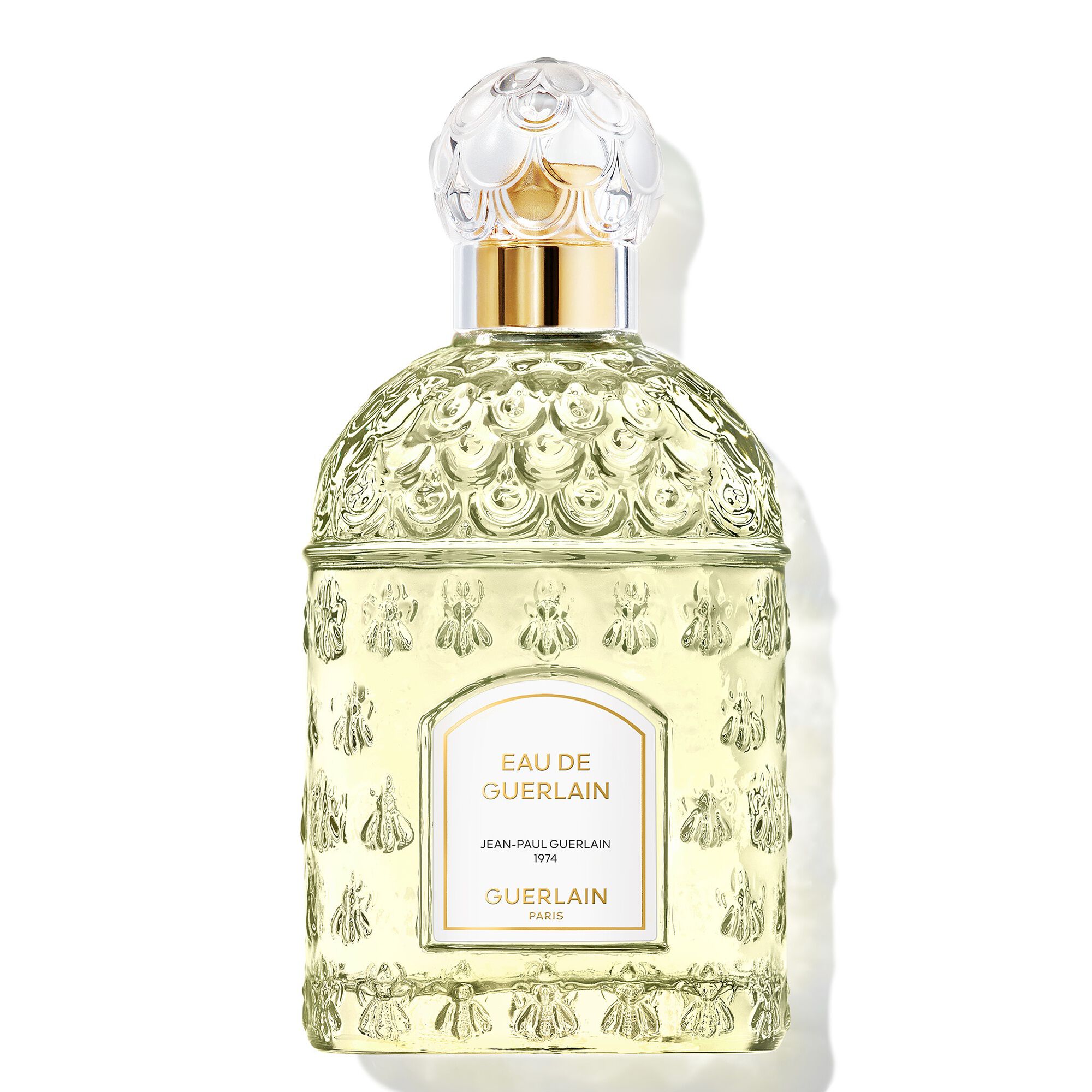
Guerlain Eau de Guerlain — A perfect score of 5.0/5 from 15 verified reviews for this hesperidic-aromatic eau, where bergamot and fruity notes weave around rose and sandalwood. A unisex fragrance with classic elegance. One customer notes: "Fragrances that are always subtle and rare — they last just as well on the skin as on clothing" — a comment that says a lot about the longevity of this airy fragrance.
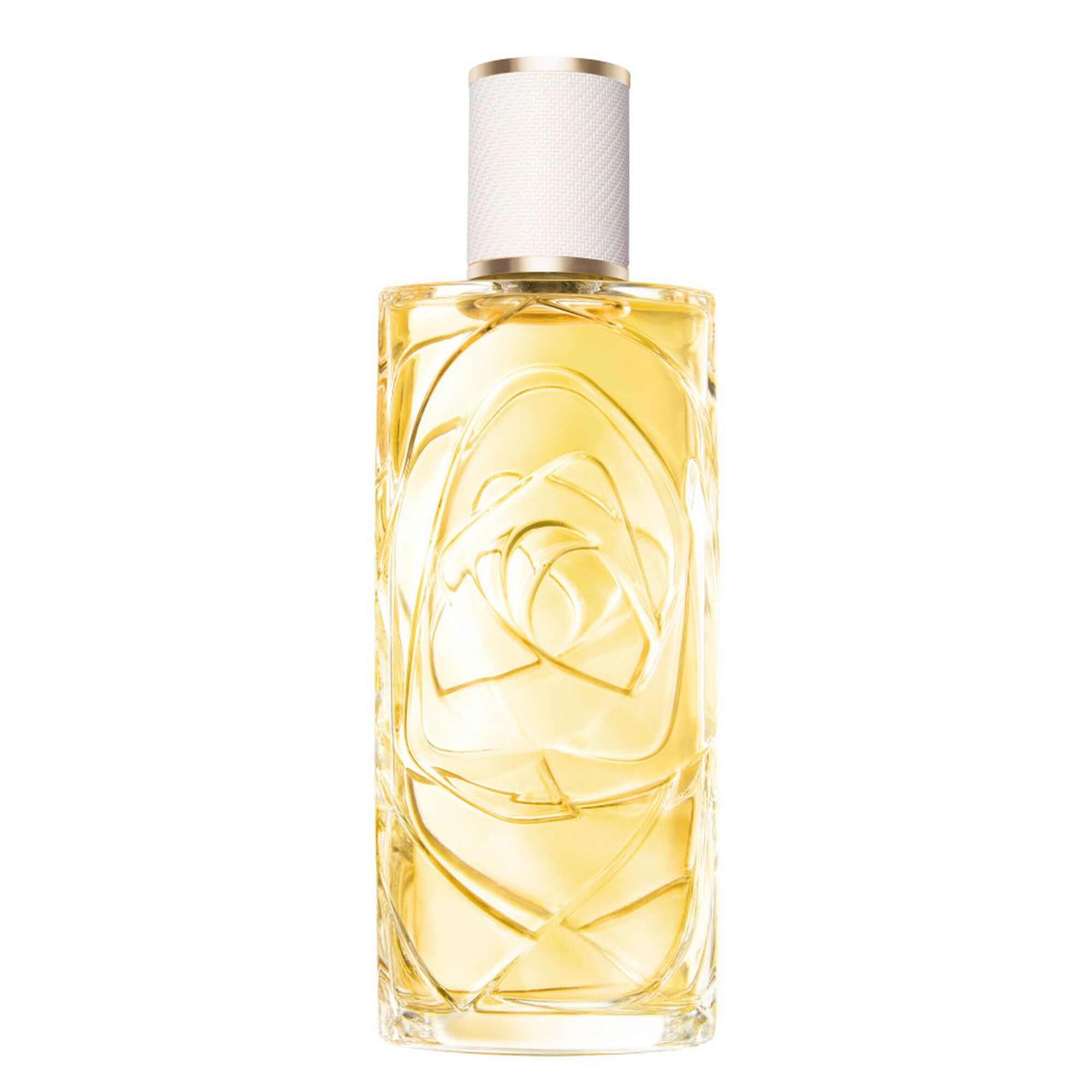
Lancôme Ô Zenith — 5.0/5 from 2 reviews for this luminous floral-fruity fragrance centred on jasmine, white flowers and monoi oil. The fruity note brings summery lightness. One of our customers simply notes: "I smelled it at the perfumery and loved it" — a positive first impression that reflects immediate, effortless projection.
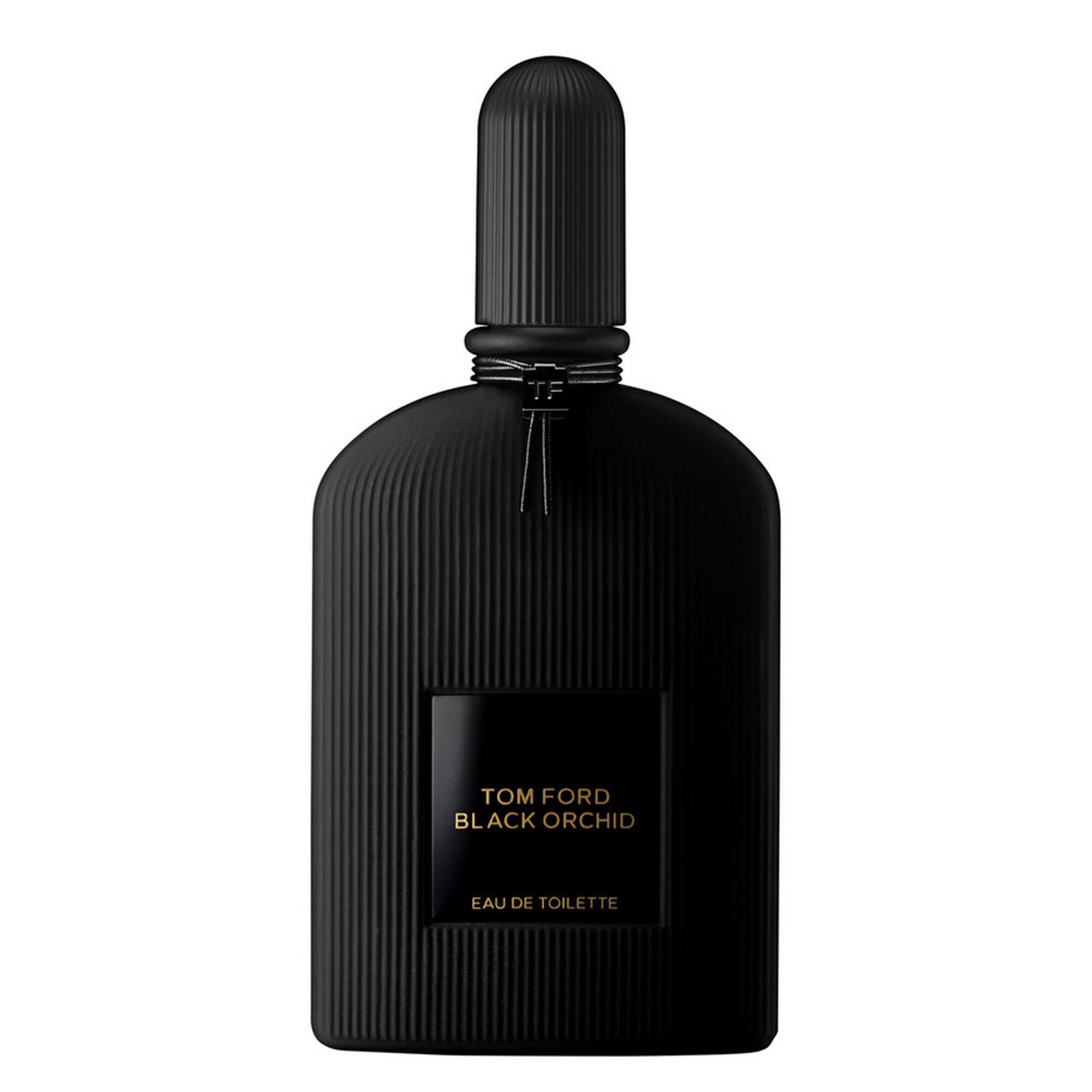
Tom Ford Black Orchid (EDT) — The entry point of our selection at 59 EUR, this oriental-floral fragrance combines a fruity note with orchid, sandalwood and white musk. The result is darker and more sensual than the other fruity fragrances on the list, making it the ideal choice for anyone seeking an unconventional fruity accord, closer to soft leather than to sun-drenched fruit.
Fruity notes for women and men: how to choose?
The fruity note knows no gender boundary: it expresses itself differently depending on the materials it's paired with, and it's this context that steers a choice towards a more feminine, masculine or unisex use.
For women, fruity notes are most often paired with floral heart notes (rose, jasmine, muguet) or with powdery, ambery base notes. The result is generous, round, sometimes slightly gourmand. Fragrances like Lancôme Ô Zenith or Givenchy Eau de Givenchy illustrate this angle: the fruity note adds brightness without weighing down the floral composition. These fragrances are particularly suited to spring and summer, worn during the day as well as on relaxed evenings.
For men, the fruity note is often used to temper fougeres or orientals: it brings freshness and approachability to drier base notes (vetiver, wood, patchouli). Yves Saint Laurent La Nuit de L'Homme Le Parfum is a direct example: the fruity facet coexists with anise and vetiver for a sophisticated result, built for autumn and evenings.
In unisex fragrances, fruity-woody accords (sandalwood, cedar) or fruity-green accords (tomato leaf, fig) offer compositions that anyone can make their own, depending on their olfactory profile.
Practical testing tips
- Test a citrus fruity fragrance (bergamot in the top notes) on the wrist and wait 30 minutes before judging: the top notes fade quickly.
- For a heart-note fruity fragrance (peach, fig), test on the inner elbow — body warmth reveals the roundness more clearly.
- If torn between two fragrances, wear one on each wrist and wait an hour.
Tendance Parfums figures
What our own online perfumery data tells us about the fruity notes note — figures you won't find anywhere else:
- Fragrances with the fruity notes note available in our catalogue, from 54 EUR to 130 EUR (core range 59-78 EUR).
- The bestseller among our customers over the past 12 months: Yves Saint Laurent La Nuit de L'Homme Le Parfum.
- Average rating of our selection: 4.6/5 from 86 verified customer reviews.
- Prices and stock updated continuously; free delivery from 59 EUR of purchases.
Frequently Asked Questions
What is a fruity note in perfumery? A fruity note refers, in perfumery, to any accord that evokes the aroma of a fruit: citrus, red berries, peach, fig, mango. It can come from an essential oil (bergamot zest) or a synthetic molecule (peach lactone). These notes often occupy the top or heart of the fragrance pyramid.
Which fruits are most commonly used in perfumery? Bergamot, lemon and mandarin are the most common, as their essential oil is easily extracted by cold pressing. Among fleshier fruits, peach, raspberry, fig, apple and mango are frequently recreated using synthetic molecules (esters, lactones) to bring roundness and freshness to compositions.
Is a fragrance with fruity notes suitable for men? Yes, many men's fragrances incorporate fruity notes. They generally serve to soften fougere or oriental accords — wood, patchouli, vetiver — by adding freshness and approachability. Yves Saint Laurent La Nuit de L'Homme Le Parfum is a concrete example, with its fruity facet paired with anise and vetiver.
Which season is best for wearing a fruity fragrance? Citrus fruity fragrances (bergamot, lemon) are ideal in spring and summer for their lightness. Heart-note fruity fragrances (peach, fig, red berries) paired with woods or orientals work well in autumn and winter, as skin warmth reveals their roundness. Fruity-florals remain versatile all year round.
What is the difference between a fruity note and a hesperidic note? Hesperidic notes refer exclusively to citrus fruits — bergamot, lemon, orange, grapefruit — whose essential oil comes from the fruit's peel. Fruity notes cover a broader spectrum: all fruits, including citrus but also peach, fig, raspberry, mango. Hesperidic notes are a subset of fruity notes.