
Coconut perfume: buying guide and best fragrances 2026
The coconut note brings a creamy, sun-kissed, slightly sweet softness to perfumery that instantly evokes warm skin and sunlit shores. Found in both light feminine compositions and woody or oriental masculine fragrances, it appeals to a wide range of fragrance lovers. This guide will help you understand how it works and choose, from our catalogue, the one that suits you best.
The coconut note in perfumery: what is it?
The coconut note in perfumery refers to a creamy, milky, slightly sweet accord reminiscent of the flesh and milk of fresh or toasted coconut.
Origin and extraction
Unlike raw materials such as rose or vetiver, coconut is not extracted from the fruit through classic distillation or enfleurage processes. In perfumery, the note is most often recreated using synthetic molecules — particularly lactones, organic compounds naturally present in many fruits and plants — which faithfully reproduce the creamy, tropical character of the fruit. Some perfumers also draw on plant-derived extracts or absolutes from other materials (tiare flower, ylang-ylang), whose creamy facets naturally echo coconut.
Olfactory facets
The coconut note can express itself in several ways depending on the formulation:
- Creamy and milky: soft, enveloping, close to coconut butter.
- Sun-kissed and tropical: paired with tiare flower or ylang-ylang, it evokes sun cream and island escapes.
- Gourmand and sweet: combined with vanilla, caramel or tonka bean, it shifts towards oriental or gourmand territory.
- Marine and salty: blended with salt or ozonic notes, it takes on a fresher, more contemporary dimension.
Position in the fragrance pyramid
Coconut is most often placed as a heart note or base note: too rounded to stand out in the top, it gains presence on contact with the skin and acts as a precious binder for floral, oriental or woody compositions. Its best pairings are with vanilla, tonka bean, musk, ylang-ylang, bergamot, patchouli and marine notes.
What are the best coconut-note perfumes?
Our selection of coconut-note perfumes brings together references from our catalogue, chosen on the basis of our customers' verified reviews and actual sales recorded over the past twelve months. It covers a wide range of budgets — from 22 EUR to 92 EUR — and fragrance families, from sun-kissed florals to gourmand orientals and aromatic woods. Whether you're trying coconut for the first time or replacing a bottle you already know, you'll find plenty below to help refine your choice.
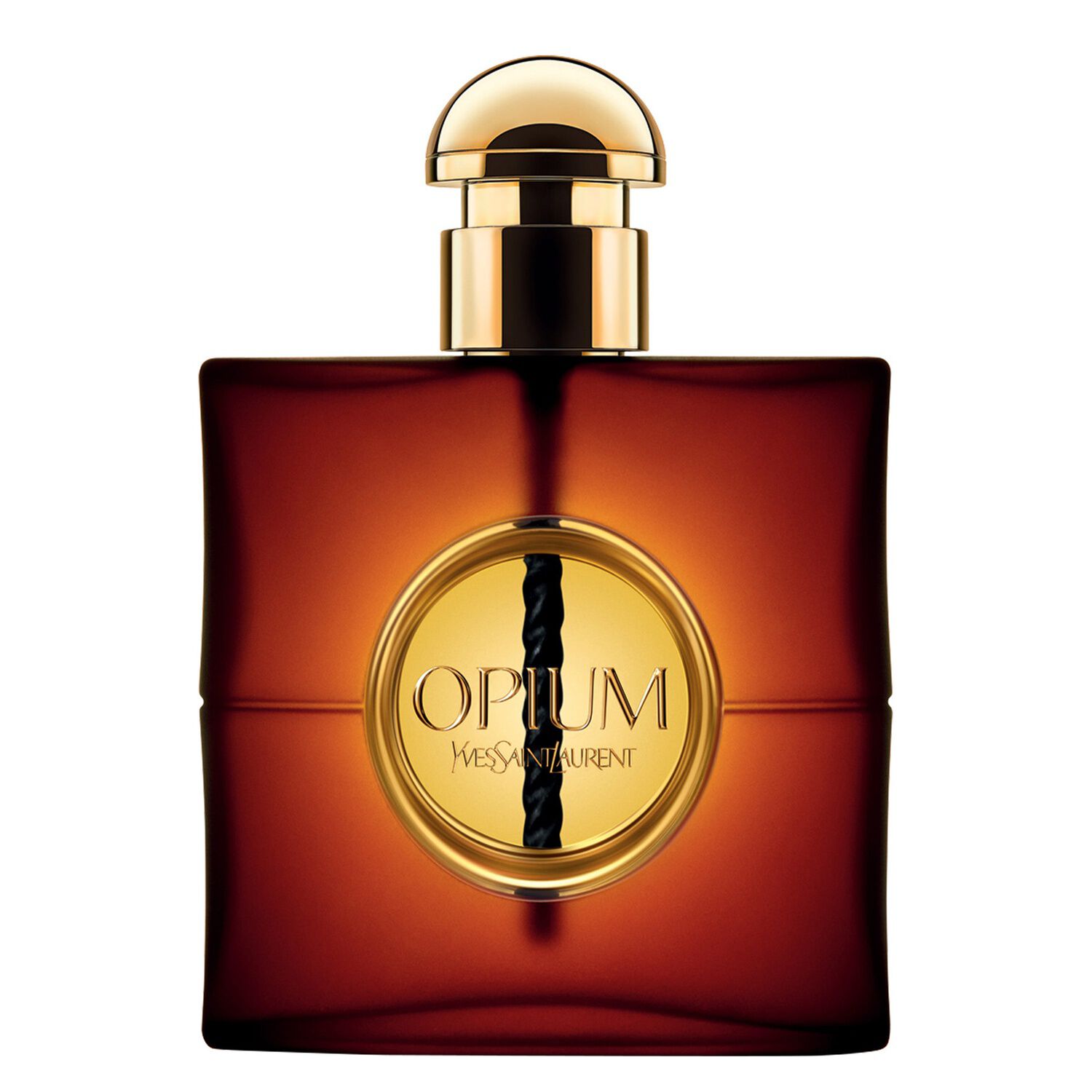
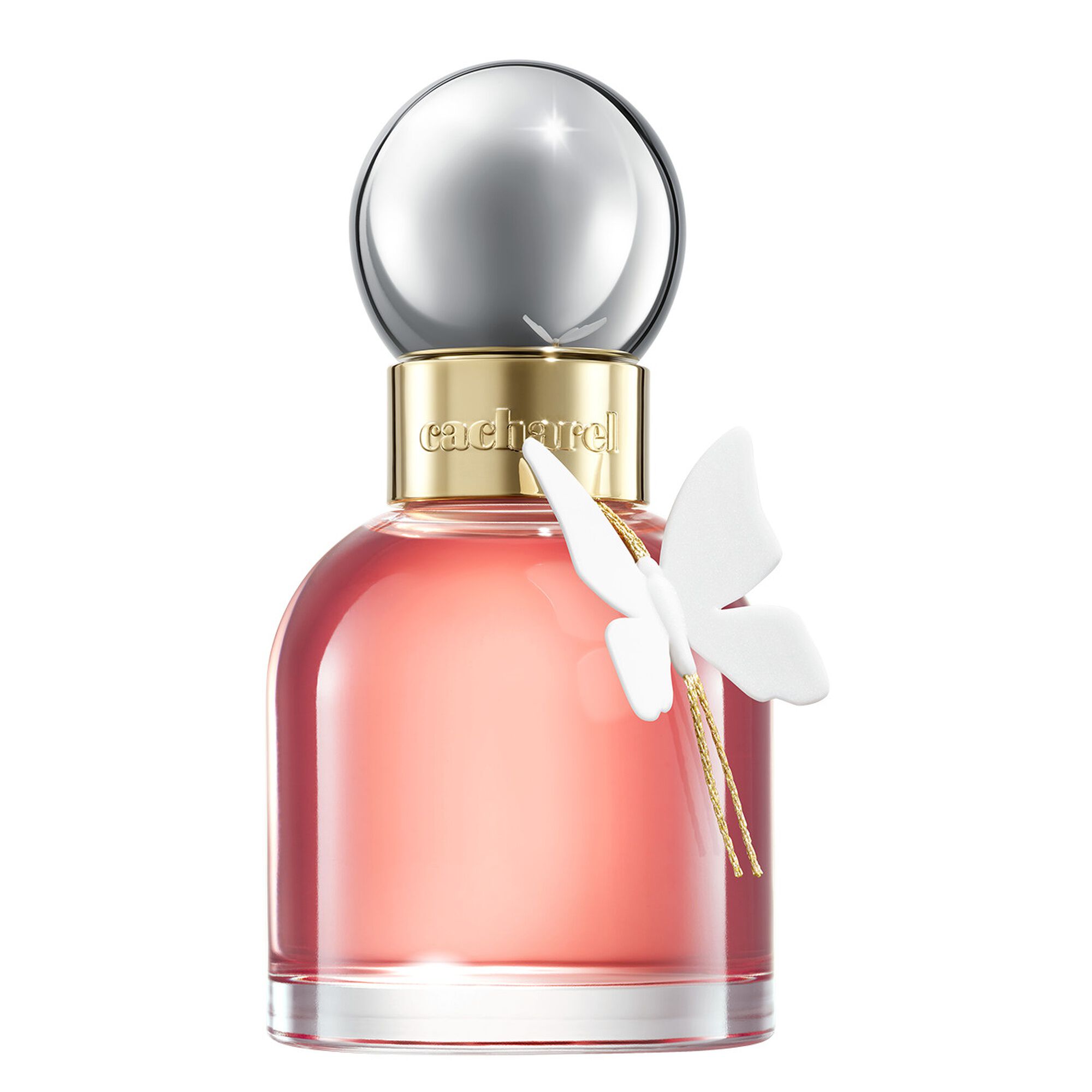
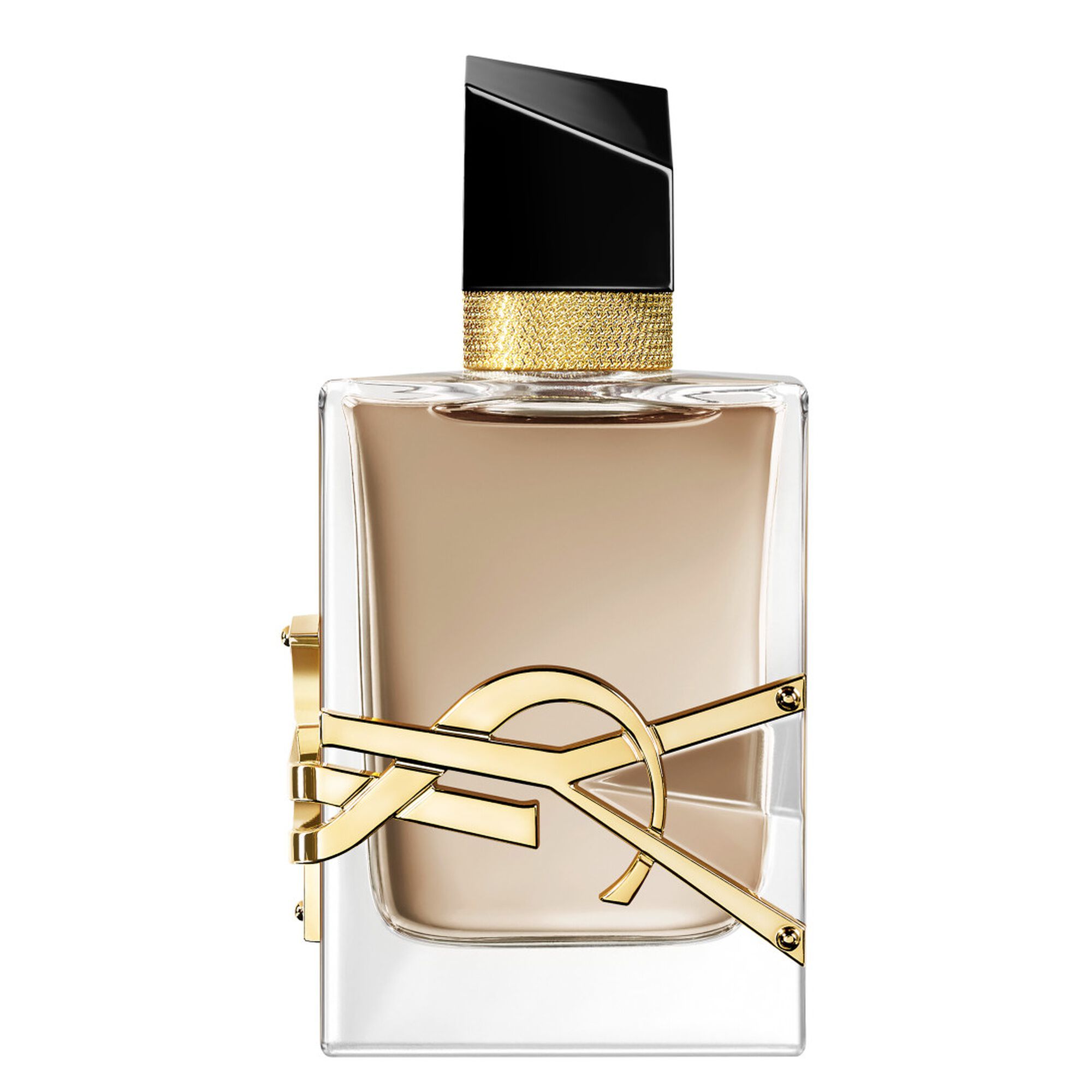
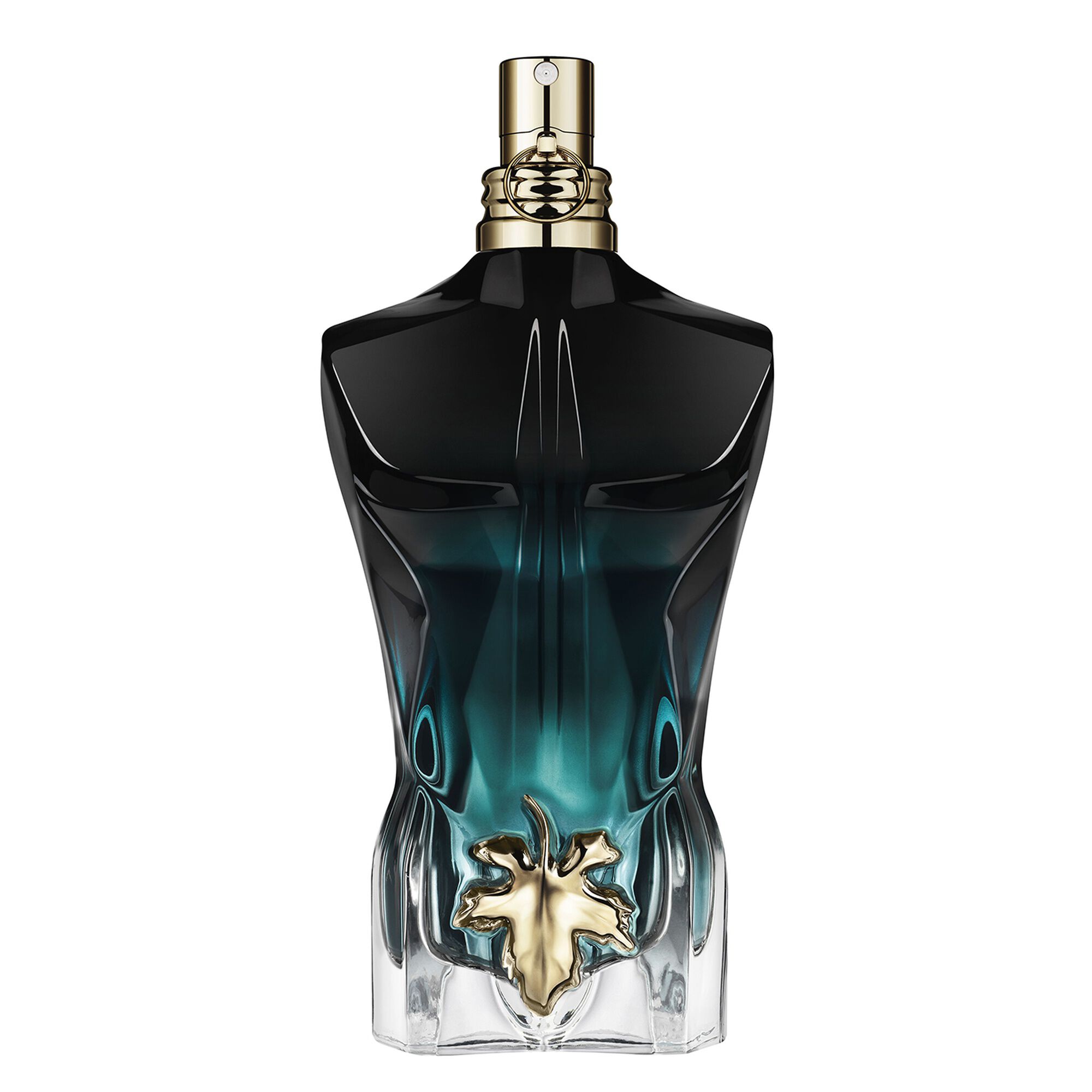
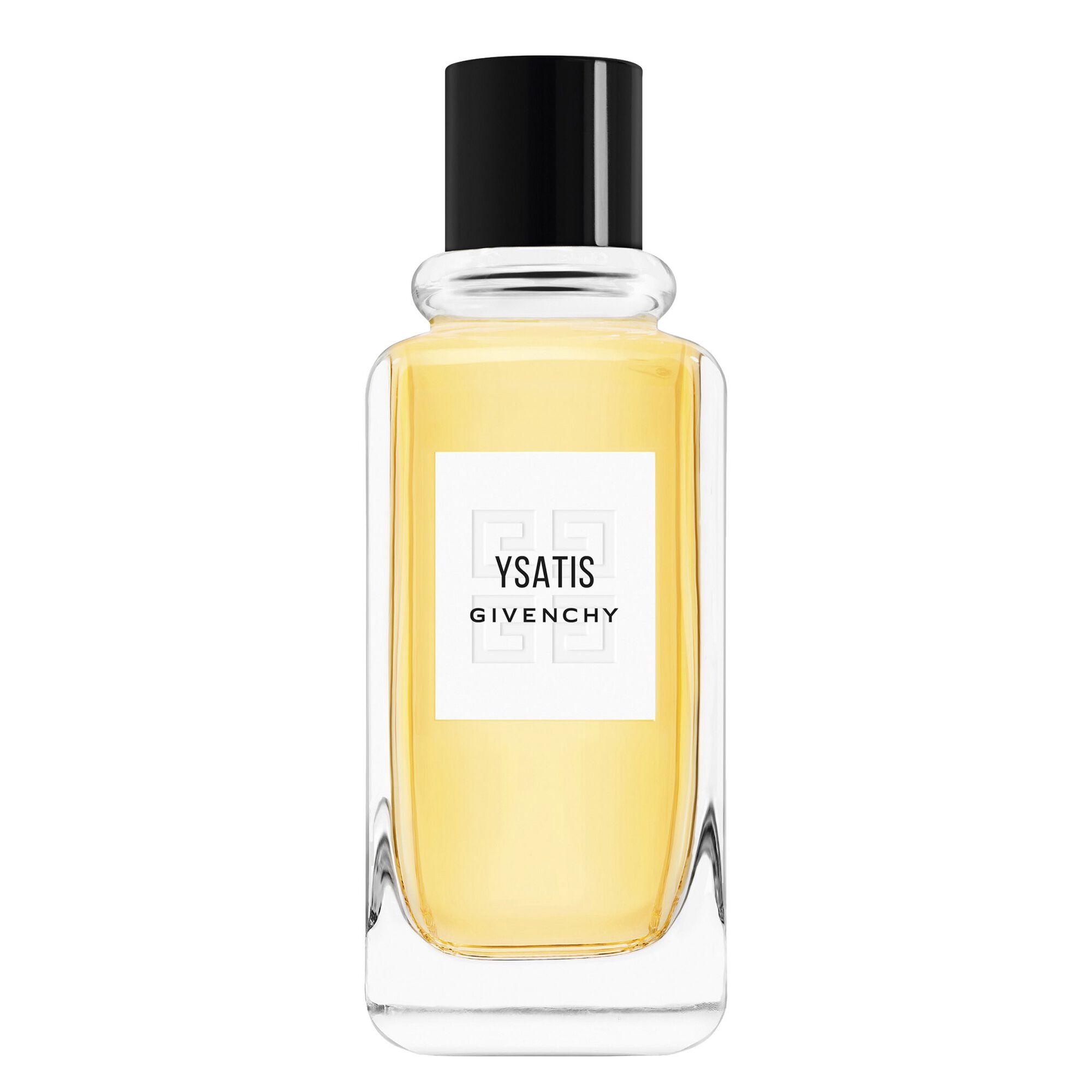
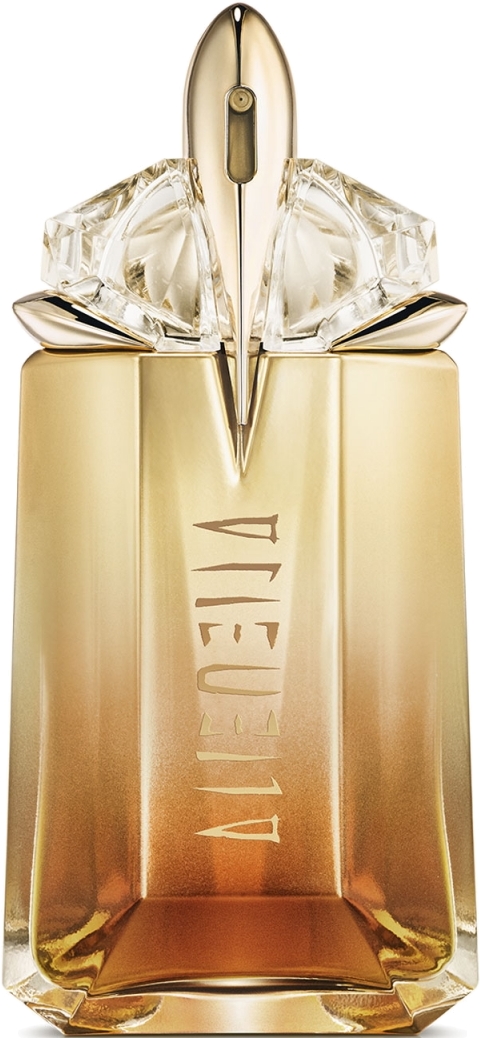
Our commented favourites
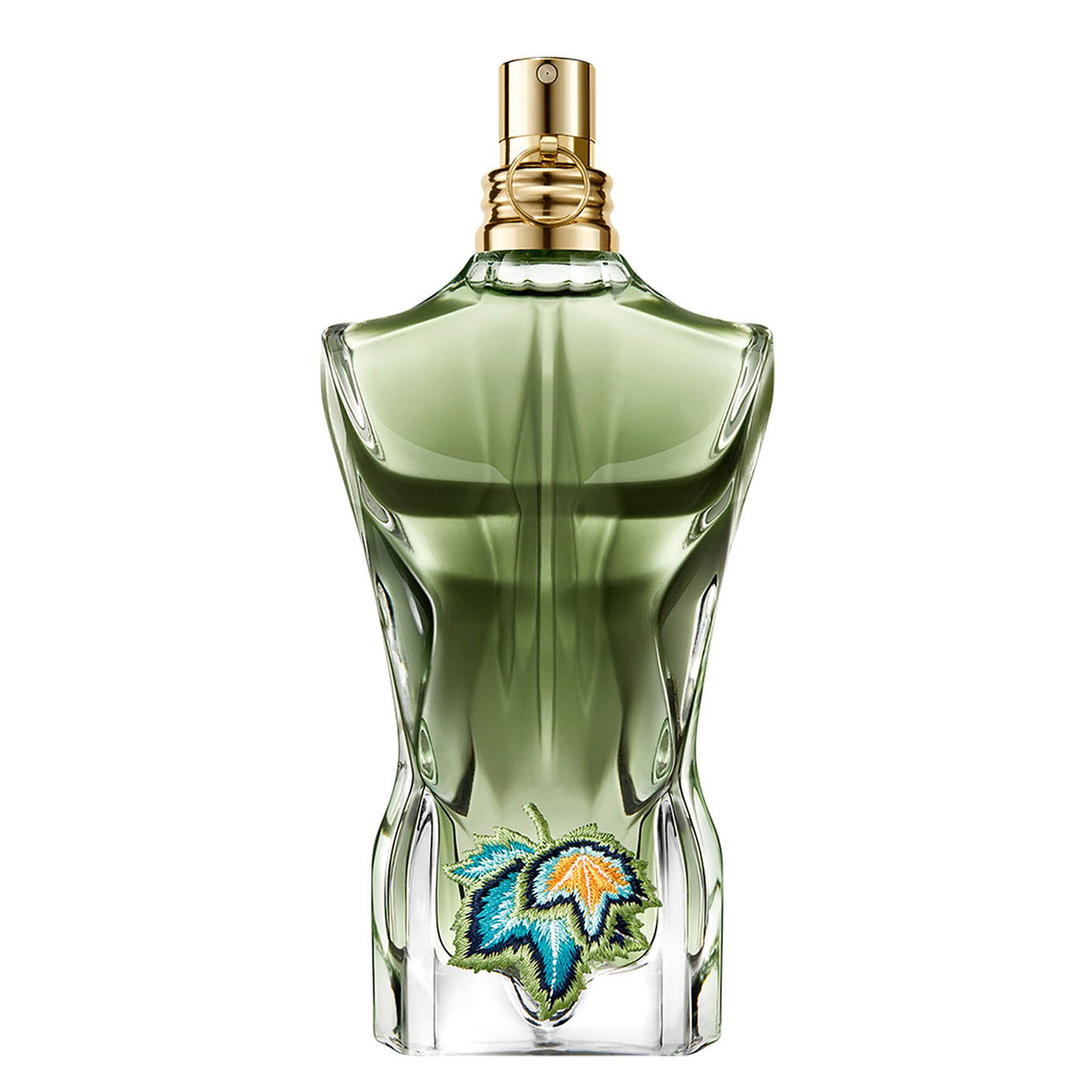
Jean Paul Gaultier Le Beau Paradise Garden — This is the best-selling coconut-note perfume in our selection. This tonka bean, coconut, salt, mint and ginger accord plays on surprise: mineral freshness and creamy softness answer one another in a sillage our customers describe as "very surprising and wonderful." Rated 5/5 across 6 verified reviews.
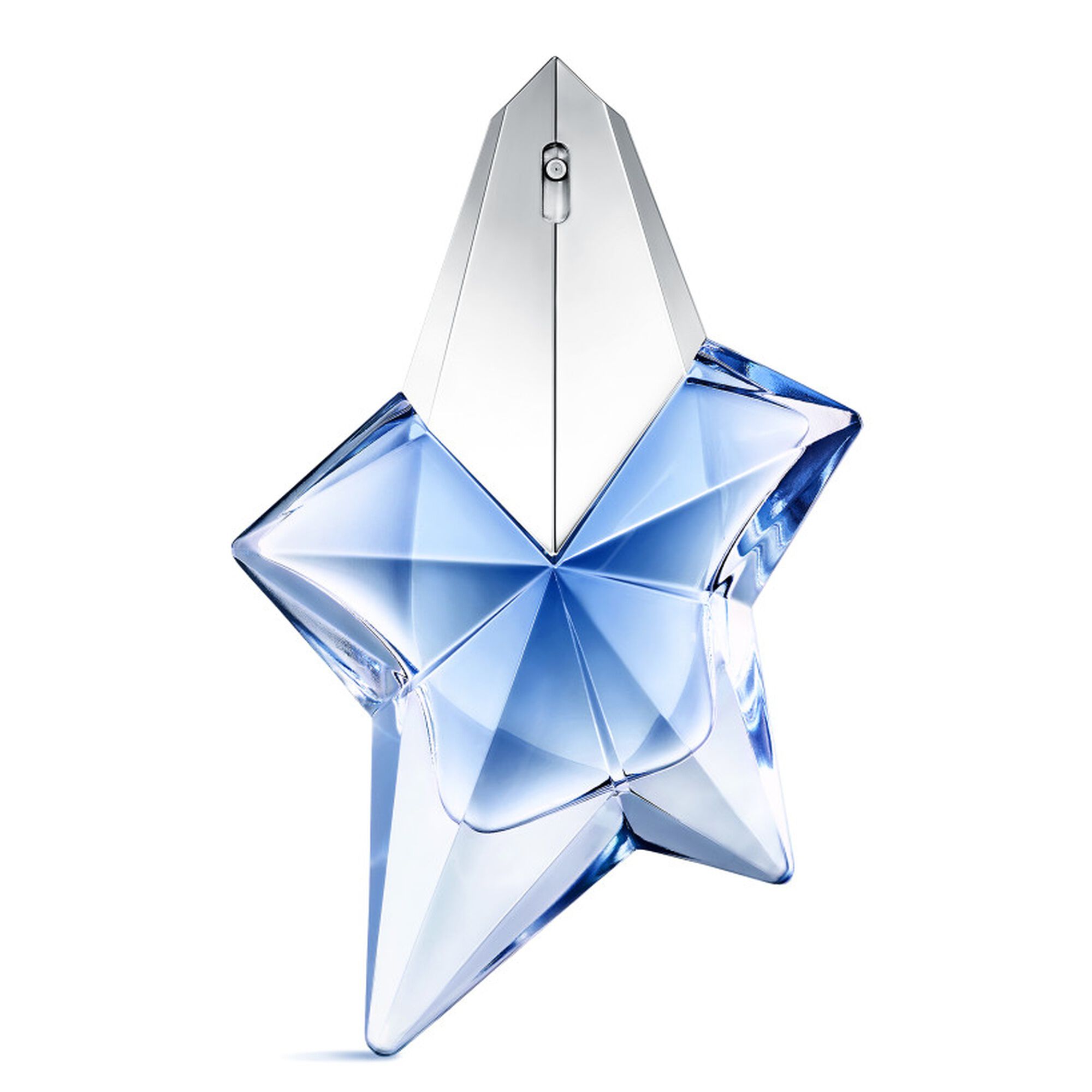
Mugler Angel — 223 verified reviews (4.33/5) make this the most popular reference in our catalogue. Here, coconut features in a gourmand patchouli-caramel-cotton candy accord that has stood the test of decades. At 22 EUR, it's also the most accessible entry point. One loyal customer sums it up: "I've been buying ANGEL for years, and I can't switch to anything else."
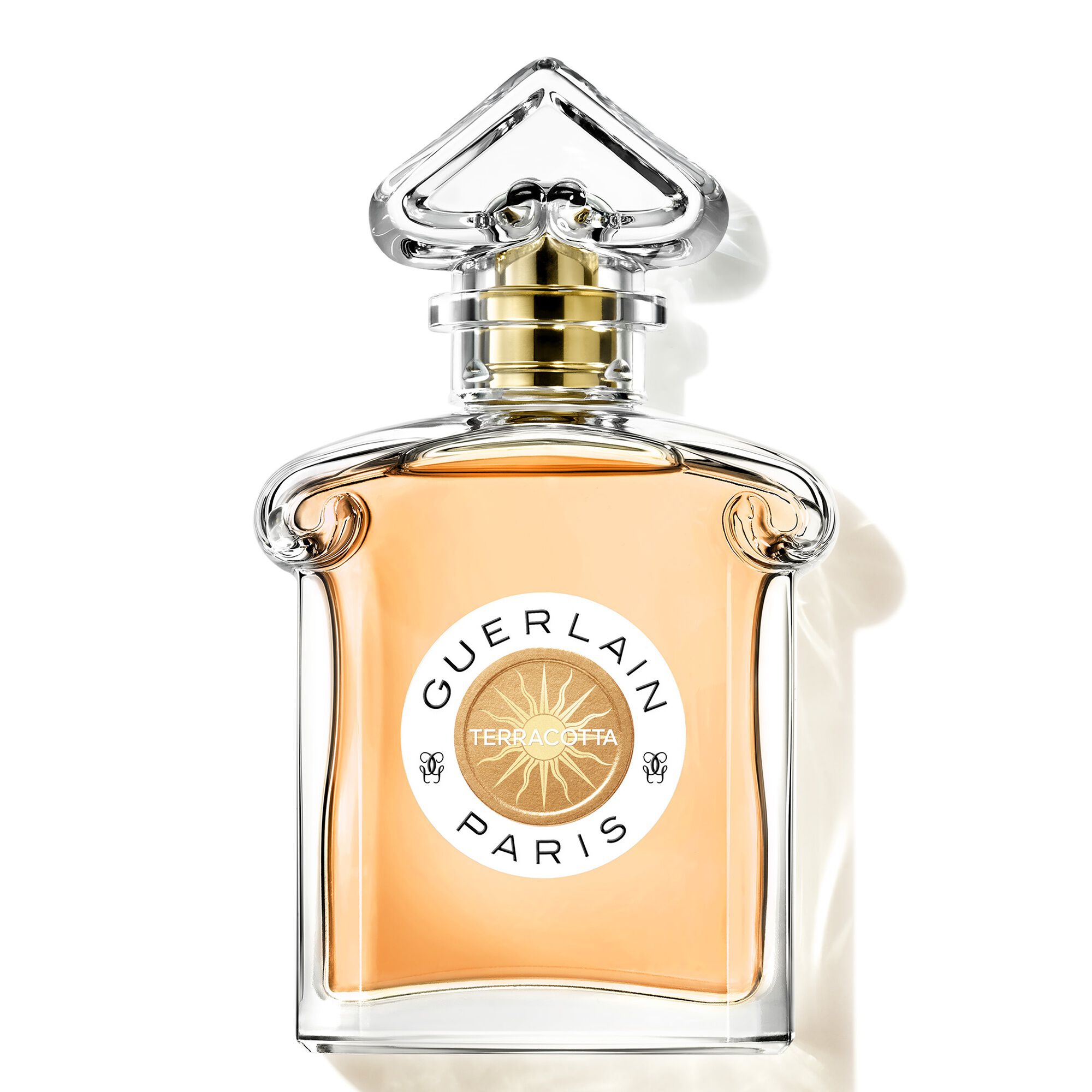
Guerlain Terracotta Le Parfum — Rated 4.89/5 across 27 verified reviews, this sun-kissed floral pairs tiare flower, ylang-ylang, bergamot and vanilla in a composition that, as our customers put it, smells of "holidays." Coconut isn't listed among the official notes, but tiare flower naturally lends it that typical creamy, tropical facet.
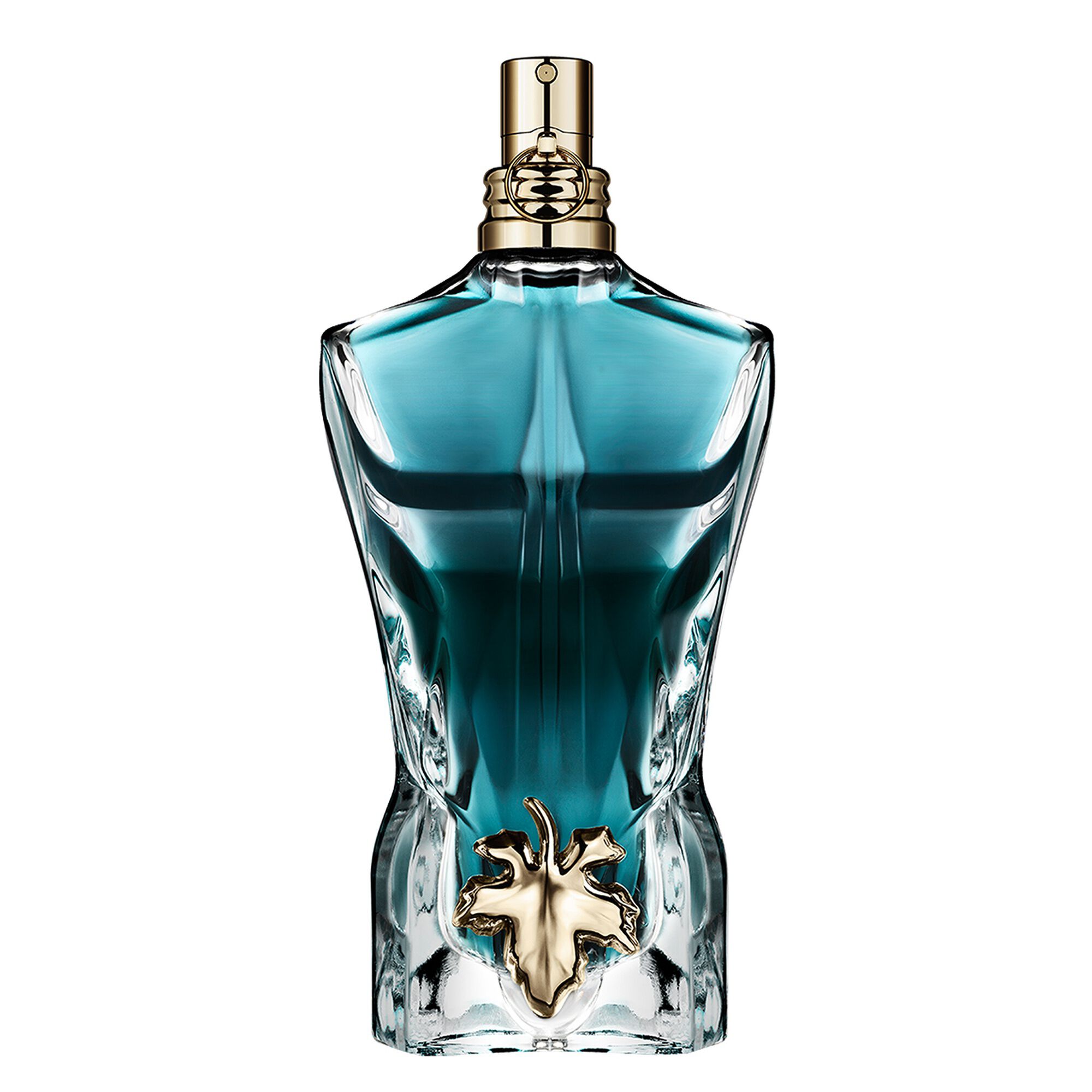
Jean Paul Gaultier Le Beau (EDT) — A rating of 4.56/5 (16 reviews). This aromatic woody eau de toilette places coconut alongside bergamot and tonka bean for a result that is both fresh and warm. Our customers praise its longevity and value for money: "At this price, it's brilliant."
Coconut for women, for men: how to choose?
Coconut takes on a different character depending on whether the composition leans feminine, masculine or unisex.
For women's fragrances
In feminine fragrances, coconut readily pairs with tropical florals (tiare, ylang-ylang, orange blossom) or gourmand accords (vanilla, caramel). The result is often sun-kissed, sensual and enveloping. This is the preferred angle for warmer seasons: spring and summer suit it perfectly, especially for outdoor outings, holidays or summer evenings.
For men's fragrances
For men, coconut is most often used to support a woody or aromatic structure: it softens cypress, cedar or iris, and brings a warm dimension without tipping into excessive sweetness. The archetypal example is the Le Beau line by Jean Paul Gaultier, where coconut structures a fresh, woody, radiant accord, widely favoured as a summer or casual weekend fragrance.
Unisex fragrances: coconut as a binder
Many contemporary compositions use coconut as a cross-gender note, capable of linking very different ingredients together. If you're unsure about gender positioning, favour formulations where coconut is paired with salt, ginger or mint: the freshness balances the roundness and makes the sillage accessible to everyone.
Practical advice
- In summer: opt for a floral or marine coconut eau de toilette, which is lighter.
- In autumn-winter: choose an oriental or gourmand fragrance where coconut is paired with vanilla and patchouli for greater depth.
- When testing: apply to the inside of your wrist and wait at least 15 minutes: coconut reveals itself gradually, once the top notes have evaporated.
The Tendance Parfums figures
What our own online perfumery data tells us about the coconut note — figures you won't find anywhere else:
- Perfumes with a coconut note available in our catalogue, from 22 EUR to 153 EUR (core range 54-82 EUR).
- The best-seller among our customers over the past 12 months: Mugler Angel.
- Average rating for our selection: 4.6/5 across 417 verified customer reviews.
- Prices and stock updated continuously; free delivery from 59 EUR of purchases.
Frequently asked questions
What is the best coconut-note perfume for a woman? For a woman, Guerlain Terracotta Le Parfum (4.89/5, 27 verified reviews) and Jean Paul Gaultier Le Beau Paradise Garden (5/5, 6 reviews) are the most highly rated references in our selection. The former relies on a tropical floral built around tiare, the latter on a more modern, unisex coconut-salt-tonka bean accord.
Are there coconut perfumes for men? Yes. Jean Paul Gaultier Le Beau (EDT) is the best-selling men's choice in our catalogue on this note. It combines coconut, bergamot and tonka bean in a fresh, aromatic woody structure. Jean Paul Gaultier Le Beau Le Parfum (Woody Oriental) offers a more intense, sensual version.
Does the coconut note last long on the skin? Coconut is generally a heart or base note: it emerges once the top notes have evaporated and can last several hours depending on the concentration of the flacon (eau de toilette, eau de parfum or parfum). An Eau de Parfum or a Parfum will offer better longevity than an Eau de Toilette.
In which season should you wear a coconut perfume? The coconut note is best suited to spring and summer, especially in its floral, marine or fruity variations. In autumn-winter, opt for oriental versions where coconut is paired with vanilla and patchouli for a deeper, warmer sillage.
What is the difference between a coconut perfume and a monoi perfume? Monoi refers to a preparation based on coconut oil macerated with tiare flowers, typical of Polynesia. In perfumery, a monoi accord evokes this precise blend: coconut cream and floral tiare. A coconut perfume on its own can be more neutral, creamy or milky, without the distinctive floral character of tiare.