
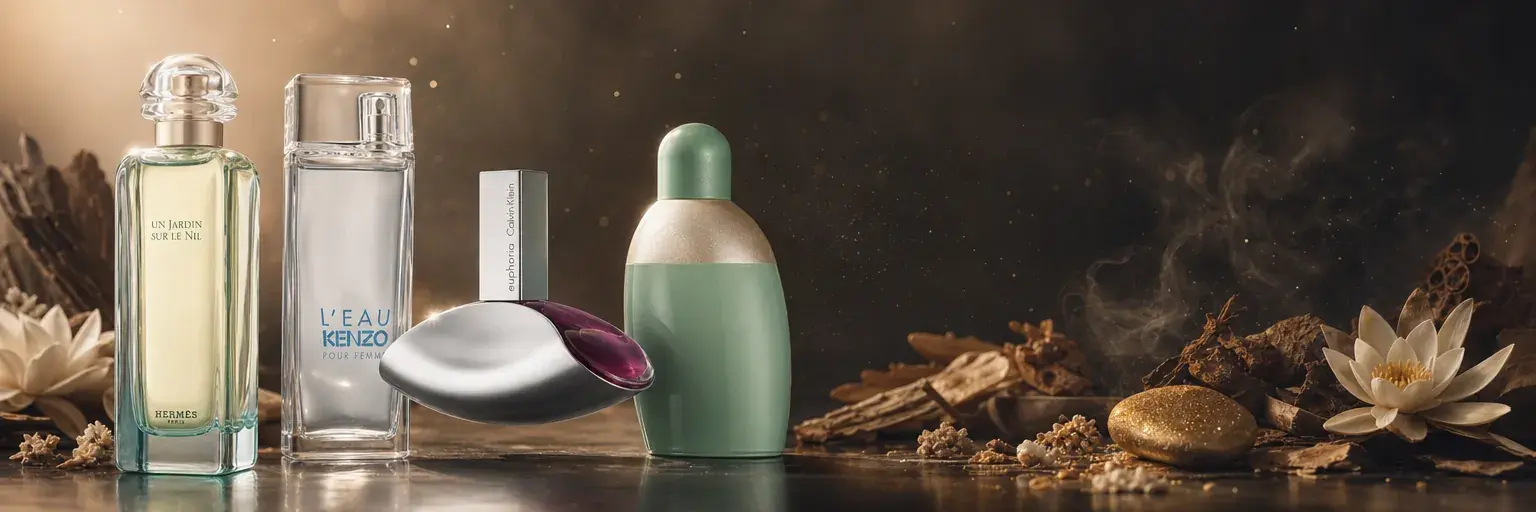
Lotus perfume: buying guide and best perfumes 2026
The lotus note is one of the most captivating in contemporary perfumery: floral, slightly aquatic, with a recognisable powdery softness. It suits fresh feminine fragrances as well as woody masculine compositions. This guide will help you understand what the lotus note brings to a parfum, how to recognise it, and how to choose the flacon that matches your style and occasions from our selection.
The lotus note in perfumery: what is it?
The lotus note in perfumery refers to an olfactory reconstruction inspired by the lotus flower, an aquatic plant emblematic of Asia and Africa. It evokes a clean, slightly powdery flower, with a distinctive watery transparency.
Origin and extraction
The lotus flower (mainly Nelumbo nucifera or Nymphaea) does not lend itself easily to direct extraction in large quantities for industrial perfumery. Perfumers therefore most often work from molecular reconstructions or rare absolutes to capture its character. The result is a note that is both floral and aquatic, subtle, easily distinguished from a rose or a jasmine by its transparent, almost mineral quality.
Olfactory facets
Depending on how the parfum is constructed, the lotus note can express itself in several ways:
- Fresh and aquatic: light, like a breeze over a body of water, close to green and marine notes.
- Powdery floral: soft, creamy, sometimes reminiscent of muguet or iris.
- Slightly spicy or green: in more contemporary formulations, a subtle vegetal, rush-like facet adds texture.
Position in the fragrance pyramid
The lotus note most often occupies the heart note position of the parfum, where the floral identity fully expresses itself after the top notes evaporate. It can also appear as a top note in very light, aquatic or summery compositions.
Most common accords
Lotus pairs naturally with:
- Aquatic and marine notes (a fresh accord, widely worn in summer),
- White musk (for a soft, clean signature),
- Sandalwood and bamboo (for an oriental or zen orientation),
- Fruity notes such as mango, peach or pomegranate (for light gourmand appeal),
- Iris and vanilla (for a sophisticated powdery accord).
Its great versatility makes it an effective bridging note: it softens woody compositions, lightens heavy florals and brings clarity to orientals.
What are the best perfumes with a lotus note?
Our selection brings together the most popular lotus-note perfumes in our catalogue, chosen on the basis of verified reviews and actual sales recorded at Tendance Parfums over the past twelve months. Whether it's your first lotus flacon or a renewal, you'll find options here for every budget, from 32 to 59 EUR, ranging from fresh orientations to deeper, woodier compositions.
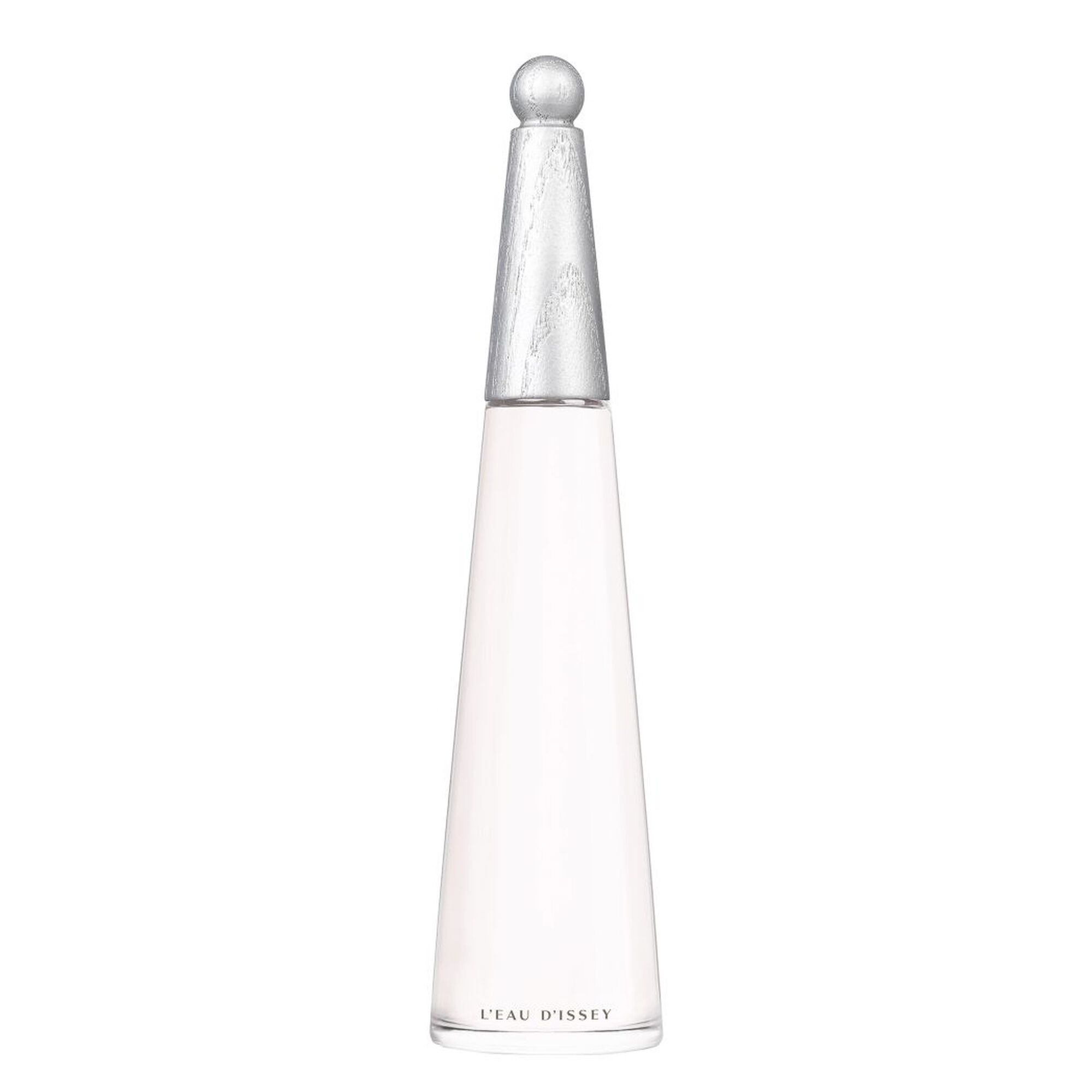
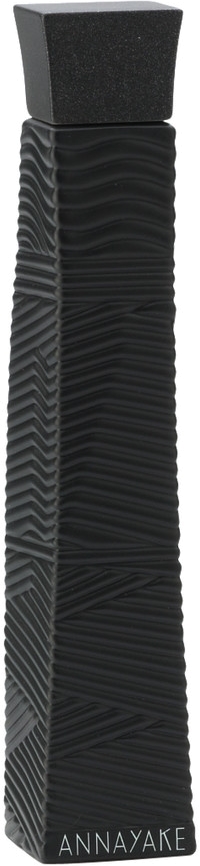
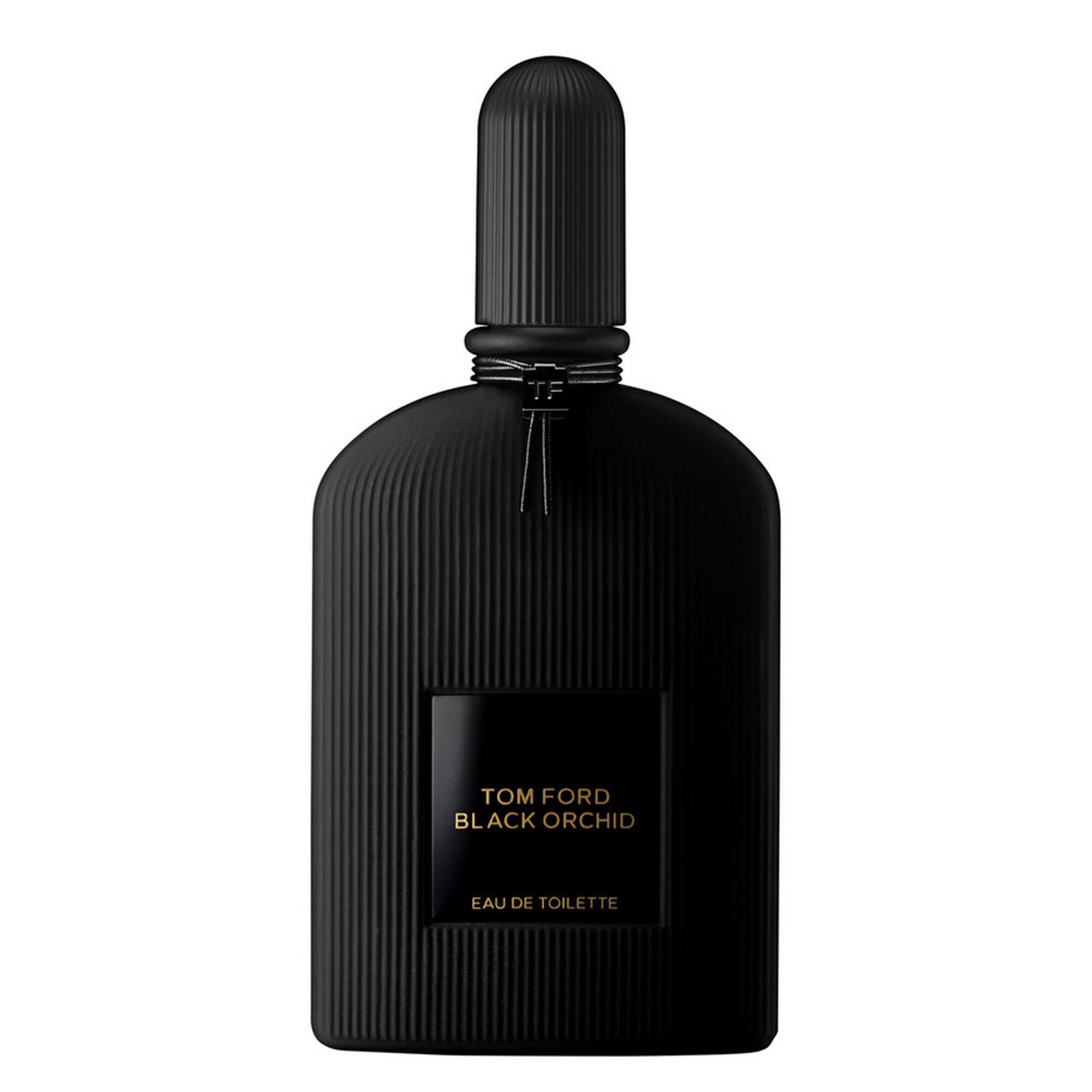
Our featured favourites
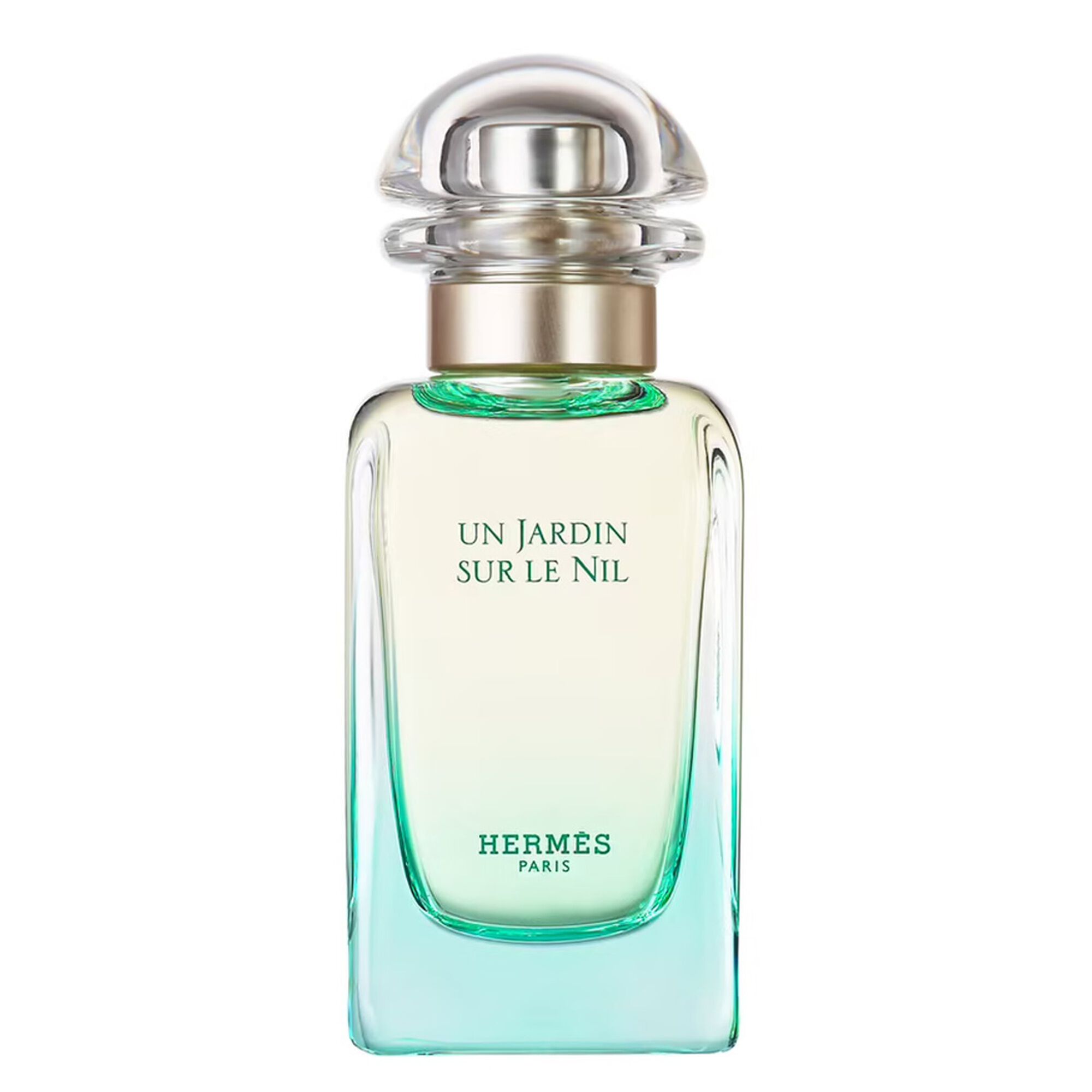
Hermès Un Jardin sur le Nil — With a rating of 4.73/5 from 30 verified reviews, this is the most popular lotus perfume in our catalogue. The lotus flower here interacts with rush, green mango and iris for a vegetal accord of rare precision. One customer sums it up: "excellent product, always has been." Suits both sexes, particularly well suited to the warm season.
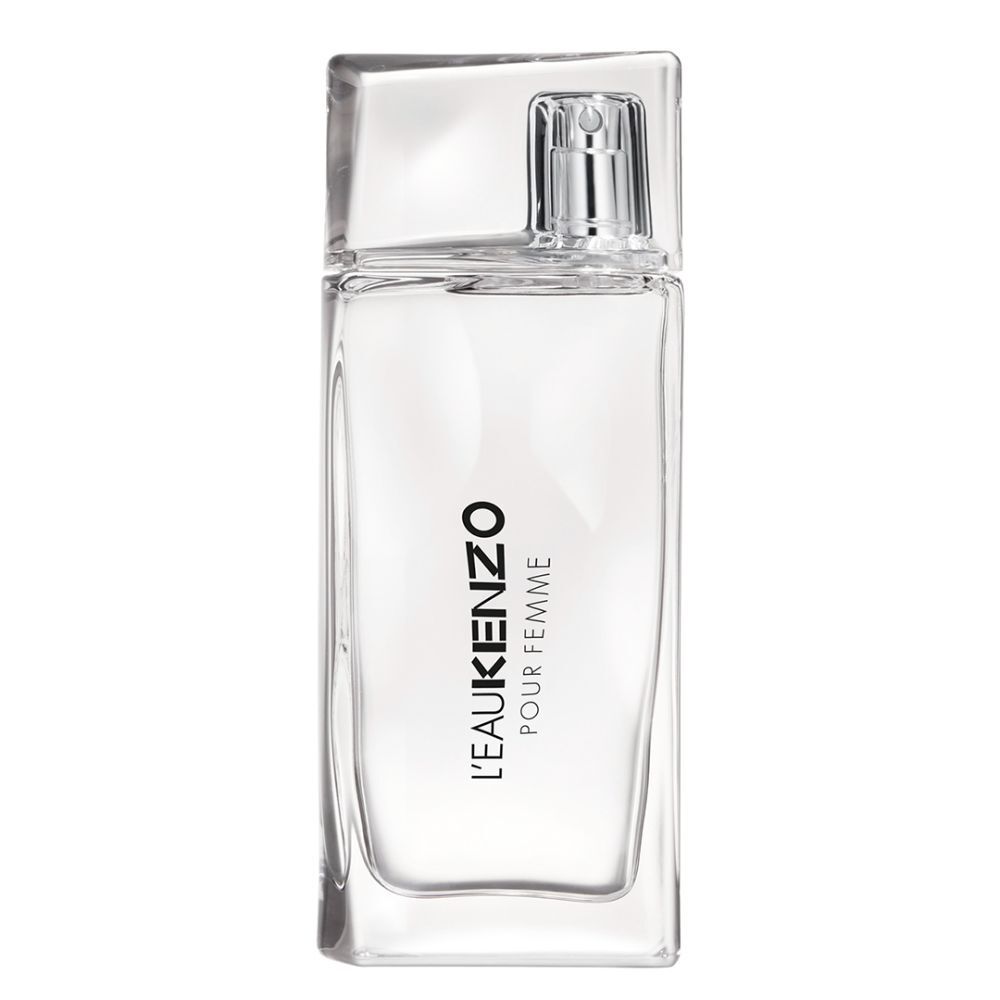
Kenzo L'Eau Kenzo pour Femme — Rated 4.83/5 from 24 verified reviews, this eau de toilette is priced at 33 EUR. Lotus blends here with mint, peach and a vanilla absolute for an accord that is both fresh and lightly gourmand. One customer describes it as "a light, fresh eau de toilette." Excellent value for money for a first lotus flacon.
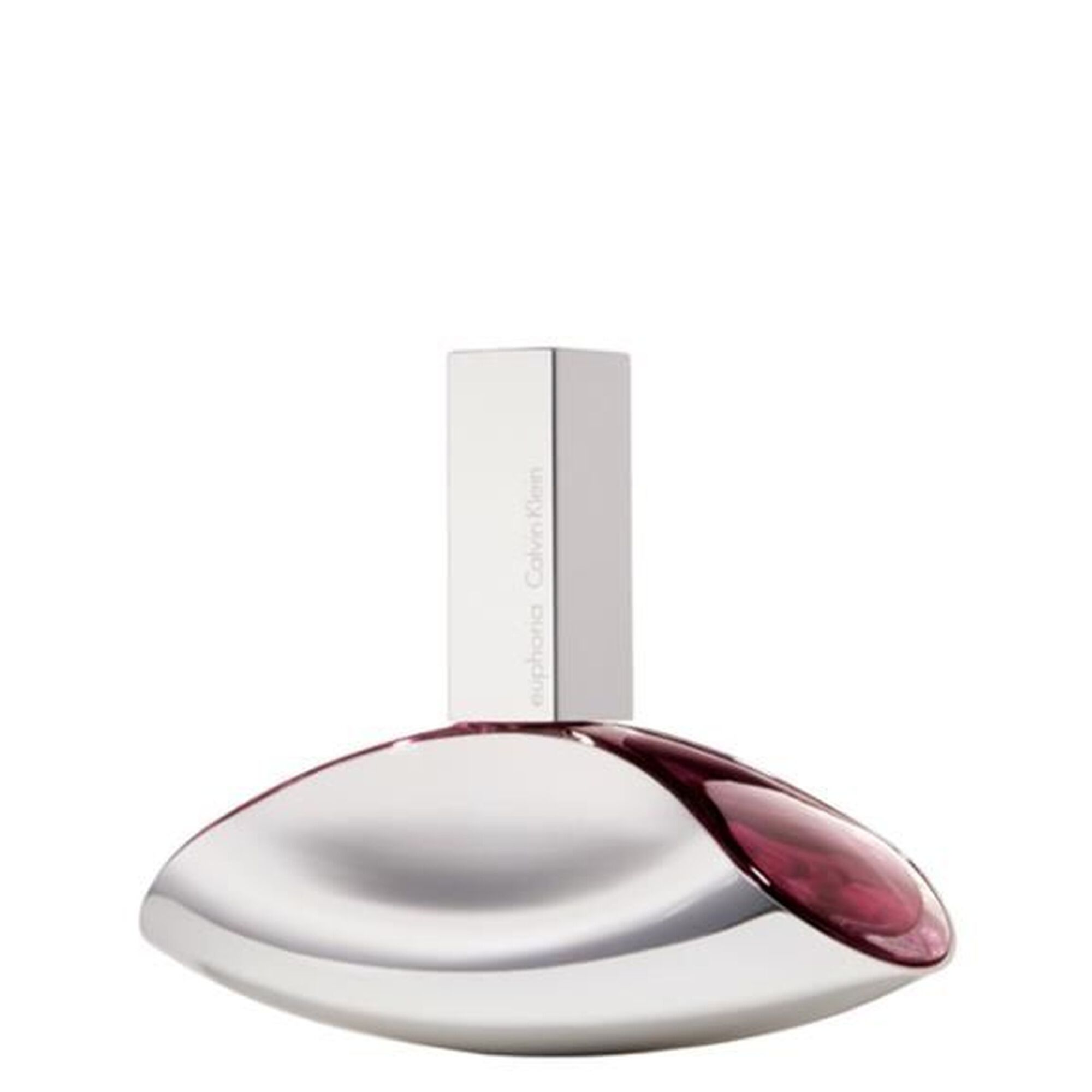
Calvin Klein Euphoria — The highest rating in the selection: 4.84/5 from 19 verified reviews for this floral oriental parfum at 48.50 EUR. Here, lotus pairs with pomegranate, black orchid and mahogany for a deep, long-lasting composition. One customer review confirms: "It lasts through time." An assertive choice for evenings or cooler seasons.
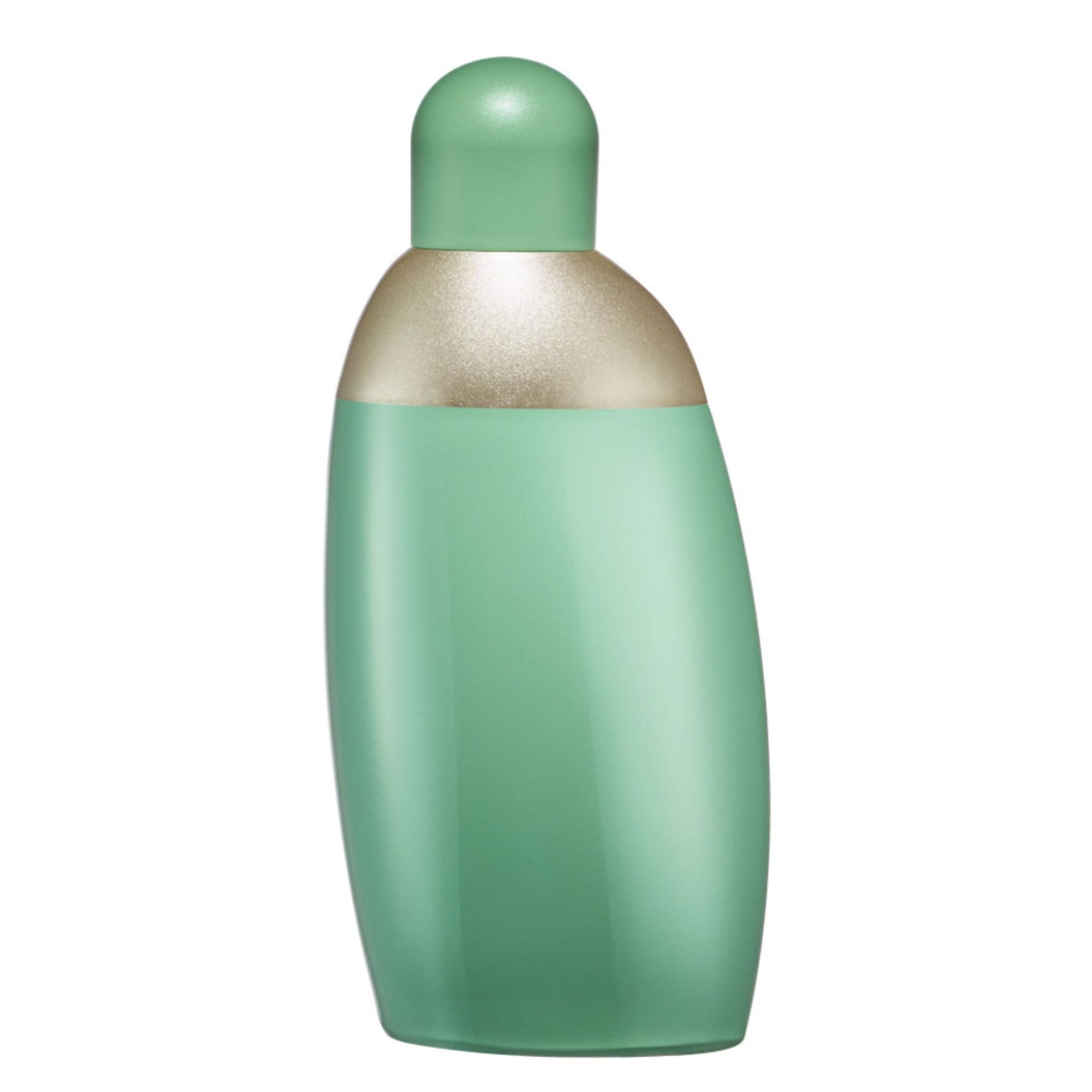
Cacharel Eden — At 34.50 EUR and 4.79/5 from 19 verified reviews, Eden is the most accessible option in this high-satisfaction selection. Floral around tonka bean, cedrat and peach, it's a warm and reassuring parfum. Customers who know it keep coming back: "I know and love this parfum." A subtle classic well worth (re)discovering.
Lotus for women, for men: how to choose?
The lotus note is not inherently gendered: it's the accord surrounding it that orients a parfum towards a feminine, masculine or unisex audience.
For women
In parfums designed for women, lotus generally expresses itself within aquatic floral or fruity floral accords. It brings lightness to compositions that can otherwise be denser (orientals, powdery blends). It's a note particularly suited to spring and summer: worn during the day, at the office or over the weekend, it stays subtle without going unnoticed. Pairings with peach, white musk or vanilla create warm parfums that are never heavy.
For men
For men, lotus appears more often in woody or aromatic constructions: bamboo, green tea, bergamot at the top, wood at the base note. The accord is clean, fresh, with a slight floral softness that tempers overly dry compositions. It's an interesting choice for men seeking a clean, original parfum without resorting to classic wood/spice codes. Ideal for the warm season or everyday professional wear.
Unisex
Several lotus-note parfums are designed without a particular gender in mind. The lotus-musk or lotus-aquatic accord suits all olfactory profiles and body types. They make an excellent starting point for anyone wishing to explore floral perfumery without committing to a single register.
Practical tips
- Test on skin, not on card: lotus evolves differently depending on body warmth.
- Morning or afternoon are the best times to test: the note expresses itself better at moderate temperature.
- If you're torn between two flacons, start with the one whose base note appeals to you most (musk, sandalwood, amber): that's the one that will last longest.
Tendance Parfums by the numbers
What our own online perfumery data tells us about the lotus note — figures you won't find anywhere else:
- Perfumes with a lotus note available in our catalogue, from 32 EUR to 130 EUR (core range 36-59 EUR).
- The bestseller among our customers: HERMÈS Un Jardin sur le Nil.
- Average rating of our selection: 4.7/5 from 105 verified customer reviews.
- Prices and stock updated continuously; free delivery from 59 EUR of purchases.
Frequently asked questions
What is the lotus note in a perfume? The lotus note is a floral olfactory reconstruction, slightly watery and powdery, inspired by the lotus flower. In perfumery, it usually occupies the heart note position and is often paired with white musk, sandalwood or fruity notes to create fresh, clean, legible accords.
What are the best lotus perfumes for women? For women, Kenzo L'Eau Kenzo pour Femme (33 EUR, 4.83/5) and Cacharel Eden (34.50 EUR, 4.79/5) offer an excellent entry point: fresh, accessible and well rated. Hermès Un Jardin sur le Nil (49 EUR) is a more sophisticated option for those seeking a precise, vegetal lotus note.
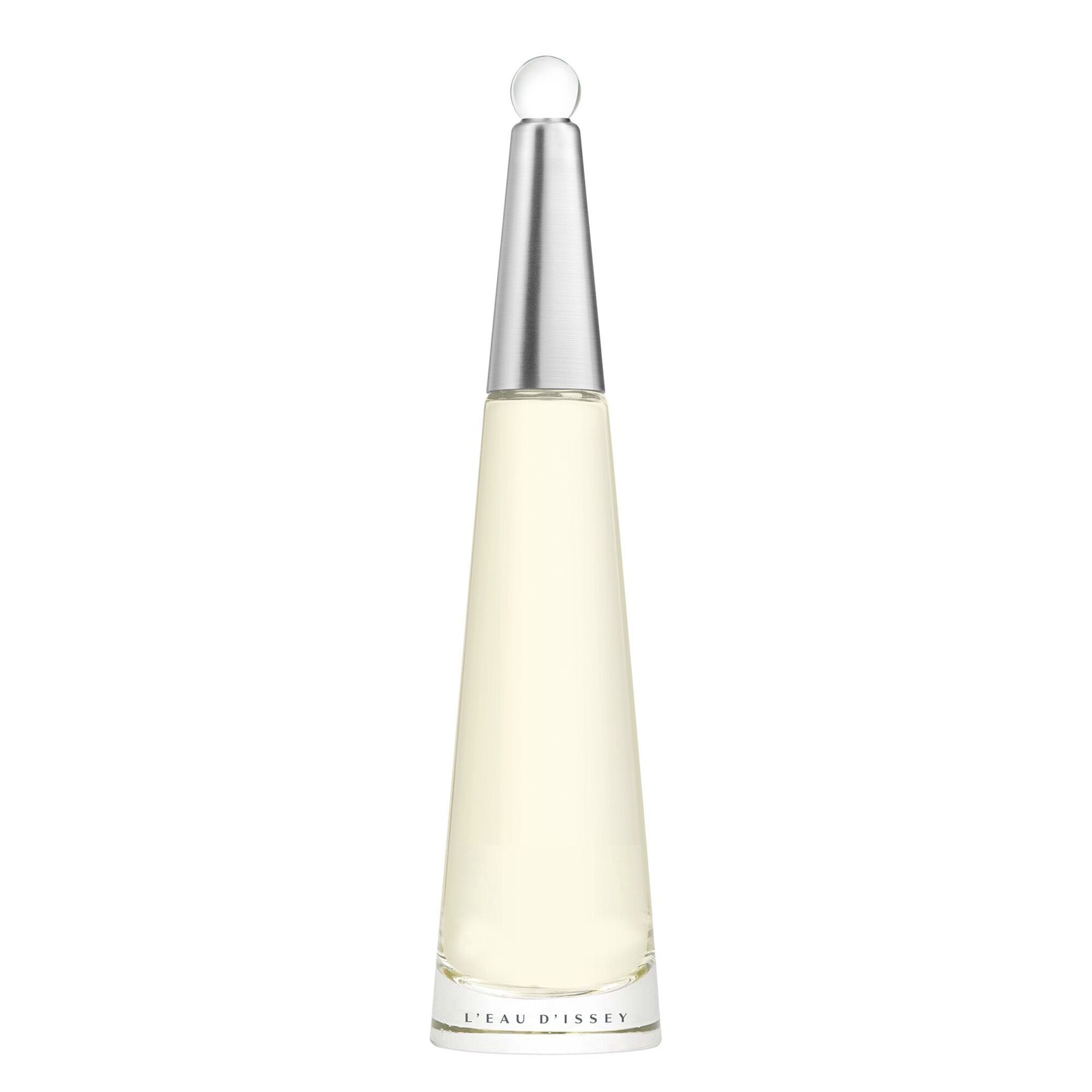
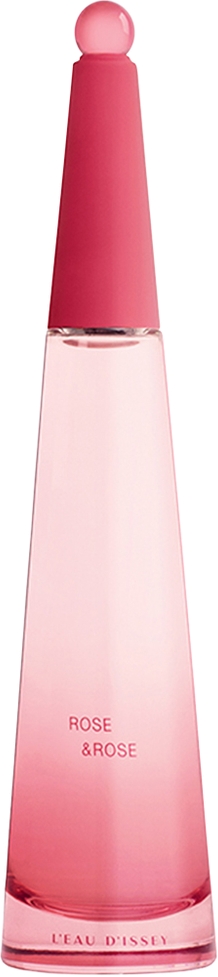
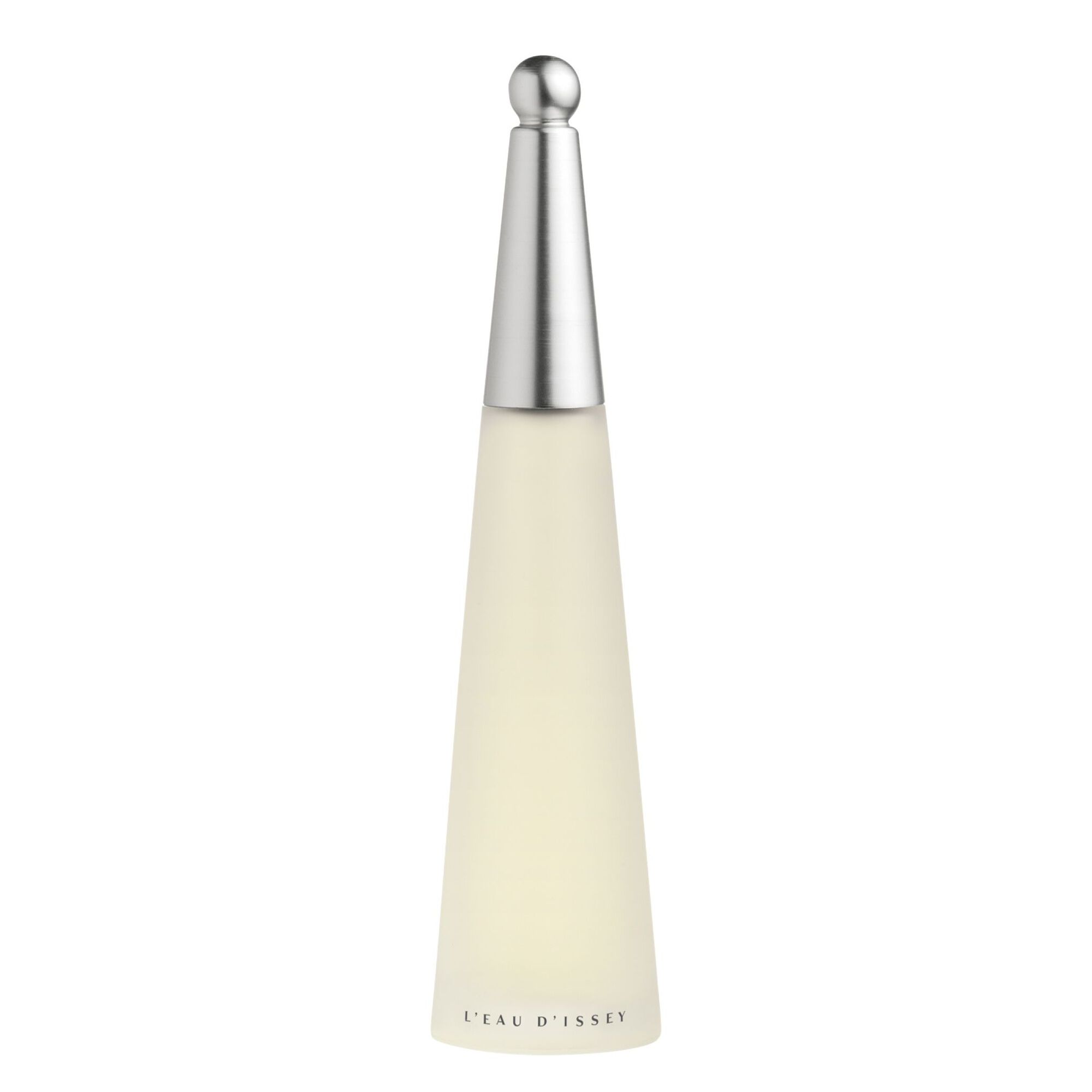
Is there a lotus perfume for men? Yes. Annayake Pour Lui (50.50 EUR) is specifically designed for men with a lotus-bamboo-tea-bergamot accord, clean and fresh. Hermès Un Jardin sur le Nil is unisex and works very well on men's skin. L'Eau d'Issey by Issey Miyake, in its various versions, is also popular among men.
In which season should you wear a lotus-note perfume? The lotus note is particularly well suited to spring and summer thanks to its fresh, aquatic character. Oriental versions such as Calvin Klein Euphoria, which pair lotus with amber or dark woods, can be worn in autumn and winter. Avoid very cold weather for very light, watery formulations.
What is the difference between the lotus note and the aquatic note? The aquatic (or marine) note mimics the sensation of sea water or rain: it is cold, mineral, with no floral character. The lotus note is floral above all — slightly aquatic, but also powdery and vegetal. The two can coexist within the same parfum, as in L'Eau d'Issey, but their nature is distinct.