
Ivy perfume: buying guide and best fragrances 2026
The ivy note brings a slightly bitter, vegetal freshness to perfumery, evoking damp undergrowth and crushed leaves. Neither floral nor woody in the strict sense, it occupies a green, natural space that appeals to lovers of aromatic fragrances as much as to those who favour light floral compositions. This guide compares the best ivy perfumes available at Tendance Parfums, with real prices, verified reviews and advice on choosing according to your profile.
The ivy note in perfumery: what is it?
The ivy note is a green, slightly bitter and earthy accord that reproduces the scent of the leaves and stems of ivy (Hedera helix), a climbing plant found throughout European gardens and forests.
How is it obtained? Ivy does not produce a natural essence that can be extracted through distillation or enfleurage — its leaf simply doesn't yield enough odorous material. Perfumers therefore turn to synthetic reconstructions or accords built from green molecules (often from the green aldehyde and lactone families) to recreate this damp, slightly sharp vegetal character. It's a composed note, which explains why it expresses itself differently from one house to another.
Its olfactory facets Ivy is characterised by several overlapping registers:
- Green and aquatic: a freshness close to wet leaves, slightly marine.
- Slightly bitter: a vegetal edge reminiscent of chlorophyll or sap.
- Earthy and subtle: an undergrowth depth that avoids the heaviness of musky notes.
Its place in the fragrance pyramid Ivy is generally incorporated as a heart note or a top note, rarely as a base note. As a top note, it opens the fragrance with an impression of fresh, immediate nature. As a heart note, it structures the vegetal accord before the woody or musky base notes take over.
Its natural pairings Ivy blends particularly well with:
- hesperidic notes (clementine, bitter orange) for a fresh, invigorating result;
- light floral notes (peony, violet, mimosa) for a green-floral balance;
- dry woods (cedar, mastic) that anchor its vegetal lightness;
- soft, aromatic spices (basil, anise) that give it character without weighing it down.
A versatile note, ivy runs across fragrance families: you'll find it in aromatic hesperidics, fruity florals, green orientals and aromatic fougères.
Which are the best perfumes with an ivy note?
The selection below brings together the five ivy perfumes available at Tendance Parfums, ranging from 15,50 EUR to 76,50 EUR. Each product was selected on the basis of our customers' verified reviews and real sales recorded over the past 12 months — no arbitrary editorial scoring. Whether you're looking for a fresh fragrance for summer, a vanilla-laced oriental for autumn evenings, or an elegant classic to wear to the office, the ivy note here spans some very different registers.
Our favourites, reviewed
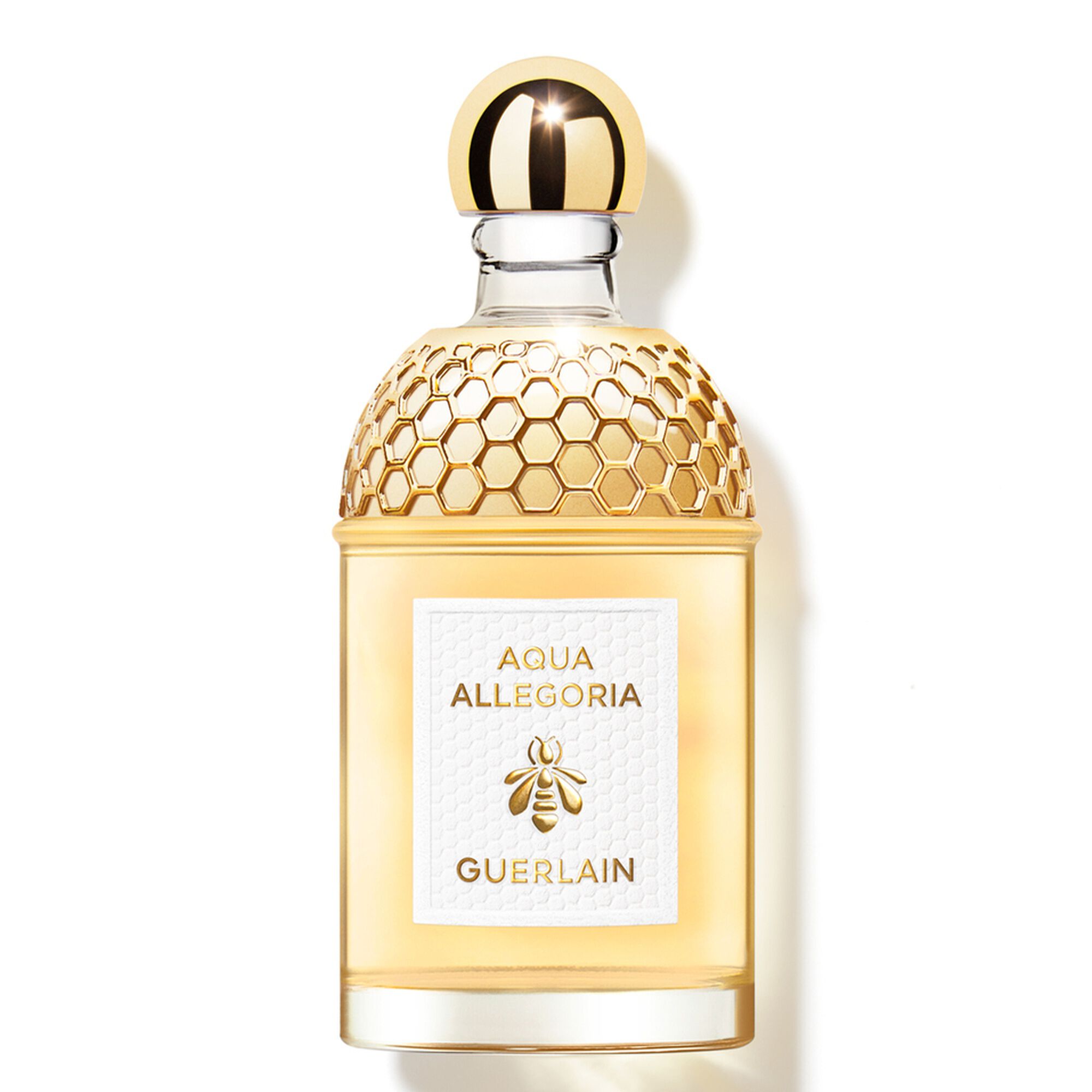
Guerlain Aqua Allegoria Mandarine Basilic — With 84 sales over 12 months and a rating of 4.92/5 across 72 verified reviews, this is the most acclaimed ivy perfume in our catalogue. Clementine and bitter orange open onto an invigorating ivy note, carried through by chamomile and peony for a result that is both fresh and lightly floral. One customer sums it up: "invigorating." Perfectly suited to spring and summer.
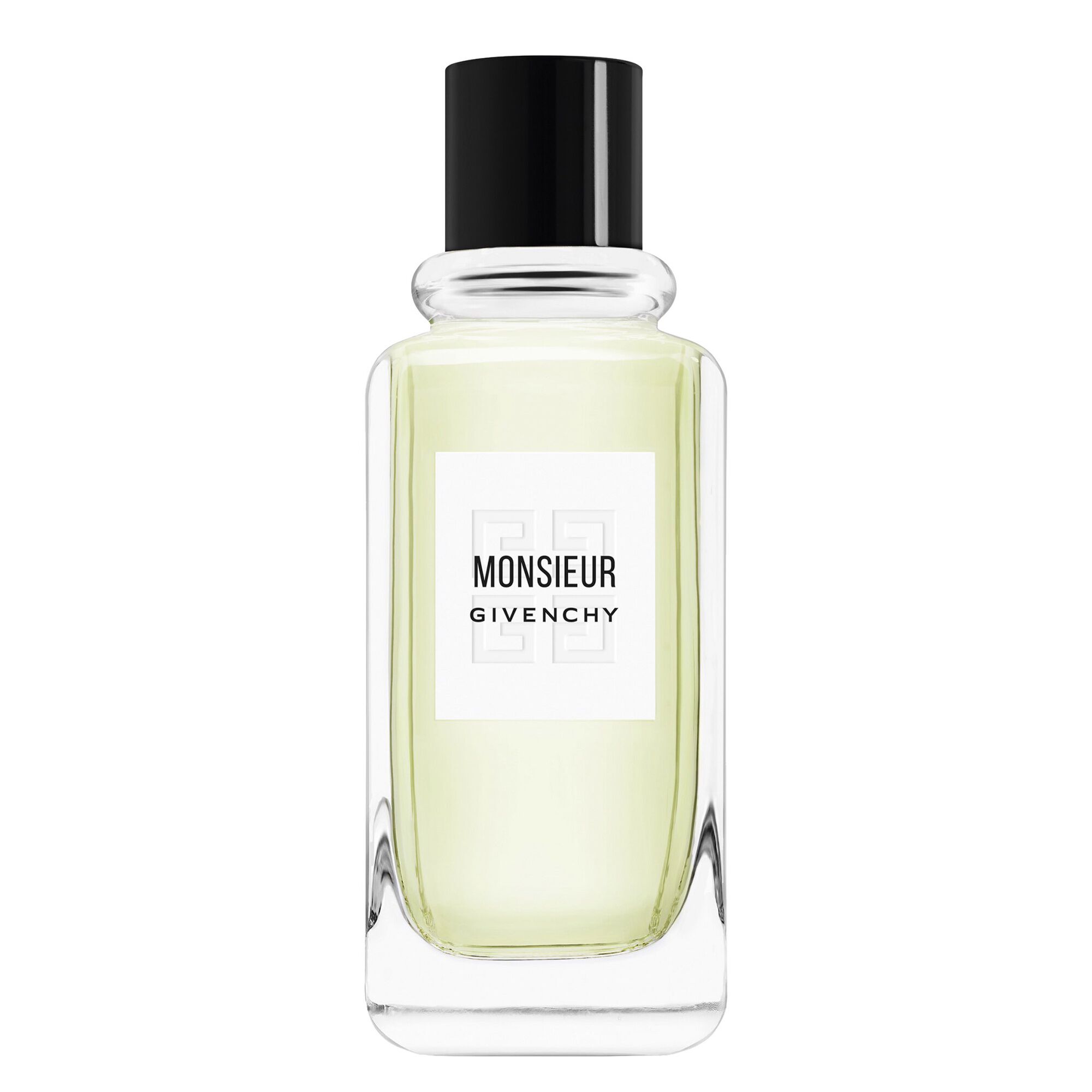
Givenchy Monsieur Givenchy — This aromatic-green classic holds a rating of 4.85/5 across 13 reviews, with rare customer loyalty: "An eau de toilette I've been using for over 40 years. Never disappointed." Here, ivy expresses itself through a cedar-mastic-mimosa accord, understated and structured. A benchmark for anyone seeking a subtle, long-lasting men's fragrance suited to formal occasions.
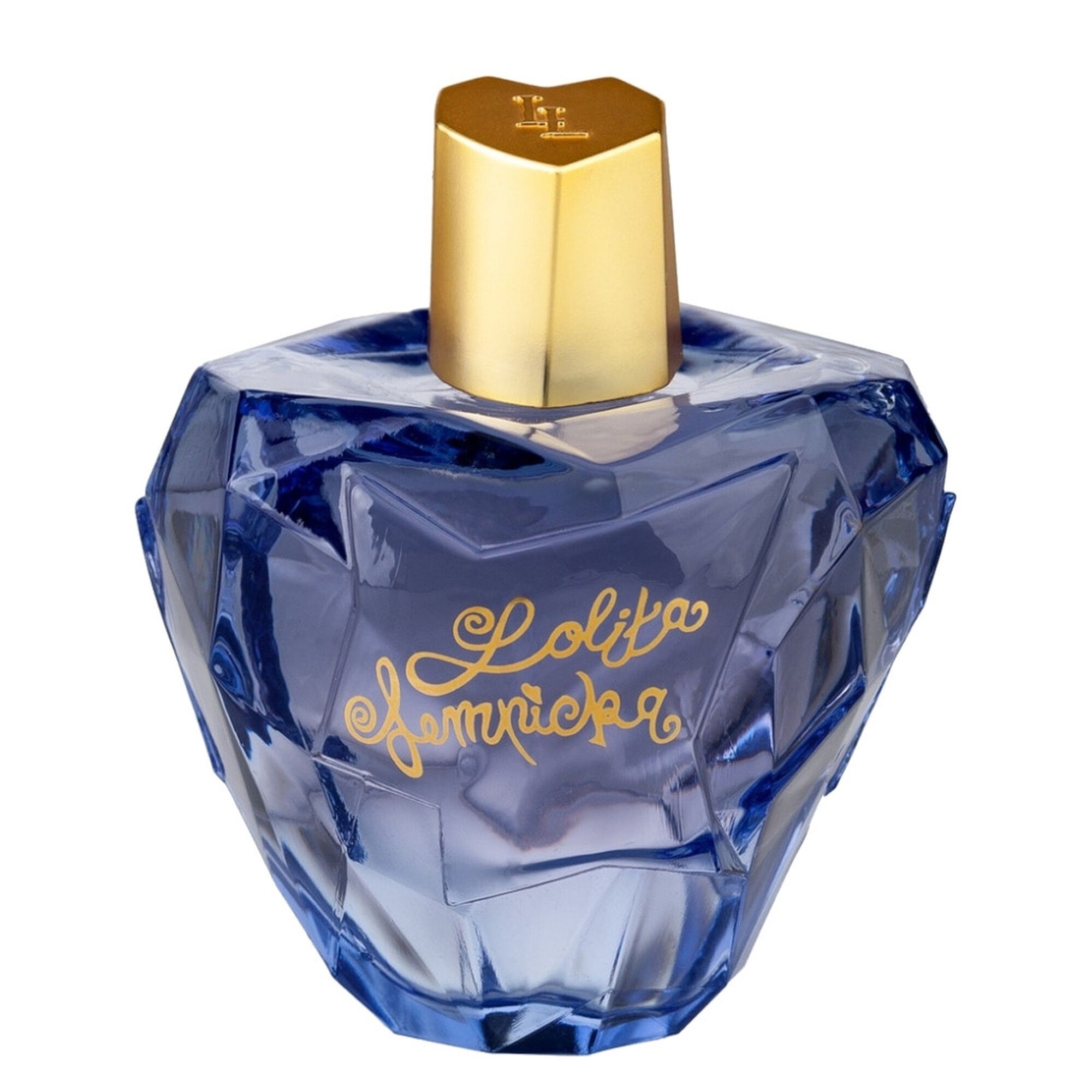
Lolita Lempicka Mon Premier Parfum EDP — At 15,50 EUR, this fruity gourmand floral offers the best value for money in the selection (4.55/5, 31 reviews, 50 sales). Here, ivy converses with cherry, liquorice and vanilla for a soft, enveloping composition. "I've been using it for years," confides one loyal customer. Ideal for those beginning their exploration of the ivy note in an accessible, reassuring register.
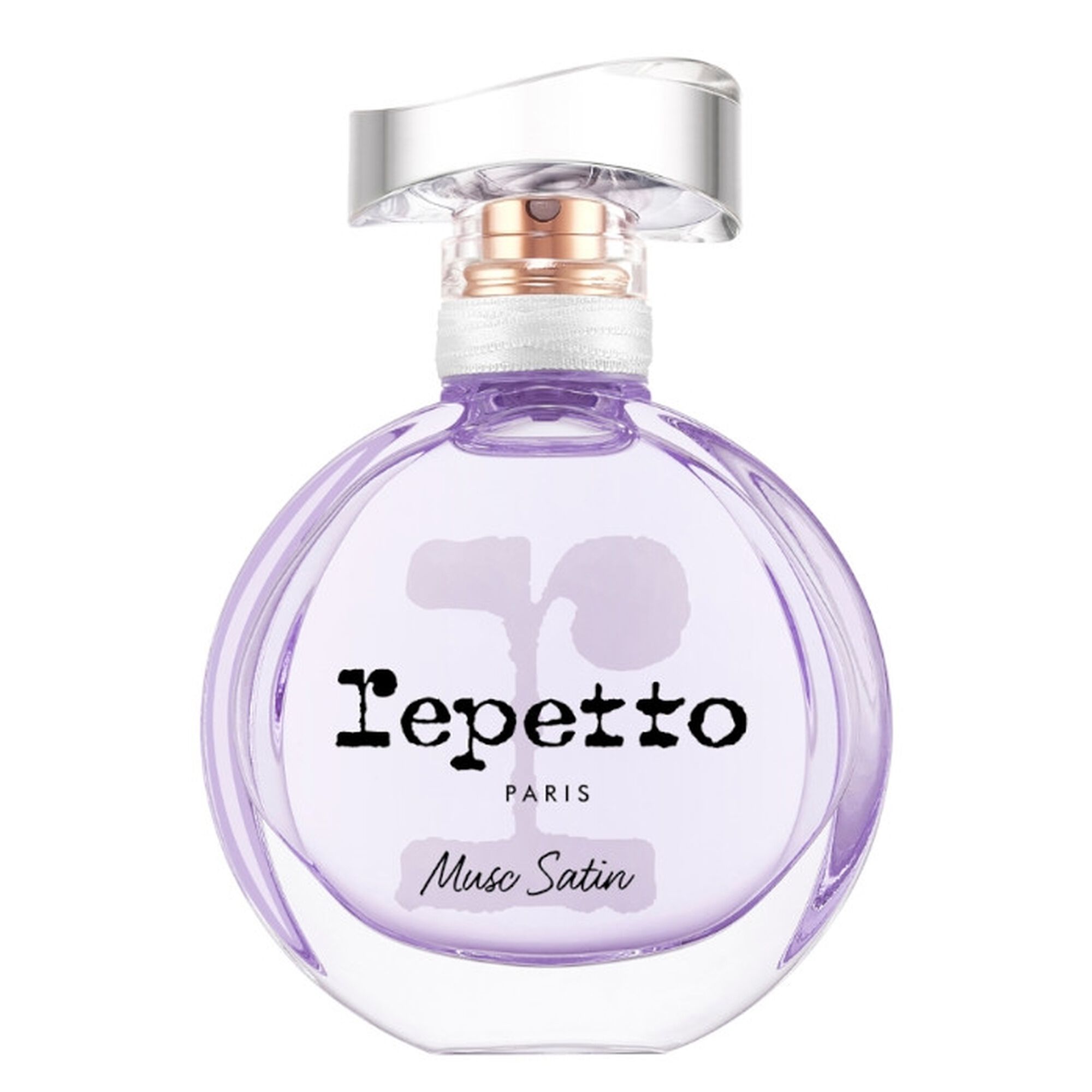
Repetto Musc Satin — This fruity-gourmand floral, priced at 29,50 EUR, pairs ivy with blackberry, magnolia and chocolate for an unexpected creamy, fruity accord. Less classic than its selection neighbours, it will appeal to those who love generous, original compositions. Here, the ivy note plays a subtle but useful role: it balances the roundness of the musk and chocolate with a welcome vegetal lightness.
Ivy for women, for men: how to choose?
The ivy note belongs to no particular gender: its green, natural character sits as comfortably in feminine floral compositions as it does in masculine aromatics. Here's how to tell them apart according to your profile.
For her: vegetal freshness and green florals In women's perfumes, ivy readily pairs with light floral notes — peony, violet, magnolia — or with hesperidic notes such as clementine and bitter orange. The result is a natural freshness, far removed from heavy orientals. These fragrances are particularly well suited to spring and summer days, and adapt to everyday contexts: the office, casual outings, walks outdoors. Guerlain Aqua Allegoria Mandarine Basilic is a typical example: its floral-hesperidic pyramid is carried by ivy for a "sunlit garden" effect.
For him: green aromatic or structured oriental On the men's side, ivy is positioned within drier, woodier accords. Paired with cedar, mastic or anise, it lends hold and depth to aromatic or oriental compositions. Givenchy Monsieur Givenchy is the classic illustration: subtle, elegant, built for longevity. These perfumes suit transitional seasons — autumn and spring — and formal or professional occasions.
Unisex fragrances: ivy as a connecting thread Certain compositions play on ivy's vegetal neutrality to create fragrances worn indifferently by anyone: the green freshness softens gendered markers and creates a shared olfactory space.
Practical tips for testing
- Test the perfume on your skin, not on a card: ivy reacts to body warmth.
- Wait at least 20 minutes before judging: green accords evolve quickly upon opening.
- In summer, favour lighter EDT versions; in winter, EDPs or ivy orientals hold up better.
Tendance Parfums figures
What our own online perfumery data tells us about the ivy note — figures you won't find anywhere else:
- 5 perfumes with an ivy note available in our catalogue, from 16 EUR to 76 EUR (core range 30-70 EUR).
- The best-seller among our customers over the past 12 months: Guerlain Aqua Allegoria Mandarine Basilic (84 sales).
- Average rating for our selection: 4.8/5 across 120 verified customer reviews.
- Prices and stock updated continuously; free delivery from 59 EUR of purchases.
Frequently asked questions
What is the ivy note in a perfume? The ivy note is a green, slightly bitter and earthy accord that evokes the leaves and stems of the climbing plant Hedera helix. It is obtained through molecular synthesis, as ivy does not produce a natural essence that can be extracted. It brings vegetal freshness and a natural feel to a composition, whether as a top or heart note in the pyramid.
Are there ivy perfumes for women? Yes. In feminine fragrances, ivy is often paired with light florals (peony, magnolia, violet) or hesperidic notes (clementine, bitter orange) for a fresh, natural result. Guerlain Aqua Allegoria Mandarine Basilic and Lolita Lempicka Mon Premier Parfum EDP are two complementary examples, ranging from the springlike to the gourmand.
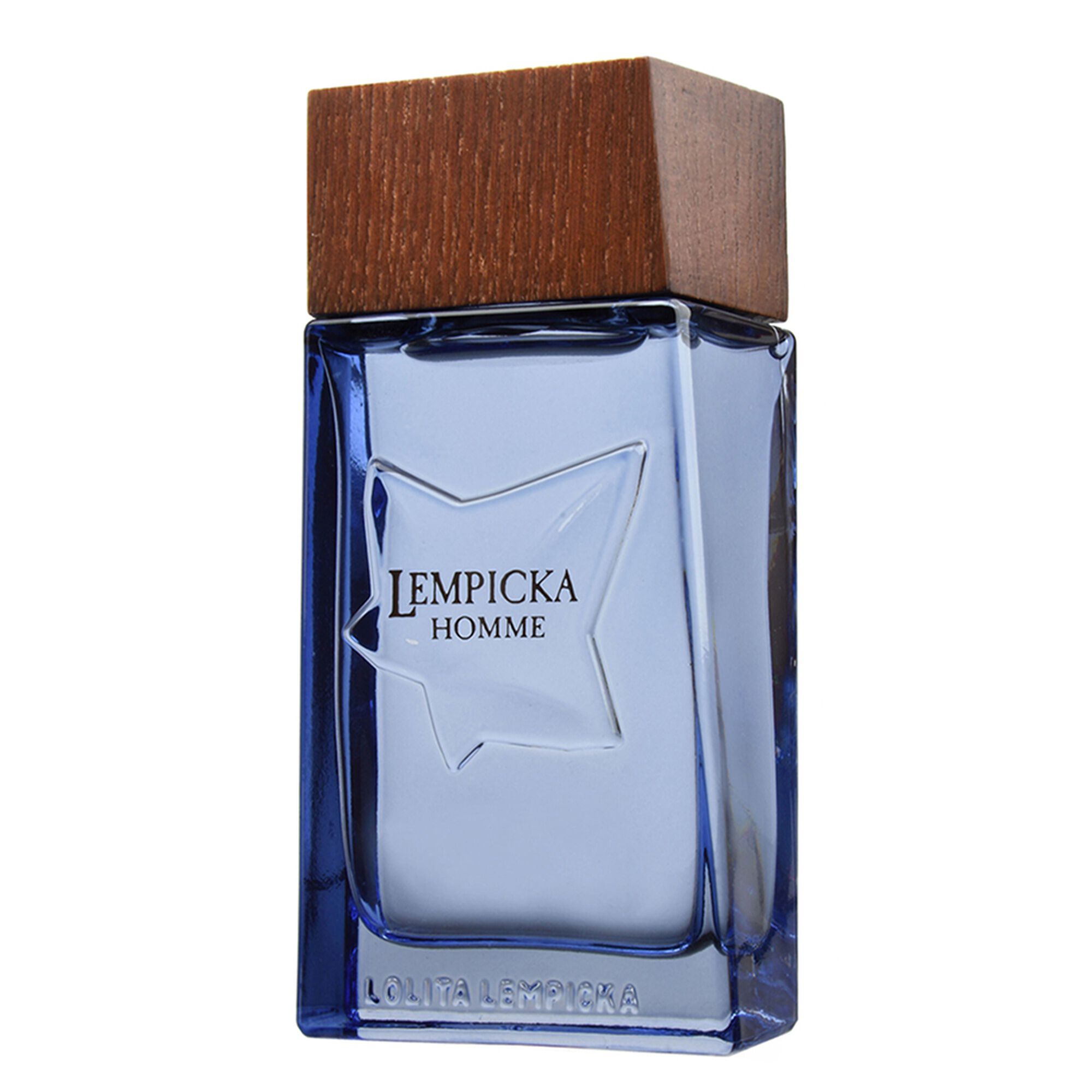
Are there ivy perfumes for men? Yes. Paired with cedar, mastic or anise, ivy structures typically masculine aromatic or oriental compositions. Givenchy Monsieur Givenchy is the catalogue's benchmark: subtle, green-woody and elegant, cherished for decades. Lolita Lempicka Lempicka Homme, meanwhile, offers a more oriental-vanilla angle.
What season should you wear an ivy-note perfume in? Ivy adapts to every season depending on its dominant accord. Hesperidic or floral compositions with ivy suit spring and summer thanks to their vegetal freshness. Woody, aromatic or oriental versions (Givenchy Monsieur Givenchy, Lempicka Homme) are more at home in autumn and winter, offering greater depth and longevity.
What's the difference between the ivy note and the green note or fougère? The ivy note is more specifically bitter and earthy than the generic green note (cut grass, crushed leaf). The fougère family, on the other hand, is a structured accord (lavender, coumarin, oakmoss) that sometimes includes green facets. Ivy is an isolated, vegetal and subtle note, found across several different fragrance families.