
Kumquat perfume: buying guide and best fragrances 2026
Kumquat is a small, tangy citrus fruit with orange glints, whose thin skin delivers a vibrant, slightly sweet accord, at once rounder than lemon and sharper than mandarin. In perfumery, it brings a luminous freshness to the top of a composition, accessible to women and men alike. This guide will help you understand the note, distinguish it from other citrus fruits, and choose the flacon that suits your skin and your preferences.
The kumquat note in perfumery: what is it?
Kumquat is a small citrus fruit native to Southeast Asia, grown today in China, Japan and the Mediterranean basin. In perfumery, the kumquat note is obtained mainly through cold expression or distillation of the fruit's zest and skin, processes that preserve the volatile aromatic molecules responsible for its highly distinctive signature.
A singular olfactory profile. Where lemon leans towards acidity and bitterness, kumquat plays on a more complex register: a sharp acidity on opening, quickly tempered by a slightly candied softness and a hint of herbaceous greenness. Its naturally sweet skin gives it a roundness that most classic citrus fruits lack. Discreet floral nuances can sometimes be detected, along with a faint peppery touch in the base of the zest.
Position in the fragrance pyramid. Kumquat almost always sits as a top note, where its volatile brightness offers a vibrant, memorable opening. It can, however, persist into the heart note when supported by more fixative materials — woods, musks or resins — which slow its evaporation and allow it to express itself for longer on the skin.
Its best pairings. Kumquat naturally dialogues with other white flowers or light florals (mimosa, pear blossom), soft woods such as hinoki or cedar, and clean musks that extend its clarity. It also pairs well with light gourmand notes — coconut, sesame — which accentuate its sweet dimension without weighing it down. Against spicy notes or rose, it provides a sparkling counterpoint that energises the whole composition.
What are the best kumquat-note perfumes?
Our selection brings together the kumquat-note perfumes available at Tendance Parfums between 48 and 66 EUR. Each reference has been chosen by cross-referencing real sales recorded over the past twelve months in our shop with verified reviews left by our customers after purchase. Below, you'll find creations from the floral woody musk families, suited to different profiles and seasons, to help you find the one that matches your sensibility.
Our featured favourites
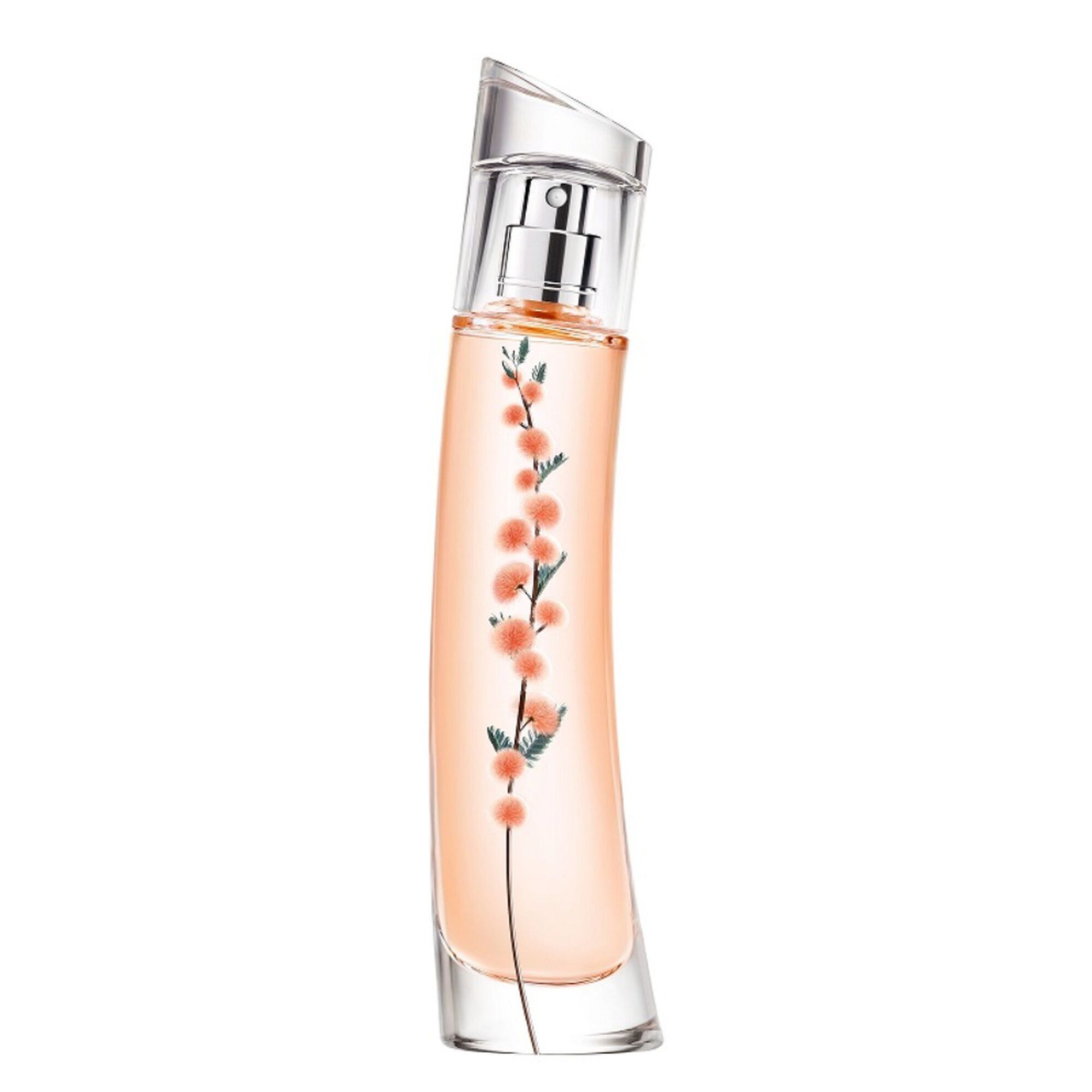
Kenzo Flower Ikebana Mimosa — With 8 sales over twelve months and a rating of 5/5 on a verified review, this floral woody musk is our most acclaimed reference in the kumquat note. Kumquat plays the opening notes with vibrancy before giving way to a heart note of mimosa absolute and hinoki wood of great refinement. One customer sums it up: "The value for money is very appealing." At 65,50 EUR, it's aimed at those seeking a fresh, well-structured floral.
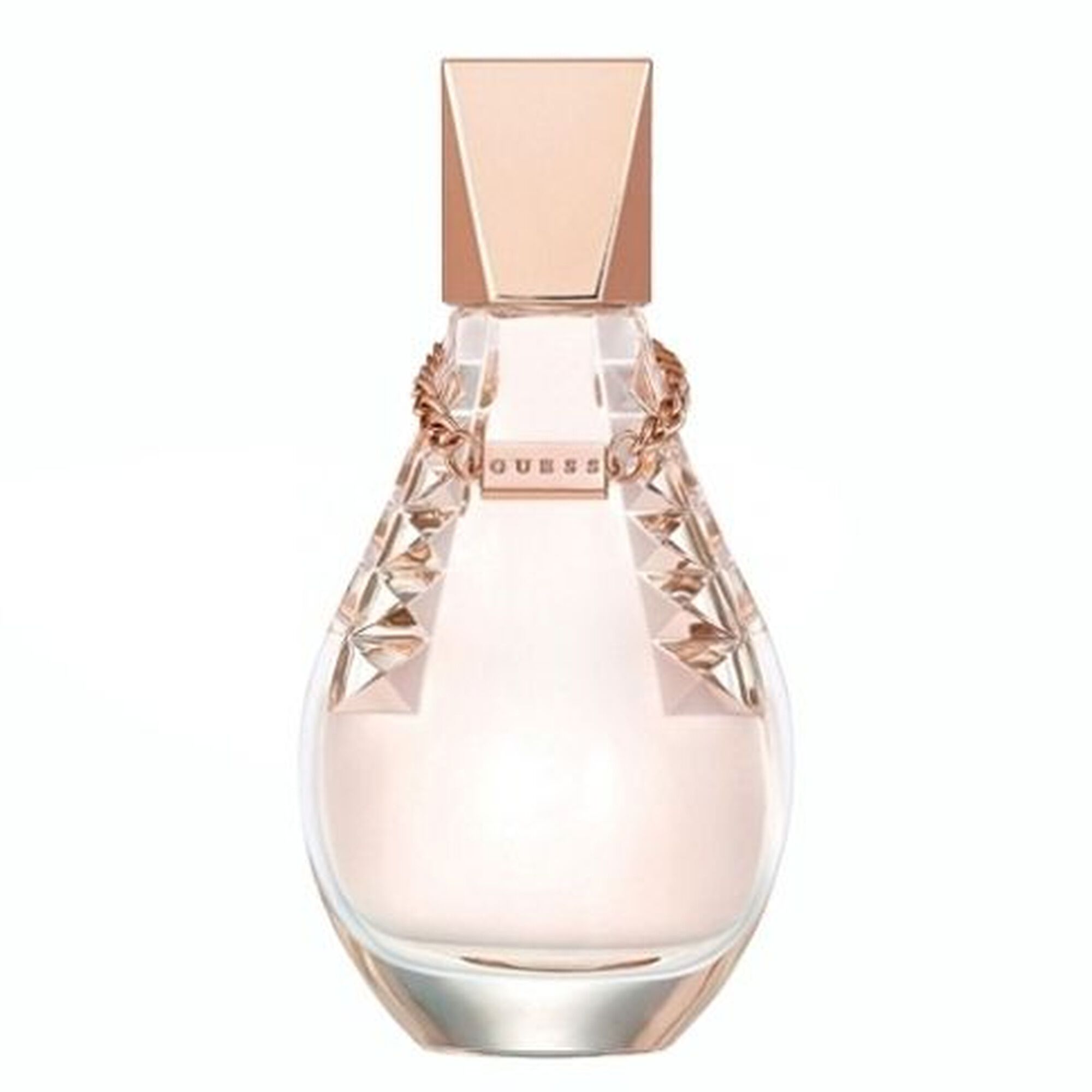
Guess Dare — This floral woody musk at 48 EUR offers a more fruity, accessible profile, blending wild rose, lemon blossom, pear blossom and coconut around a musky base note. With no sales recorded with us so far, it remains an interesting entry-level option for anyone wishing to explore the kumquat note in a light, gourmand summer accord, at an affordable price.
Kumquat for women, for men: how to choose?
The kumquat note belongs neither exclusively to women nor to men: it adapts according to the notes surrounding it and the concentration chosen.
For women. In compositions geared towards femininity, kumquat is often paired with generous florals — mimosa, pear blossom, rose — and soft musks. Here, it plays a role of vibrancy: it keeps the composition from seeming too heavy or too sweet. These accords are well suited to spring and summer days, or to a relaxed evening where freshness and lightness are sought without austerity.
For men. Perfumes where kumquat speaks more to a masculine sensibility pair it with fresh woods (hinoki, cedar), clean musks and sometimes spicy or aquatic touches. The result is drier, sharper, and suits both daily professional wear and summer or sporting activities equally well. The vibrancy of the citrus offsets the intensity of the woods.
Unisex fragrances. Kumquat fits naturally into unisex compositions, where its gender neutrality proves an asset. Pairings such as kumquat-sesame-wood or kumquat-coconut-musk can appeal to every sensibility.
Seasons and occasions. Kumquat excels in spring and summer thanks to its luminous freshness. In autumn, it can still pleasantly surprise early in the day. In winter, it is better suited to indoor wear or short outings, supported by woody or musky notes that lend it warmth and longevity.
Practical advice. Always test the fragrance on your skin: kumquat evolves quickly at the top, and it is the heart note accord that determines whether the perfume truly suits you. Wait ten to fifteen minutes before deciding.
The Tendance Parfums figures
What our own online perfumery data tells us about the kumquat note — figures you won't find anywhere else:
- 2 perfumes with the kumquat note available in our catalogue, from 48 EUR to 66 EUR (core range 48-66 EUR).
- The best-seller among our customers over the past 12 months: Kenzo Flower Ikebana Mimosa by Kenzo (8 sales).
- Average rating of our selection: 5.0/5 across 1 verified customer review.
- Prices and stock updated continuously; free delivery from 59 EUR of purchases.
Frequently asked questions
Is kumquat perfume more for a woman or a man? The kumquat note suits both women and men depending on the notes that accompany it. Paired with florals and soft musks, it leans feminine; with dry woods or clean musks, it tends more towards masculine. Unisex compositions remain the most common.
What is the difference between the kumquat note and the mandarin note in perfumery? Kumquat is tangier and slightly more bitter than mandarin, which is rounder and sweet. Kumquat brings a sharp vibrancy and a slight greenness that mandarin does not have. Both notes belong to the citrus family but create distinct olfactory openings.
In which season should you wear a kumquat-note perfume? Kumquat lends itself above all to spring and summer, thanks to its luminous, volatile freshness. It remains pleasant in autumn in the morning. In winter, it works better when supported by woody or musky notes that offset its natural lightness in cold conditions.
How much does a kumquat-note perfume cost at Tendance Parfums? At Tendance Parfums, kumquat-note perfumes are priced between 48 and 65,50 EUR. Guess Dare is the entry-level option at 48 EUR, while Kenzo Flower Ikebana Mimosa, the best-seller in our selection, is priced at 65,50 EUR.
Is kumquat a top, heart, or base note? Kumquat is primarily a top note: it expresses itself as soon as it is sprayed and evaporates within a few tens of minutes. In certain compositions, when paired with fixative materials such as woods or musks, it can extend into a heart note and remain perceptible on the skin for longer.