
Jasmin d'Eau parfum: buying guide and best perfumes 2026
Jasmin d'Eau is a floral variation on classic jasmine, made lighter, more transparent and slightly aquatic through the perfumer's craft. It appeals to both women and men in search of a fresh floral, neither too sweet nor too heady. This guide explains what this note is, how to recognise it, which perfumes express it and how to choose one according to your profile and the occasion.
The Jasmin d'Eau note in perfumery: what is it?
Jasmin d'Eau is an olfactory facet of jasmine that favours freshness, lightness and an aquatic dimension rather than the opulent richness of traditional absolute jasmine.
Origin and construction
Jasmine belongs to the Oleaceae family and includes several species used in perfumery, including jasmine grandiflorum and sambac. The "Jasmin d'Eau" as it appears in contemporary fragrance pyramids is often the result of formulation work: perfumers isolate or recreate certain jasmine molecules — particularly its own green and slightly aqueous facets — to achieve a result that is airier than that of concentrated floral absolute. It is not a distinct botanical species, but rather a creative direction taken with jasmine towards greater transparency.
Olfactory facets
On the nose, Jasmin d'Eau differs from classic jasmine in several ways: less indolic (less animalic, less heavy), it unfolds clean, slightly green floral facets, with an impression of a damp petal or a freshly picked flower. This aquatic freshness gives it an almost "sky-like" quality — the same floral, but seen from a beach in the morning rather than a Mediterranean garden in summer.
Position in the fragrance pyramid
Jasmin d'Eau generally sits as a heart note, where it forms the floral pivot of a perfume. It can sometimes appear as a top note when paired with citrus or marine notes, but its floral nature places it at the heart of the composition.
Natural accords
Jasmin d'Eau pairs with a wide variety of notes:
- Fresh and citrus notes: mint, lemon, green mandarin — it gains in vibrancy and lightness.
- Floral notes: muguet, peony — for coherent, soft floral compositions.
- Woody notes: cedar, sandalwood — which anchor the floral in a deeper material.
- Oriental notes: vanilla, labdanum — for a warm, enveloping signature.
- Musks: they extend Jasmin d'Eau on the skin, giving it a subtle sensual dimension.
This versatility makes Jasmin d'Eau one of the most widely used floral notes in contemporary perfumery, in both fresh and oriental versions.
What are the best perfumes with the Jasmin d'Eau note?
Our selection of Jasmin d'Eau perfumes is based on actual sales and our customers' verified reviews over the past twelve months. We have chosen 4 references covering a broad olfactory spectrum — from warm floral oriental to summery aquatic floral, via woody musky floral — at prices ranging from 28 to 57,50 EUR. Whether you're after a Jasmin d'Eau leaning towards freshness or depth, you'll find an option here suited to your profile and your budget.
Our reviewed favourites
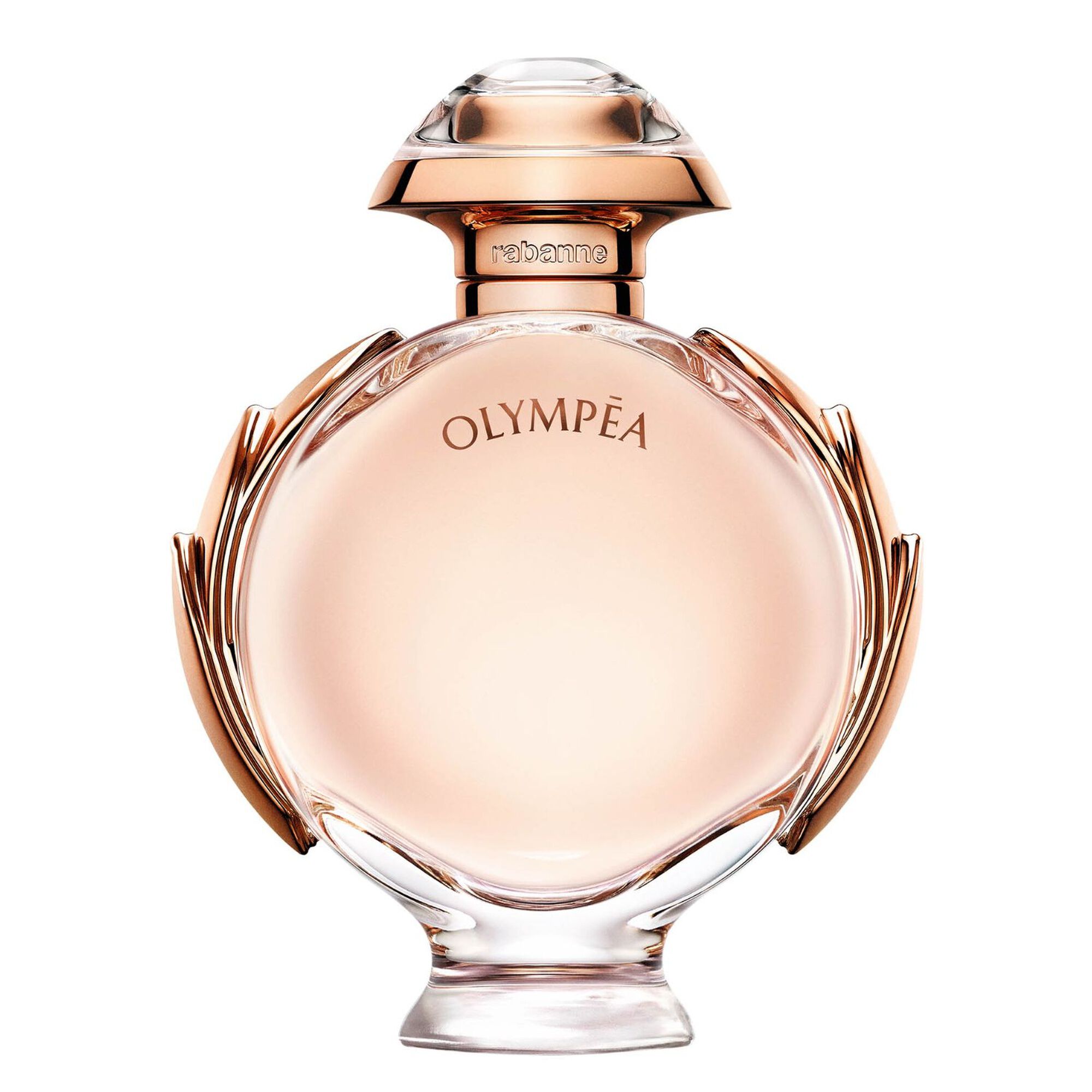
Rabanne Olympéa (Eau de Parfum) — With 45 sales over 12 months and a rating of 4.88/5 from 90 verified reviews, Olympéa is by far the most popular Jasmin d'Eau perfume in our catalogue. The floral oriental accord combines Jasmin d'Eau, vanilla and sandalwood over a base of green mandarin and ginger flower: the result is both gourmand and floral, warm without being heavy. Customers describe it as "true to the product I wanted" — a reassuring consistency at 50,00 EUR.
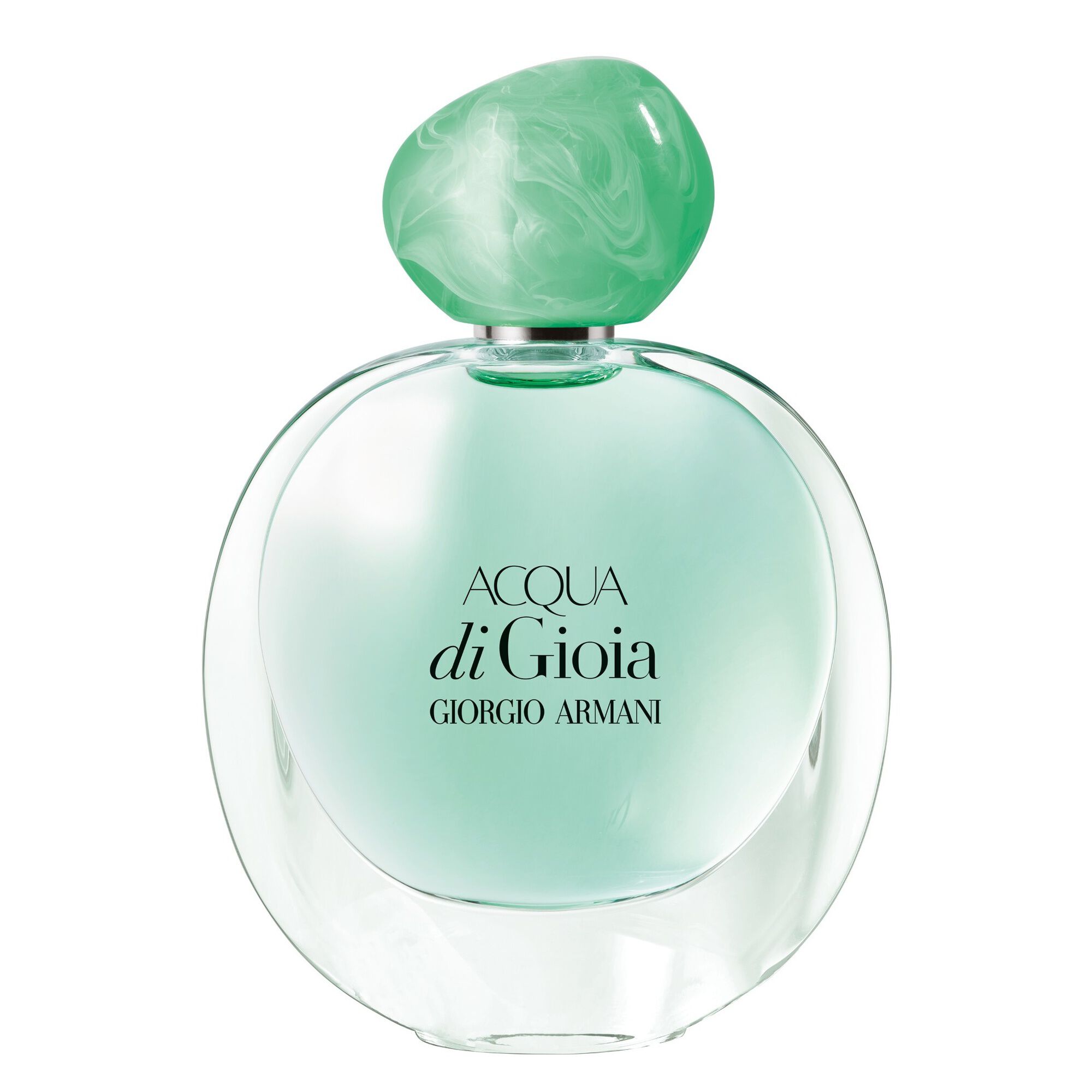
Armani Acqua Di Gioia (Eau de Parfum) — 16 sales over 12 months and 4.61/5 from 23 verified reviews for this aquatic floral, which pairs Jasmin d'Eau with mint, Amalfi lemon and cedar. The accord is fresh, luminous, and made for sunny days. One customer describes it as "pleasantly light for daytime, and a lovely flacon" — a fair summary of its positioning: subtle elegance, at 57,50 EUR.
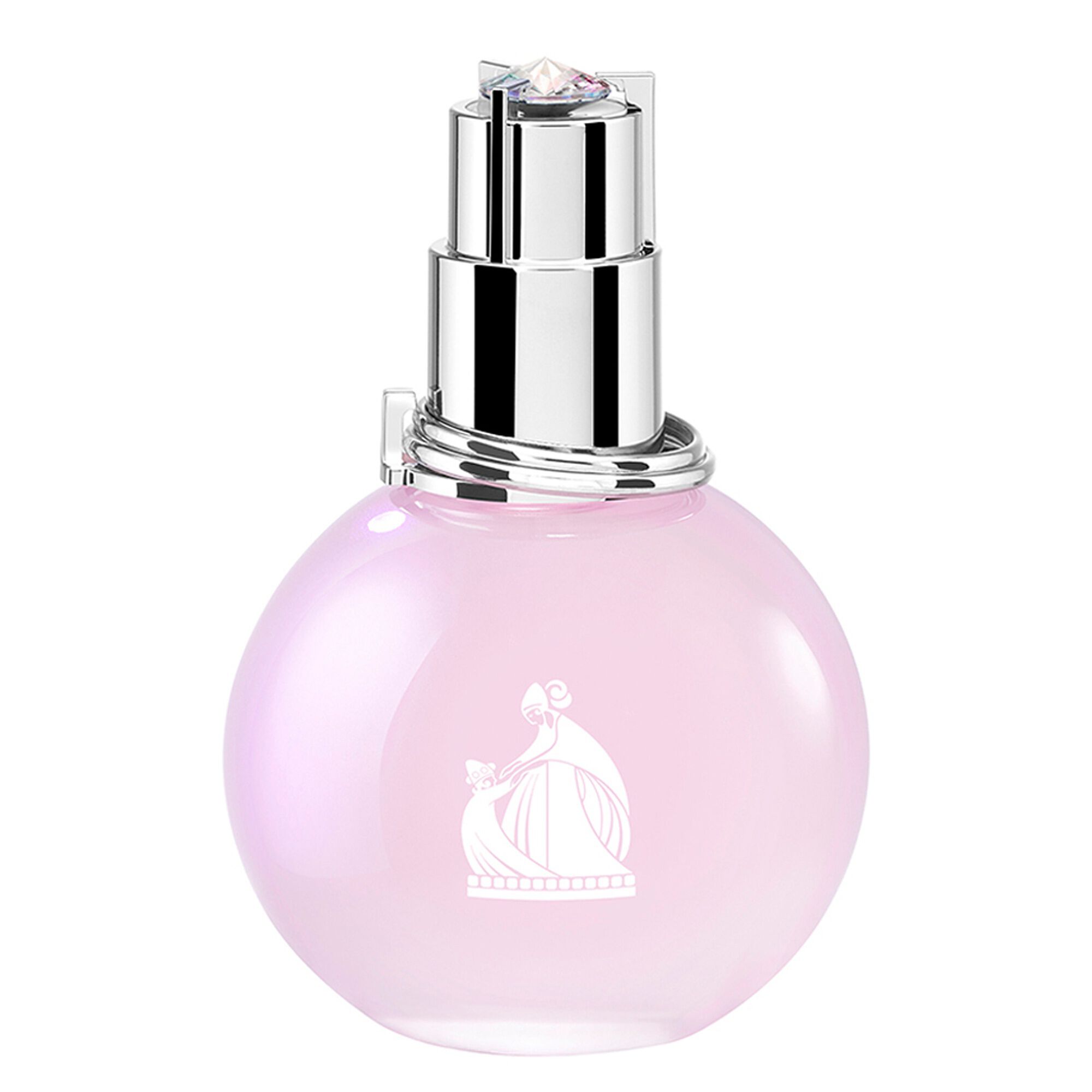
Lanvin Éclat d'Arpège Sheer (Eau de Parfum) — The most affordable reference in the selection at 28,00 EUR, with a rating of 4.67/5 from 3 verified reviews. Here, Jasmin d'Eau sits within a woody musky floral accord alongside peony, muguet and cedar. Fine and powdery, it suits everyday or office wear. One customer notes it was "much loved by my partner" — a sign of a consensual, accessible feminine floral.
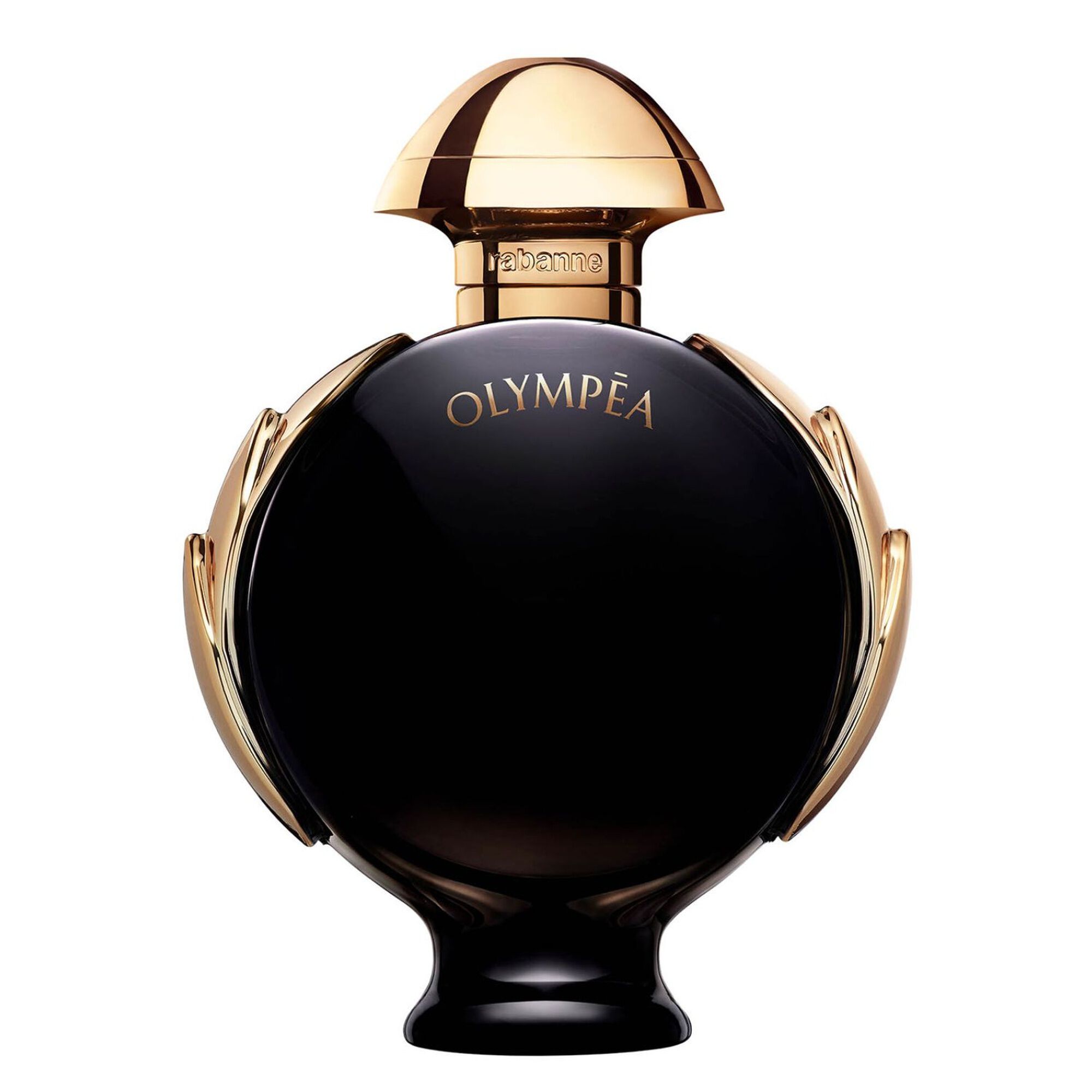
Rabanne Olympéa (Parfum) — The concentrated version of Olympéa, priced at 57,50 EUR. With 4 sales over 12 months, it has not yet accumulated verified reviews, but it carries the same Jasmin d'Eau / vanilla / sandalwood signature in a more intense, longer-lasting version on the skin. Worth considering if you love Olympéa EDP and want stronger longevity for evenings or the colder months.
Jasmin d'Eau for women, for men: how to choose?
Jasmin d'Eau is an olfactively unisex note: its aquatic freshness and lightness make it accessible to both women and men, even though the vast majority of perfumes that showcase it are positioned as feminine or unisex.
For women
In feminine perfumes, Jasmin d'Eau is often expressed in aquatic floral accords (paired with lemon, mint, white musks) for a fresh, feminine result without heaviness. It can also feature in floral orientals, paired with vanilla and sandalwood, for a more enveloping and sensual femininity. The ideal seasons are spring and summer, but the oriental versions hold up well in-between seasons.
For men
Although none of our references is explicitly positioned for men, certain Jasmin d'Eau + wood + green note accords work very well for men's or unisex wear. A man who enjoys fresh florals can absolutely wear a Jasmin d'Eau perfume in a professional or casual context.
By occasion and season
- Spring / summer: opt for aquatic or citrus versions (Jasmin d'Eau + mint, + lemon) for their lightness and freshness.
- Autumn / in-between seasons: floral oriental versions (Jasmin d'Eau + vanilla + sandalwood) offer more depth and longevity.
- Everyday / office wear: Jasmin d'Eau in a woody musky accord is subtle and refined, perfect for daily wear.
Practical testing advice
If you're torn between a fresh version and an oriental version, test both on skin a few hours apart: Jasmin d'Eau reveals itself differently depending on body warmth and the composition surrounding it. Let the perfume develop for at least 30 minutes before making your decision.
Tendance Parfums figures
What our own online perfumery data tells us about the Jasmin d'Eau note — figures you won't find anywhere else:
- 4 perfumes featuring the Jasmin d'Eau note available in our catalogue, from 28 EUR to 58 EUR (core range 50-58 EUR).
- The best-seller among our customers over the past 12 months: Rabanne Olympéa (45 sales).
- Average rating for our selection: 4.8/5 from 116 verified customer reviews.
- Prices and stock updated continuously; free delivery from 59 EUR of purchases.
Frequently asked questions
What is the Jasmin d'Eau note in a perfume? The Jasmin d'Eau note is a floral facet of jasmine made lighter, fresher and slightly aquatic through the perfumer's formulation work. Unlike absolute jasmine, which is rich and indolic, Jasmin d'Eau evokes a damp, clean, transparent petal. It generally sits as a heart note.
Which Jasmin d'Eau perfumes suit a woman? For a woman, Rabanne Olympéa (EDP or Parfum) offers a warm, oriental Jasmin d'Eau blended with vanilla and sandalwood, ideal for in-between seasons or evening wear. Armani Acqua Di Gioia offers a fresher, more aquatic version, perfect for spring and summer. Lanvin Éclat d'Arpège Sheer suits everyday, refined wear.
Can a Jasmin d'Eau perfume suit a man? Yes. Jasmin d'Eau, thanks to its lightness and floral transparency, is more accessible to men than classic jasmine. A Jasmin d'Eau accord paired with woody (cedar, sandalwood) or aquatic notes can fit perfectly into men's or unisex wear, particularly for daytime.
In which season should you wear a perfume with the Jasmin d'Eau note? Jasmin d'Eau is mainly worn in spring and summer in its aquatic or citrus versions, such as Acqua Di Gioia. Oriental versions (Olympéa, with vanilla and sandalwood) withstand the cooler temperatures of autumn or evenings better. It is thus a versatile note that covers a large part of the year.
What is the difference between Jasmin d'Eau and classic jasmine in perfumery? Classic jasmine, particularly in absolute form, is rich, heady and slightly animalic (indolic facet). Jasmin d'Eau is a lighter interpretation of it: less heavy, more transparent, with a fresh, aquatic floral impression. It suits daytime perfumes and skin types that find absolute jasmine too intense better.