
African orange blossom parfum: complete guide to the note
African orange blossom refers, in perfumery, to a particularly sun-drenched, creamy and slightly animalic rendition of bitter orange blossom grown under African climates, notably in Morocco and Egypt. Rounder and more enveloping than its Mediterranean cousins, it appeals to lovers of warm florals and compositions that are both sensual and approachable. This guide explains everything: nature, accords, uses and wearing tips.
The African orange blossom note in perfumery: what is it?
African orange blossom is a floral raw material derived from the flowers of the bitter orange tree (Citrus aurantium), grown mainly in Morocco and Egypt, two terroirs that give it an olfactory profile distinct from classic Mediterranean production.
It is obtained through two main processes: steam distillation, which yields orange blossom water and the essential oil known as neroli, and enfleurage or solvent extraction, which isolates the absolute, more concentrated and more complex. The African varieties, grown under intense sunshine and in clay soils, produce a fuller-bodied raw material, with waxy, milky and slightly honeyed facets not found as pronounced in Corsican or Spanish production.
On the olfactory front, African orange blossom is characterised by:
- a fresh, slightly lemony opening, inherited from the flower's natural aldehydes;
- a dense floral heart note, creamy and powdery, with a touch of honey and beeswax;
- a soft, slightly animalic base note, almost milky, which ensures excellent longevity.
In the fragrance pyramid, it most often occupies the heart note, sometimes appearing as a top note when used in the form of a highly volatile essential oil. When the absolute is used, it can extend right down into the base note accents, so pronounced are its warmth and depth. It is a versatile note, capable of bringing both lightness and sensuality depending on the quantity and context of use.
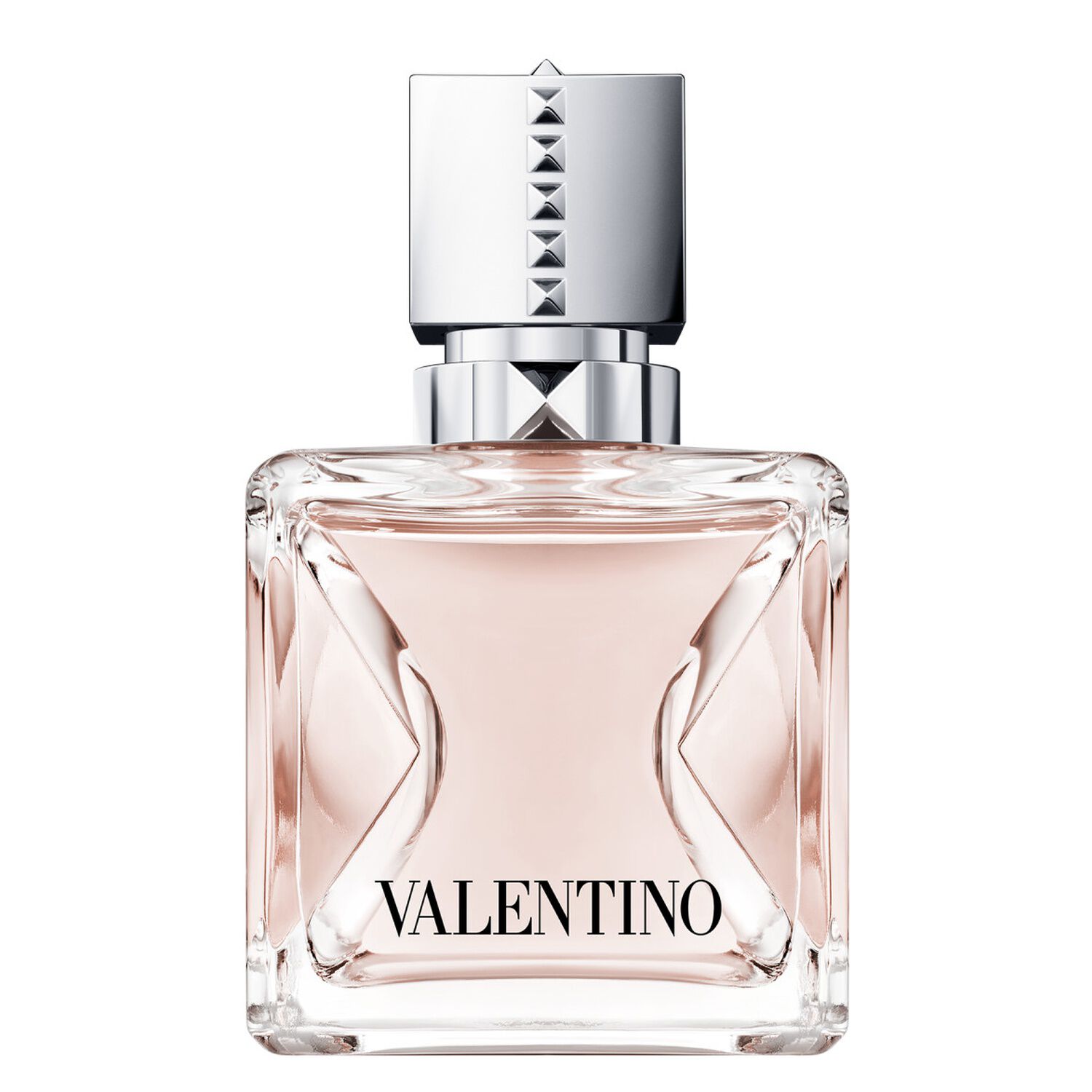
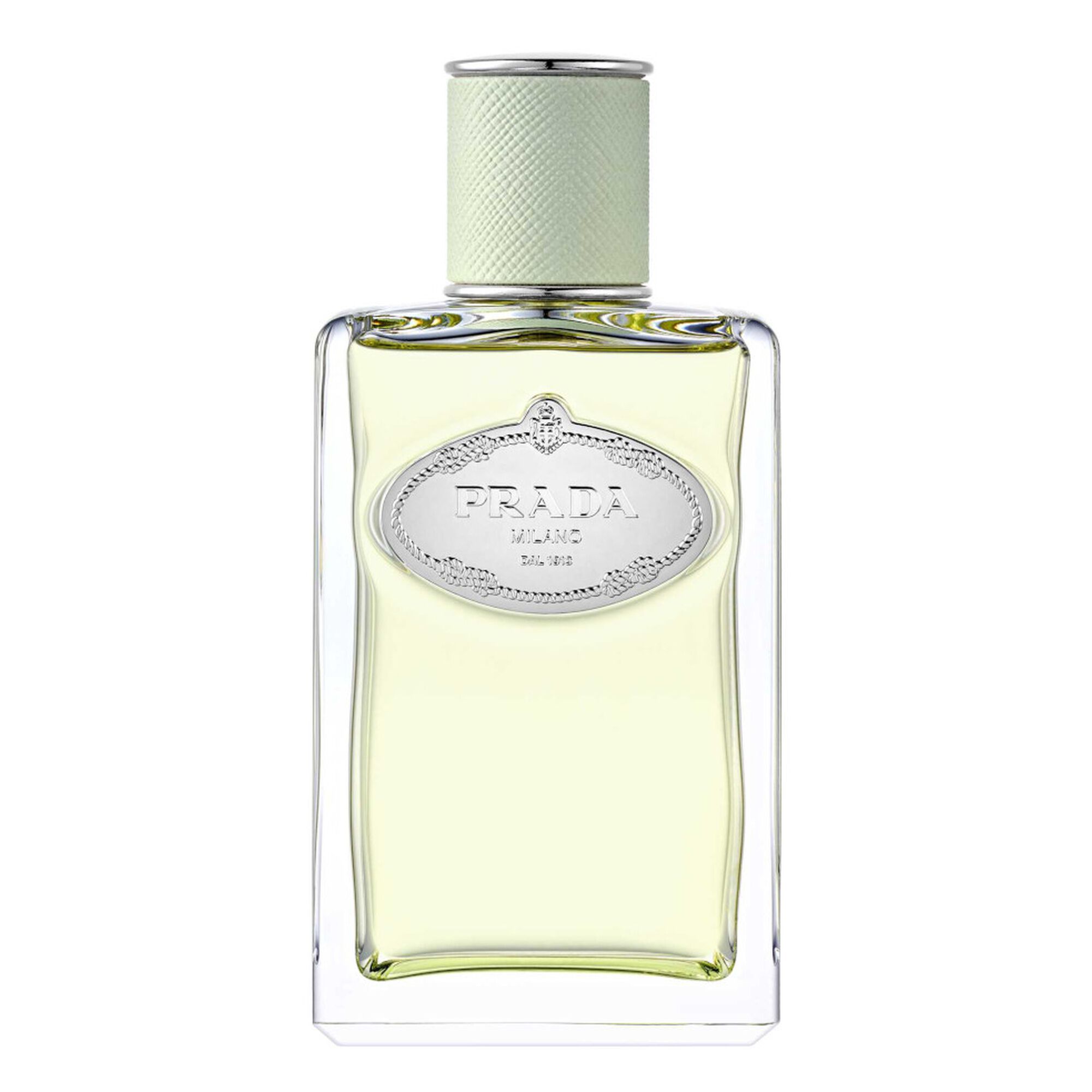
Parfums with the African orange blossom note in our catalogue
Our selection below is continually updated according to stock and new arrivals.
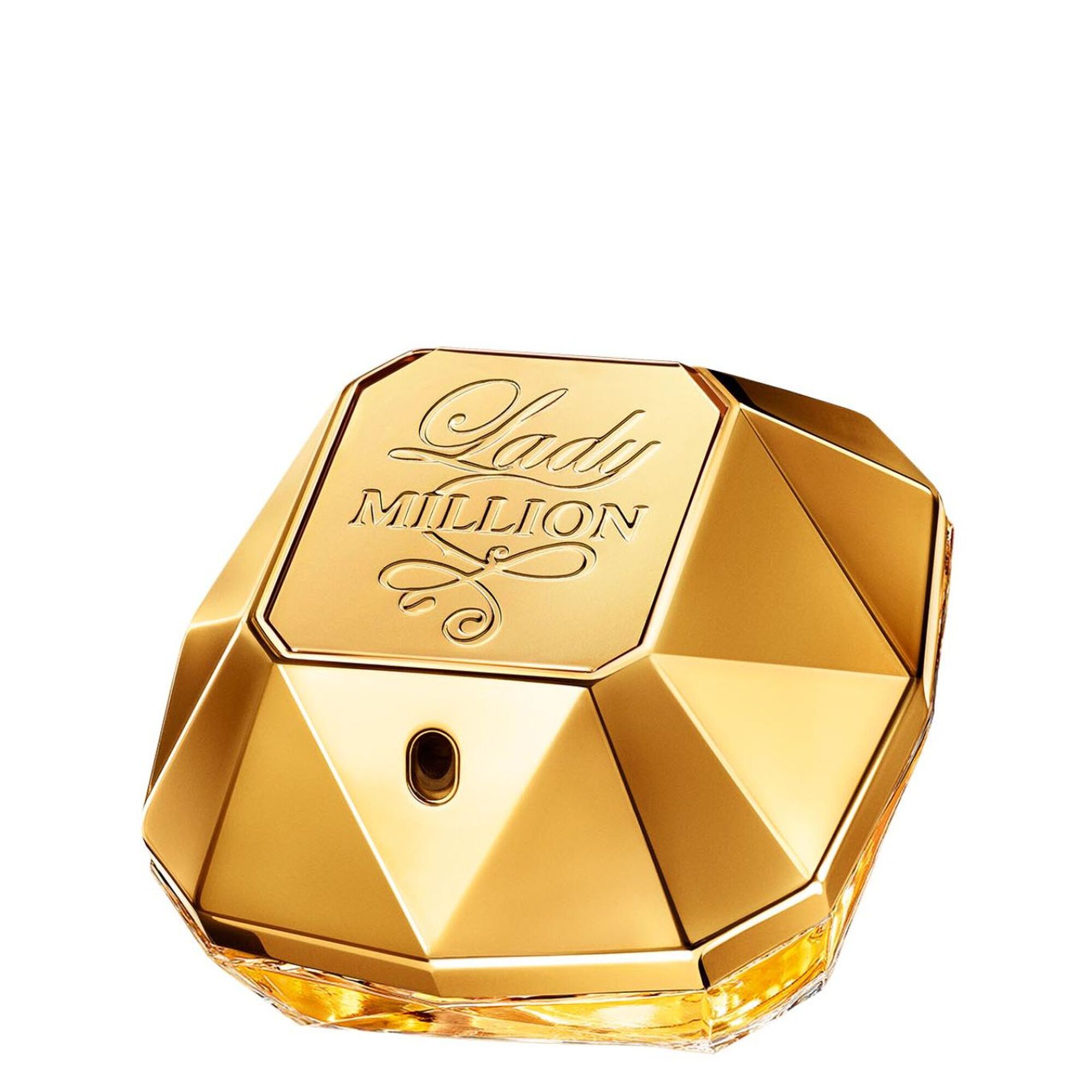
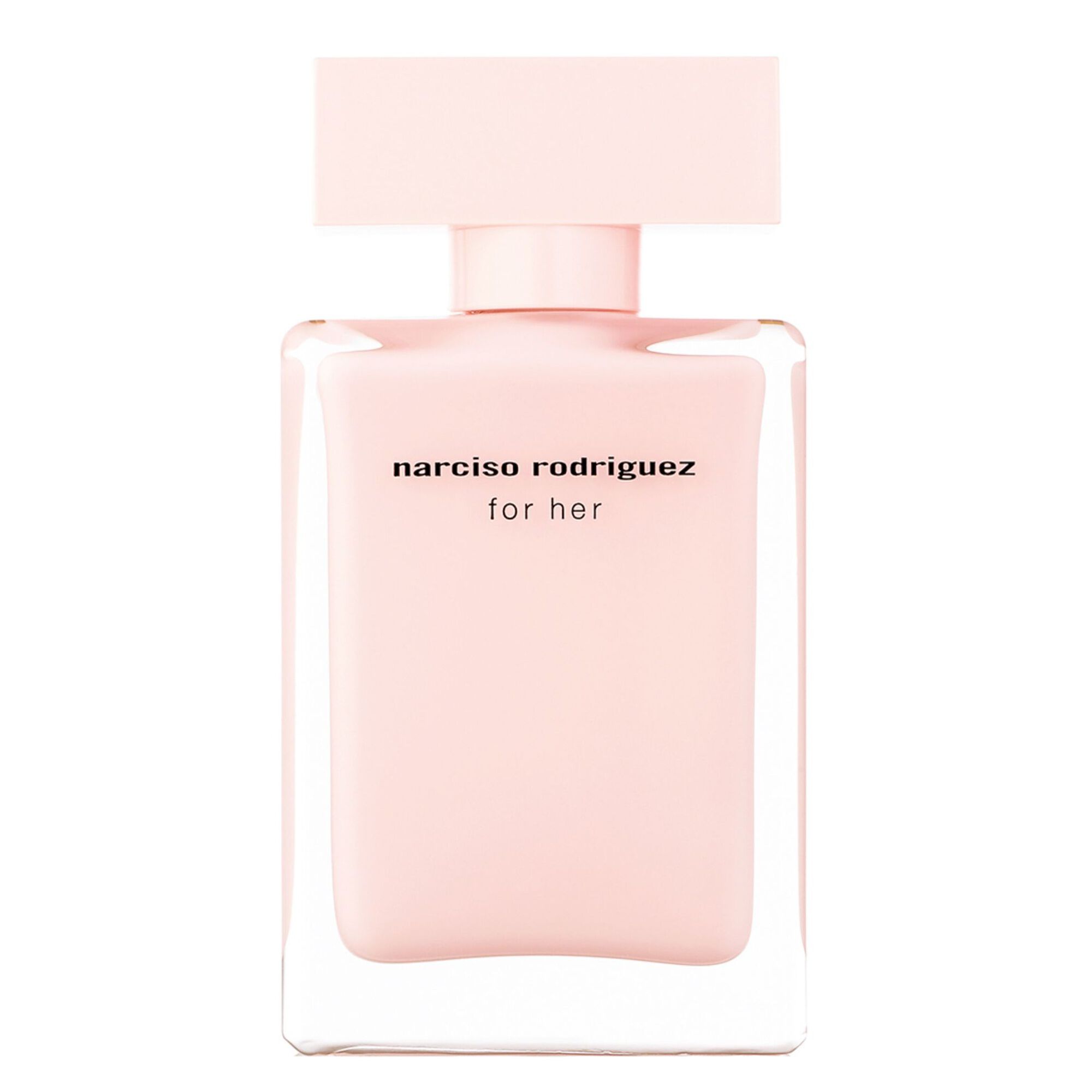
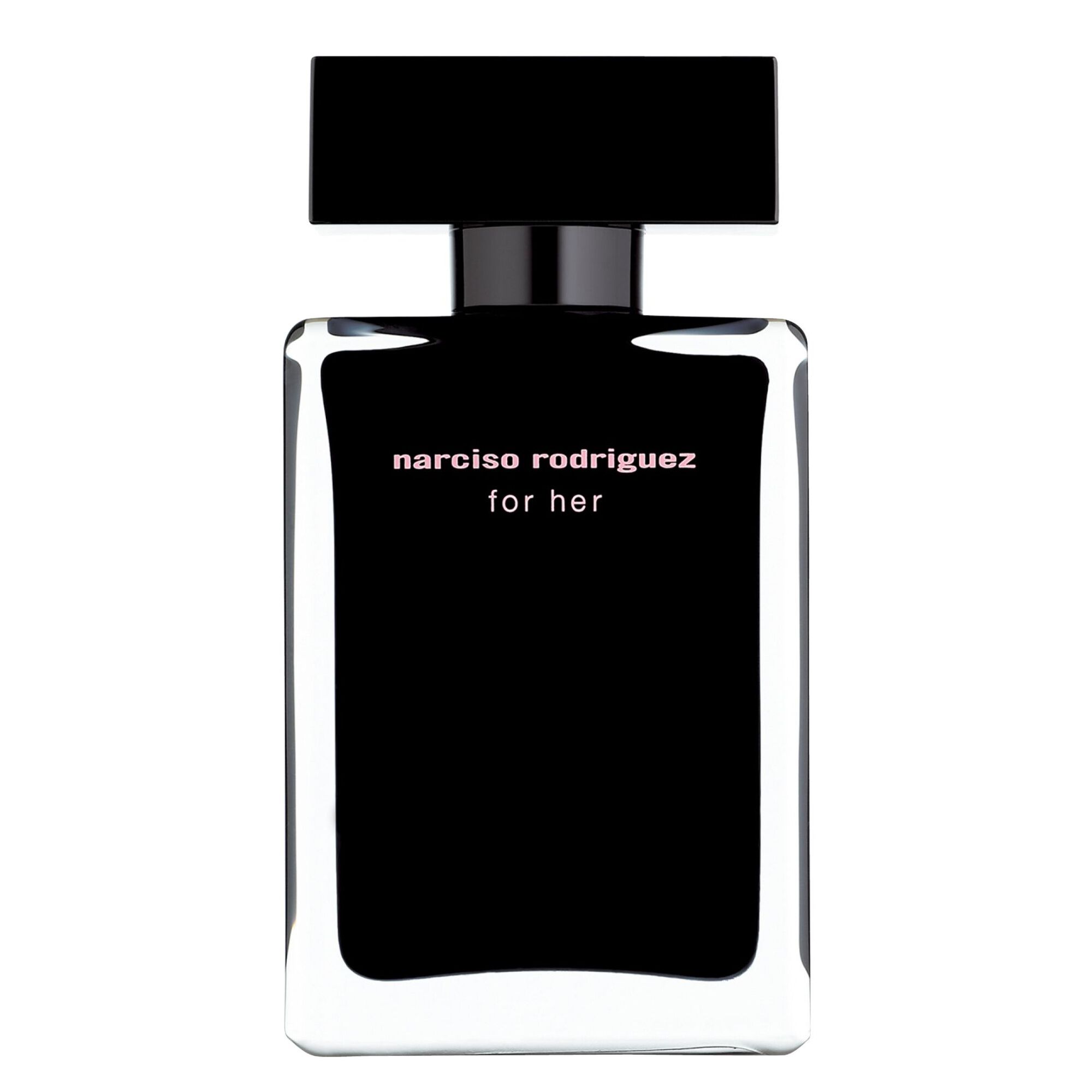
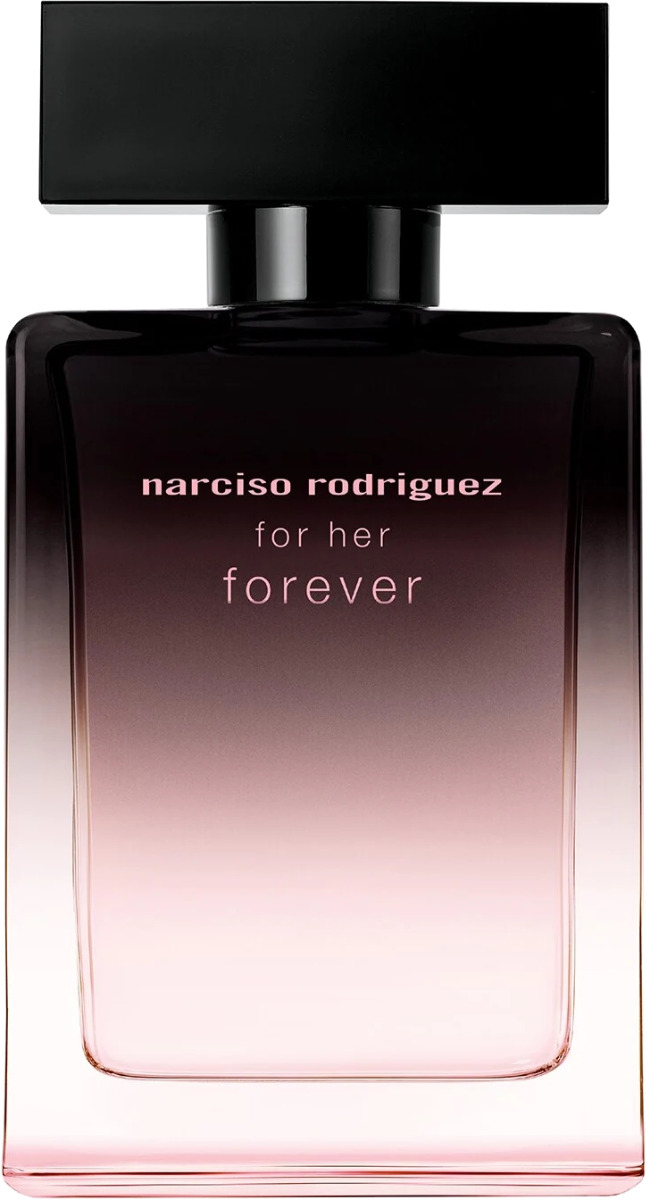
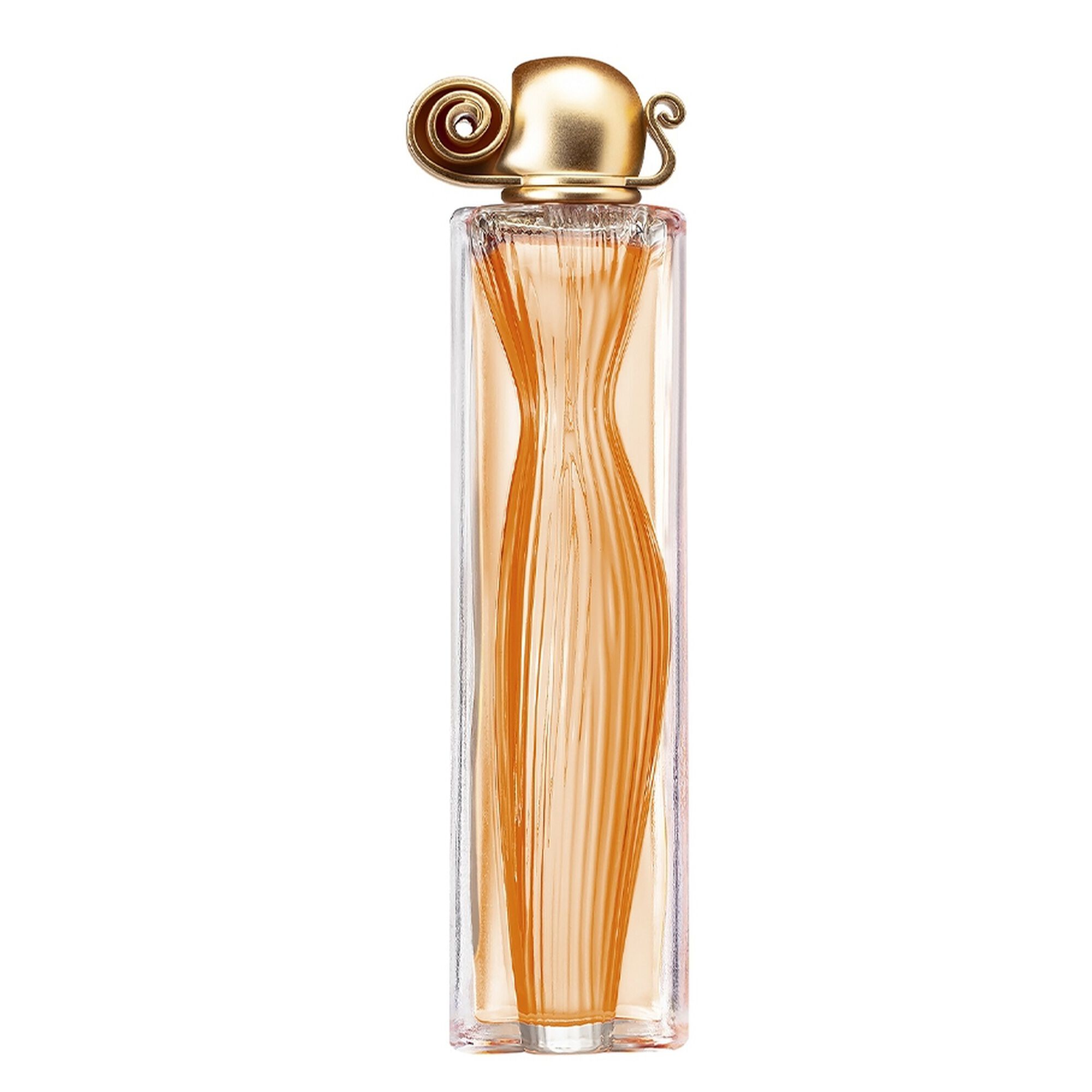
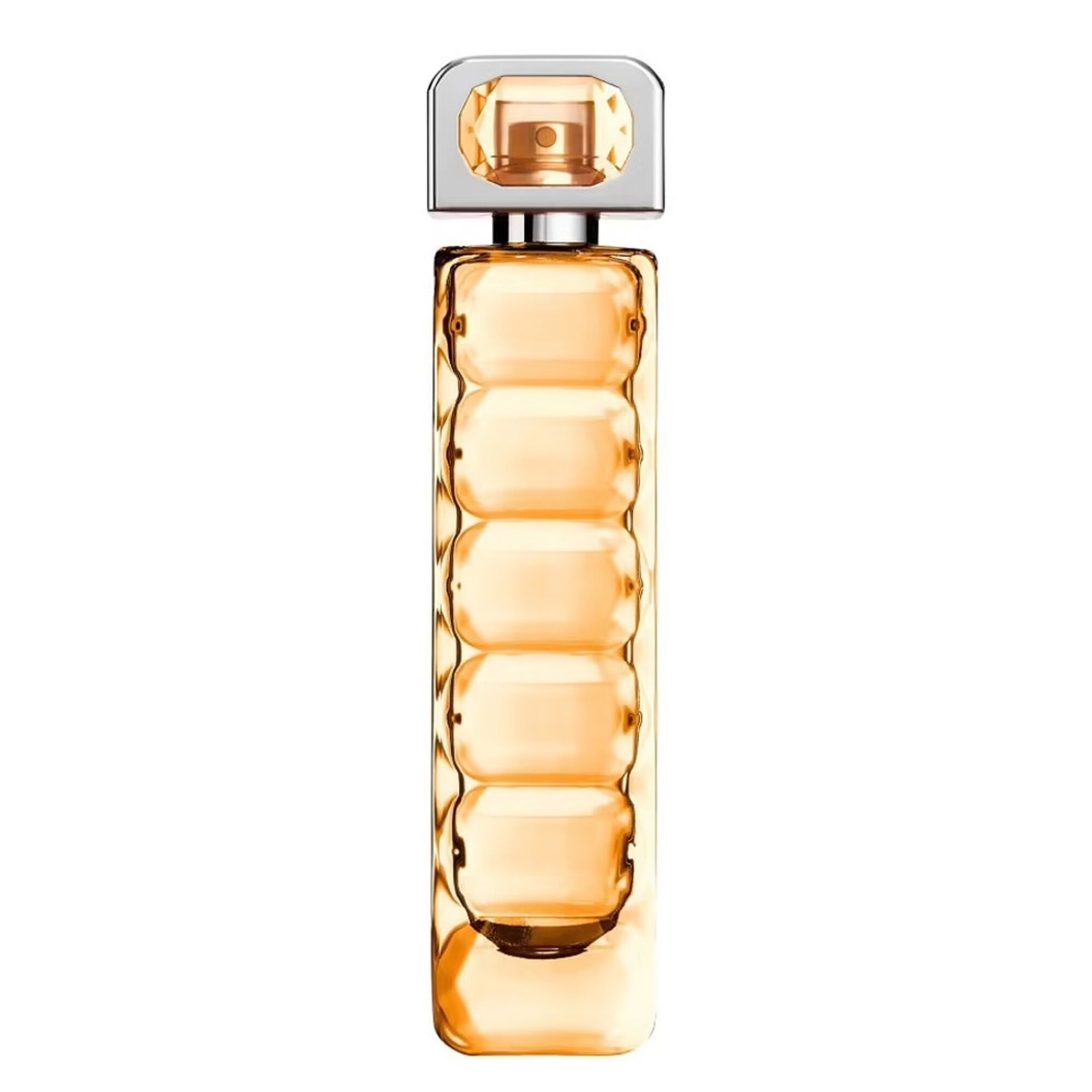
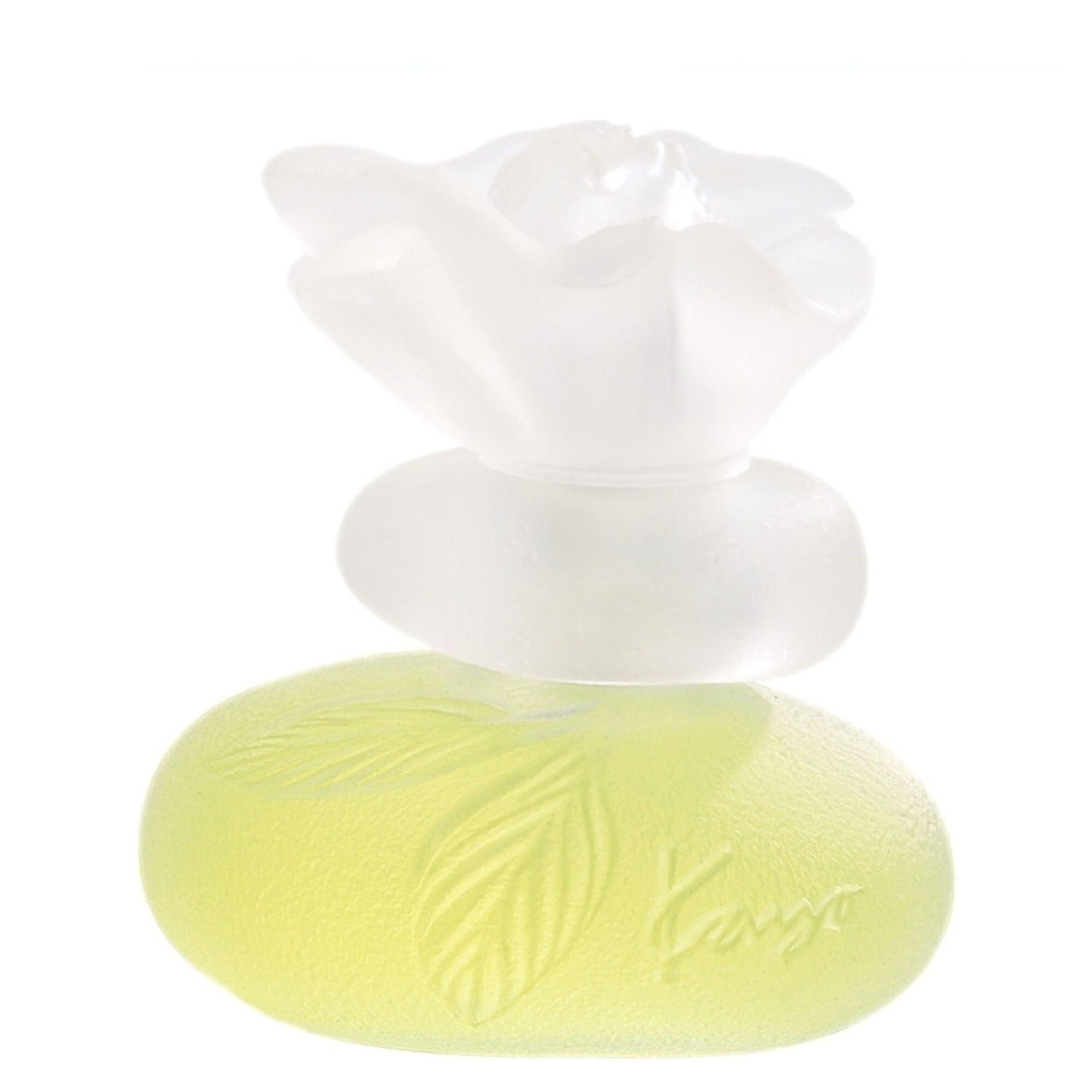
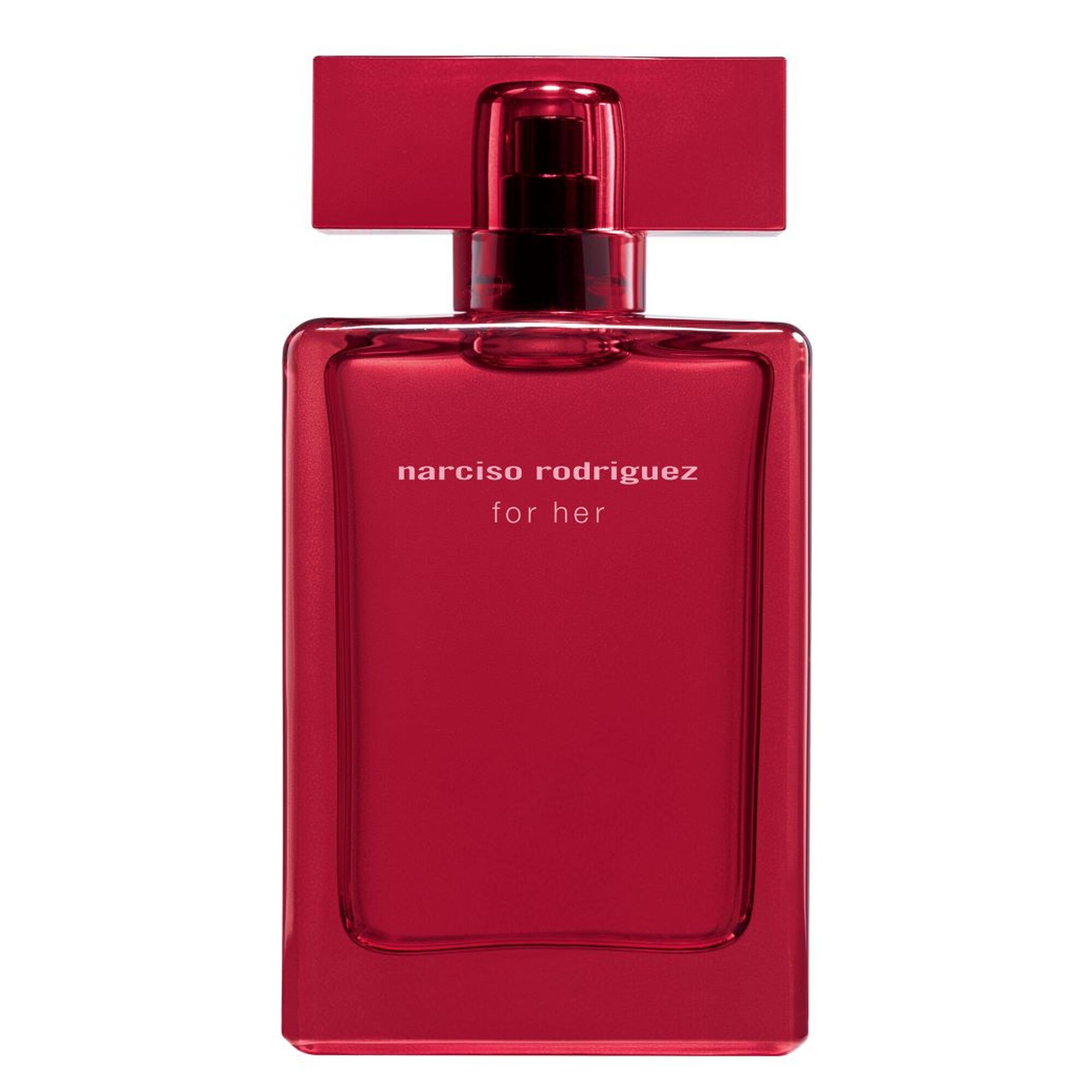
Which notes pair well with African orange blossom?
African orange blossom pairs naturally with floral, oriental and woody families, but its versatility also allows it to engage with fresher or powdery registers.
Classic pairings and desired effects:
- With jasmine and rose: the pairing stays within the floral sphere, but the African note brings a creamy roundness that balances the intensity of jasmine and the green facet of rose. The effect is both opulent and natural.
- With white musk and sandalwood: musk amplifies the milky dimension of African orange blossom, while sandalwood underlines its woody warmth. The result is an enveloping signature, ideal for floral oriental compositions.
- With cedar and vetiver: the dry wood contrasts with the roundness of the flower and brings a verticality that avoids any overly sweet pitfall.
- With soft spices (cardamom, pink pepper): the accord gains in vibrancy; African orange blossom then plays a softening role, tempering the sharpness of the spices.
- With amber and vanilla: the sun-drenched, honeyed dimension of the note is reinforced, creating resolutely warm and sensual compositions, well suited to colder seasons.
Conversely, pairings with very aqueous or very green notes can dilute the qualities specific to this African variety and erase its creamy signature.
African Orange Blossom for women, for men: how to choose?
African orange blossom does not belong to a single gender sphere: its olfactory spectrum makes it relevant in feminine, masculine and unisex compositions, depending on how the perfumer directs it.
In feminine parfums, it is generally showcased in its full creamy, floral dimension. Paired with soft musks, rose or jasmine, it gives luminous, sensual compositions, evoking the warmth of sun-kissed skin. Feminine eaux de parfum often use it as a pivot between a fresh top and an amber base note.
In masculine parfums, the treatment differs: perfumers frequently pair African orange blossom with dry woods, spices or aromatic notes (lavender, rosemary) to rein in its floral richness and create a signature that is both fresh and deep. This is when we speak of floral fougeres or woody orientals.
In unisex compositions, it expresses itself with the greatest freedom: neither sweet nor overbearing, it acts as a link between very different materials and contributes to the skin-like effect sought after in contemporary parfums.
Practical tips:
- Before buying, wear the parfum on your wrist for at least twenty minutes to let the heart note develop fully.
- If you're torn between two concentrations, eau de parfum reveals the creamy facet of African orange blossom better than the more volatile eau de toilette.
How to wear an African orange blossom parfum?
A parfum dominated by African orange blossom deserves particular care to make the most of its creamy, sun-drenched qualities.
Seasons and times of day: This note comes fully into its own in spring and summer, when the warmth of the skin amplifies its floral and honeyed facets. It nonetheless remains pleasant in autumn within warmer, amber-based compositions. It suits everyday wear just as well as more dressed-up occasions: an outdoor lunch, a summer evening, or simply a moment of softness at home.
Application points: Spray on pulse points — wrists, nape of the neck, inner elbow — where body warmth diffuses the parfum steadily and progressively. Avoid rubbing your wrists together after application, as this gesture alters the molecules and changes the projection.
Careful layering: If you wish to layer this parfum with other scented products (cream, bath oil), favour neutral or lightly musky base notes so as not to create dissonance with the note's floral roundness.
Frequently asked questions
What is the longevity of an African orange blossom parfum? Longevity varies according to concentration and formulation, but African orange blossom, particularly in absolute form, generally offers good longevity of four to eight hours on the skin. Oriental or musky formulas extend its presence further than light eaux de toilette.
What is the difference between African orange blossom and neroli? Neroli is the essential oil obtained by distilling bitter orange blossoms; it is fresher, more lemony and more volatile. African orange blossom, often used in the form of an absolute or a more concentrated raw material, is creamier, more honeyed and longer-lasting. These are two expressions of the same flower, but with very distinct profiles.
Who is the African orange blossom note suited to? It suits people who appreciate warm, sensual and natural florals, without seeking something austere or very woody. It appeals as much to those who love luminous parfums as to those who prefer enveloping, creamy compositions, provided they're happy with a certain olfactory roundness.
What is the ideal season to wear an African orange blossom parfum? Spring and summer are the most favourable seasons: warmth amplifies the note's floral and sun-drenched facets. It nonetheless remains appealing in autumn within amber or woody compositions, where it brings a touch of light and softness amid darker materials.