
Amalfi lemon parfum: complete guide to the note
Amalfi lemon is a hesperidic note derived from the zest of lemons grown on the Amalfi Coast, prized for its particularly bright, subtly floral and low-bitterness aromatic profile. In perfumery, it brings a sun-drenched, Mediterranean freshness quite distinct from that of other citrus fruits. This guide explains its nature, its finest pairings, its expression across genders and the best ways to wear it day to day.
The Amalfi lemon note in perfumery: what is it?
Amalfi lemon is a natural raw material extracted by cold expression from the zest of Citrus limon grown along the Campanian coastline in southern Italy, within a recognised appellation zone. This precise geographical origin gives it an olfactive profile distinct from that of a generic lemon.
Aromatically, Amalfi lemon stands out through several characteristic facets. Its hesperidic vibrancy is crisp and bright, without the sharp acidity found in certain ordinary lemon extracts. A subtle floral nuance — often likened to lemon blossom — accompanies the brilliance of the zest, while an almost sweet softness and a hint of balsamic depth round out the whole. The result is a note perceived as sun-drenched and Mediterranean, evoking coastal maquis rather than a kitchen citrus fruit.
In terms of extraction, cold expression — a technique that mechanically presses the zest without heat — preserves the most volatile and delicate aromatic molecules, notably the citric aldehydes and terpenes responsible for the green, sparkling note.
In the fragrance pyramid, Amalfi lemon almost always sits in the top notes: it is the first impression you perceive upon application, fresh and immediate. Its natural volatility means it fades progressively to let the heart note speak, though certain accords or fixatives can extend its presence. It is also occasionally found reworked synthetically as a heart note, or paired with less volatile materials.
Fragrances featuring the Amalfi lemon note in our catalogue
Our selection below is updated continuously according to stock and new arrivals.
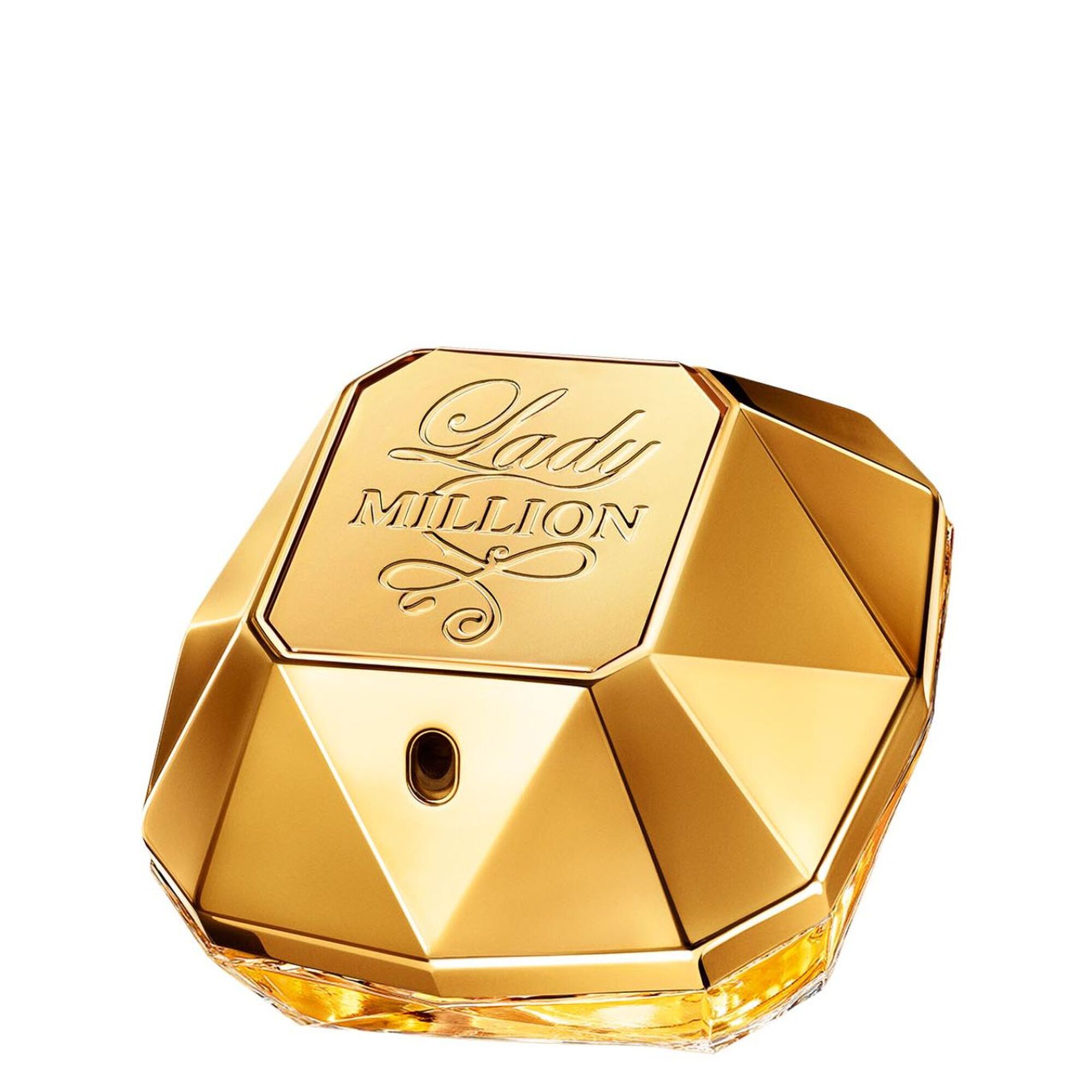
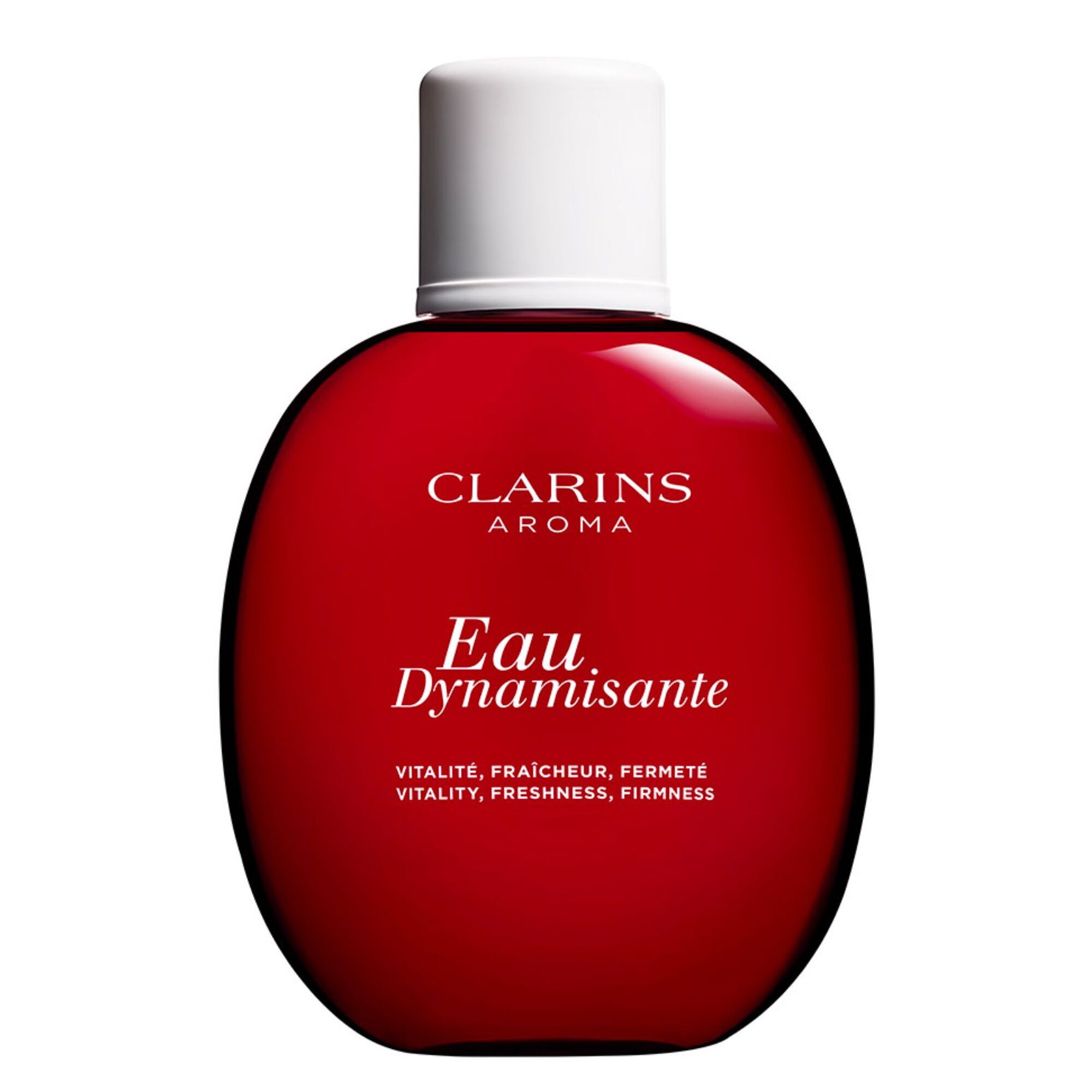
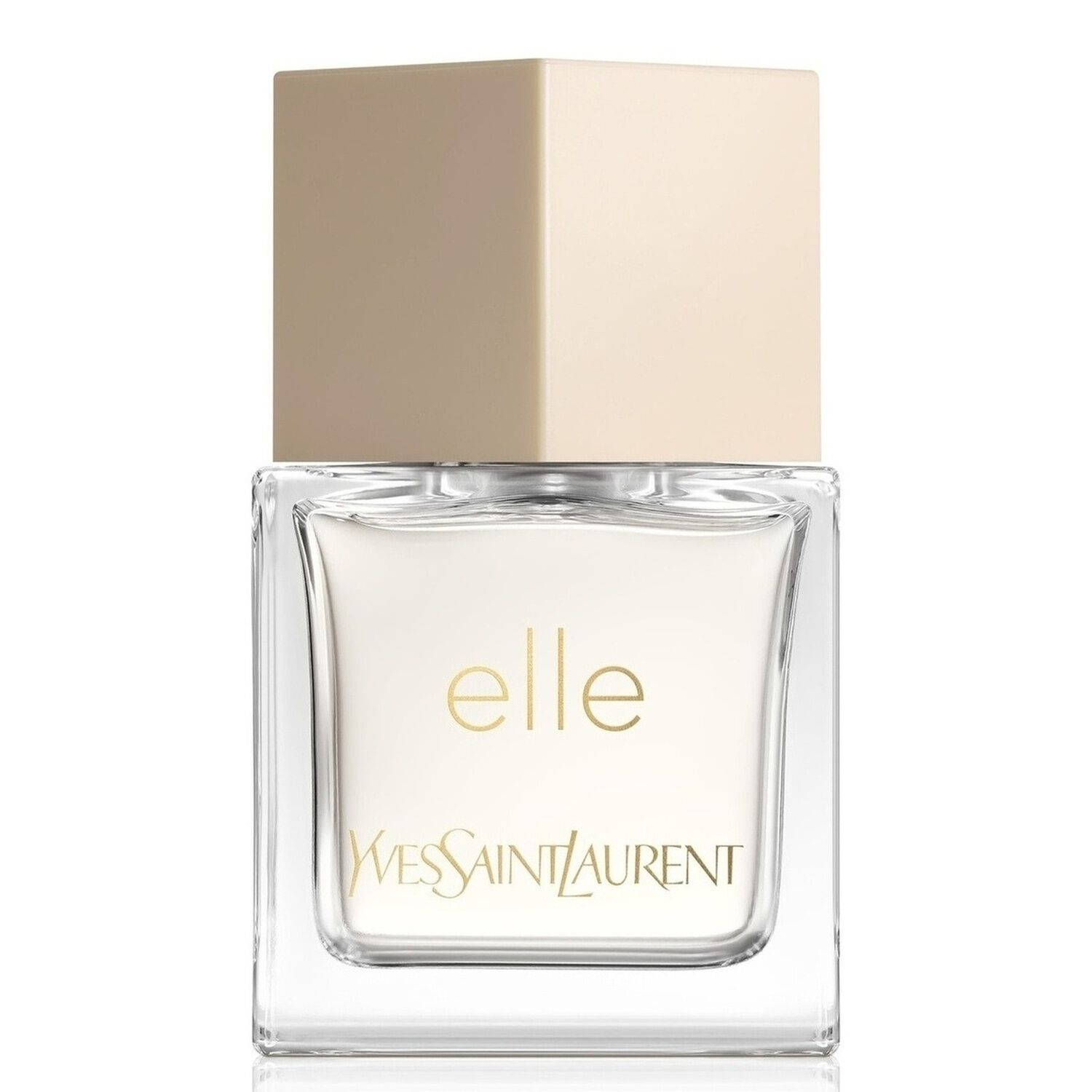
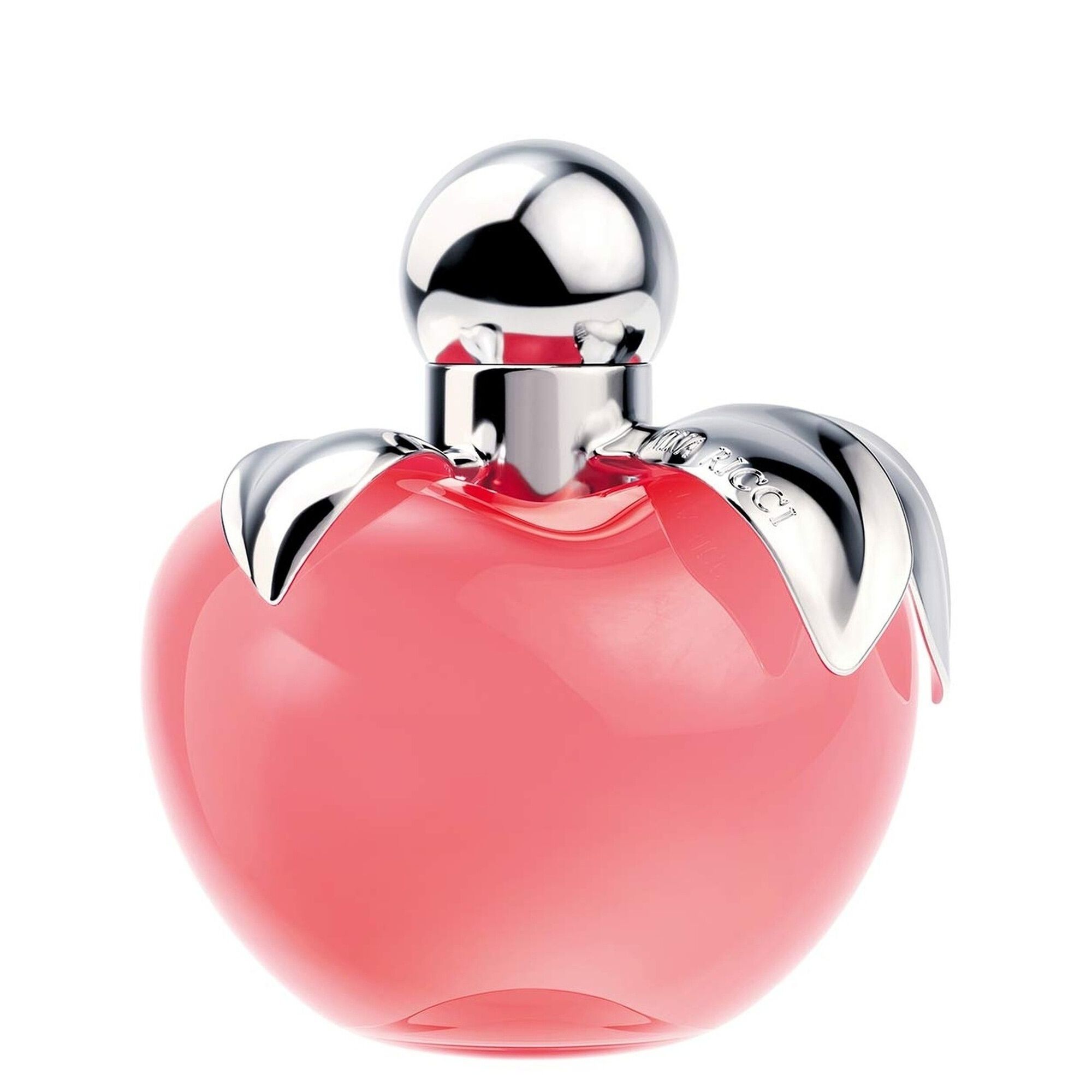
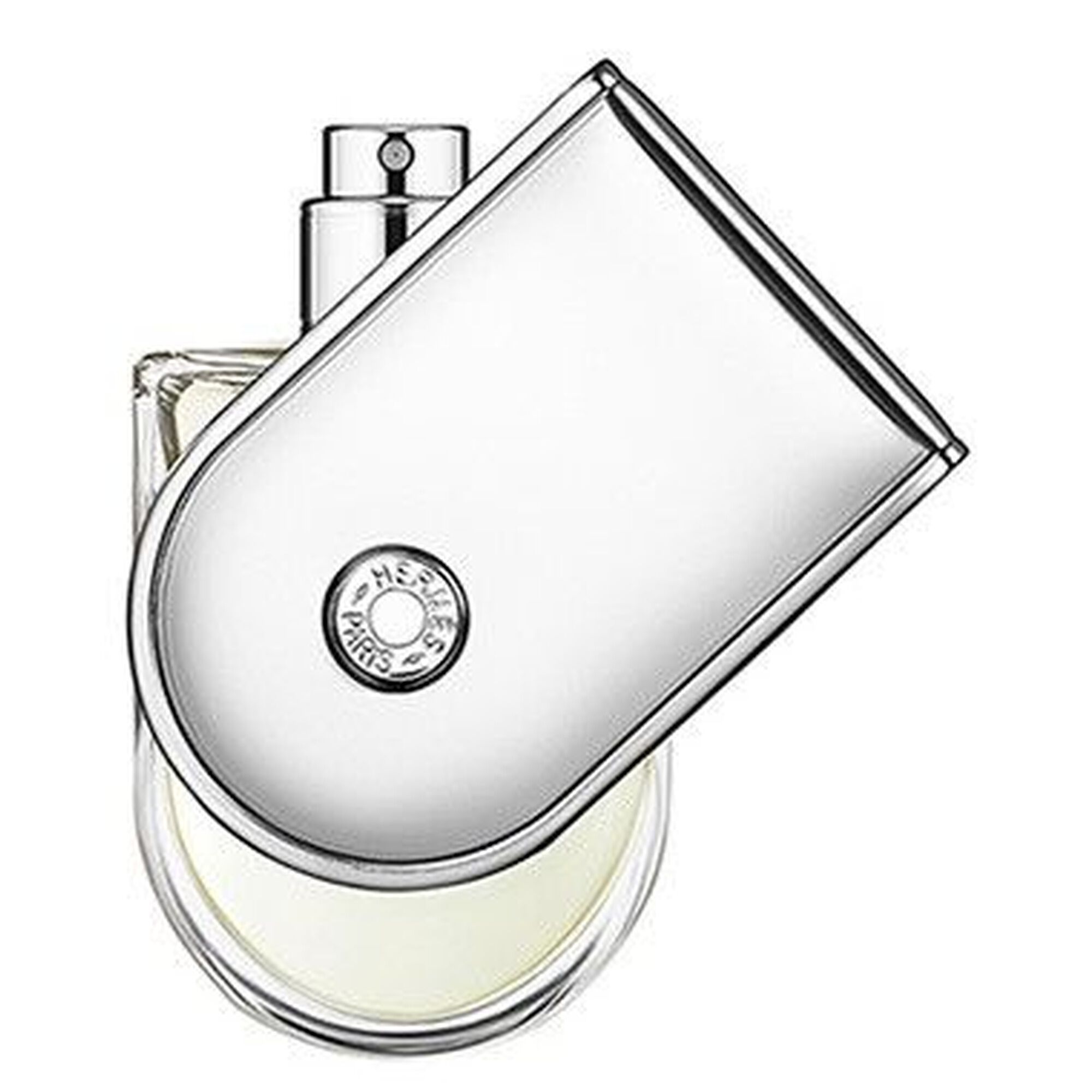
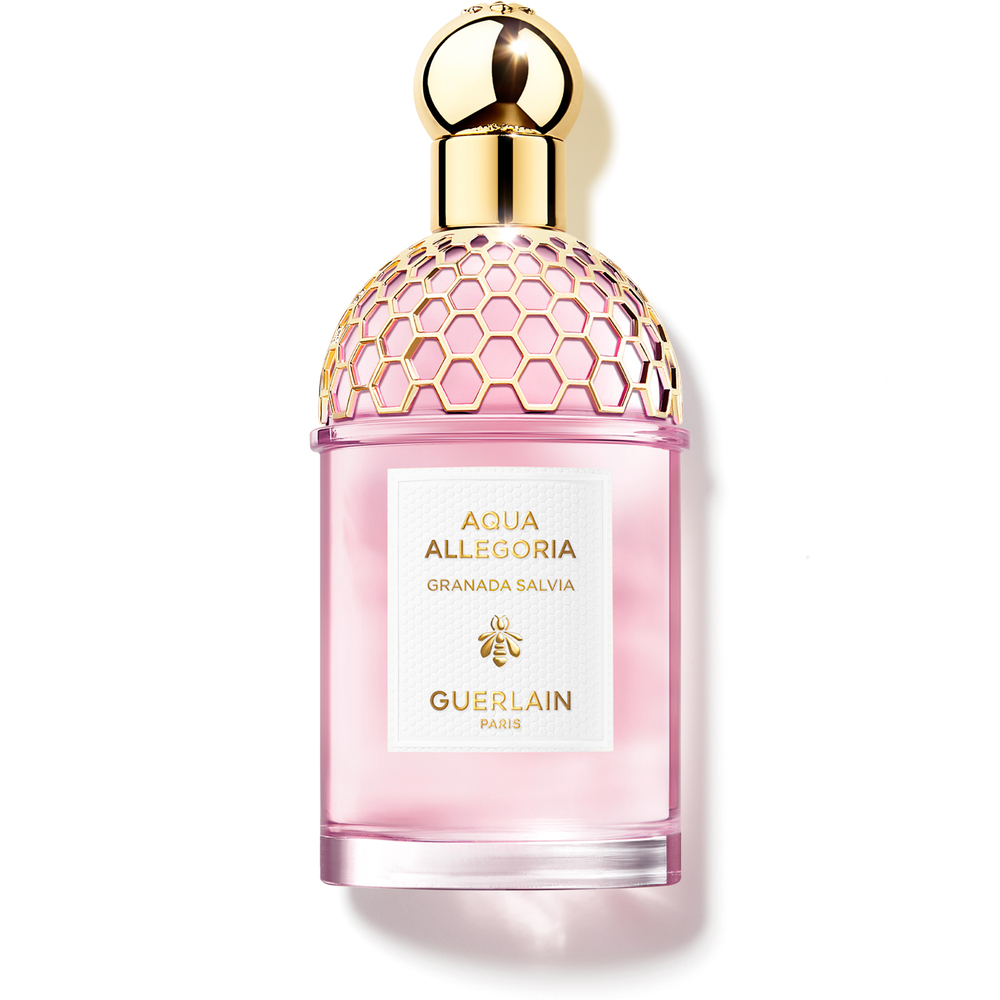
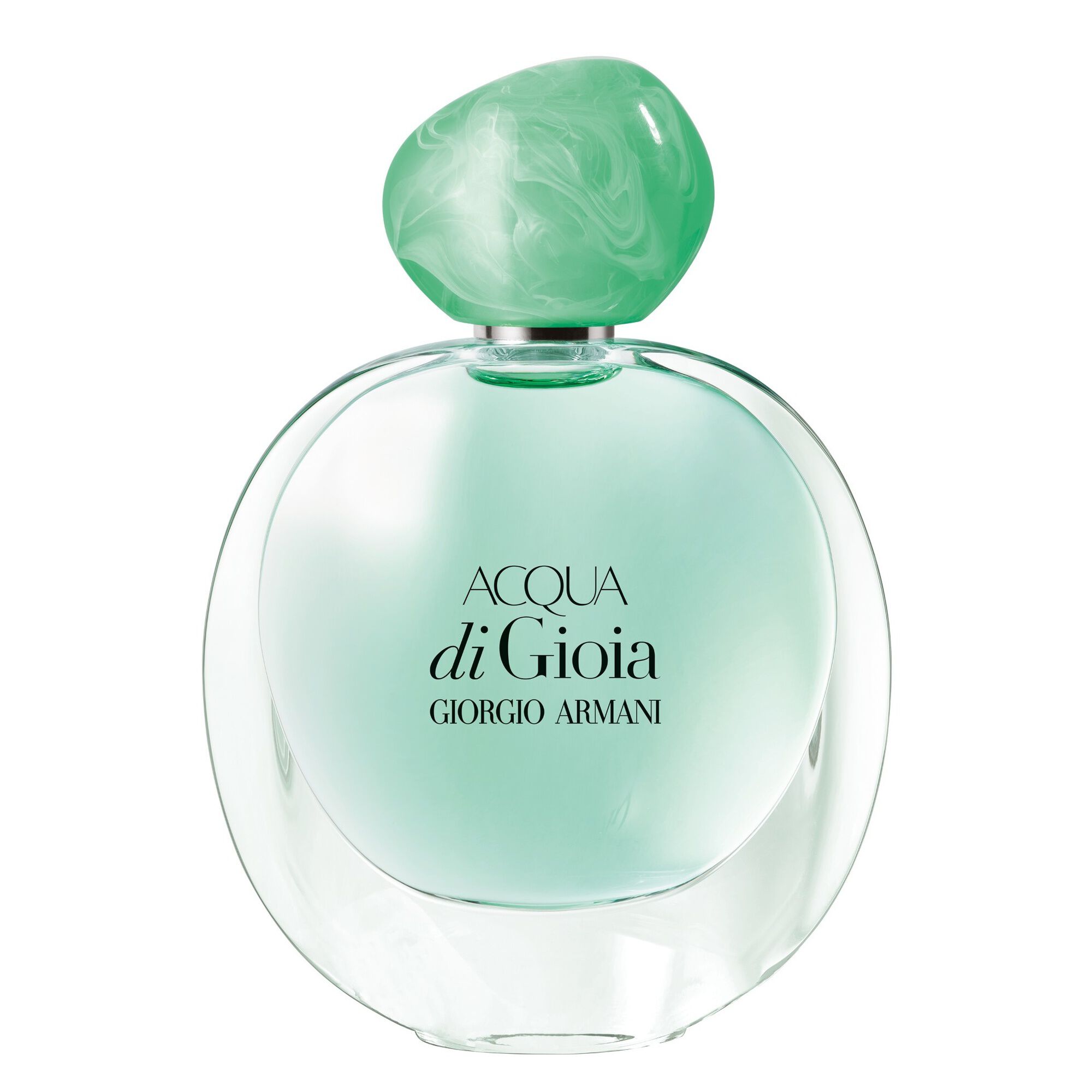
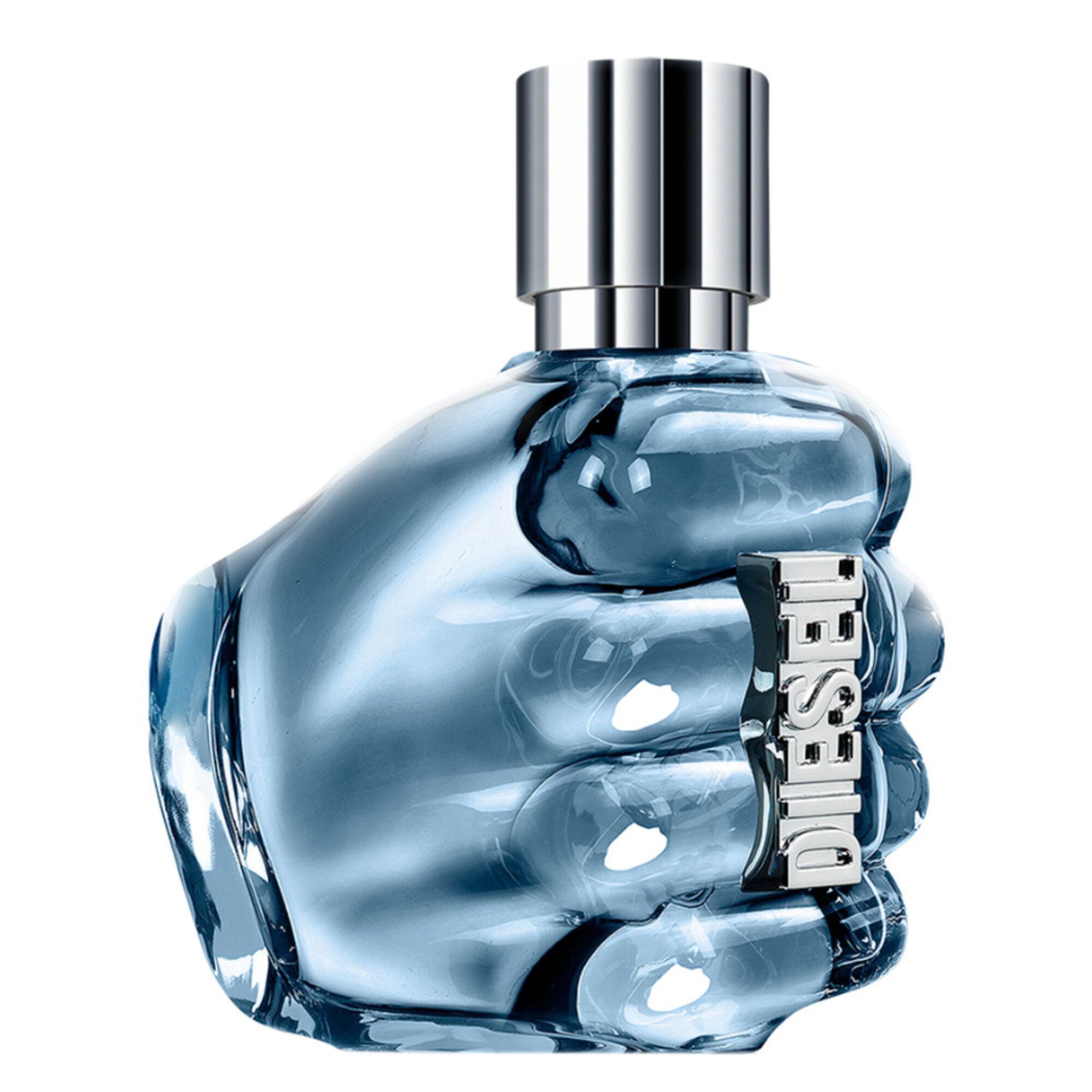
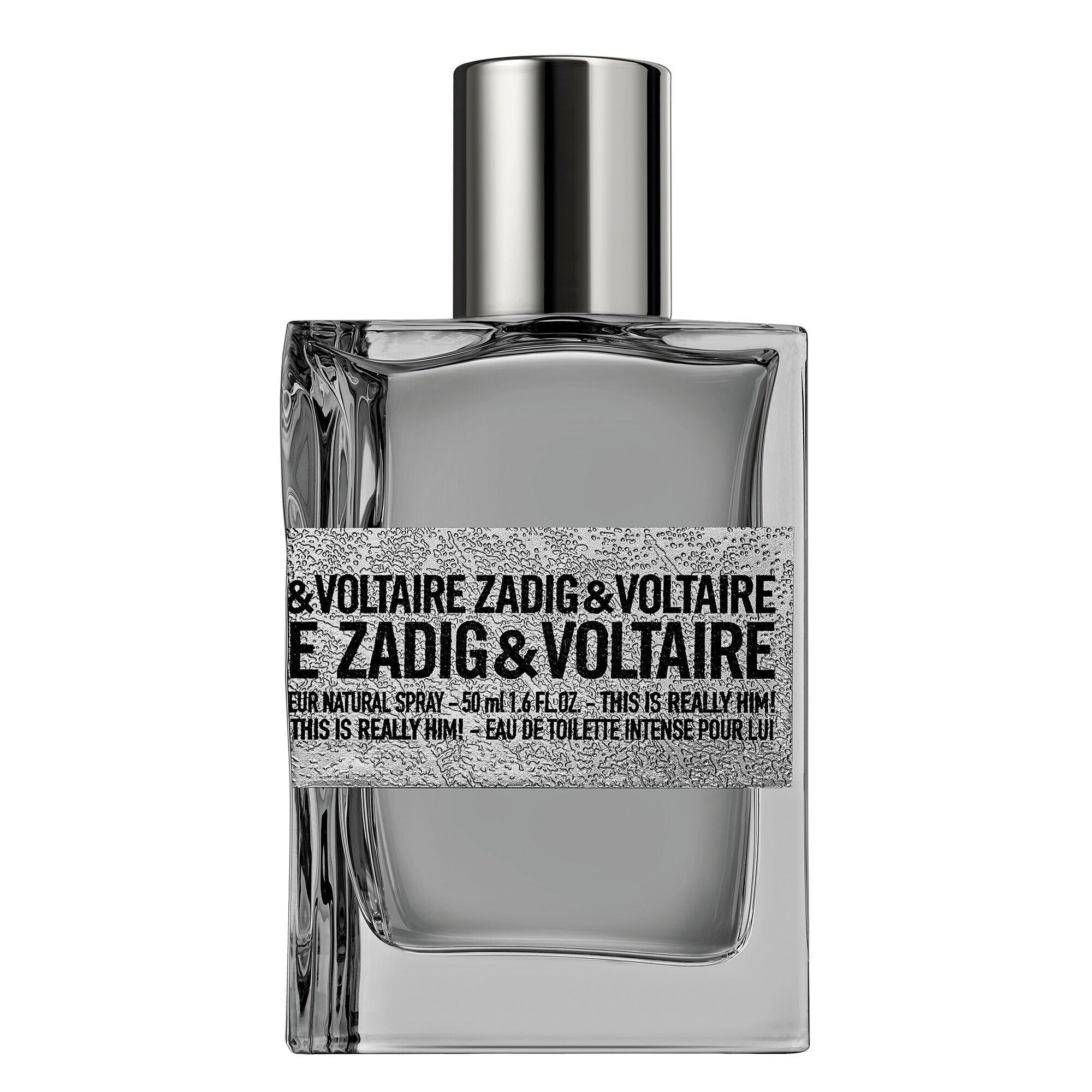
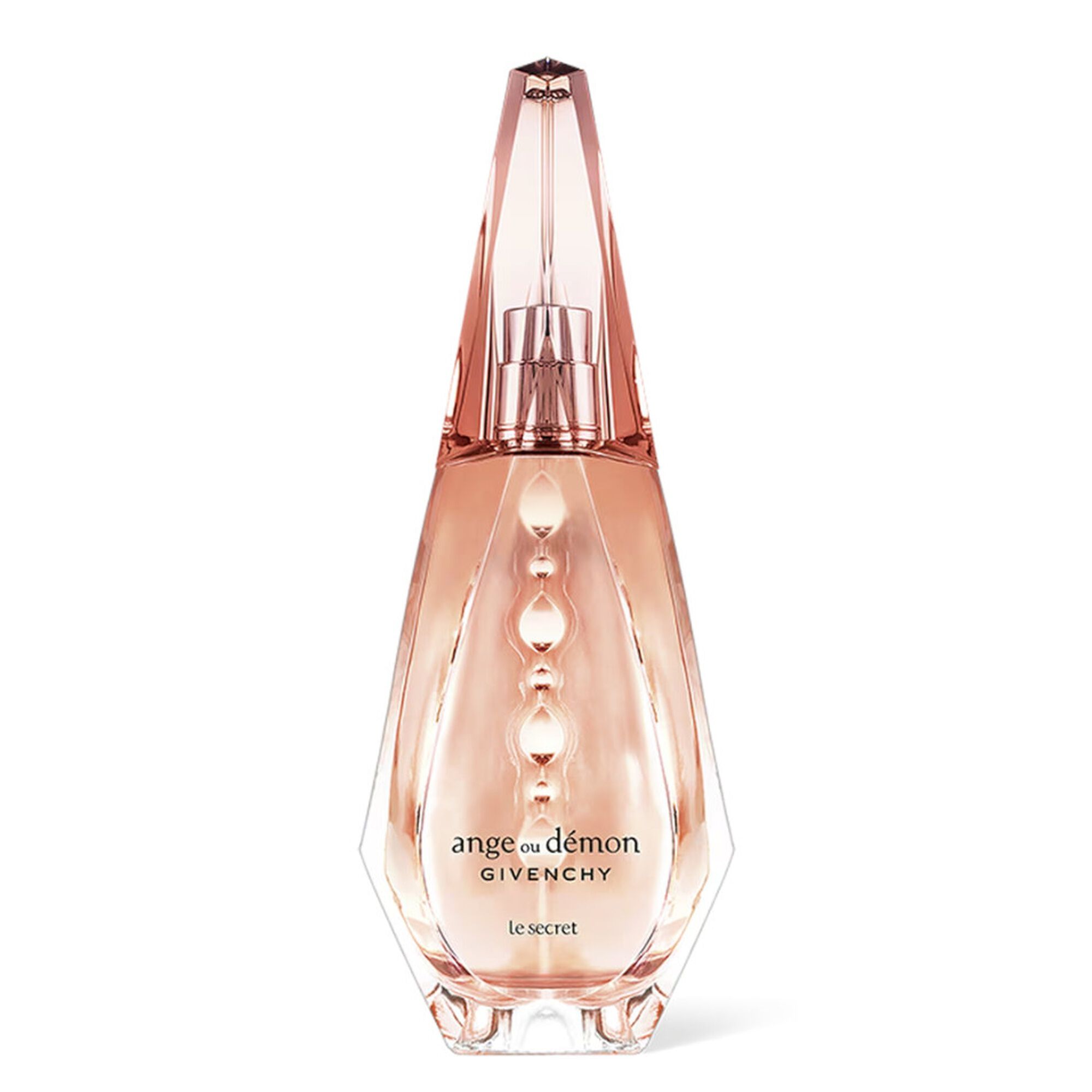
Which notes pair well with Amalfi lemon?
Amalfi lemon pairs naturally with fresh, floral and light woody families, offering a broad palette of accords.
With other citrus and hesperidic notes: bergamot, mandarin, grapefruit or yuzu reinforce the sun-drenched character and build openings that are both sparkling and coherent, typical of Mediterranean colognes.
With marine and aquatic notes: the accord produces a seaside sensation, evoking the iodine-rich air and light of the Gulf of Naples. This pairing is common in unisex summer fragrances.
With light florals: neroli, orange blossom or transparent jasmine extend the floral nuance already present in Amalfi lemon, creating a soft, luminous transition towards the heart of the parfum.
With Mediterranean aromatic herbs: rosemary, basil, thyme or lavender amplify the sun-drenched character and lend a green, almost culinary dimension, much appreciated in fresh masculine fragrances.
With light woods and musks: cedarwood, light vetiver or sandalwood provide the depth and longevity that the note lacks on its own. White musks act as amplifiers, extending the lemony freshness on the skin.
The Amalfi lemon — cedarwood — musk accord represents a classic and effective architecture for building a fragrance that is both airy and long-lasting.
Amalfi lemon for women, for men: how to choose?
Amalfi lemon is a fundamentally versatile note, without strict gender association, but its expression varies considerably depending on the olfactive context in which it appears.
In feminine compositions, it is often paired with floral hearts — rose, peony, neroli — or with light powdery notes. The effect sought is a delicate, luminous freshness that never tips into acidity. The sillage remains airy, sometimes slightly sweet, and suits particularly well skin that naturally warms floral materials. If you favour light, sun-drenched, feminine fragrances without heaviness, look towards an Amalfi lemon — white floral — musk accord.
In masculine compositions, the emphasis is on invigorating freshness and green or aromatic notes. The pairing with Mediterranean herbs, dry wood or ambergris produces a profile that is both energetic and subtle, ideal for a presence without ostentation. Mediterranean aquatic-style colognes are the most common territory for this expression.
For unisex fragrances, Amalfi lemon is one of the most widely used ingredients: its gender neutrality makes it an excellent starting point for contemporary, shared accords.
Testing tip: wear the fragrance for at least thirty minutes before deciding. The lemony top note fades quickly; it is the heart and base notes that reveal whether the parfum truly suits you. Apply to the wrist and compare at room temperature, away from artificial heat sources.
How to wear an Amalfi lemon parfum?
A parfum with a dominant Amalfi lemon note can be worn with great freedom, though a few guidelines help you make the most of it.
Seasons and occasions: Amalfi lemon is particularly at ease in spring and summer, when warmth activates the diffusion of hesperidic notes. In autumn and winter, favour compositions where the note is supported by woods or resins, so as not to see it fade too quickly in cold air.
Times of day: its luminous freshness makes it a daytime parfum par excellence — mornings, lunches, outdoor activities. In the evening, it can suit informal settings or summer dinners on a terrace.
Application tips: apply to pulse points — wrists, the hollow of the neck, the inner elbow — where body warmth aids diffusion. Avoid rubbing your wrists together after application: this breaks down the most delicate molecules. If you wish to layer fragrances, use Amalfi lemon as a base layer with a neutral body care product or a lightly fragranced lotion to extend longevity without creating dissonance.
Frequently asked questions
How long does an Amalfi lemon parfum last on the skin? Longevity varies according to concentration and base note accords, but the lemony top note itself generally lasts one to two hours. The complete fragrance, if well built with woods or musks, can extend to four to six hours. Dry skin types hold hesperidic notes less well.
What is the difference between Amalfi lemon and bergamot in perfumery? Bergamot is more floral and slightly bitter, with an almost peppery facet that sets it apart. Amalfi lemon is more direct, juicier and more sun-drenched, with a natural softness. Both are hesperidic, but bergamot brings greater aromatic complexity, while Amalfi lemon relies on sheer luminosity.
Which season is best for wearing a parfum with the Amalfi lemon note? Spring and summer are the ideal seasons: warmth amplifies the diffusion of hesperidic notes and reveals their sun-drenched character. In winter, look towards compositions where the note is anchored in woods or resins to offset the citrus's natural volatility in cold air.
Does Amalfi lemon suit all types of people? This note appeals above all to those who appreciate fresh, luminous and understated fragrances. It suits people seeking subtlety and lightness rather than a powerful sillage. Lovers of oriental or heavily woody fragrances will appreciate it more as an opening note than as a central theme.