

Perfume with an oak note: buying guide and best perfumes 2026
The oak note in perfumery evokes woodland mousse, damp earth and a slight vegetal sharpness inherited from the forest. It suits both women and men seeking a woody signature with character. This guide helps you understand this note, place it within the great fragrance accords, and choose the flacon that suits you, whatever your budget.
The oak note in perfumery: what is it?
The oak note in perfumery refers to an olfactory accord that evokes the tree itself: its bark, its dense wood, and above all the mousse that grows at its base. It is not a single raw material but rather an aromatic profile built from several natural and synthetic ingredients.
A forest origin
The scent we associate with oak comes largely from oakmoss (Evernia prunastri), a lichen collected from oak branches in the Mediterranean basin. Long used raw in chypre and fougere accords, its use is now regulated by IFRA guidelines due to its allergenic potential. Perfumers now often work with purified fractions or molecular reconstructions that capture its essence: an earthy, woody, slightly musky and vegetal accord.
Its olfactory facets
Depending on the treatment used, the oak note can present itself as:
- Fresh and green: evoking bark wet after the rain;
- Dry and woody: close to cedar or vetiver, with a slight bitterness;
- Earthy and musky: grounded, almost animalic, lending depth.
Its place in the fragrance pyramid
Oak most often occupies a base note position, sometimes a heart note. It doesn't evaporate quickly; it settles in, lasts and leaves an imprint. It is precisely this foundational role that makes it a prized ingredient in chypre, aromatic woody and fougere families.
Which notes does it pair with?
Oak naturally pairs with bergamot (to open it up), patchouli (to thicken it), vetiver (to ground it in the earth), iris (to add powderiness) and white floral notes such as lily or neroli to soften it. It also blends beautifully with soft spices—turmeric, pepper—which enhance its characteristic dryness.
What are the best oak-note perfumes?
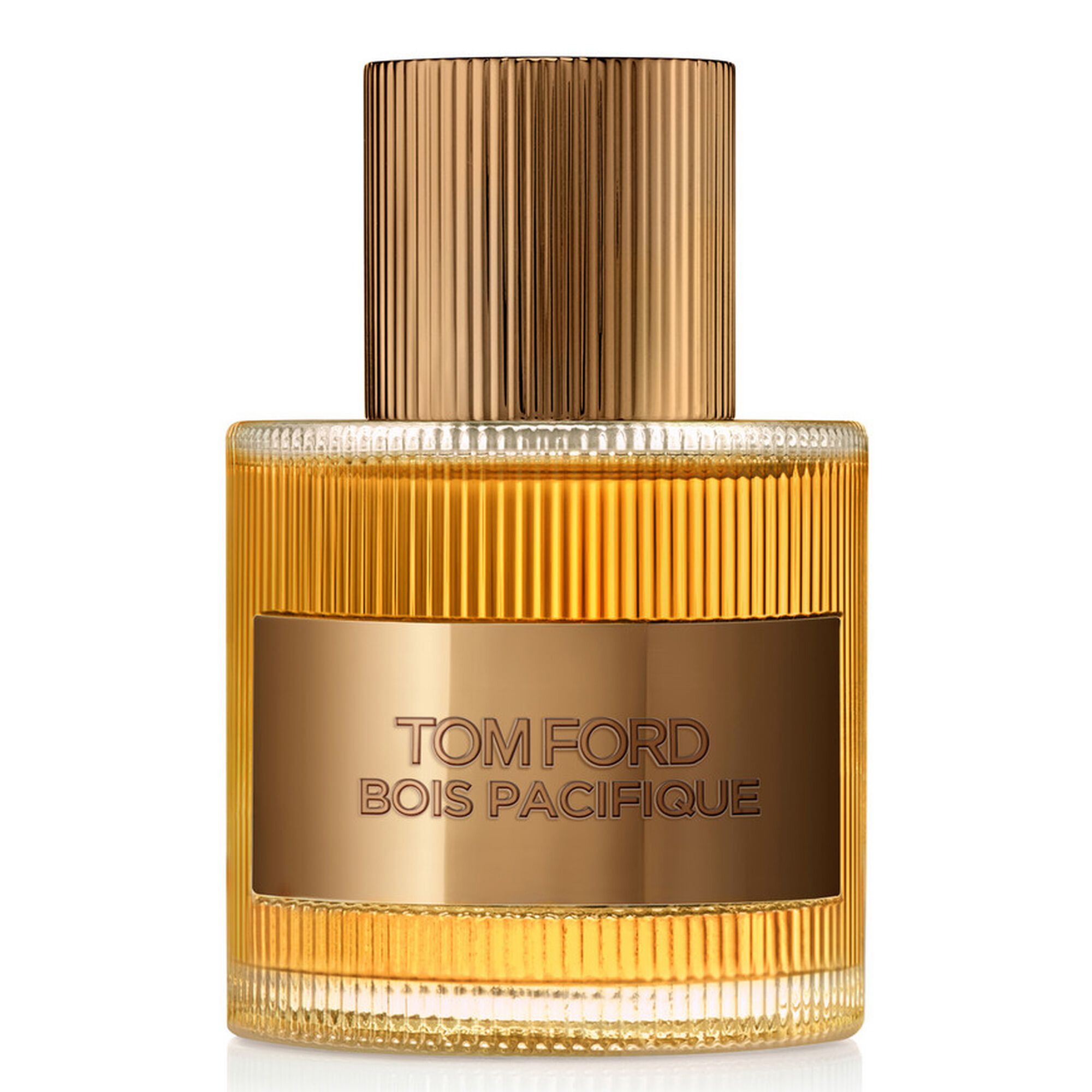
Our selection brings together oak-note perfumes available at Tendance Parfums, from 11 EUR to 109,50 EUR. Each product featured has been chosen on the basis of verified reviews left by our customers and actual sales recorded over the past twelve months in our shop. You'll find classic chypres as well as modern aromatic woody fragrances, formulas for women, for men, and unisex creations—so you're sure to find your oak accord, whatever your olfactory sensibility.

Our favourites, reviewed
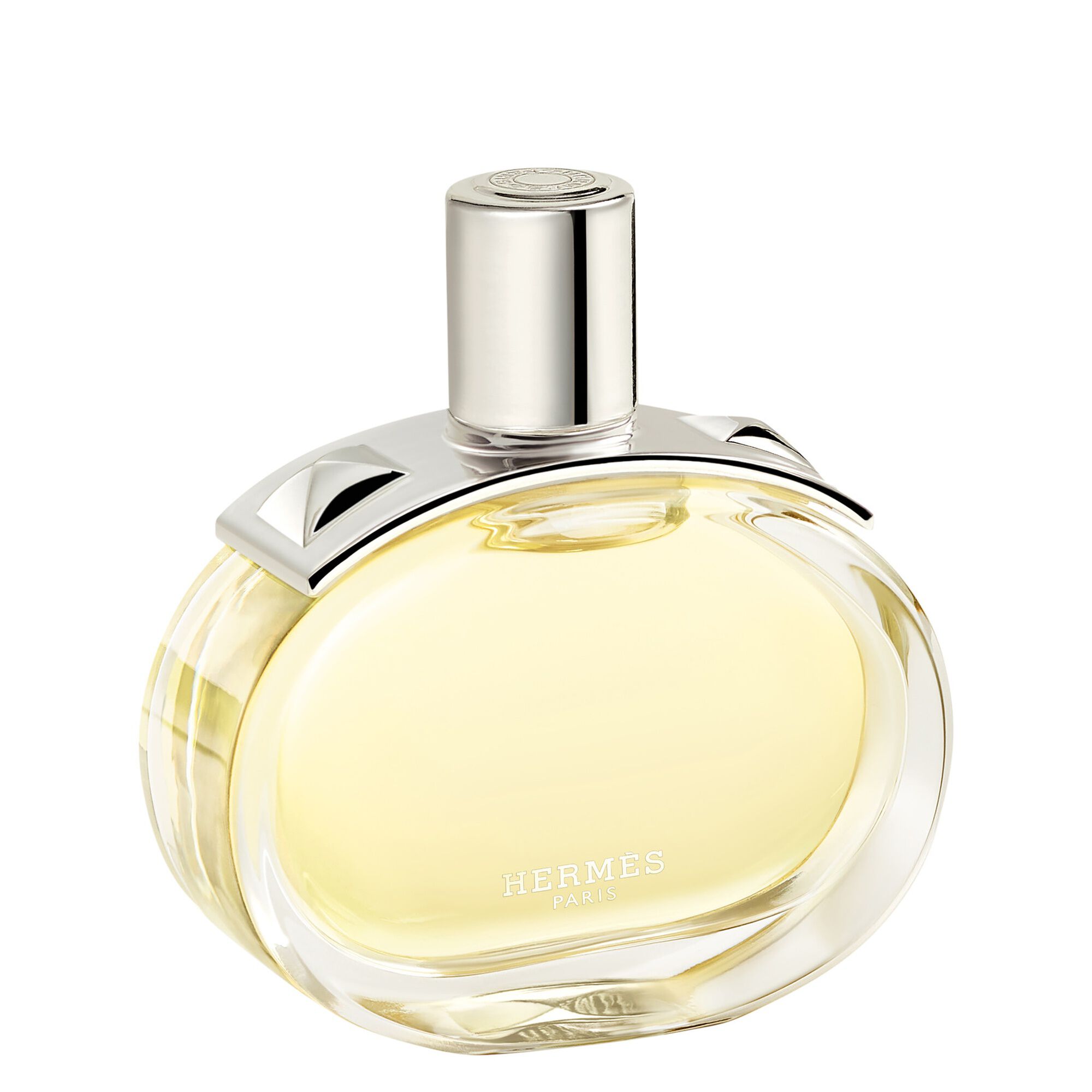
HERMÈS Barénia (eau de parfum) — With 93 sales in twelve months and an average rating of 4.25/5 across 12 verified reviews, Barénia is the most popular oak perfume in our catalogue. Its chypre accord brings together bergamot, white lily with ginger and patchouli around a silky, warm oak. Our customers confirm it: "perfect, true to the fragrance smelled in-store". A classic, accessible at 56 EUR.
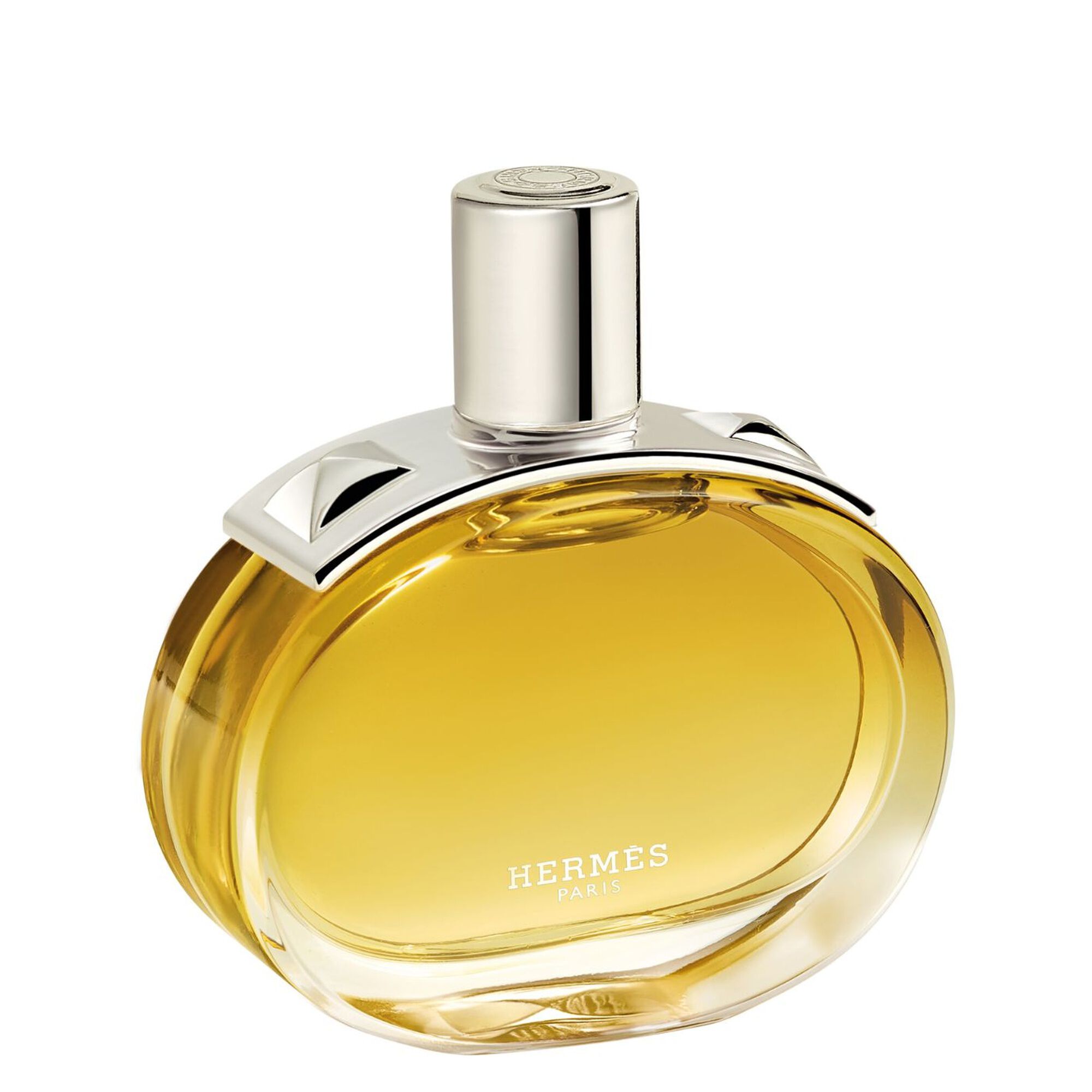
HERMÈS Barénia Intense (eau de parfum) — The intensified version boasts a perfect 5/5 across 4 reviews and 71 annual sales. The olfactory profile stays faithful to the original—bergamot, oak, Akigalawood, patchouli—but with a more assertive presence in the base. "Captivating parfum, subtle, I love it.", sums up one customer. At 58,50 EUR, the price difference with the standard EDP is justified by noticeably longer longevity.
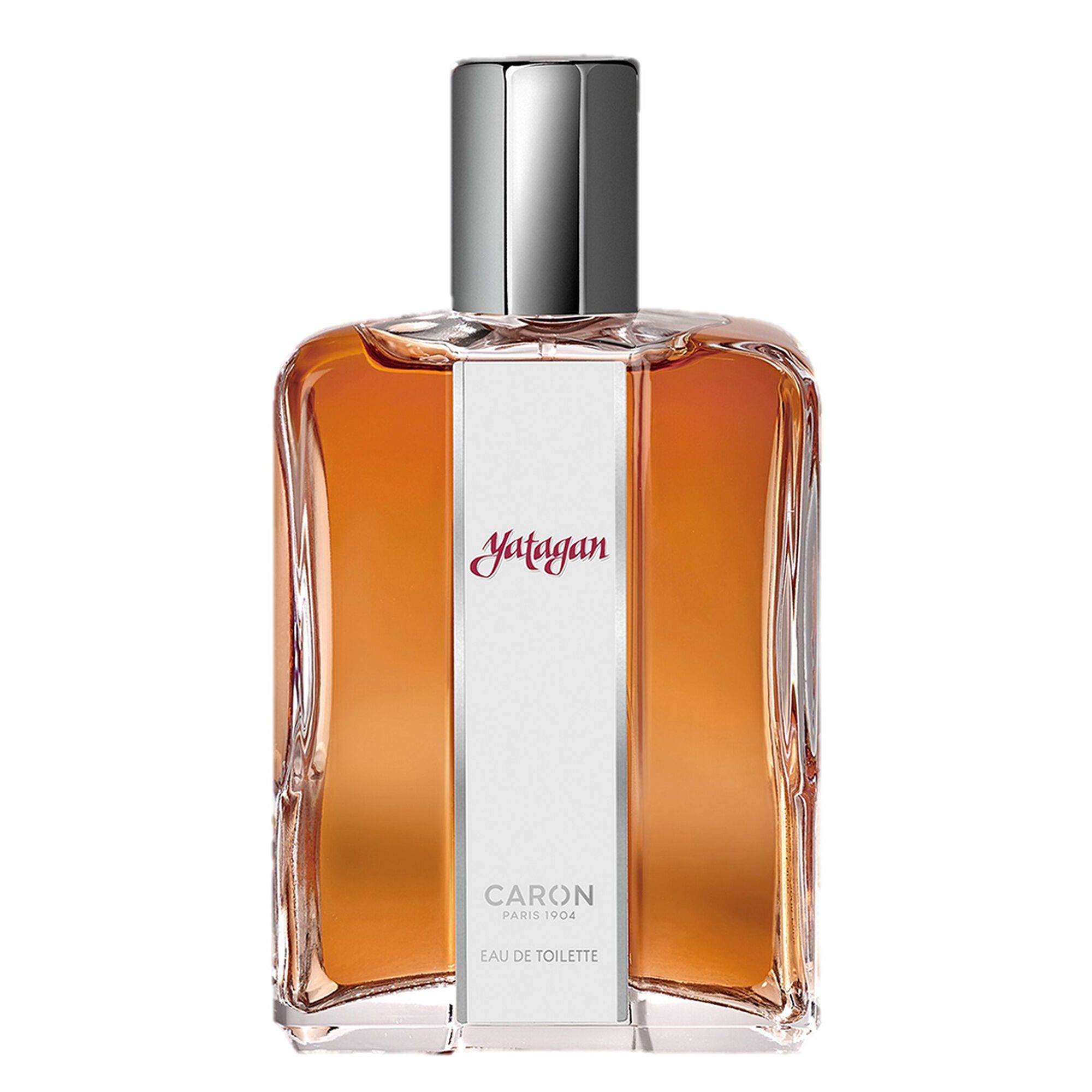
Caron Yatagan — A rating of 4.75/5 from 8 verified reviews: Yatagan is the most characterful oak in the selection. Created in 1976, this green aromatic fougere combines oak, galbanum and watercress in a radical forest accord. One customer writes: "All my friends will be able to tell me again that Yatagan is 'you'". Assertive, true to itself for decades. At 79 EUR.
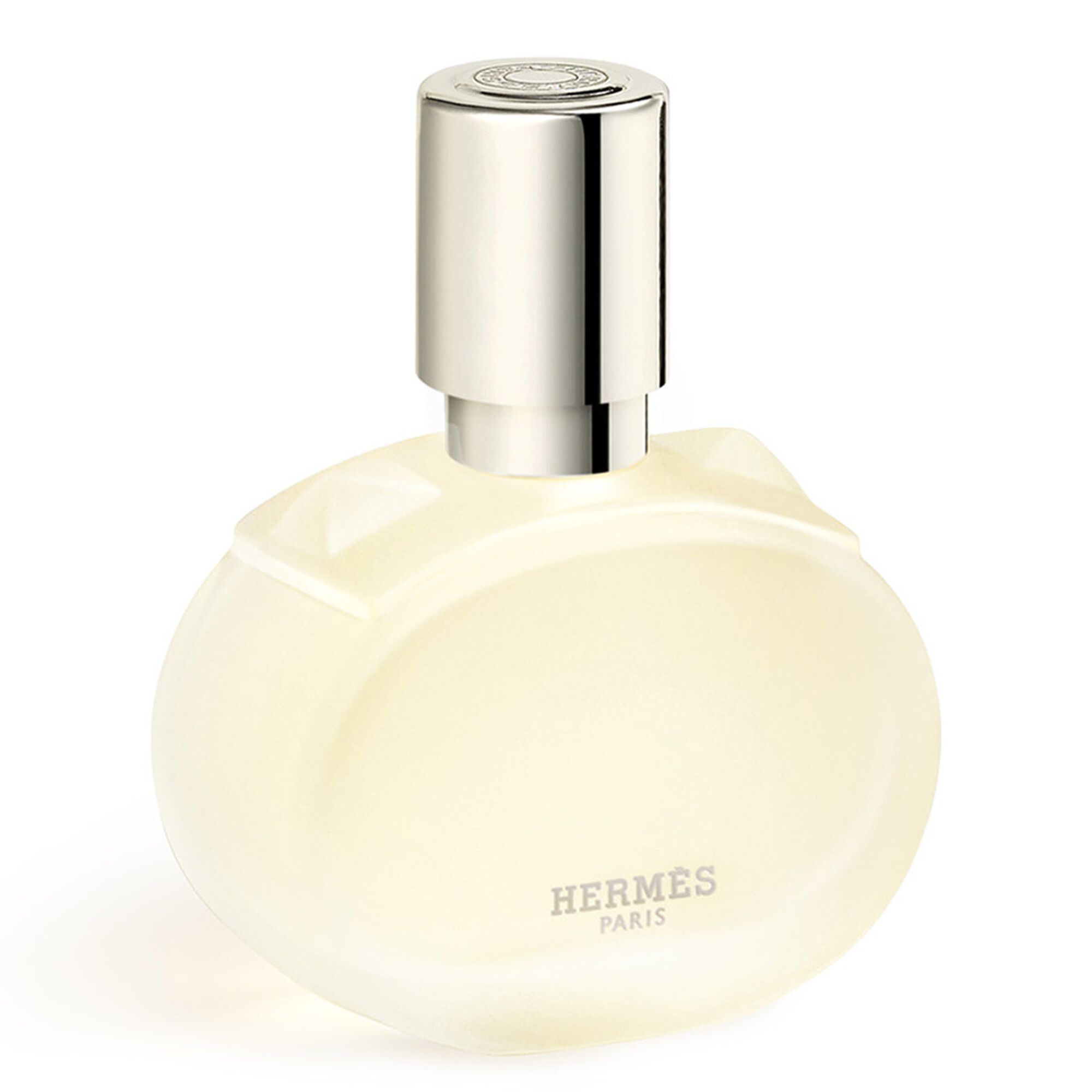
HERMÈS Barénia Brume Cheveux — Thirteen sales and a 5/5 rating: this hair mist format shares the same signature as the EDP (bergamot, oak, patchouli) but with a soft diffusion, ideal for getting acquainted with the oak note without overwhelming intensity. At 37,50 EUR, it's also the most affordable entry point into the Barénia universe.
Oak for women, for men: how to choose?
The oak note belongs to neither gender: its expressiveness shifts according to the notes surrounding it.
For a feminine interpretation
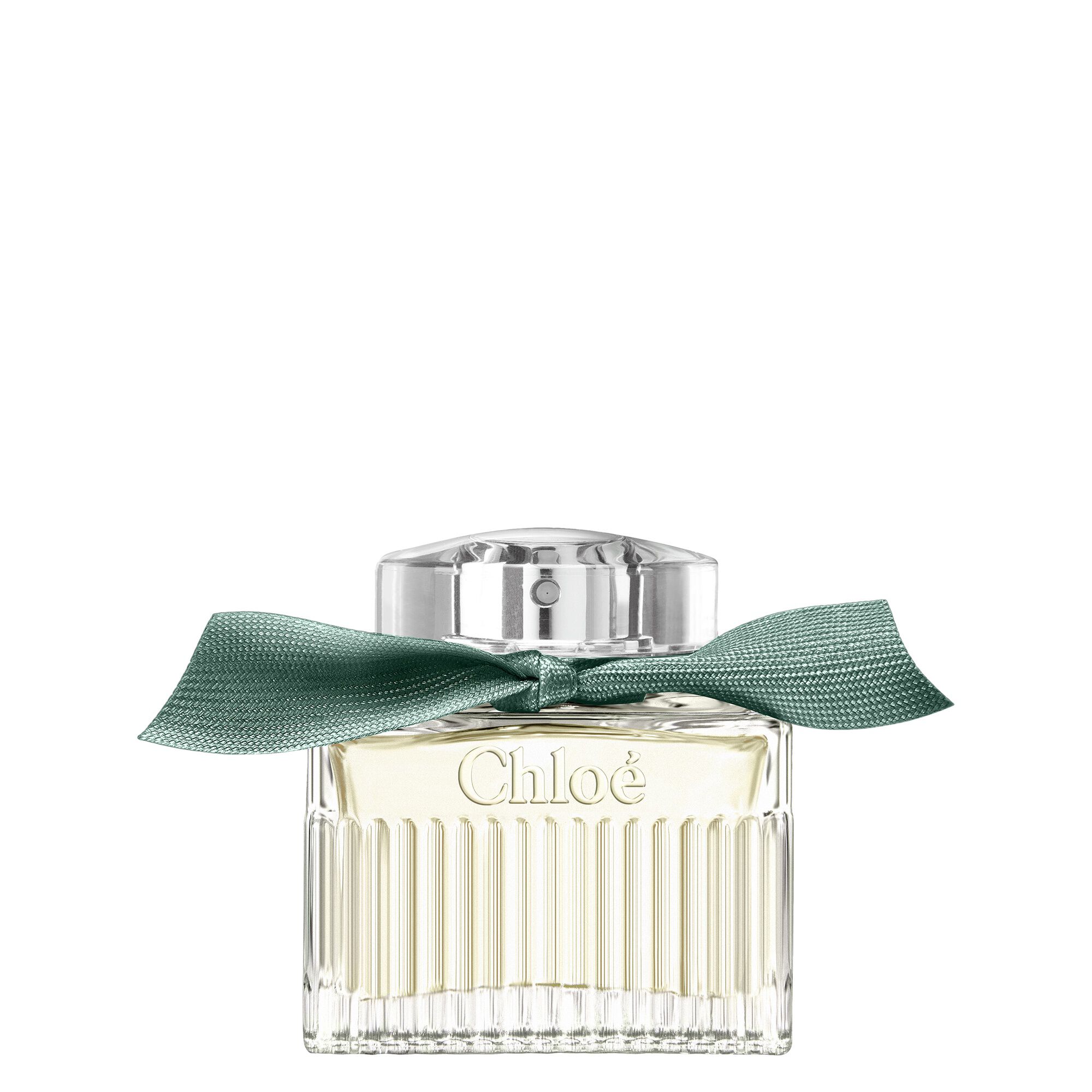
In perfumes designed for women, oak is generally softened and lifted by florals (lily, neroli, rose) or fruity and citrus notes. It brings longevity and character without weighing down the composition. Chloé Rose Naturelle Intense, for example, plays on this balance: the oak supports a delicate floral heart note without smothering it. These perfumes are particularly well suited to autumn and winter, though a light dosage can quite happily accompany spring evenings.
For a masculine interpretation
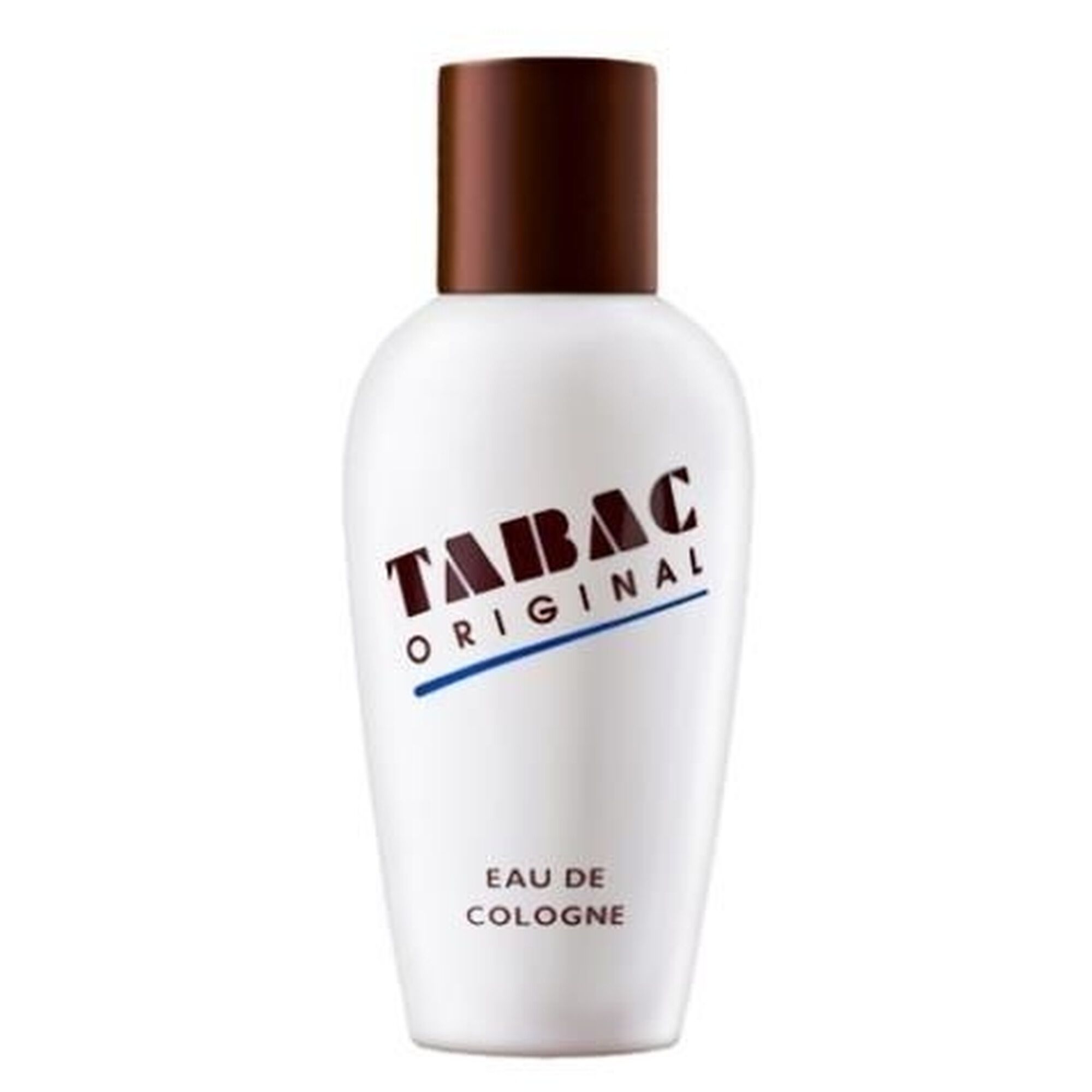
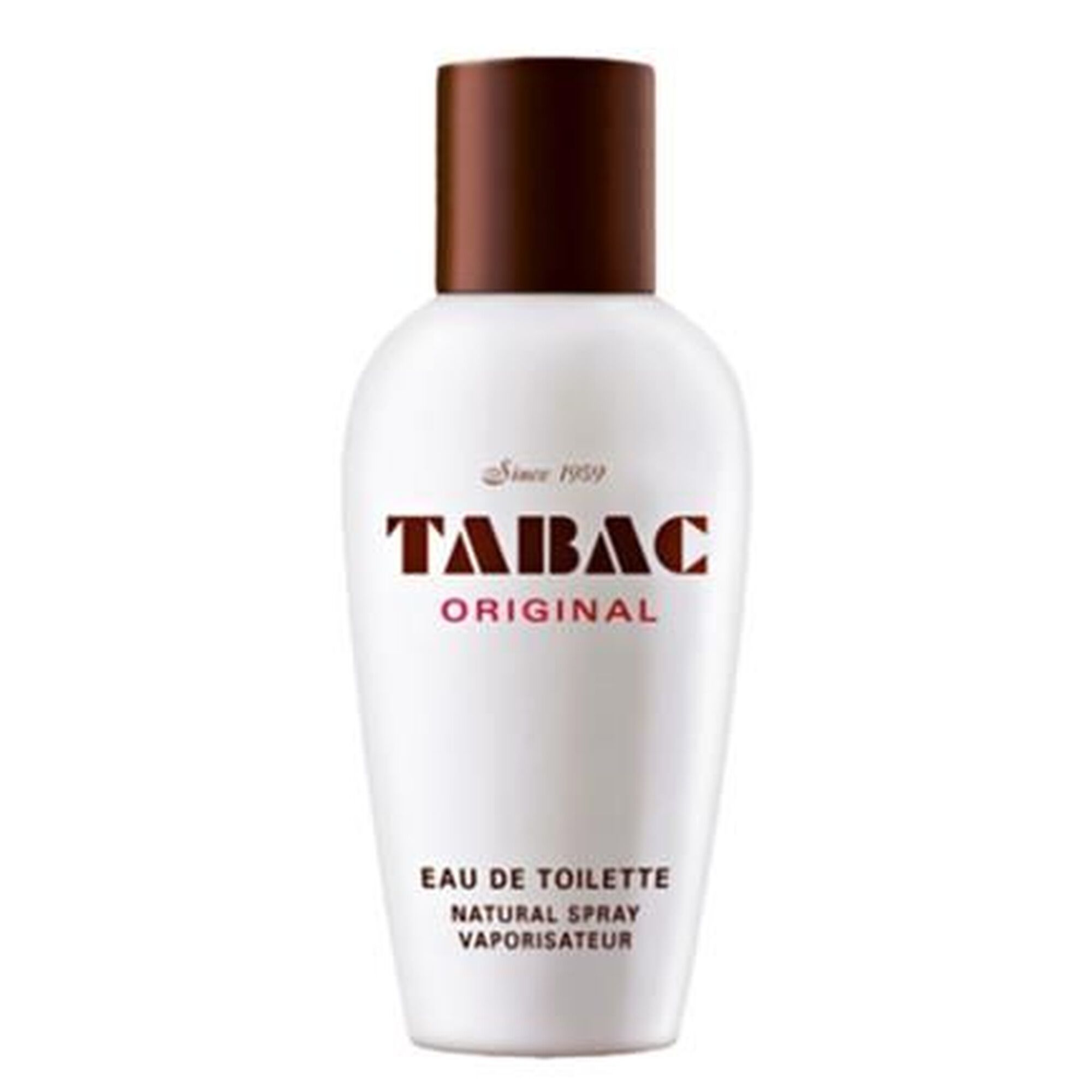
Oak takes on a bolder dimension in men's fragrances: it is often paired with green aromatic notes (galbanum, watercress, chamomile) or spices (pepper, turmeric). The result is a drier, earthier sillage, sometimes slightly bitter. Perfumes such as Caron Yatagan or Tabac Original illustrate this direct approach: an assertive forest, with no compromise. These formulas are tailored for cool days, formal settings or evening wear.
For a unisex approach
The chypre family—Hermès Barénia is a good example in our catalogue—reconciles both: the oak here is structuring but never aggressive, suited to feminine and masculine skin alike.
Practical tips for testing
- Test an oak-note perfume at the end of the day: accumulated body warmth better reveals the base notes.
- Wait 30 minutes before judging: oak unfolds gradually.
- If an accord feels too sharp when first applied, try it in a mist version or an eau de toilette concentration, whose projection is lighter.
The Tendance Parfums figures
What our own online perfumery data tells us about the oak note—figures you won't find anywhere else:
- 12 perfumes with an oak note available in our catalogue, from 11 EUR to 138 EUR (core range 38-79 EUR).
- The best-seller among our customers over the past 12 months: HERMÈS Barénia (93 sales).
- Average rating of our selection: 4.4/5 across 35 verified customer reviews.
- Prices and stock updated continuously; free delivery from 59 EUR of purchases.
Frequently asked questions
Is there an affordable Chloé perfume with an oak note? Yes: Chloé Rose Naturelle Intense is available at 50 EUR in our catalogue. It pairs oak with notes of neroli, sandalwood and bergamot for a soft floral-woody result. It's one of the most accessible entry points among the Chloé perfumes available at Tendance Parfums.
Is the oak note mainly reserved for men's perfumes? No, the oak note adapts to both. In women's perfumes, it's often surrounded by florals or citrus notes that soften it. In men's fragrances, it expresses itself in a drier, more aromatic way. Unisex perfumes such as Hermès Barénia show that it suits feminine and masculine skin alike.
In which season should you wear an oak-note perfume? Oak-note perfumes are particularly flattering in autumn and winter, when body warmth brings out their woody, earthy accords. In summer, opt for a lighter concentration (eau de toilette or mist) or a more airy oak-floral accord to stay comfortable in warm weather.
What is the difference between the oak note and the vetiver note? Vetiver is extracted from the roots of a grass and offers an earthy, smoky and slightly herbaceous accord. Oak, meanwhile, evokes damp bark, vegetal mousse and a slight forest sharpness more closely. Both are long-lasting base notes, but oak is more vegetal and woody, while vetiver is more earthy and smoky.
How long does an oak-note perfume last on the skin? Being mainly a base note, oak contributes to a composition's longevity. An eau de parfum with a dominant oak note generally lasts between 6 and 10 hours depending on the formulation and the warmth of the skin. Intensified versions, such as Hermès Barénia Intense, offer even greater longevity thanks to a higher concentration of raw materials.