
Brazilian Rosewood perfume: buying guide and best fragrances 2026
Brazilian rosewood is a soft, woody-floral note, slightly powdery, drawn from the bark of the Aniba rosaeodora, a tree native to the Amazon. Rich in linalool, it brings warmth and roundness to a fragrance without weighing down its silhouette. It appeals to both women and men, blending into floral, oriental or chypre compositions. This guide will help you understand this note and choose the flacon that suits you from our selection.
The Brazilian rosewood note in perfumery: what is it?
In perfumery, Brazilian rosewood refers to the olfactory note obtained from the wood of Aniba rosaeodora, a tropical tree native to the Amazon basin, mainly found in Brazil and Guyana. The essence is extracted through steam distillation of shavings from its bark and wood. Its main component, linalool, gives it a profile that is at once woody, subtly floral and gently spicy, with an almost powdery softness.
Its olfactory facets unfold across three main registers:
- Soft woody: a tender warmth, never dry or coarse, evoking polished wood rather than raw forest.
- Subtle floral: a rosy, slightly milky side, without reaching the intensity of a true rose.
- Lightly spicy: a fine touch that occasionally recalls cardamom or pink pepper in the background.
Position in the fragrance pyramid: Brazilian rosewood is mainly used as a heart note, where it provides the transition between fresh or citrus top notes and woody or oriental base notes. It can also appear as a base note in lighter compositions, lending a soft, clean longevity.
Natural accords: this note pairs remarkably well with geranium, ylang-ylang, rose, orange blossom and gardenia on the floral side; with patchouli, tonka bean and vanilla on the oriental side; and with coriander and basil for more herbaceous nuances. It often acts as a bridge between raw materials of different natures, which explains its presence across fragrance families as varied as floral, chypre and woody oriental.
Not to be confused with sandalwood or Cedarwood: Brazilian rosewood is noticeably more floral and less dry than these two notes, and much softer than vetiver or guaiac wood.
What are the best perfumes featuring Brazilian rosewood?
Our selection of Brazilian rosewood perfumes brings together 10 references from our catalogue of 26 flacons, priced from 27 EUR to 104 EUR. Each product was chosen based on actual sales recorded at Tendance Parfums over the past twelve months and verified customer reviews. Below you will find classics of French and international perfumery, formulas for both women and men, at accessible or premium price points.
Our featured picks, reviewed
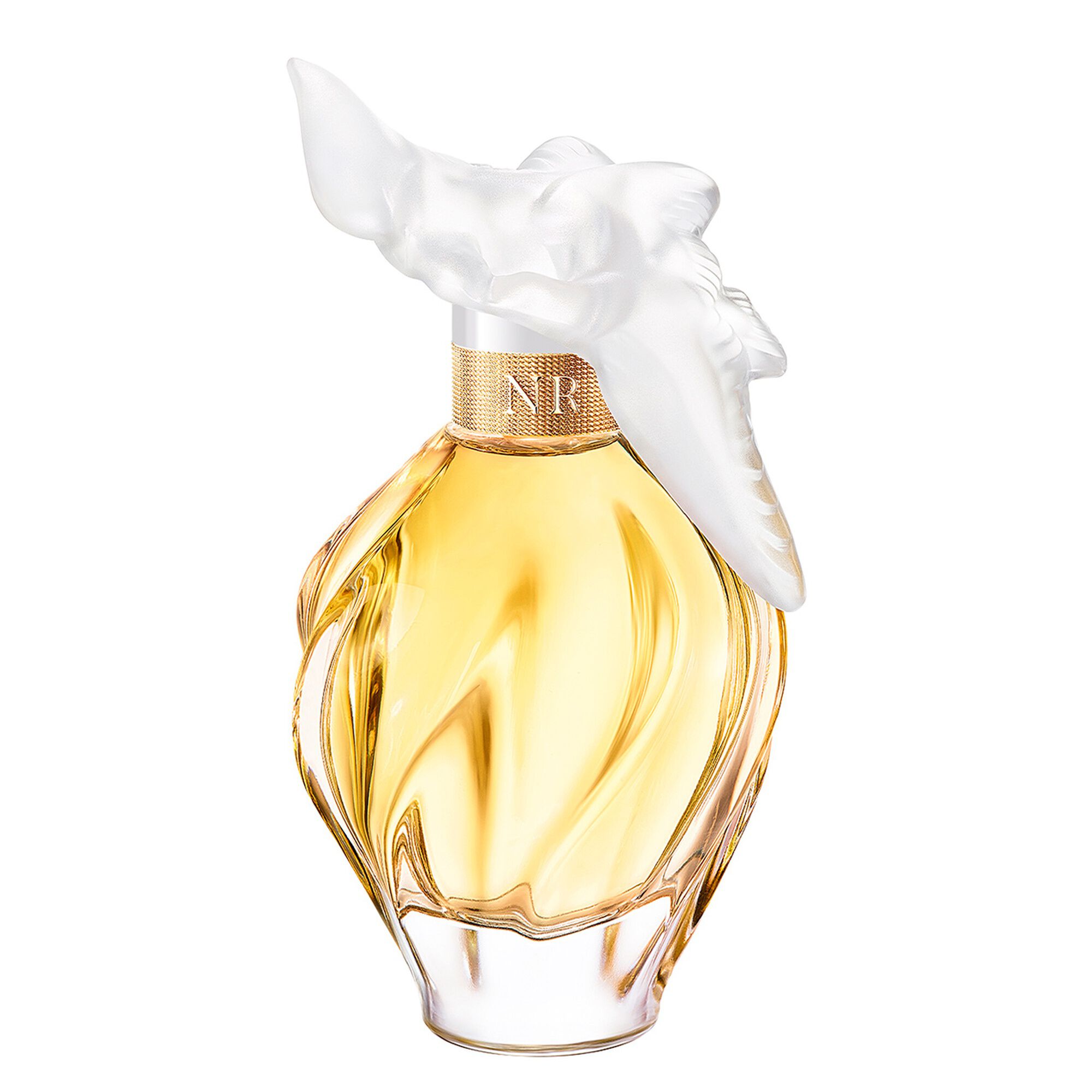
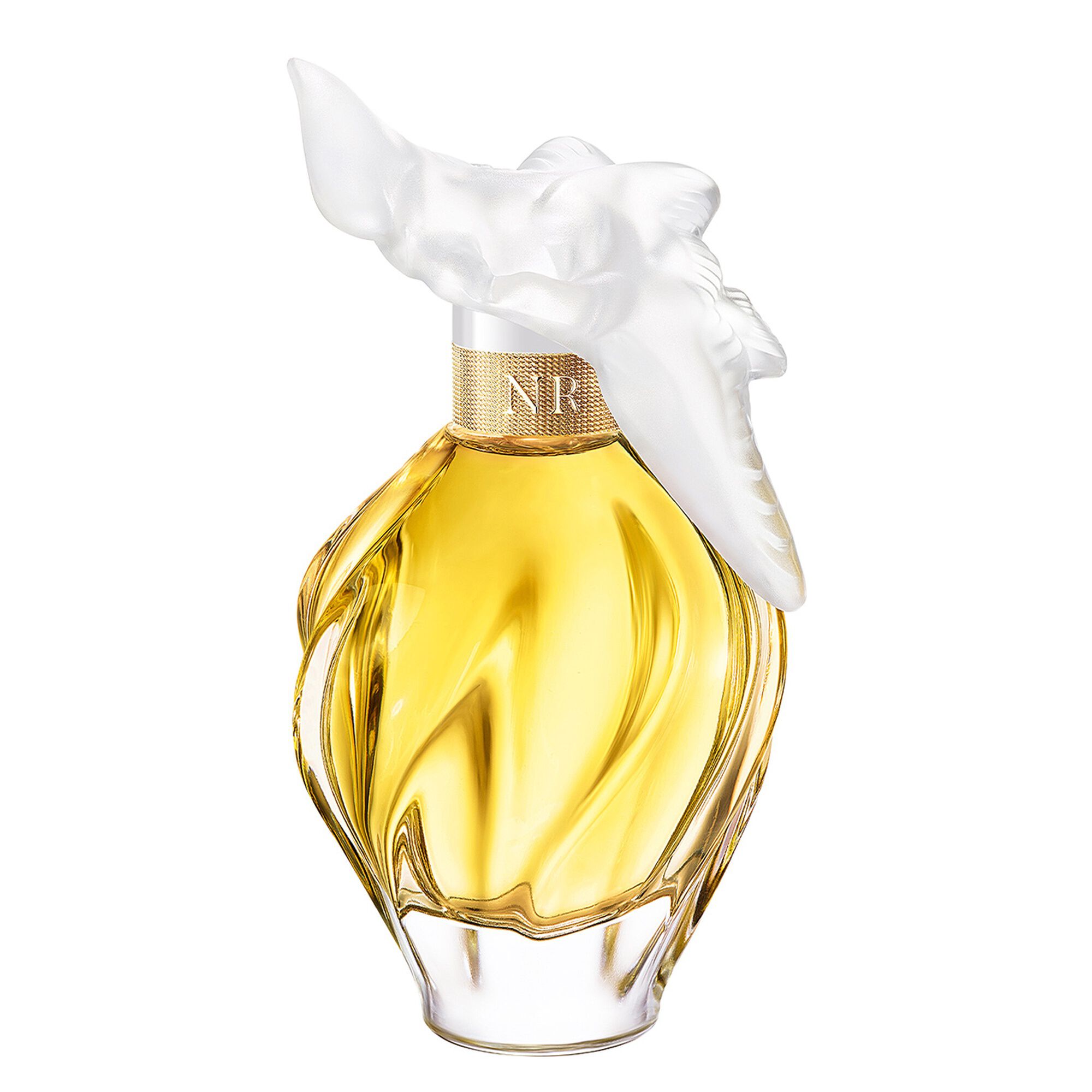
Nina Ricci L'Air du Temps EDT — With 207 sales over twelve months and a rating of 4.89/5 across 66 verified reviews, this is the most popular Brazilian rosewood perfume in our catalogue. Its classic floral accord — rosewood, gardenia, ylang-ylang and rose — remains remarkably coherent. One customer has worn it for thirty years: "I'm still hooked on it." At 47 EUR, it offers a value-for-money ratio that's hard to match in this family.
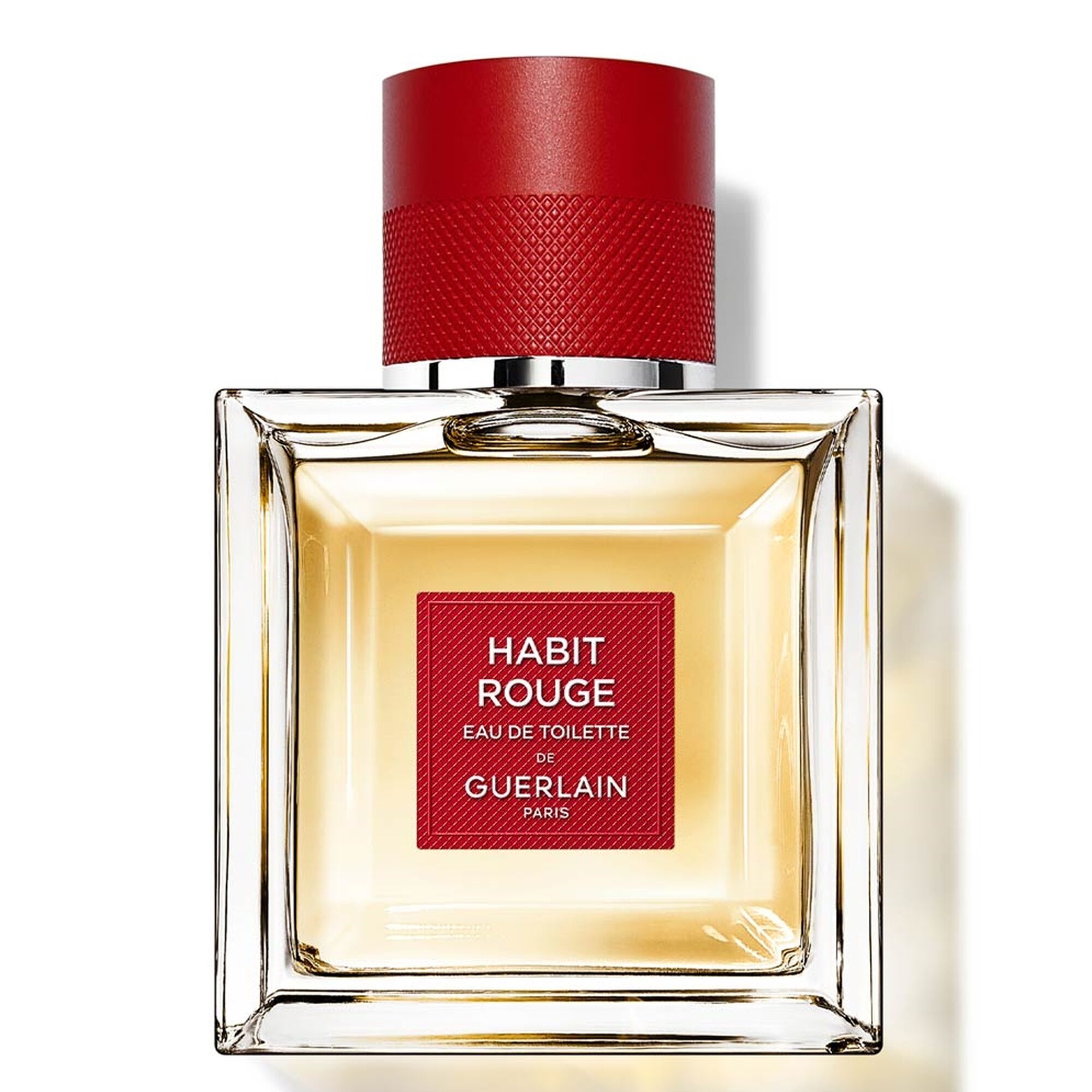
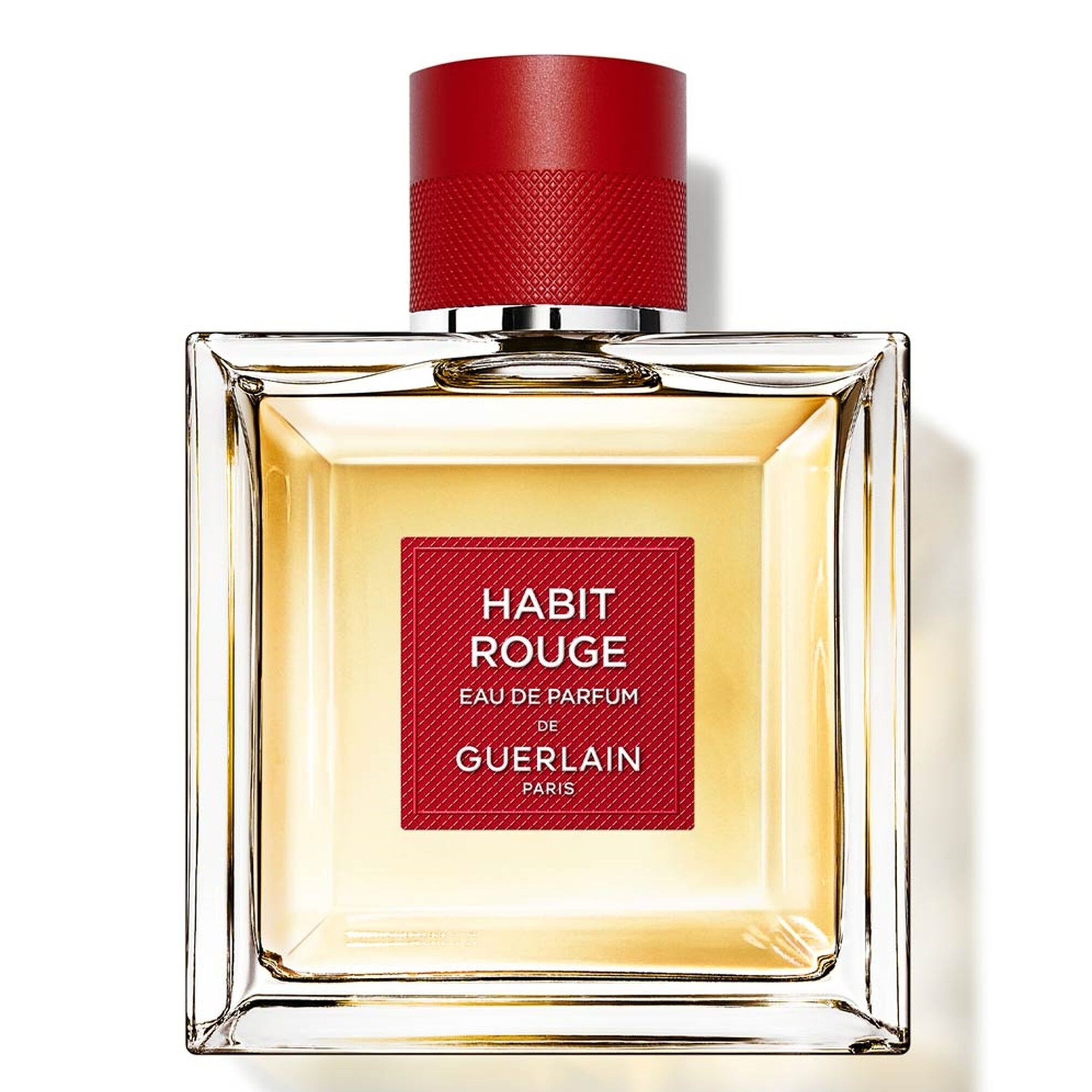
Guerlain Habit Rouge EDT — 106 sales, 4.8/5 across 79 verified reviews, and customer loyalty spanning decades: Habit Rouge is an essential reference in woody oriental men's perfumery. Here, Brazilian rosewood engages in dialogue with patchouli, basil and vanilla for a wonderfully elegant whole. "My favourite eau de toilette," sums up one buyer. At 57.50 EUR, its price remains measured for a Guerlain house.
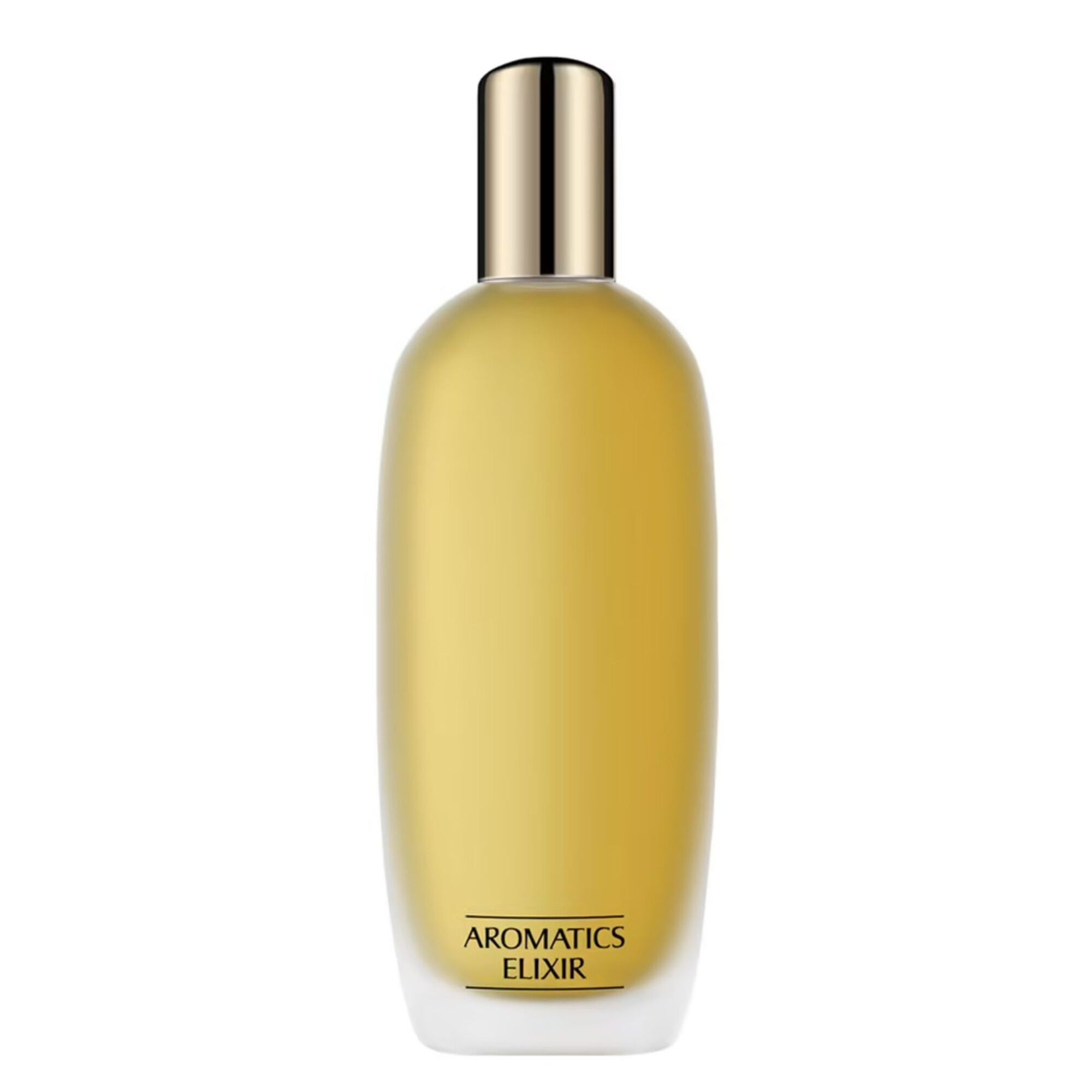
Clinique Aromatics Elixir — This floral chypre at 29.50 EUR is one of the most recognisable perfumes in contemporary perfumery. Here, Brazilian rosewood mingles with patchouli, geranium and coriander in a dense, long-lasting composition. With 68 sales and 4.77/5 across 53 reviews, it wins over generations of users: "very hard to do without, despite the fragrance's reformulation."
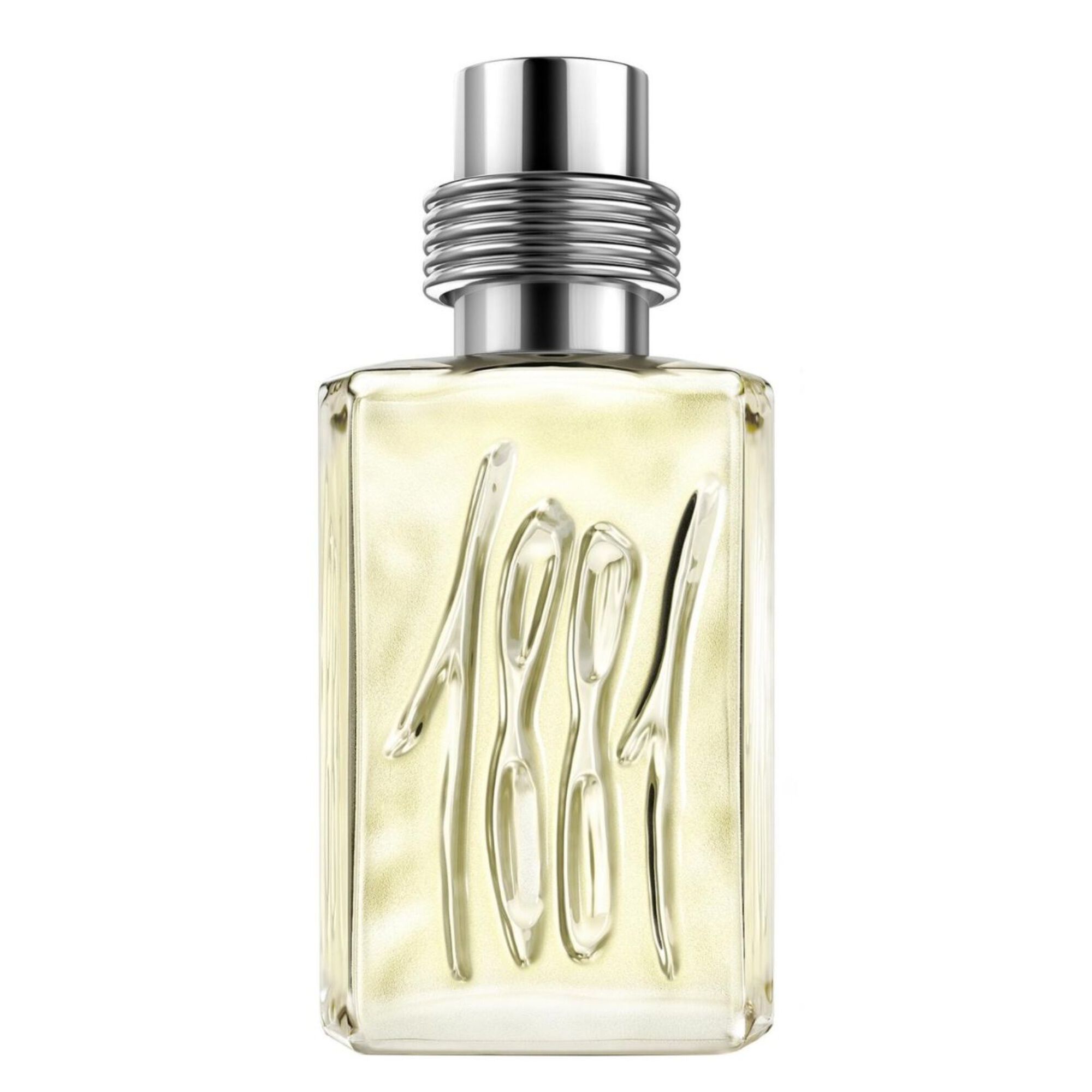
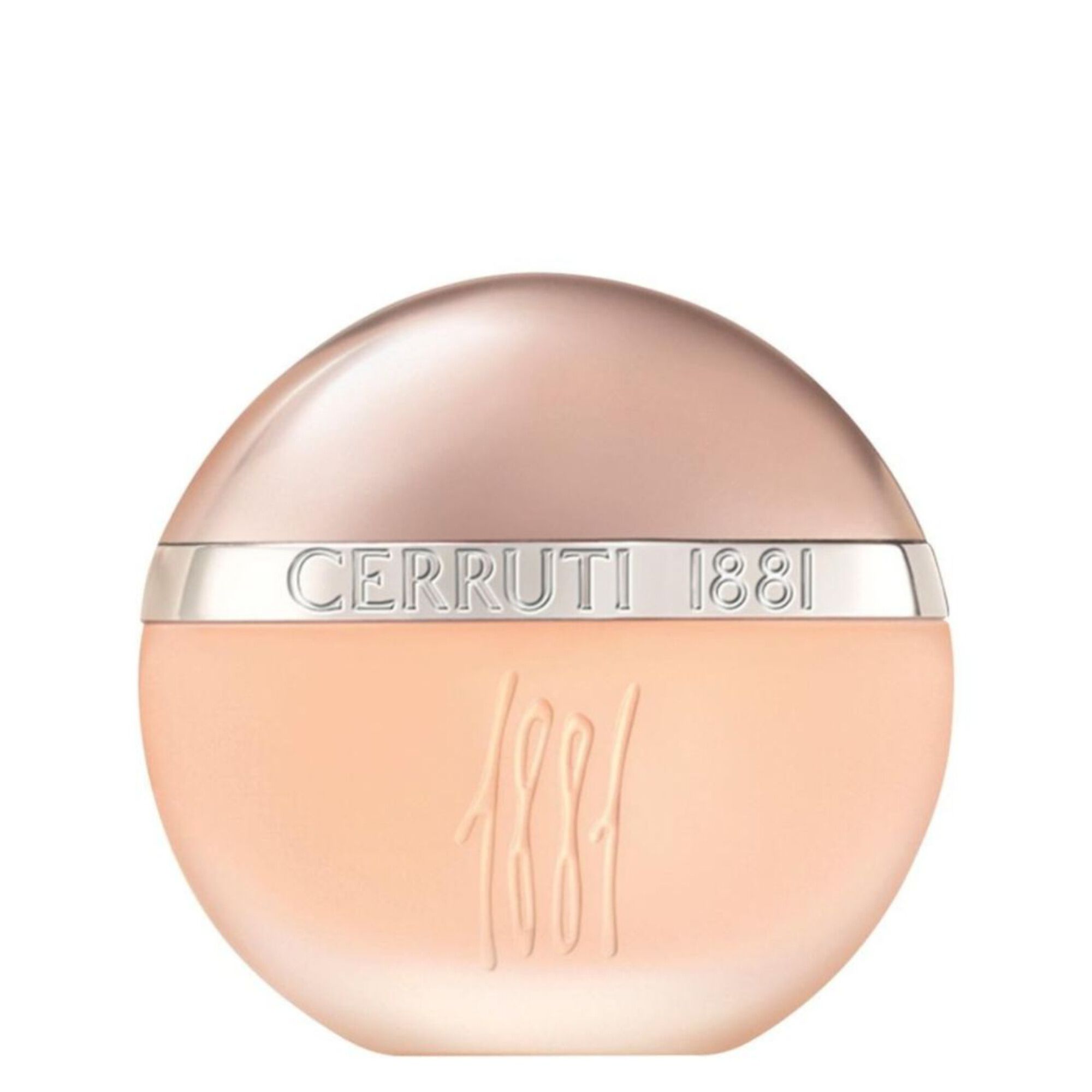
Cerruti 1881 Homme EDT — At just 27 EUR, this men's floral has racked up 84 sales and boasts 4.84/5 across 31 reviews. Its accord of rosewood, freesia, geranium and orange blossom makes it a fresh, well-groomed everyday choice, ideal for spring and summer. "Very fresh for summer!" notes a regular customer. A solid choice for discovering the note without risking too much of an investment.
Brazilian rosewood for women, for men: how to choose?
Brazilian rosewood is a naturally versatile note, used for decades in perfumes for both women and men.
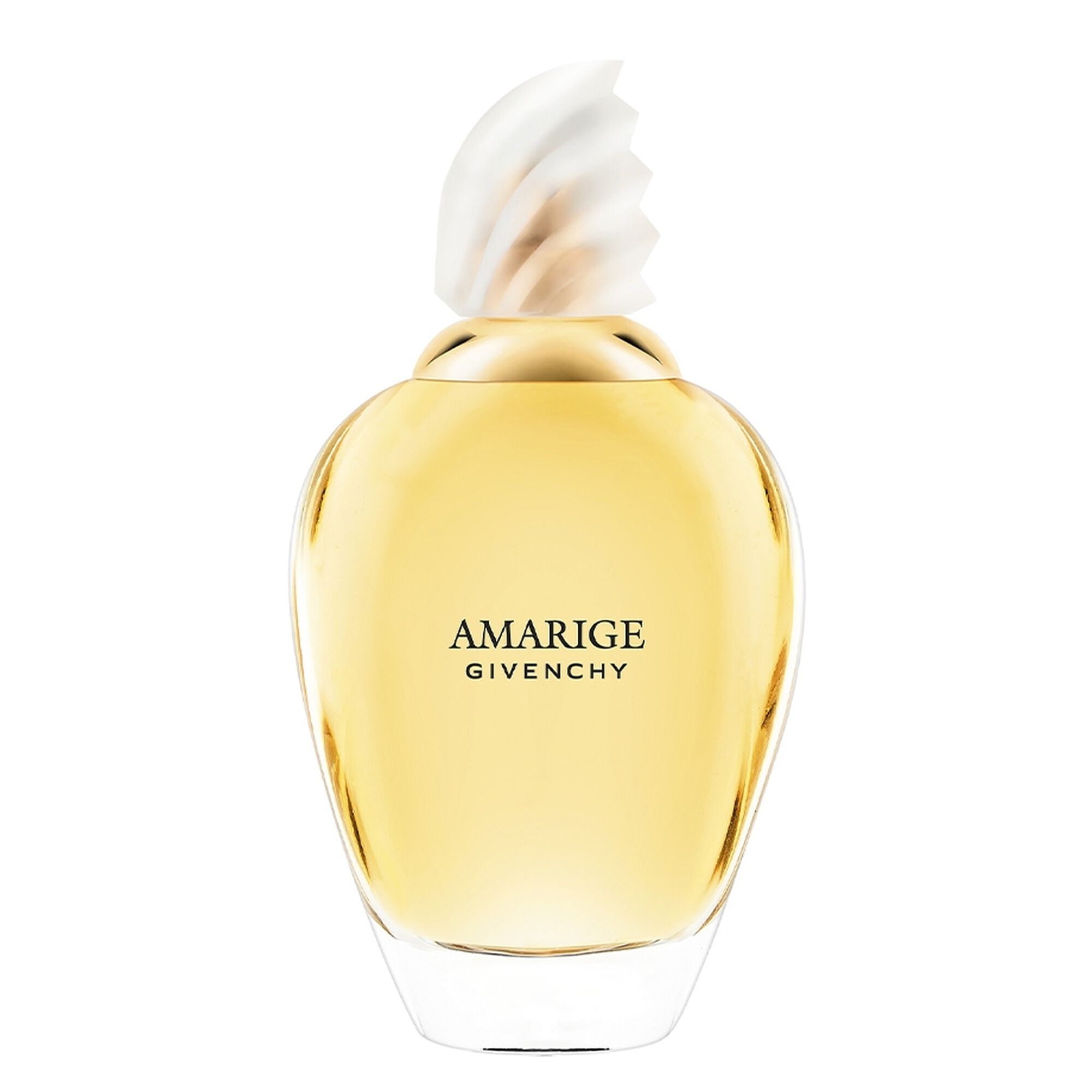
For women, it readily expresses itself in generous floral compositions: paired with gardenia, ylang-ylang or orange blossom, it softens accords and gives them a powdery, warm signature. Perfumes such as Nina Ricci L'Air du Temps (EDP or EDT), Givenchy Amarige or Cerruti 1881 Femme illustrate this direction well: their woody-floral heart note remains accessible, without excess sweetness or heaviness.
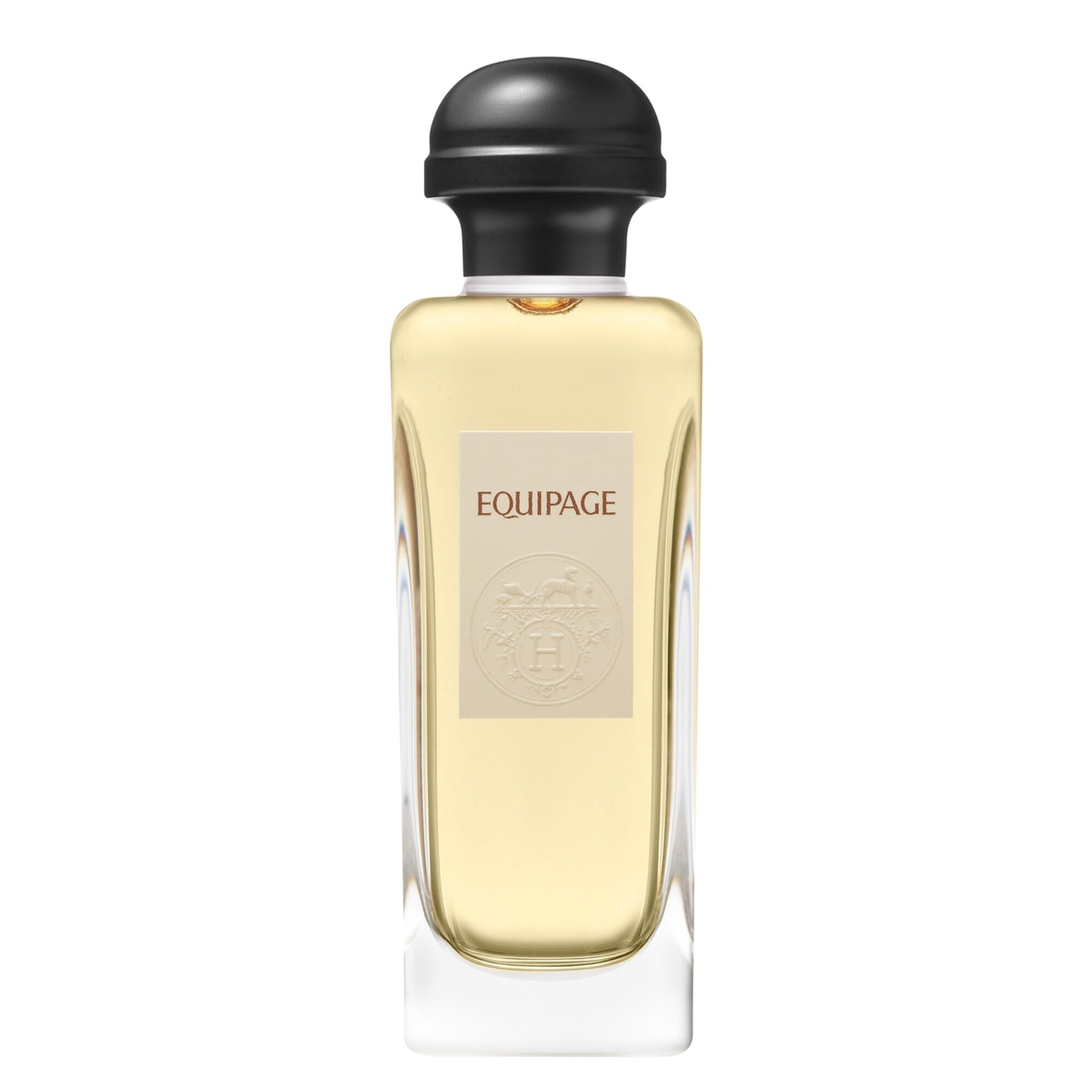
For men, Brazilian rosewood appears in more structured accords, often oriental or fougere, where it plays the role of a warm base note. Guerlain Habit Rouge, Hermès Equipage and Cerruti 1881 Homme all demonstrate this: rosewood adds roundness to compositions that are otherwise drier or more aromatic.
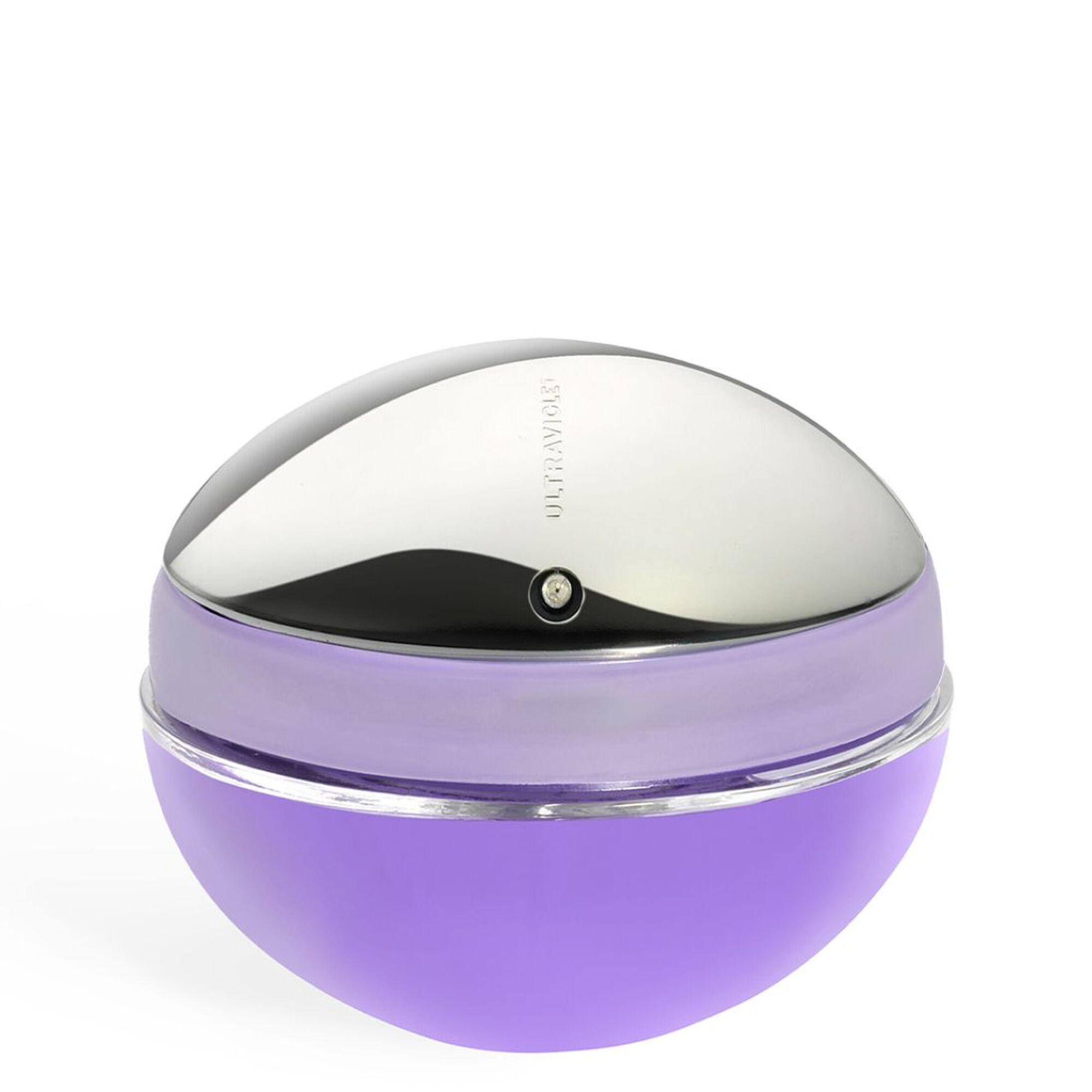
On the unisex side, Clinique Aromatics Elixir and Rabanne Ultraviolet show that the note can cross genders with ease, especially within chypre or woody oriental families.
Seasons and occasions:
- Spring / autumn: the note's soft warmth is perfectly suited to these transitional seasons.
- Winter: within a vanilla or patchouli accord (Habit Rouge, Ultraviolet), it gains in depth.
- Summer: opt for light eaux de toilette (L'Air du Temps EDT, Cerruti 1881 Homme) for a more airy result.
Practical tip: if you're torn between the EDT and EDP versions of the same fragrance, the EDP generally unfolds the rosewood note more lastingly in the base, while the EDT expresses it in a fresher, more immediate way. Test it on your skin, as linalool, the main component of this note, reacts individually to body warmth.
The Tendance Parfums figures
What our own online perfumery data tells us about the Brazilian rosewood note — figures you won't find anywhere else:
- 26 perfumes featuring Brazilian rosewood available in our catalogue, from 27 EUR to 104 EUR (core range 44-84 EUR).
- The best seller among our customers over the past 12 months: Nina Ricci L'Air du Temps (207 sales).
- Average rating of our selection: 4.8/5 across 360 verified customer reviews.
- Prices and stock updated continuously; free delivery from 59 EUR of purchases.
Frequently asked questions
Is Brazilian rosewood more of a feminine or masculine note? Brazilian rosewood is a unisex note, used in feminine, masculine and unisex perfumes alike. In florals (Nina Ricci, Givenchy Amarige), it dresses feminine compositions. In woody orientals (Guerlain Habit Rouge, Hermès Equipage), it structures perfumes designed for men. Its versatility makes it one of the most widely used ingredients in perfumery.
What is the difference between Brazilian rosewood and sandalwood? Brazilian rosewood is more floral and lighter than sandalwood. Rich in linalool, it exudes a powdery softness with a rosy nuance, whereas sandalwood offers a denser, creamy, milky texture. Both notes are often found in woody accords, but rosewood brings floral freshness, while sandalwood provides warmth and smoothness.
How long does a perfume featuring Brazilian rosewood last? Longevity varies depending on the concentration and the other notes in the perfume. In eau de toilette (L'Air du Temps, Cerruti 1881 Homme), expect 4 to 6 hours. In eau de parfum (Habit Rouge EDP, Aromatics Elixir), longevity is generally greater, at 6 to 8 hours. Brazilian rosewood on its own is a heart note with moderate longevity; it's the overall accord that determines the final duration.
In which season should you wear a perfume with Brazilian rosewood? Brazilian rosewood suits all seasons, but expresses itself best in spring and autumn, seasons where its soft warmth feels most natural. In summer, opt for light eaux de toilette for an airy result. In winter, woody oriental accords enriched with vanilla or patchouli (Habit Rouge, Ultraviolet) bring seasonal depth.
What are the most affordable Brazilian rosewood perfumes available at Tendance Parfums? The most accessible entry points in our selection are Cerruti 1881 Homme EDT at 27 EUR, Clinique Aromatics Elixir at 29.50 EUR and Cerruti 1881 Femme EDT at 33.50 EUR. Our catalogue includes 26 perfumes with this note, with prices starting at 27 EUR and a core range between 44 and 84 EUR.