
Cashmerewood perfumes: buying guide and best fragrances 2026
Cashmerewood is a woody, creamy base note, soft without being sweet, which brings warmth and sensuality to oriental, floral and aromatic compositions. Found in both feminine and masculine fragrances, it appeals to lovers of enveloping, long-lasting sillage. This guide explains what this note is, how to choose it according to your profile and the season, and offers you a selection based on verified reviews and the real sales figures of our customers.
The Cashmerewood note in perfumery: what is it?
Cashmerewood is a woody, creamy and slightly dry base note that characterises warm, enveloping fragrances. It doesn't come from a single, clearly identified exotic wood; rather, the term refers in perfumery to a family of materials (natural or synthetic) with soft, powdery and slightly smoky facets, close to sandalwood but with less milkiness and more dryness.
Olfactory facets
Cashmerewood stands out through several registers that coexist within a single molecule or accord:
- Soft woody: neither green nor sharp, it evokes a polished, warm wood.
- Creamy and powdery: a texture close to clean skin, with no added sugar.
- Slightly amber: a warm depth that helps the sillage linger on the skin.
- Subtly smoky: a dry touch that structures the roundest accords.
Position in the fragrance pyramid
Cashmerewood is placed mainly as a base note, where it plays its role as a fixative and long-lasting signature. It can sometimes appear as a heart note in very woody compositions, but it's in the base that it reveals its full amplitude, several hours after application.
Natural accords
This note blends fluidly with numerous fragrance families:
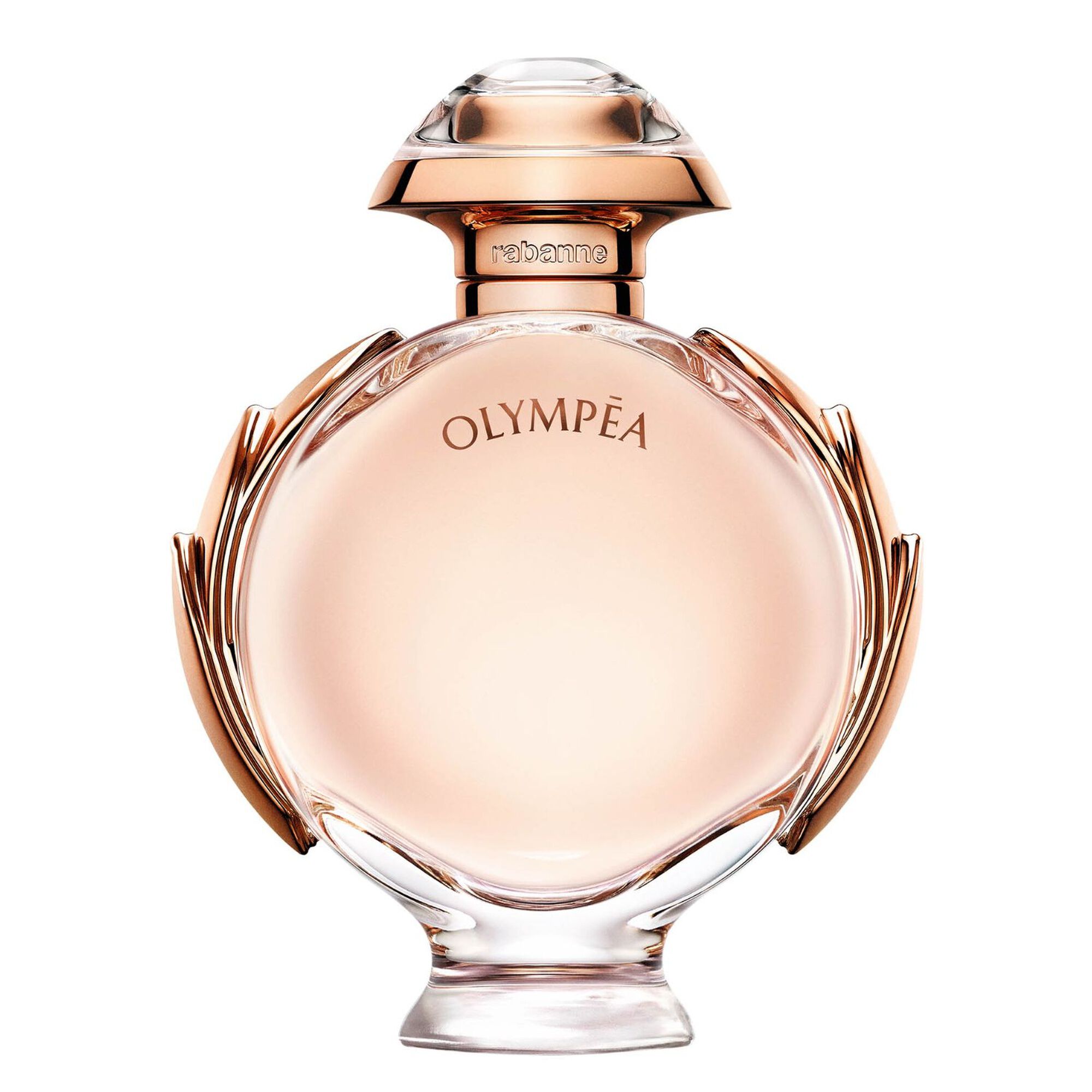
- Vanilla and amber: for warm, gourmand oriental base notes (as in Olympéa by Rabanne).
- Musk: to extend the sensation of clean, creamy skin.
- Floral notes (jasmine, iris, orange blossom): to balance the softness with floral freshness.
- Soft spices (cinnamon, pepper): to add depth to masculine compositions.
- Patchouli and vetiver: for deeper, earthier woody accords.
Thanks to this versatility, Cashmerewood crosses genders and seasons, making it one of the most widely used base notes in contemporary perfumery.
What are the best fragrances featuring the Cashmerewood note?
The selection below brings together ten fragrances from our catalogue that showcase the Cashmerewood note, across a variety of fragrance families: oriental floral, aromatic woody, gourmand fruity floral and chypre floral. Each product has been selected based on objective criteria: verified customer ratings, actual sales volume over the past twelve months at Tendance Parfums, and consistency with the note's olfactory profile. With prices ranging from 22 to 73,50 EUR, there's something for every profile and every occasion.
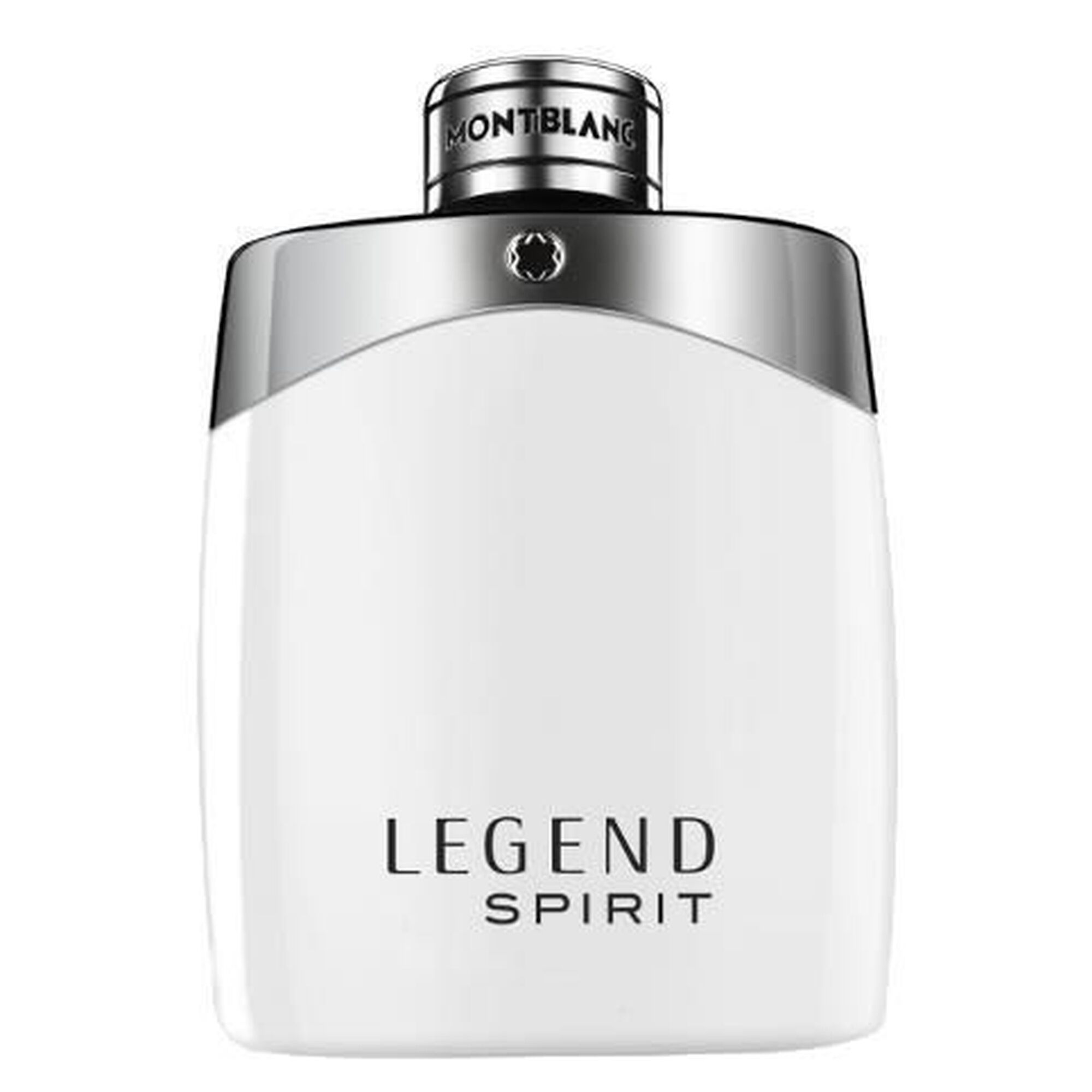
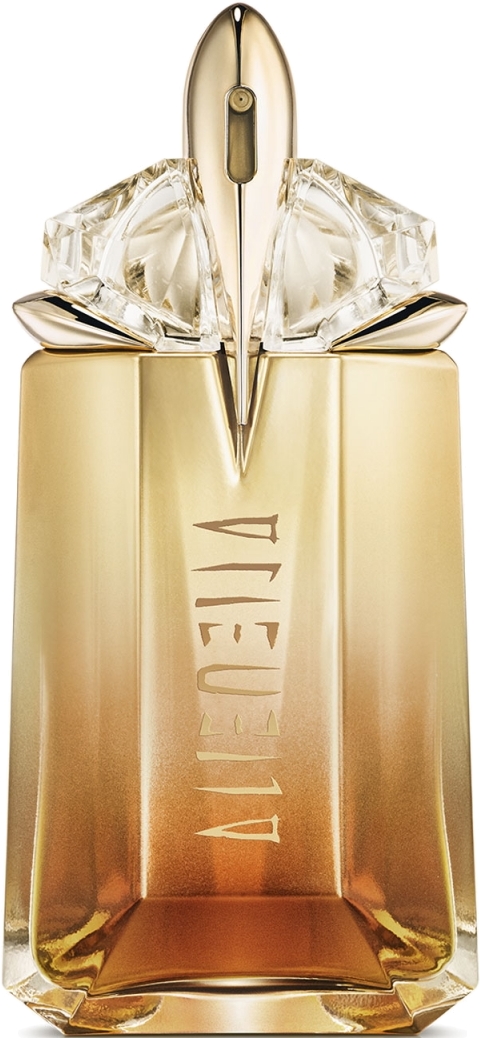
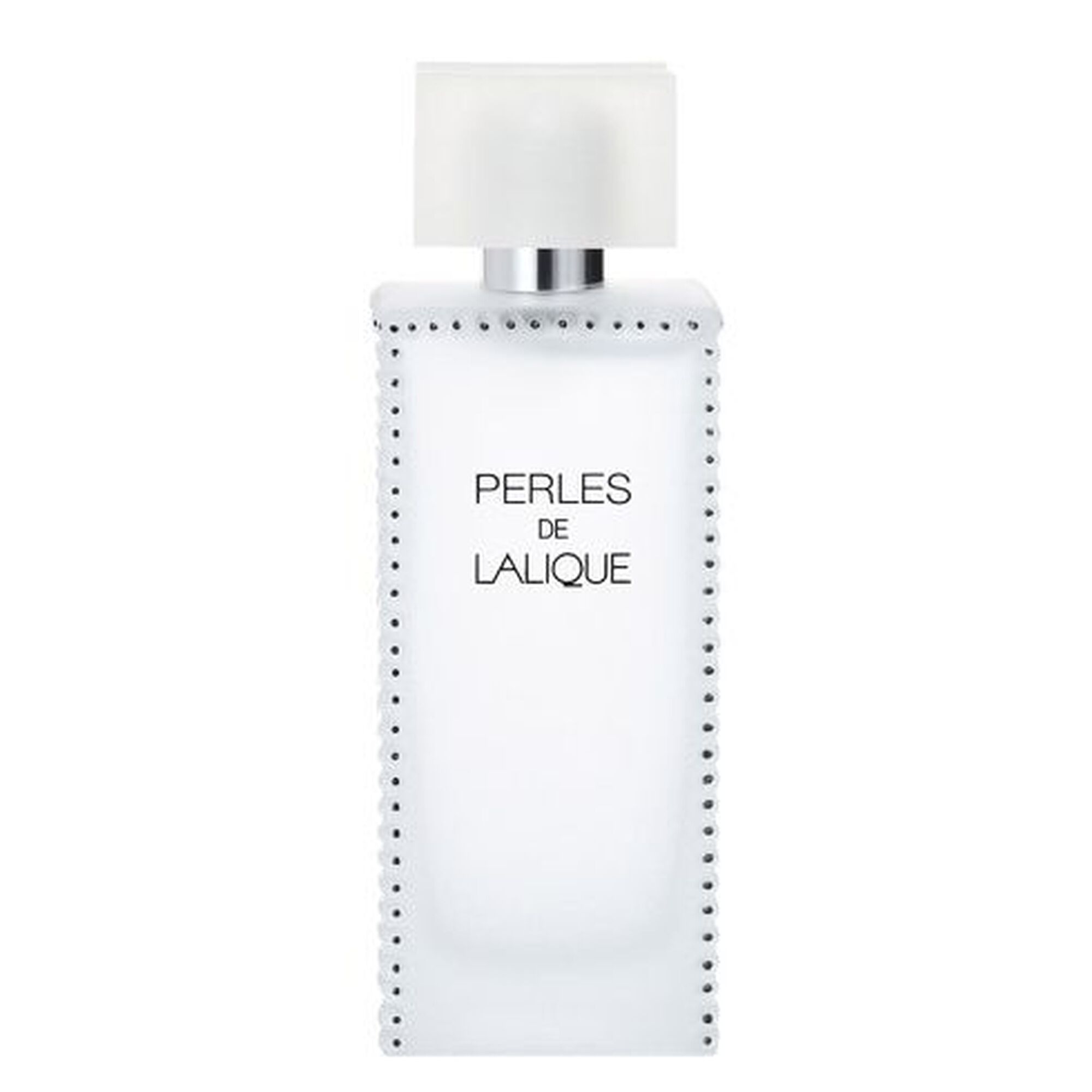
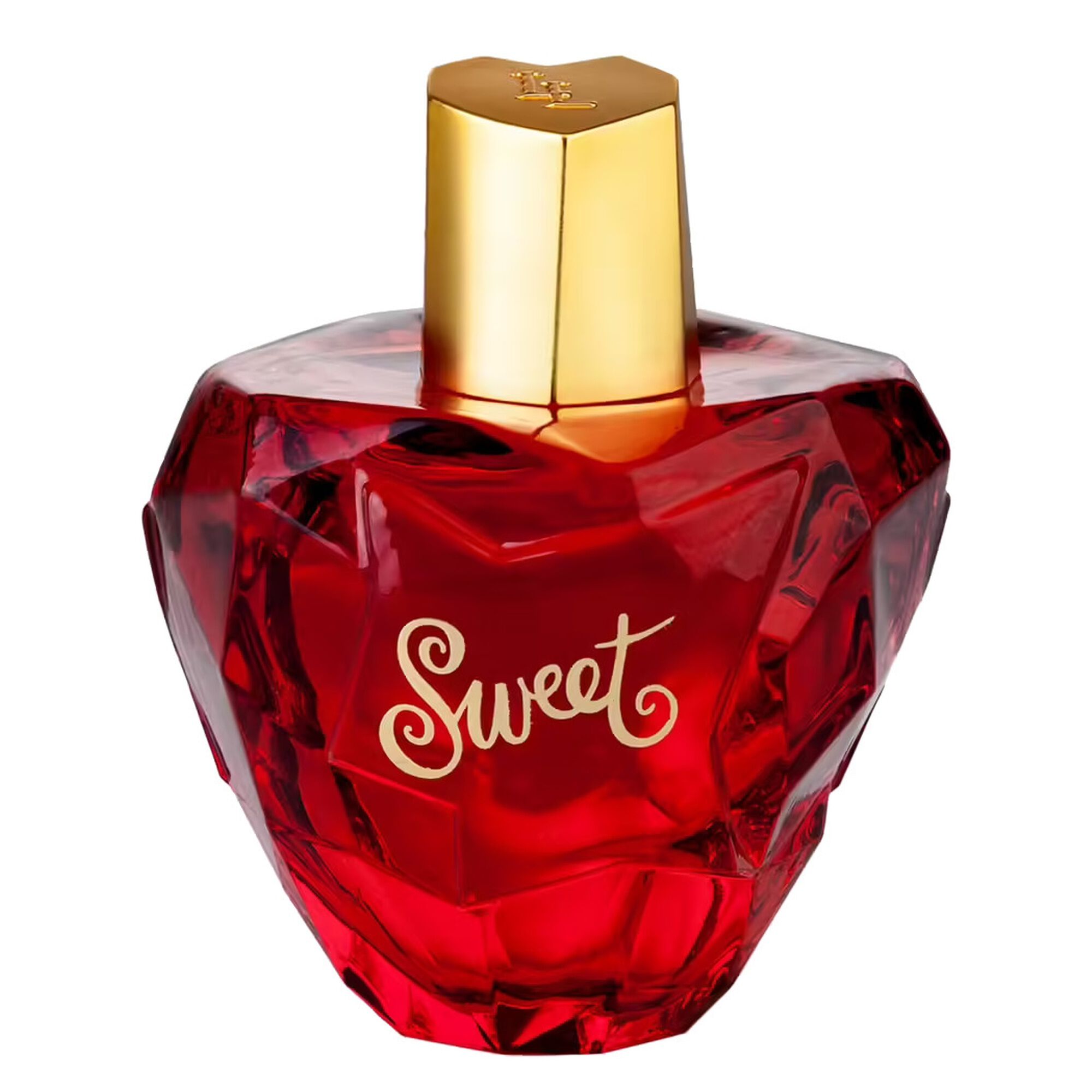
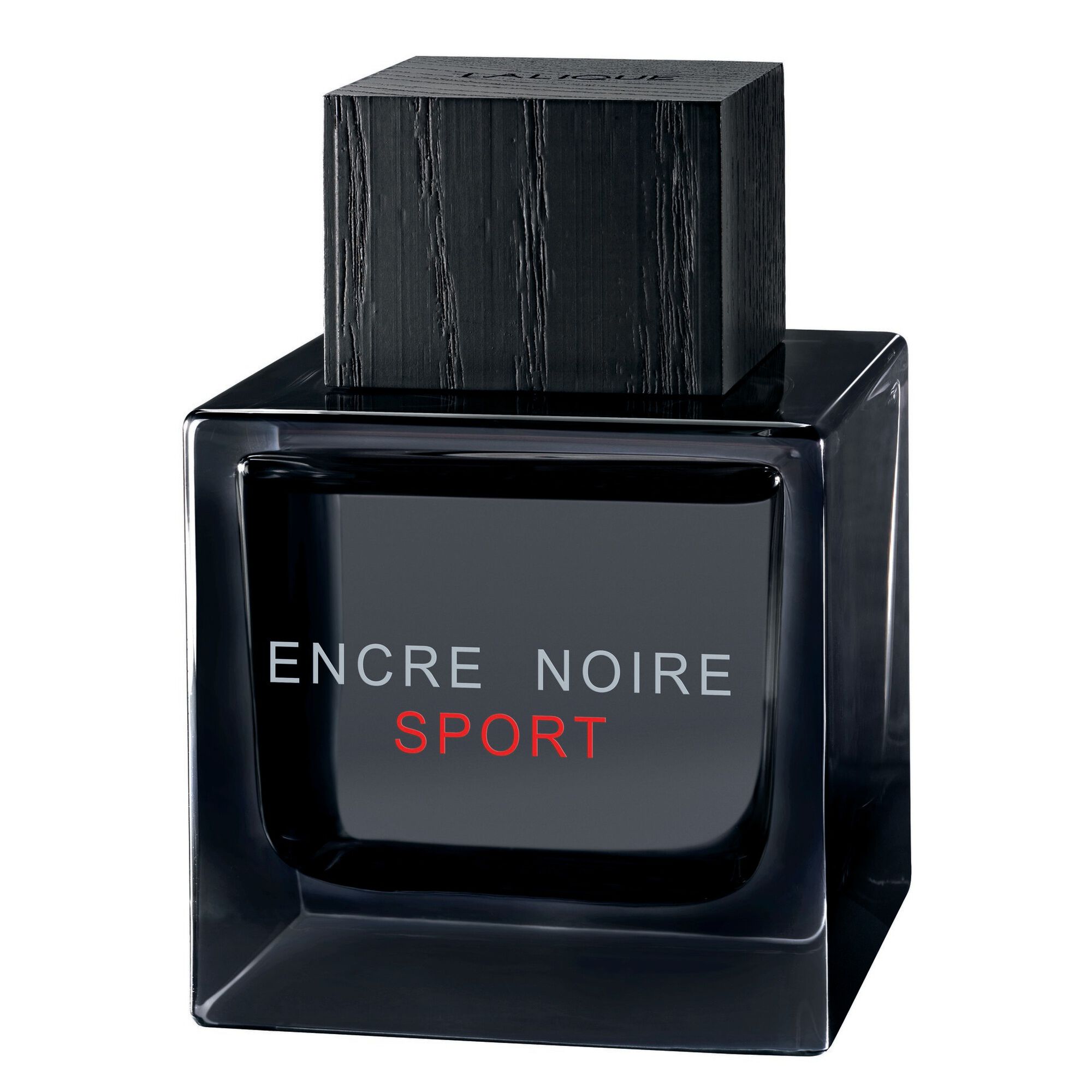
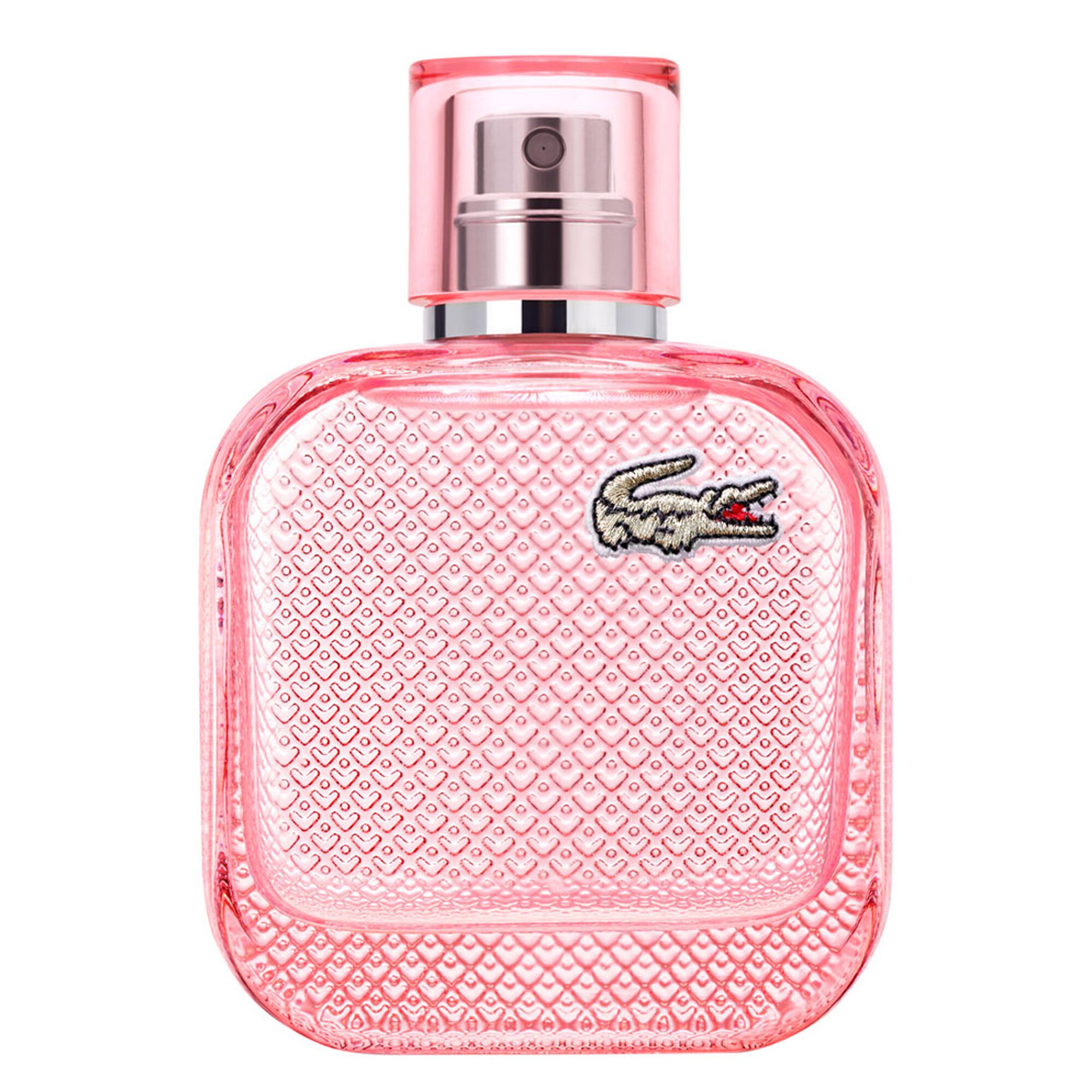
Our top picks, reviewed
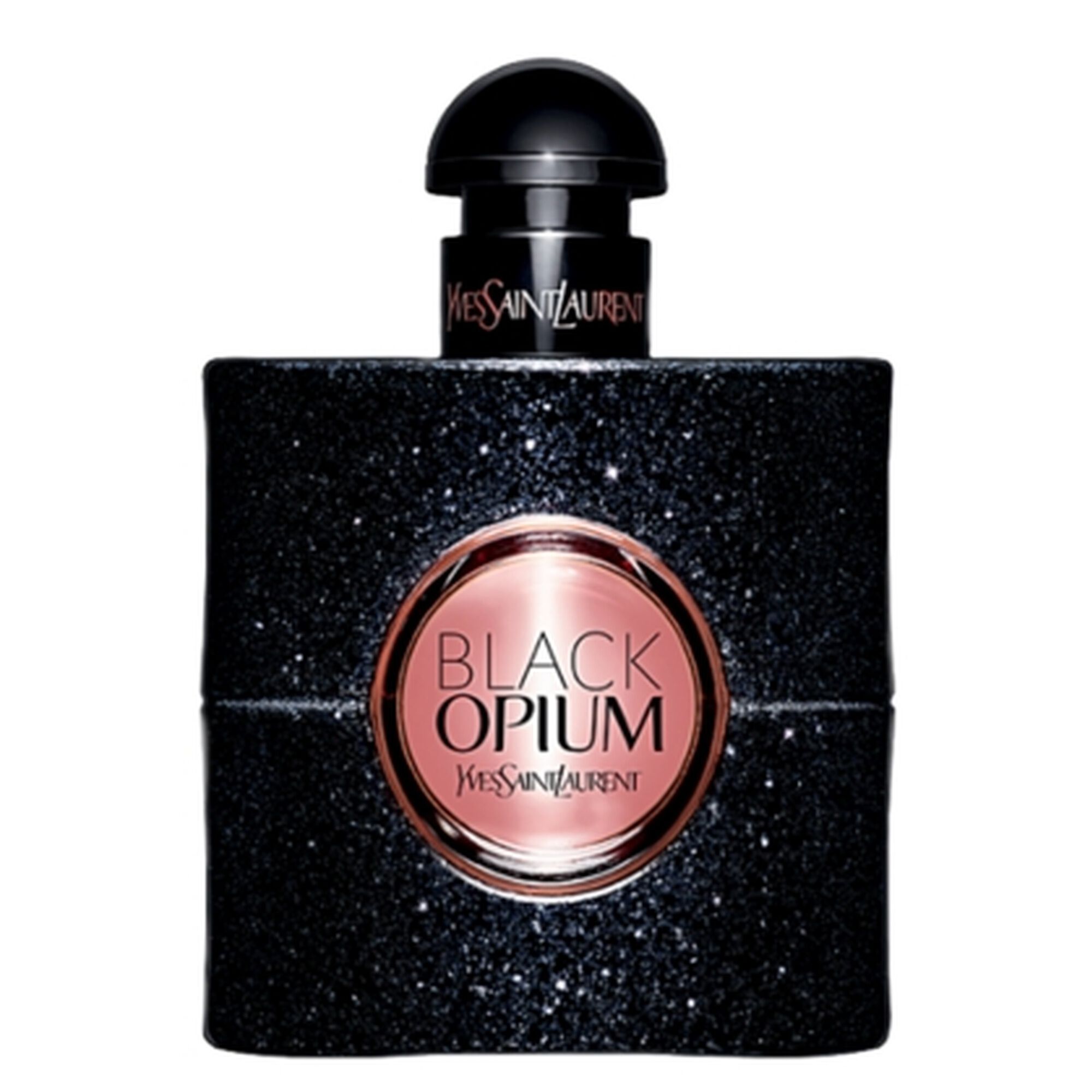
Yves Saint Laurent Black Opium — With 92 sales over twelve months and 248 verified reviews at 4.62/5, Black Opium is the most popular fragrance in our Cashmerewood selection. Its coffee-vanilla-cedar accord is instantly recognisable and long-lasting: "Very good perfume, holds well on skin and clothes, just one or two small drops are enough." An intense vanilla oriental, ideal for evenings or the colder season, at 22 EUR.
Rabanne Olympéa — 45 sales over twelve months and a rating of 4.88/5 from 90 verified reviews: Olympéa stands out as the go-to floral-oriental in our selection. Cashmerewood here supports a ginger flower and vanilla heart, over a salty-amber base that gives it a unique character, both sun-kissed and warm. A reliable and well-loved choice, at 50 EUR.
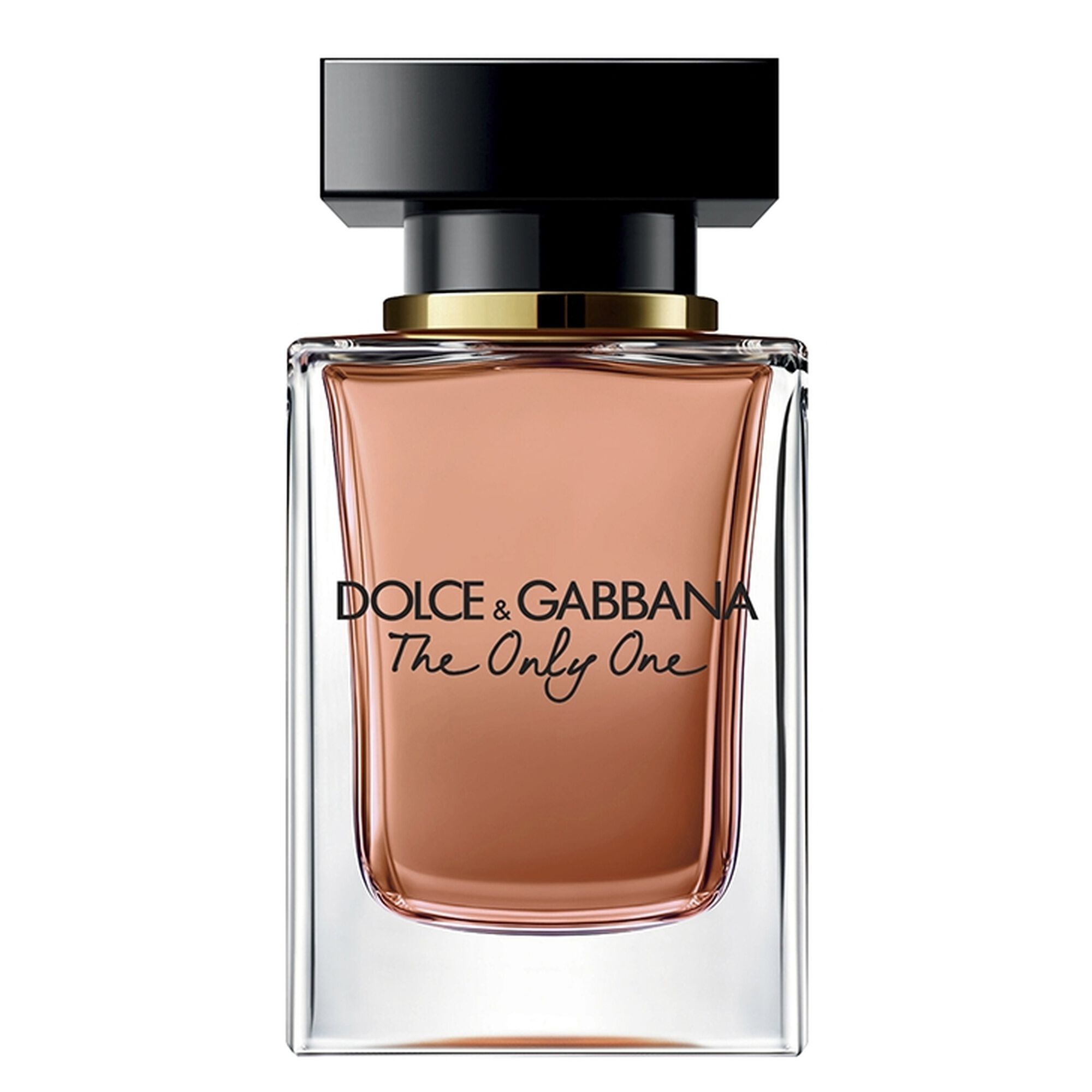
Dolce & Gabbana The Only One — 11 sales and a rating of 4.33/5 from 18 verified reviews. This floral oriental blends cedar, vanilla, Italian mandarin and orange blossom in a feminine, warm accord. Customers find it "Very satisfying in terms of value for money." Cashmerewood in the base gives it a soft longevity, perfect for both day and evening wear, at 54,50 EUR.
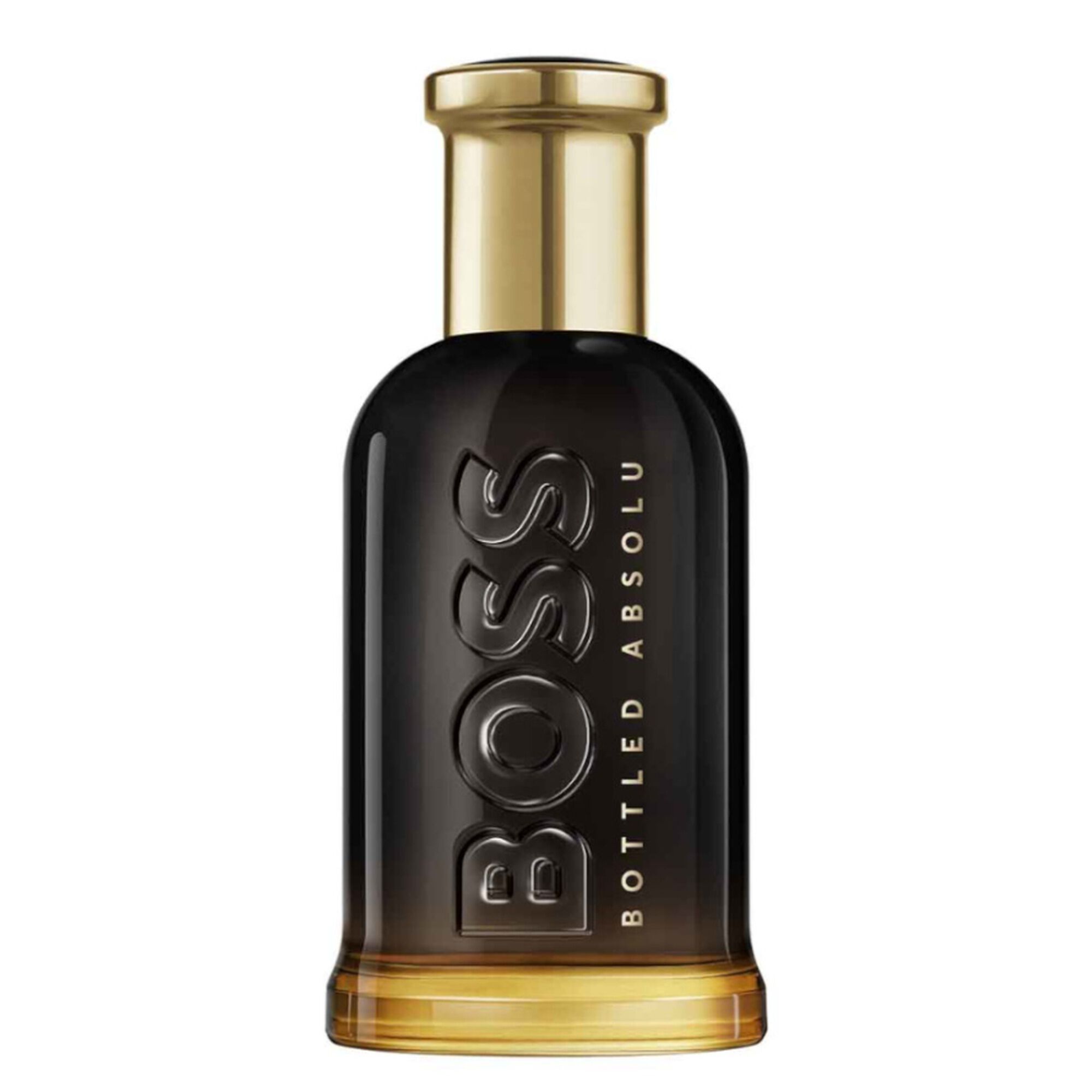
Hugo Boss Boss Bottled Absolu — This masculine aromatic woody, rated 5/5 by our buyers, combines cedar, dry wood, bergamot and cinnamon in a refined accord. One customer describes adopting it after receiving it as a gift and repurchasing it spontaneously: "subtle notes" that win you over without trying too hard. A discreet, elegant signature, at 72 EUR.
Cashmerewood for women, for men: how to choose?
Cashmerewood expresses itself differently depending on whether it serves a feminine, masculine or unisex composition. Here's how to approach it based on your profile.
For women
In feminine fragrances, Cashmerewood plays the role of a sensual, reassuring base. It amplifies floral notes (iris, jasmine, orange blossom) and reinforces vanilla-based gourmand accords. The result is a warm, creamy sillage, never heavy. This pairing is particularly suited to autumn and winter, seasons in which the warmth of a woody base note truly comes into its own on the skin. It works equally well for a dressed-up evening or for comfortable everyday wear.
For men
In masculine eaux de toilette and eaux de parfum, Cashmerewood softens drier or more aromatic accords. Paired with spices (cinnamon, pepper), bergamot or cedar, it smooths without feminising, offering a structured, subtle sillage. These compositions are suited to the office, evening outings, and work equally well in autumn or spring.
Unisex fragrances
Many contemporary fragrances featuring this note are worn by both women and men alike. The creamy lightness of Cashmerewood makes it a naturally inclusive note.
Practical advice before you buy
- Test the fragrance on your skin rather than on a blotter: body warmth reveals the base notes.
- Wait at least 30 minutes before deciding: it's in the base note that Cashmerewood speaks best.
- If you're looking for an enveloping effect without heaviness, lean towards woody floral accords rather than vanilla-based orientals.
- For a first purchase, choose a 30 or 50 ml format so you can test the longevity and projection before committing to a larger size.
The Tendance Parfums figures
What our own online perfumery data tells us about the Cashmerewood note — figures you won't find anywhere else:
- 20 fragrances featuring the Cashmerewood note available in our catalogue, from 22 EUR to 114 EUR (core range 44-58 EUR).
- The bestseller among our customers over the past 12 months: Yves Saint Laurent Black Opium (92 sales).
- Average rating of our selection: 4.7/5 across 392 verified customer reviews.
- Prices and stock updated continuously; free delivery from 59 EUR of purchases.
Frequently asked questions
What is the Cashmerewood note in a fragrance? Cashmerewood is a woody, creamy and slightly powdery base note that brings warmth and depth to fragrance compositions. It differs from sandalwood through a drier, slightly smoky texture, and from musk through its more structured character. It often serves as a fixative and extends the longevity of the sillage on the skin.
Are Cashmerewood fragrances more feminine or masculine? Cashmerewood suits both. In feminine fragrances, it amplifies floral and vanilla accords. In masculine ones, it softens aromatic or spicy notes. Many contemporary fragrances featuring this note are unisex and can be worn regardless of gender, depending on the other materials in the composition.
How long does a fragrance with Cashmerewood last? Cashmerewood is a base note, which naturally gives it good longevity. Fragrances that include it generally last several hours on the skin, sometimes up to a whole day depending on the concentration (EDP vs EDT) and skin type. Dry skin types hold base notes less well: moisturising before application improves longevity.
Which season is best for wearing a Cashmerewood fragrance? Cashmerewood is best expressed in autumn and winter, seasons in which body warmth enhances woody and amber base notes. It remains pleasant in spring within lighter or floral compositions. In summer, it can feel heavy in very rich oriental formulas; opt instead for woody aquatic or aromatic accords.
What's the difference between Cashmerewood and sandalwood in a fragrance? Sandalwood is milkier, softer and rounder, with a creamy facet close to coconut. Cashmerewood is drier, slightly powdery and structured, with a subtle smoky touch. Both are warm woody base notes, but Cashmerewood brings more definition and dryness where sandalwood favours smoothness.