

Perfume Dupes: All the Alternatives
Discover our perfume dupes guide: olfactory alternatives to Black Opium, Baccarat Rouge 540, Aventus... By brand or by fragrance, find your equivalent.
What is a perfume dupe?
The term "dupe" — short for "duplicate" — refers in perfumery to an olfactory alternative inspired by a reference fragrance, generally offered at a noticeably lower price. It is not a counterfeit or an illegal copy, but rather a composition that shares a similar olfactory direction, common families of materials or a similar fragrance pyramid. The difference is fundamental: whereas a fake seeks to deceive, an alternative fully owns its inspiration.
This phenomenon is nothing new in the industry. Perfumers have always worked in dialogue with market trends and successes, creating sillages that fit within identifiable olfactory movements. What has changed is the way consumers talk about these connections, now explicitly naming the correspondences they perceive between different compositions.
How do you identify an olfactory alternative?
Identifying a dupe relies on several complementary criteria. The structure of the fragrance pyramid is the first point of reference: similar top, heart and base notes produce a comparable overall impression, even if the raw materials used differ in quality or proportion. The olfactory family also plays a decisive role — a vanilla-laden oriental, an amber woody or a fruity floral share recognisable perceptual characteristics from one composition to another.
Beyond the notes, certain signature accords guide the analysis: the presence of ethyl maltol in a gourmand oriental, iso E super in a dry woody, or white musks in a fresh floral creates olfactory bridges between fragrances from very different worlds. It is this technical reading that allows us to move beyond superficial resemblances and identify genuine compositional similarities.
Why look for an alternative to your fragrance?
The motivations are many and legitimate. The first is budgetary: some niche or major-house fragrances reach prices that make them difficult to wear daily. Finding a close alternative allows you to wear a similar sillage without keeping the flacon reserved for special occasions. This pragmatic approach says nothing about the quality or olfactory sensitivity of the person adopting it.
The second motivation, less often mentioned, has to do with discovery. Looking for alternatives often leads to venturing towards lesser-known brands, independent houses or creators who deserve attention. Sometimes, in searching for an equivalent to a commercial success, you stumble upon a composition that ultimately becomes its own reference.
The most sought-after fragrances for alternatives
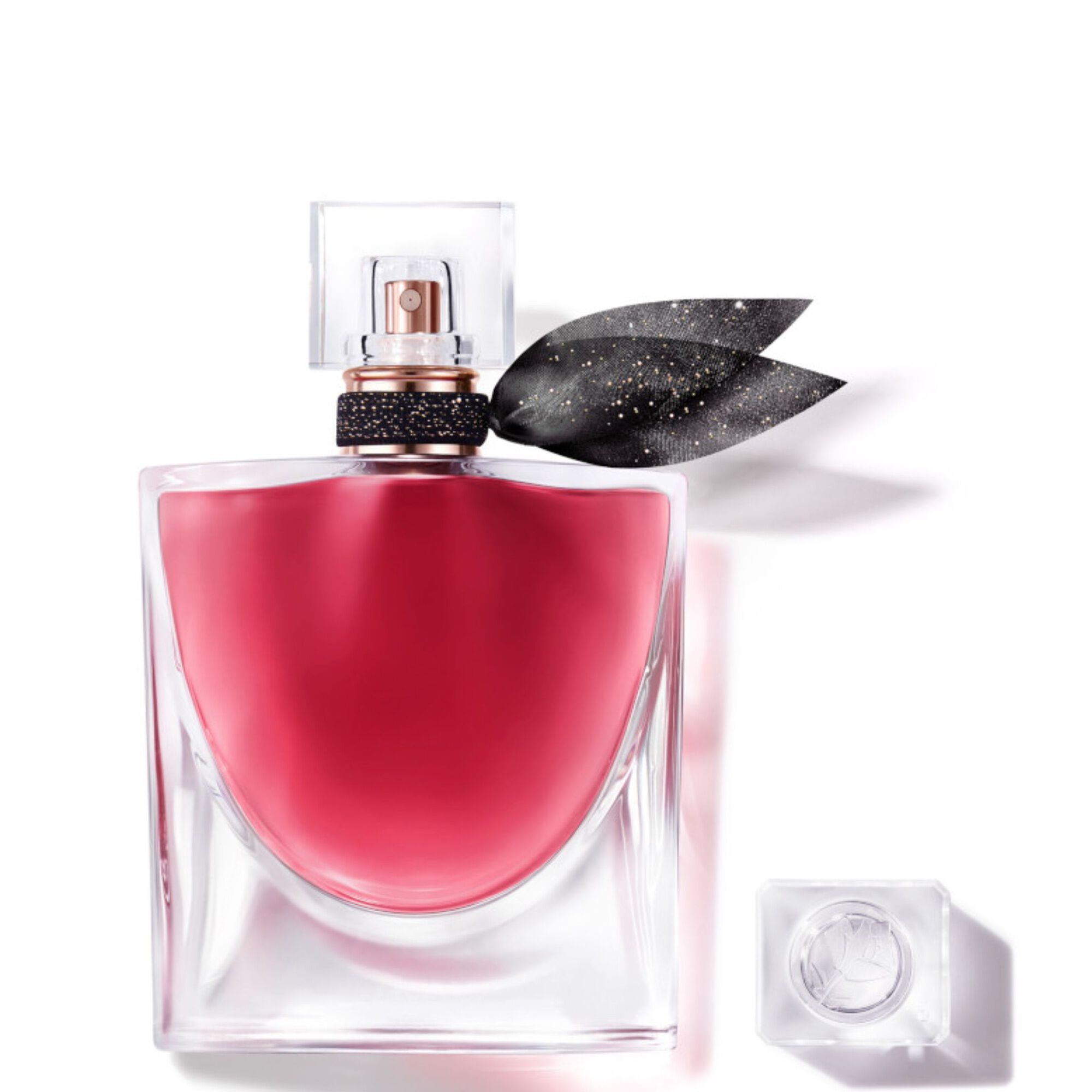
A handful of fragrances account for the bulk of alternative searches. Black Opium by Yves Saint Laurent, with its addictive coffee-vanilla accord, has inspired an entire family of gourmand oriental compositions. Baccarat Rouge 540 by Maison Francis Kurkdjian has established its amber-jasmine-sandalwood accord as a defining signature of the decade, to the point of becoming an almost universal reference. La Vie Est Belle by Lancôme, Angel by Mugler, Aventus by Creed, Invictus and One Million by Paco Rabanne are also among the fragrances whose olfactory profiles have been the most widely interpreted.
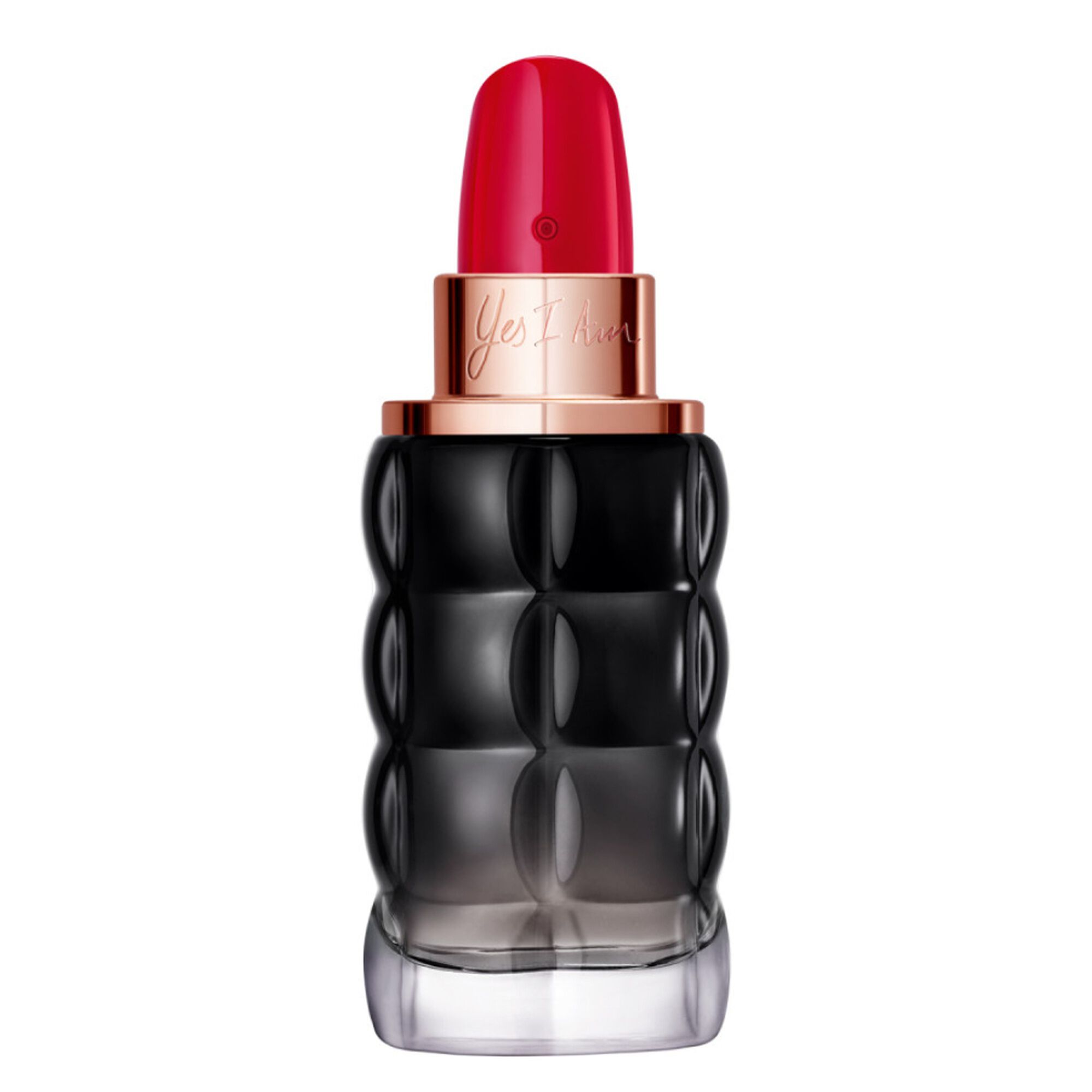
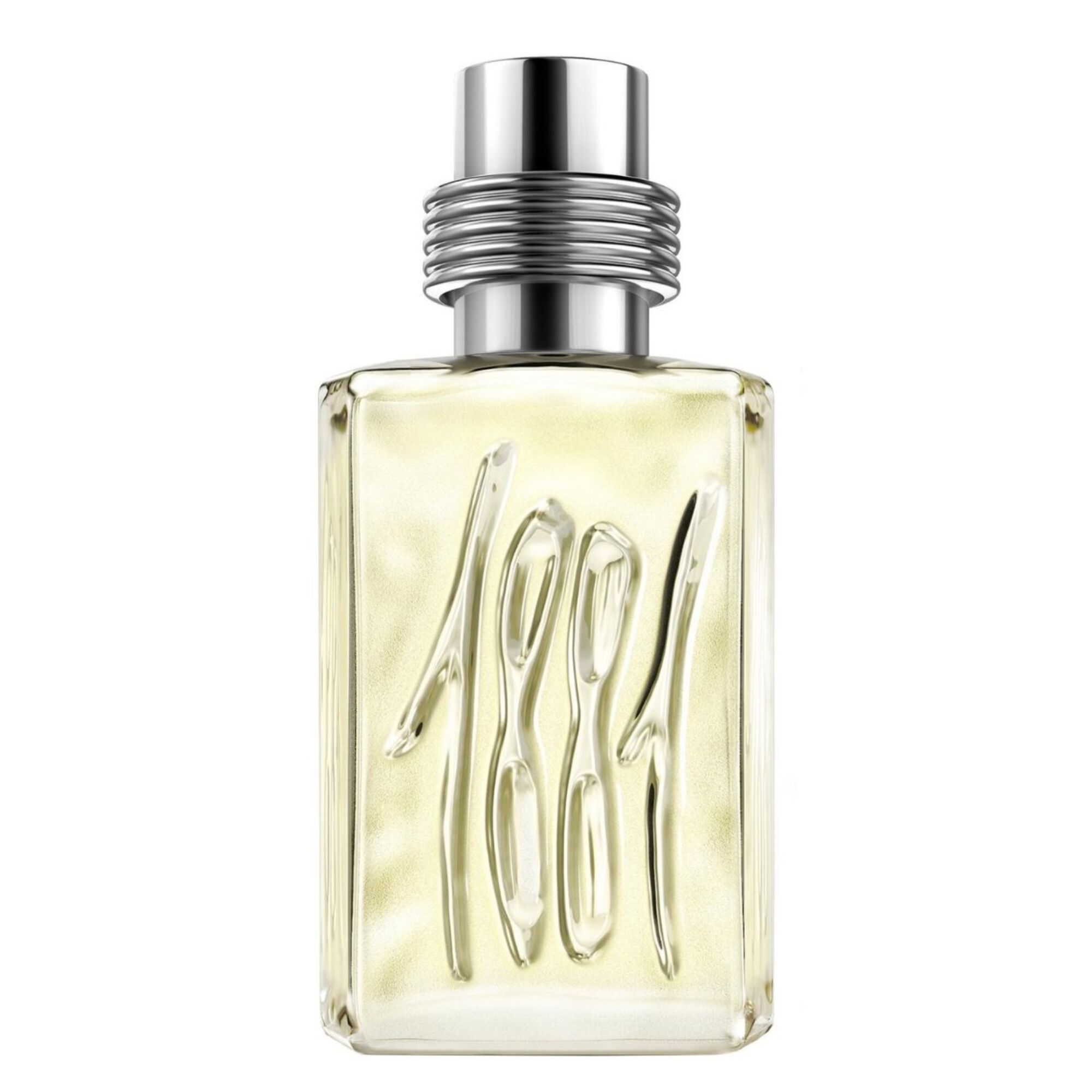
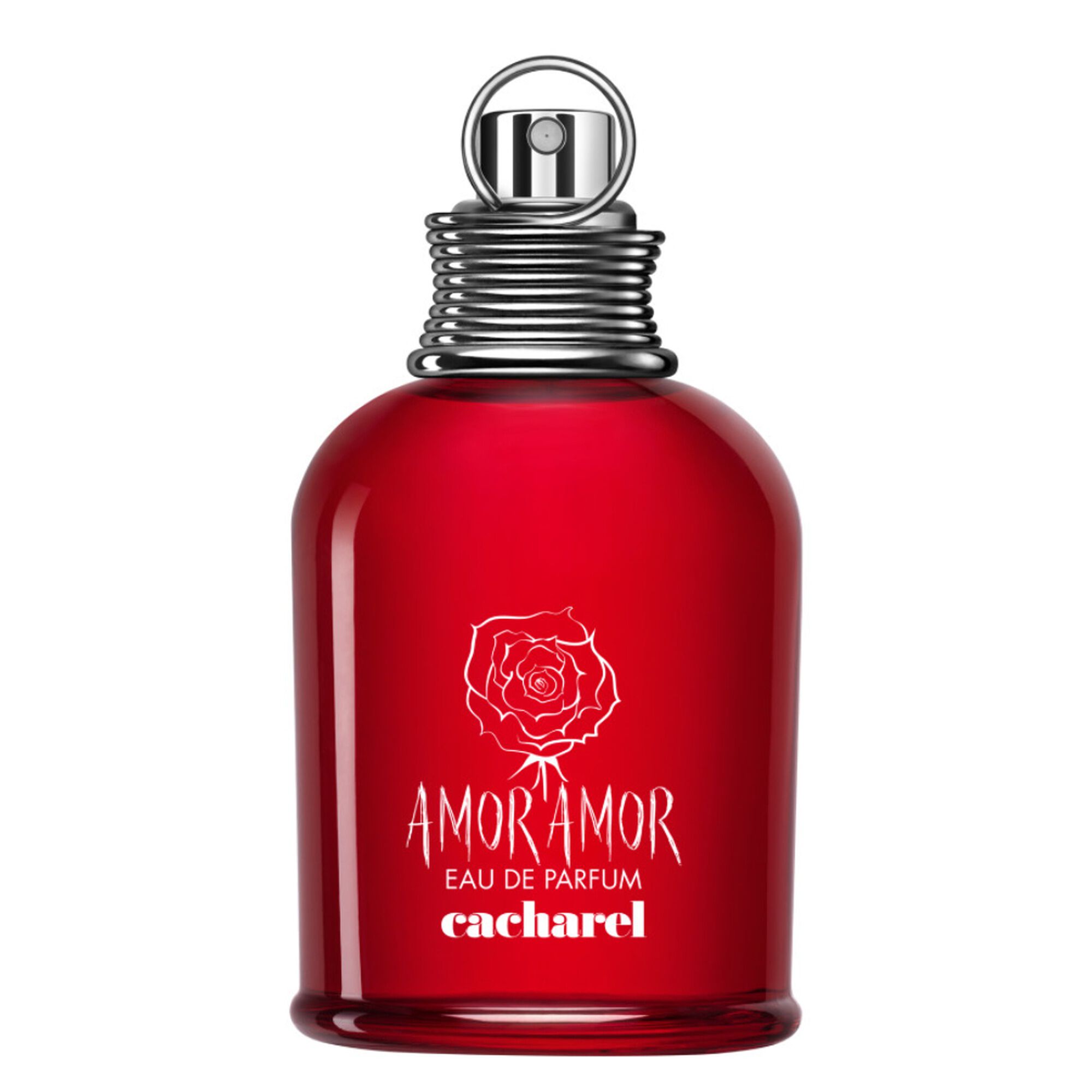
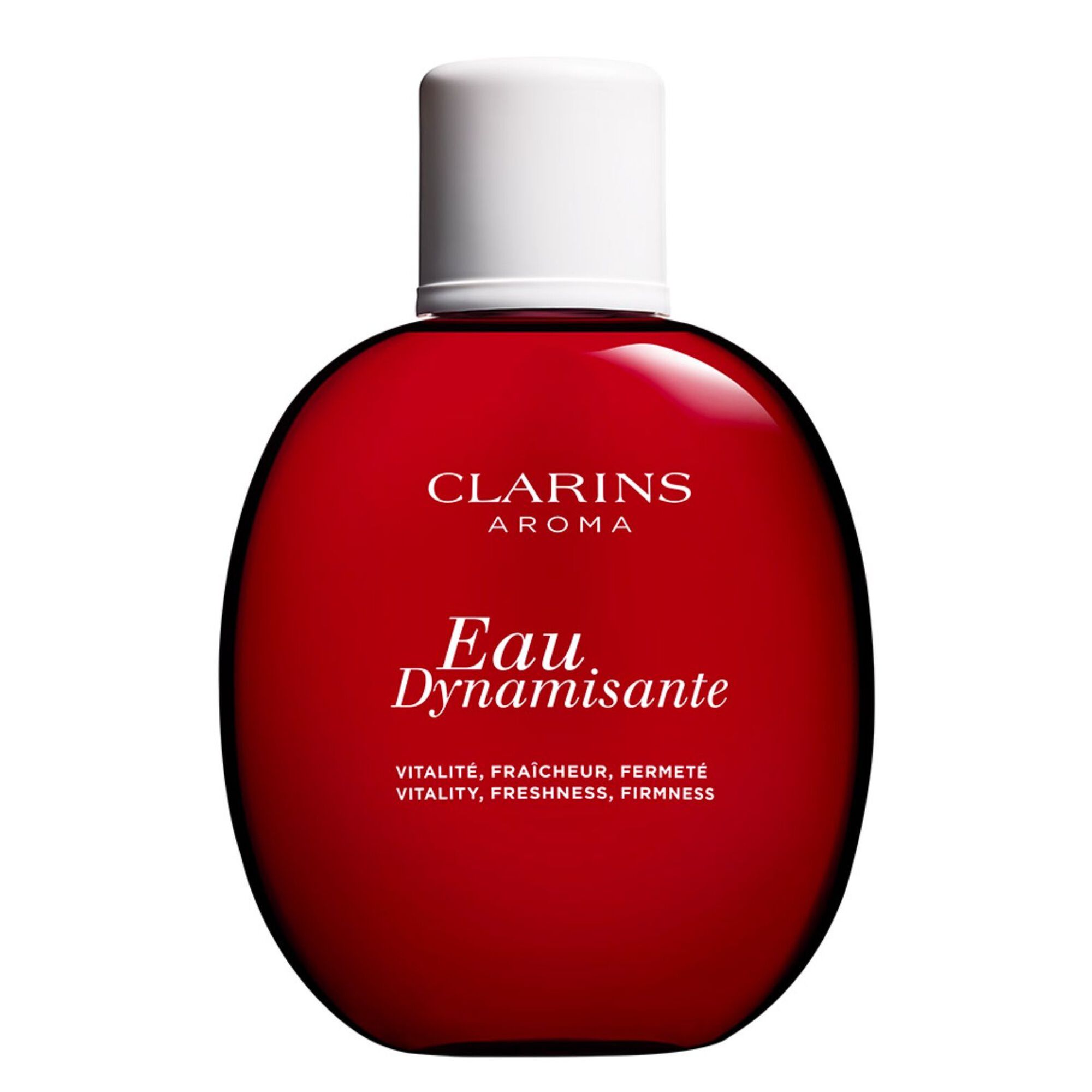
For each of these fragrances, this section offers an analysis of the original olfactory profile along with a selection of alternatives from the Tendance Parfums catalogue, chosen for their proximity of notes and their value for money.
| Reference fragrance | House | Olfactory family | Alternatives |
|---|---|---|---|
| Baccarat Rouge 540 | Maison Francis Kurkdjian | Amber woody | See the alternatives |
| Black Opium | Yves Saint Laurent | Gourmand oriental | See the alternatives |
| La Vie Est Belle | Lancôme | Gourmand floral | See the alternatives |
| Aventus | Creed | Fruity chypre woody | See the alternatives |
| One Million | Paco Rabanne | Spicy woody | See the alternatives |
| Invictus | Paco Rabanne | Aquatic aromatic | See the alternatives |
| Good Girl | Carolina Herrera | Floral oriental | See the alternatives |
| Angel | Mugler | Gourmand oriental | See the alternatives |
Dupes by brand: Zara, Action, Lidl and others
The dupe market has taken shape around a handful of players that have become central to beauty conversations. Zara has for several years offered a fragranced range conceived as a mirror of luxury successes, at very accessible prices. Hard-discount chains such as Action, Lidl or Aldi have followed this logic, adding inspired fragrances to their seasonal shelves. Primark and Lattafa on the oriental side round out this landscape of brands whose offering rests explicitly on the concept of inspiration.
While these alternatives offer an obvious advantage in terms of price, they also raise questions about longevity, the complexity of the composition and the quality of the raw materials used. This section examines these retailers one by one, comparing them with the alternatives available in our catalogue — fragrances that, in their own way, seek the same balance between accessibility and genuine olfactory quality.
| Brand | Range | Indicative price | Key inspirations | Our dupes |
|---|---|---|---|---|
| Zara | Fragrance collection | 15 – 25 € | Black Opium, Sauvage, Flora Gorgeous Gardenia | See the dupes |
| Lidl | Suddenly | under 10 € | Coco Mademoiselle, Bleu de Chanel, Bright Crystal | See the dupes |
| Action | Eau My Parfum | under 5 € | La Vie Est Belle, Lady Million, Invictus | See the dupes |
| Aldi | Lacura / seasonal | under 10 € | La Vie Est Belle, J'adore | See the dupes |
| Primark | PS… Fragrance | under 8 € | La Vie Est Belle, Bright Crystal | See the dupes |
| Lattafa | Oriental perfumery | 20 – 40 € | Oud Wood, Sauvage Elixir, Mon Paris | See the dupes |
| Divain | Online equivalences | 20 – 35 € | One Million, Angel | See the dupes |
Is the quality of a dupe up to scratch?
This is the question that comes up most often: can a fragrance sold for a few euros really compete with a composition costing several hundred euros? To answer this, you first need to understand how the price of a luxury fragrance is formed. The cost of the juice itself represents only a fraction of the retail price: most of it funds marketing, ambassadors, the flacon, packaging and distribution margins. An alternative saves on these costs and focuses spending on the scented material itself.
That does not mean all alternatives are equal. Three criteria make the difference in use. Longevity and sillage first: a very affordable juice often lasts less long than an original, as the concentration of noble materials and the richness of the pyramid are lower. Concentration next: an eau de parfum (15 to 20% essence) lasts longer than an eau de toilette; for an equivalent inspiration, an alternative in eau de parfum form will remain truer over time. The quality of the materials lastly: on a simple accord (vanilla, citrus, lavender), the gap is slight; on a complex, evolving composition, the original retains a depth that is difficult to reproduce at low cost.
Our approach is to favour alternatives whose olfactory direction is genuinely close, rather than promising an exact copy. For each reference fragrance, the dedicated page details the shared notes and, where relevant, flags any expected differences in longevity.
Dupe, fragrance of inspiration, counterfeit: not to be confused
Three notions are often mixed up, even though they have nothing to do with one another. A counterfeit is illegal: it reproduces the name, the flacon and the identity of a brand in order to deceive the buyer. A dupe or fragrance of inspiration, by contrast, embraces an olfactory kinship under its own name and its own brand: no scent is protected by copyright, and fitting within an existing olfactory movement is perfectly legal.
In practical terms, a credible alternative never presents itself as "the real thing": it claims its own signature and cites the original only as an olfactory reference point. It is this transparency that distinguishes an honest approach from deception. All the references listed on Tendance Parfums are genuine products from their respective brands, chosen for how closely their notes match a sought-after fragrance — never as fraudulent imitations.
How to use this guide
You can navigate this section in several ways, depending on what you are looking for. By reference fragrance, to find an alternative to a specific success — see the table of the most sought-after fragrances above. By brand, to compare what Zara, Lidl, Action and the other discount retailers offer against the options in our catalogue. By gender finally, to explore alternatives by broad profile: dupes for men and dupes for women. Each page combines technical analysis with a concrete selection, without passing judgement on anyone's choices — perfumery is, above all, a matter of personal sensations.

Frequently asked questions
A dupe is an olfactive alternative inspired by a reference parfum, offered under its own name and often at a lower price. It shares a similar olfactive direction — fragrance families, signature accords, comparable fragrance pyramid — without attempting to pass itself off as the original. It is neither a counterfeit nor an illegal copy, but a composition that embraces its inspiration.
Yes. No scent is protected by copyright: drawing inspiration from an existing olfactive direction is perfectly legal, provided the name, flacon and identity of a brand are not copied. This is precisely what distinguishes an inspiration parfum, which claims its own signature, from a counterfeit, which seeks to deceive the buyer.
It depends on the concentration and quality of the materials. With a simple accord (vanilla, citrus, lavender), the difference in longevity is often minimal. With a complex composition, the original generally retains more depth and sillage. At equal inspiration, an alternative in eau de parfum (15 to 20% essence) will last longer than an eau de toilette.
It depends on the budget and the profile sought. Zara remains the benchmark for accessible, well-composed dupes (15-25 €), hard-discount retailers (Lidl, Action, Aldi) compete on unbeatable prices, and specialists such as Lattafa or Divain target more oriental and woody profiles. Our retailer comparison table contrasts these channels with the alternatives in our catalogue.
The simplest approach is to start from the reference parfum: each dedicated page (Baccarat Rouge 540, Black Opium, Sauvage, La Vie Est Belle…) details the original olfactive profile and offers a selection of alternatives chosen for their closeness in notes. The table of most searched-for parfums above will take you there directly.
The cost of the juice represents only a fraction of the price of a luxury parfum: the bulk finances marketing, brand ambassadors, the flacon and distribution margins. An alternative saves on these items and concentrates expenditure on the fragrant material, which explains a noticeably lower price point for a comparable olfactive direction.
Yes. All listed references are authentic products from their respective brands, selected for their closeness in notes to a sought-after parfum. We never sell fraudulent imitations: a dupe here is a legal inspiration parfum, never a counterfeit.