
Francis Fabron: the perfumer behind L'Air du Temps and L'Interdit
Francis Fabron is one of the French perfumers of the twentieth century whose works have crossed the decades without ageing. Creator of two of the most enduring feminine jus in classic French perfumery — L'Air du Temps for Nina Ricci and L'Interdit for Givenchy —, he embodies a school of floral-aldehydic composition where sophistication never excludes softness. This page brings together his biography, his olfactory signature and the flacons available at Tendance Parfums.
Who is Francis Fabron?
Francis Fabron is a French perfumer whose career unfolds mainly in the second half of the twentieth century, within the great Parisian couture houses. His name remains attached to two creations that marked the history of perfumery: L'Air du Temps for Nina Ricci, launched in 1948, and L'Interdit for Givenchy, launched in 1957.
These two perfumes share a genesis linked to post-war Parisian haute couture, an era in which fashion houses saw perfume as a natural extension of their creative identity. Fabron worked in this particular context, where the nose must compose in close dialogue with couturiers — Robert Ricci for Nina Ricci, Hubert de Givenchy for the eponymous house — each of whom had a precise vision of the femininity they dressed.
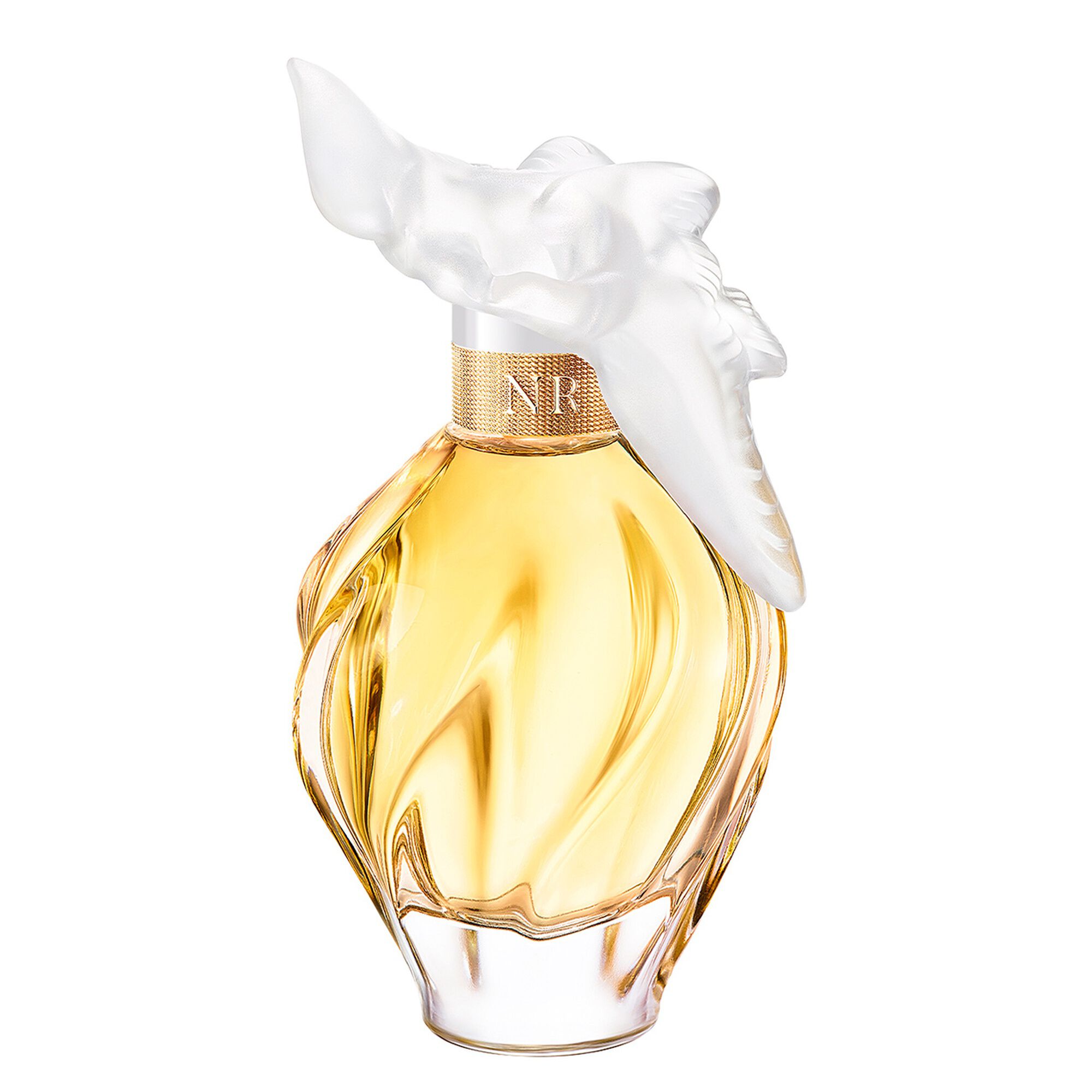
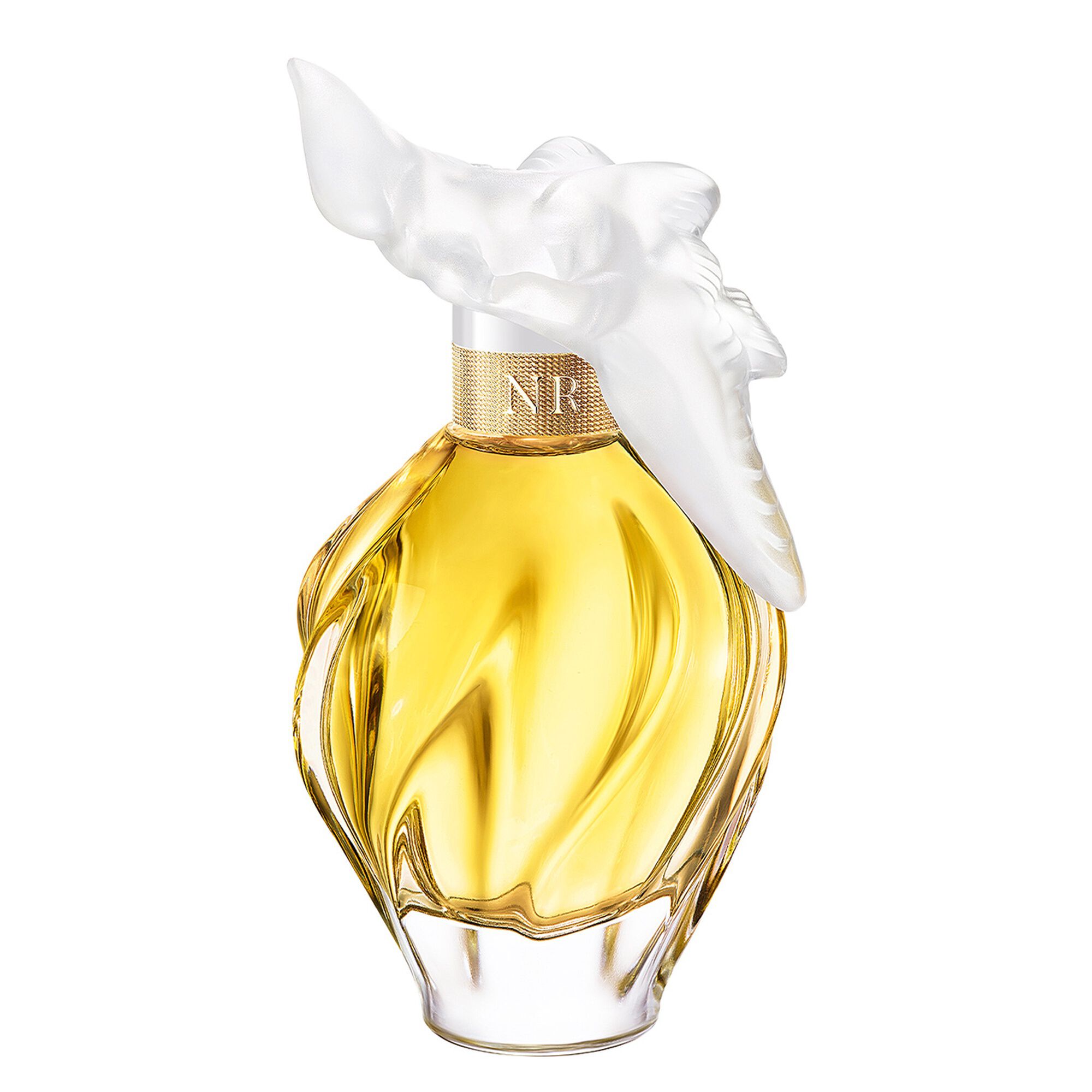
L'Air du Temps quickly became a symbol of restored peace and elegance, its flacon adorned with doves designed by Marc Lalique entering popular culture well beyond the world of perfume alone. L'Interdit, for its part, owes its name to Hubert de Givenchy's decision to reserve it exclusively for Audrey Hepburn before offering it to the general public — an anecdote that speaks volumes about the intimate dimension Fabron knew how to instil in his compositions.
His training remains poorly documented in the publicly available sources, but his body of work testifies to a solid command of the classic floral and aldehydic composition techniques characteristic of mid-century French perfumery.
Francis Fabron's olfactory signature
Francis Fabron's palette is recognisable for its structured elegance, never aggressive, in which aldehydes play a central architectural role. These synthetic molecules — which give compositions their airy, almost powdery, lightly soapy character — represent a strong stylistic choice for him, typical of great classic French perfumery, yet handled with a lightness that avoids any overwhelming effect.
His two major works also share a common woody-resinous base note: soft, vanillic benzoin, and oakmoss — present in L'Air du Temps — give his base notes a warm, long-lasting depth that explains the exceptional longevity of these perfumes on the skin.
At the heart of his compositions, Fabron favours noble florals: spicy, slightly carnal carnation in L'Air du Temps, powdery violet and earthy orris root in L'Interdit. These choices allow him to build perfumes that seem both discreet and deeply present — a rare quality that enthusiasts often describe as a "sillage of memory".
The cloves, present in the top notes of L'Air du Temps, introduce a slight spicy tension that keeps the composition from falling into blandness. The peach that emerges in L'Interdit brings a subtle, almost underlying fruity roundness.
What best defines Fabron's signature is a perfect triangular construction — lightness in the top notes, a warm floral heart note, a persistent resinous base note — never sacrificing legibility to complexity.
Francis Fabron's creations available at Tendance Parfums
Tendance Parfums offers references signed Francis Fabron, spread across the two great houses for which he composed: Nina Ricci and Givenchy. These flacons show high satisfaction ratings — up to 4.93/5 based on verified reviews —, attesting to a loyal clientele who return to these classics year after year. Several versions (EDT, EDP, Rouge editions) make it possible to find the format best suited to each use and each budget.
Our favourites, reviewed
Nina Ricci L'Air du Temps EDT — At 47.00 EUR, this is the ideal entry point into Fabron's world. Airy aldehydes, spicy carnation and an oakmoss base note: the 1948 formula remains remarkably coherent. Rated 4.89/5 by 66 verified buyers, it is the absolute best-seller of this selection. "I would have preferred the refill": proof that loyal wearers can no longer imagine being without it.
Nina Ricci L'Air du Temps EDP — The Eau de Parfum version (74.50 EUR) intensifies the benzoin and carnation without weighing down the structure. Ideal for dry skin types or cooler seasons. 4.81/5 from 54 verified reviews. "I've been using this very refined eau de parfum for about thirty years and I'm still hooked": thirty years of loyalty, the best possible endorsement.
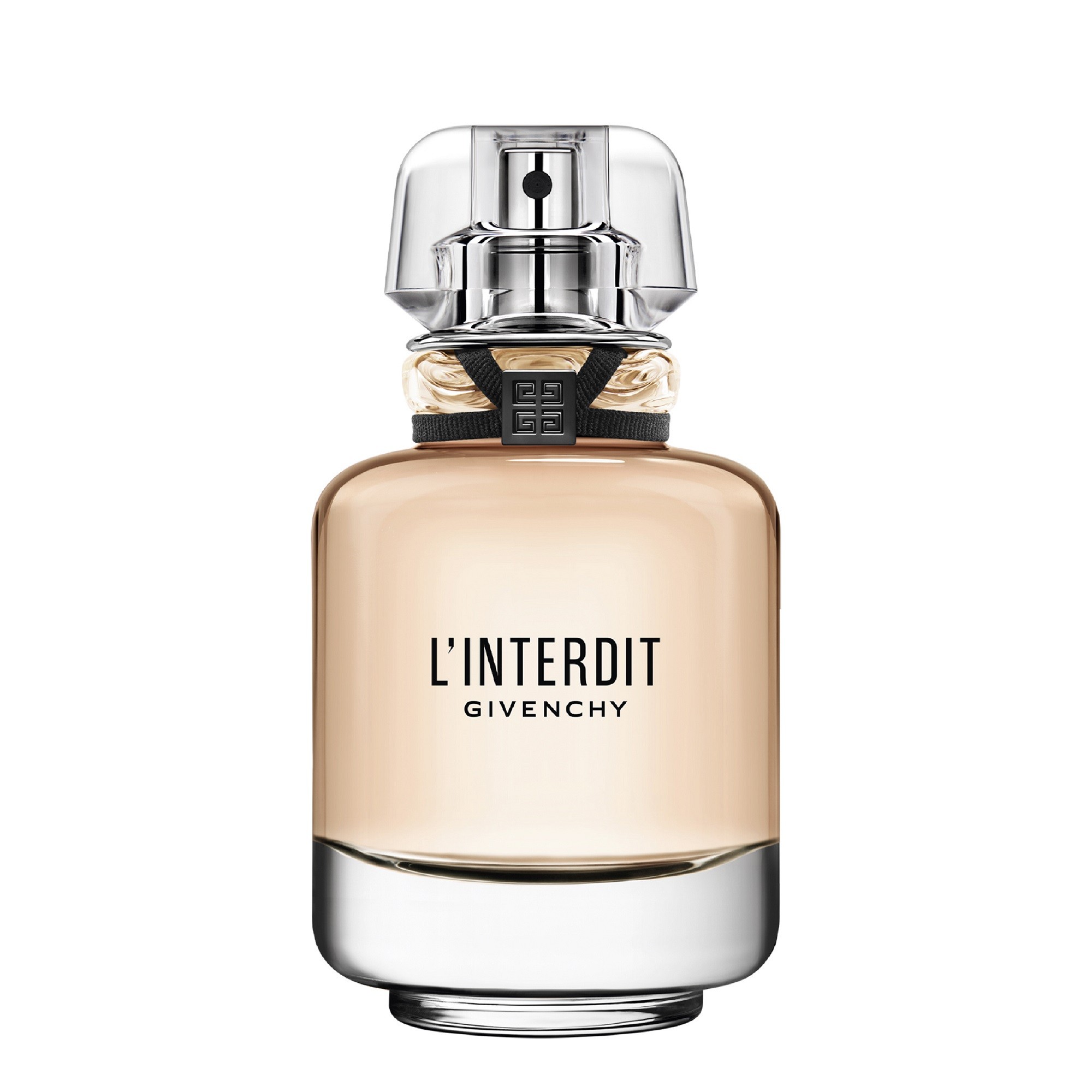
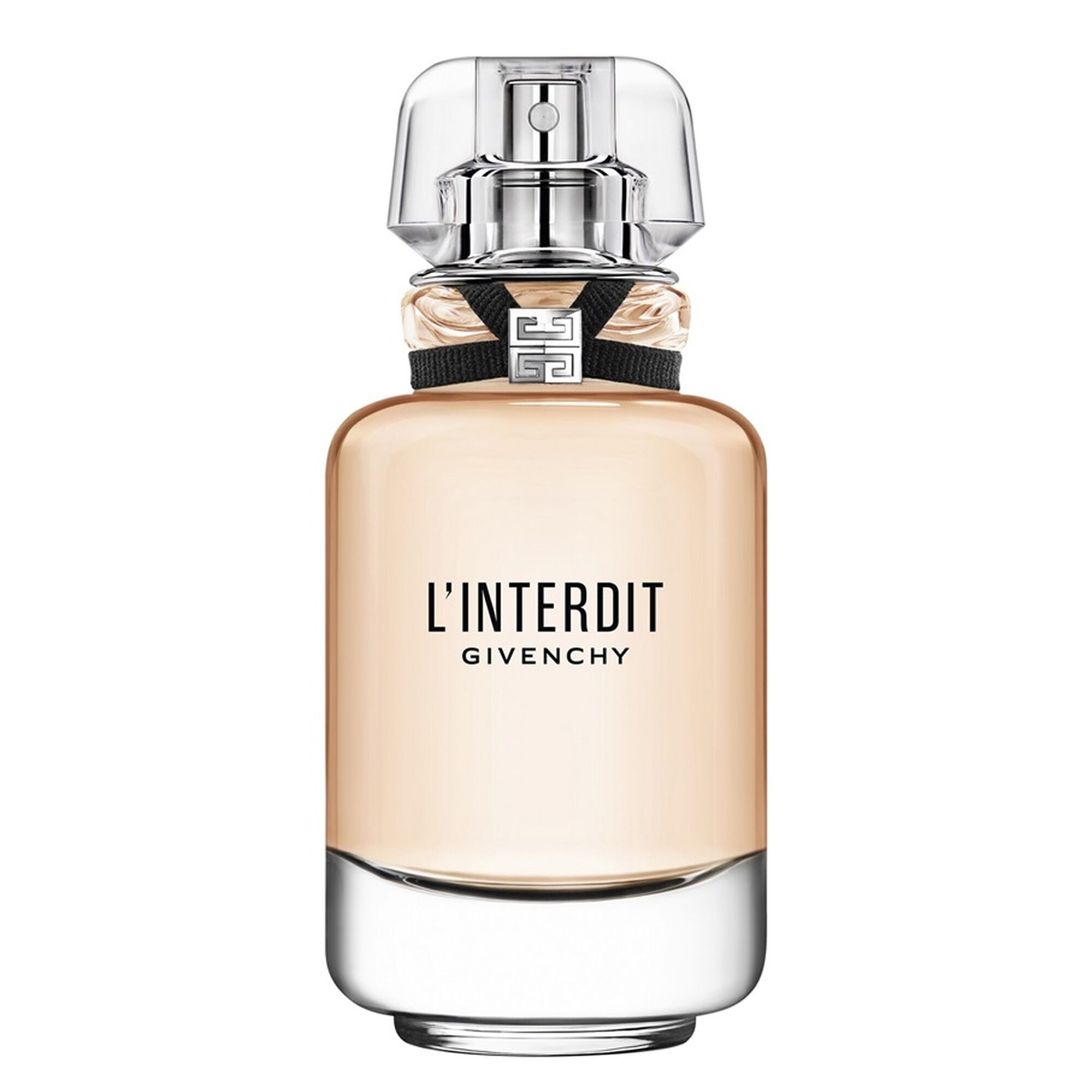
Givenchy L'Interdit EDP — At 55.50 EUR, this concentrated version of L'Interdit unfolds its orris root and violet over a base note of peach and benzoin with remarkable longevity. 4.18/5 from 108 verified reviews — the largest review base in the selection. "I love this floral perfume, it lasts very well" sums up what its devotees are looking for.
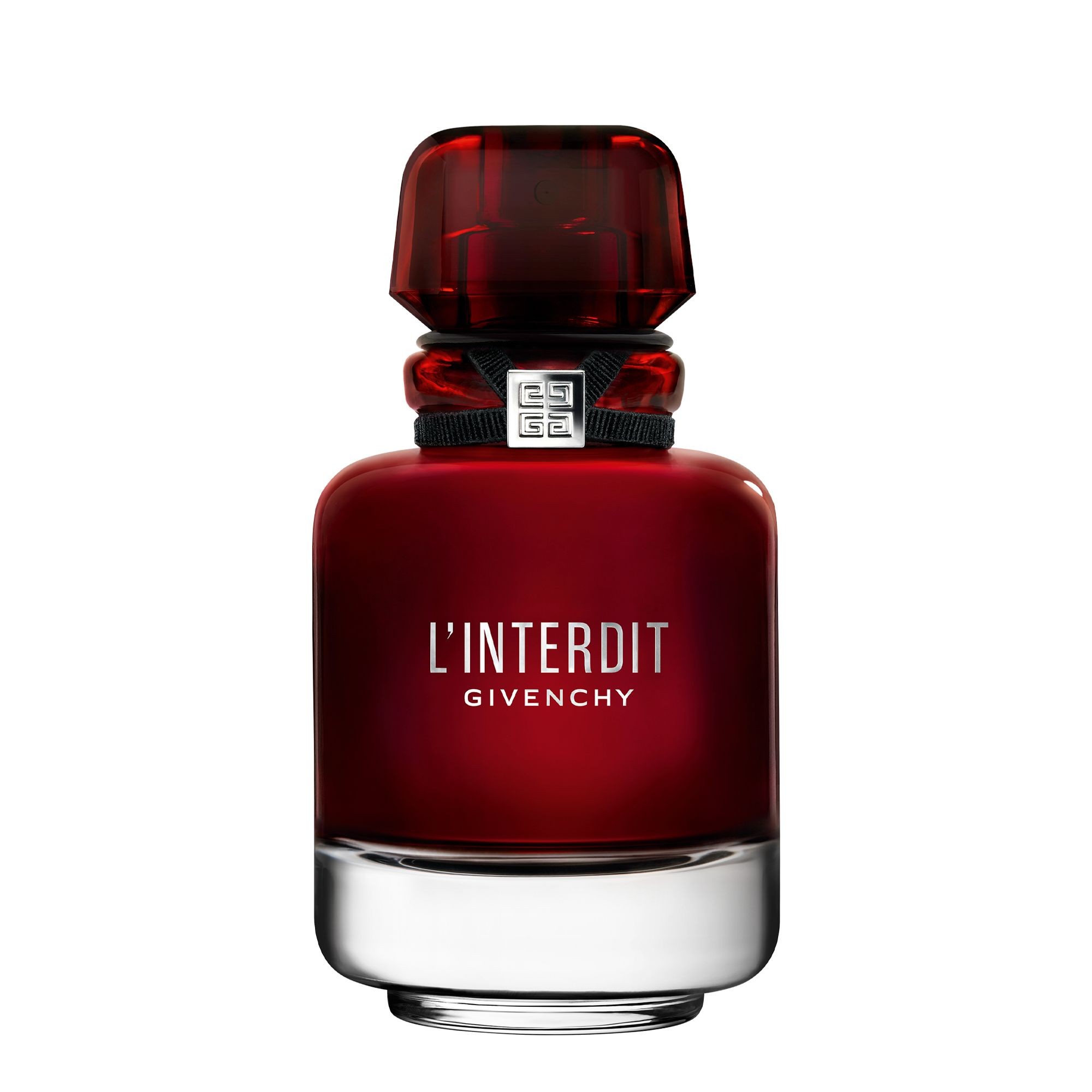
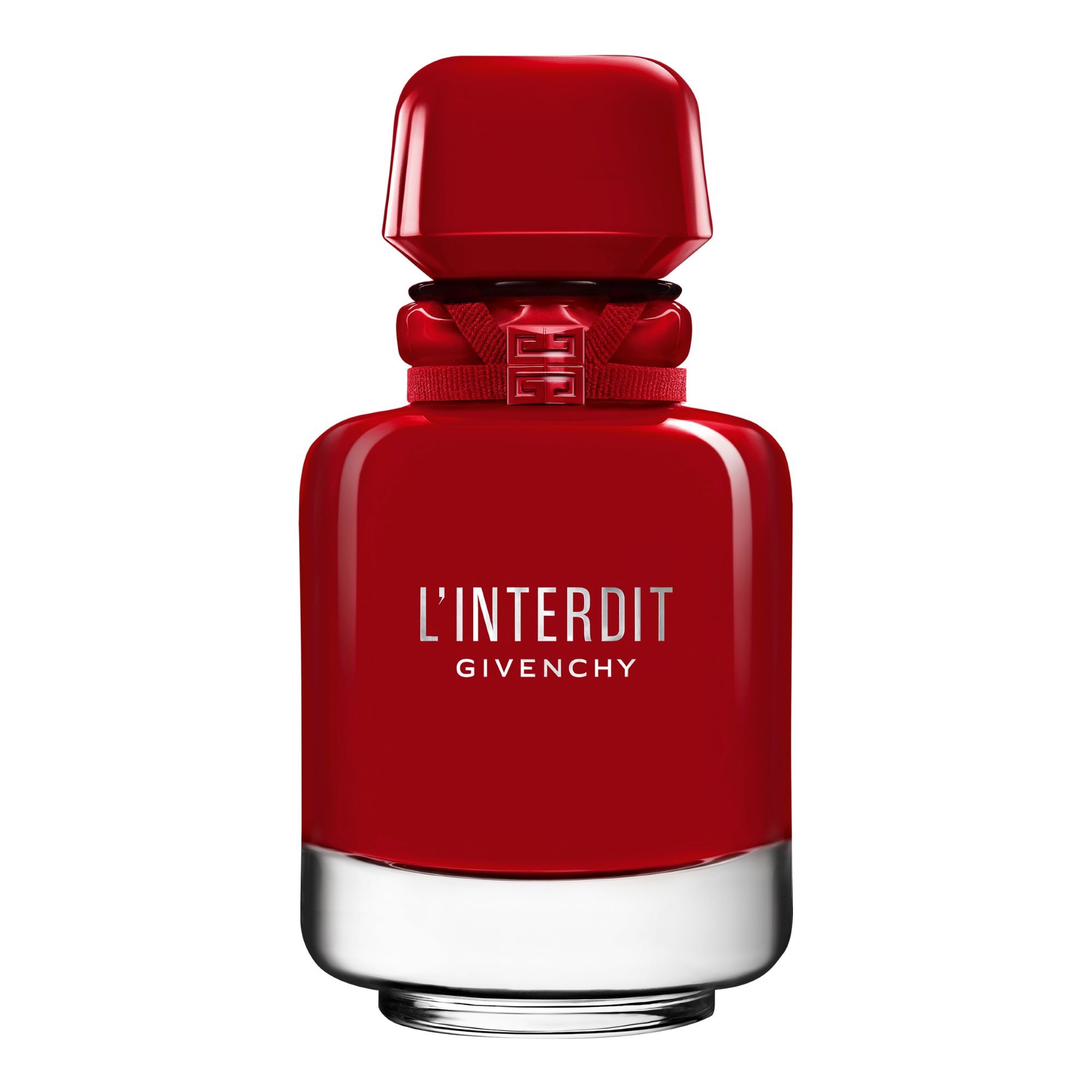
Givenchy L'Interdit Rouge Édition — At 55.50 EUR, this red version intensifies the aldehydic and powdery facets of the original formula for a more assertive result come evening. Rated 4.93/5 from 14 verified reviews — the highest rating in the selection. "Very good value for money" confirms that it holds its own against new releases at much higher prices.
Frequently asked questions
What is Francis Fabron's most famous perfume? L'Air du Temps for Nina Ricci (1948) is Francis Fabron's most emblematic creation. A floral-aldehydic fragrance with carnation and benzoin, it remains one of the best-selling and most recognised classic feminine perfumes in the history of French perfumery.
How would you define Francis Fabron's olfactory style? Fabron composes in a classic floral-aldehydic register: airy aldehydes in the top notes, noble floral heart notes (carnation, violet, iris), warm base notes of benzoin and oakmoss. His perfumes are structured, elegant, long-lasting without being heavy — the embodiment of post-war Parisian chic.
Which houses did Francis Fabron work for? The two major houses documented in his body of work are Nina Ricci, for which he created L'Air du Temps in 1948, and Givenchy, for which he composed L'Interdit in 1957. These two Parisian couture houses built part of their fragrance identity thanks to his compositions.
Which Francis Fabron perfume should you start with if you don't know his work? Nina Ricci's L'Air du Temps EDT (47.00 EUR) is the best entry point: it is his best-selling creation at Tendance Parfums, rated 4.89/5, and its accessible price allows you to discover his aldehydic-floral signature without a significant financial commitment.
What is the difference between Givenchy's L'Interdit EDT and L'Interdit EDP? The EDP (55.50 EUR) has a higher concentration of raw materials, which enhances the depth of the orris root and benzoin and improves longevity on the skin. The EDT (47.00 EUR) is lighter and fresher in the top notes, ideal for everyday daytime wear.