

Ambrette (musk mallow) parfum: the complete guide to the note
Ambrette, extracted from the seeds of musk mallow (Abelmoschus moschatus), is one of the rare vegetal sources capable of evoking a soft, almost animalic musk without resorting to animal glands. Silky, powdery and subtly wine-like, this note appeals both to those seeking a comfortable second skin and to lovers of subtle sophistication. This guide details its nature, its accords and tips for wearing it every day.
The ambrette (musk mallow) note in perfumery: what is it?
Ambrette is a raw material of vegetal origin obtained from the seeds of Abelmoschus moschatus, a plant of the Malvaceae family grown notably in India, Egypt and certain tropical regions of Asia. Its essential oil, along with the absolute or concrete extracted from it, contains natural musky compounds — including macrolides — which give it a singular olfactory profile: at once soft, body-like and vegetal.
Its olfactory facets are numerous and subtle. First, one perceives a clean musky character, recalling warm skin rather than an animal. This is joined by a powdery and creamy touch, sometimes slightly wine-like or fruity (evoking ripe pear or muscat grape), and a bittersweet nuance that keeps it from any excessive heaviness. Some specialists also detect a light woody inflection and an ambery warmth in the base note.
In the fragrance pyramid, ambrette is most often placed as a heart note or base note. Its moderate volatility allows it to appear after the first few minutes of diffusion, then gradually blend into the sillage to accompany the skin for several hours. It can also help bridge the top notes and the base note by lending a silky continuity.
Ambrette is particularly prized in naturalist and niche perfumery, where it serves as a vegetal alternative to animal musk. It also features in conventional formulations as a binding agent, unifying the different layers of a composition and giving it a texture perceived as body-like and intimate.
Fragrances with the ambrette (musk mallow) note in our catalogue
Our selection below is continuously updated according to stock and new arrivals.
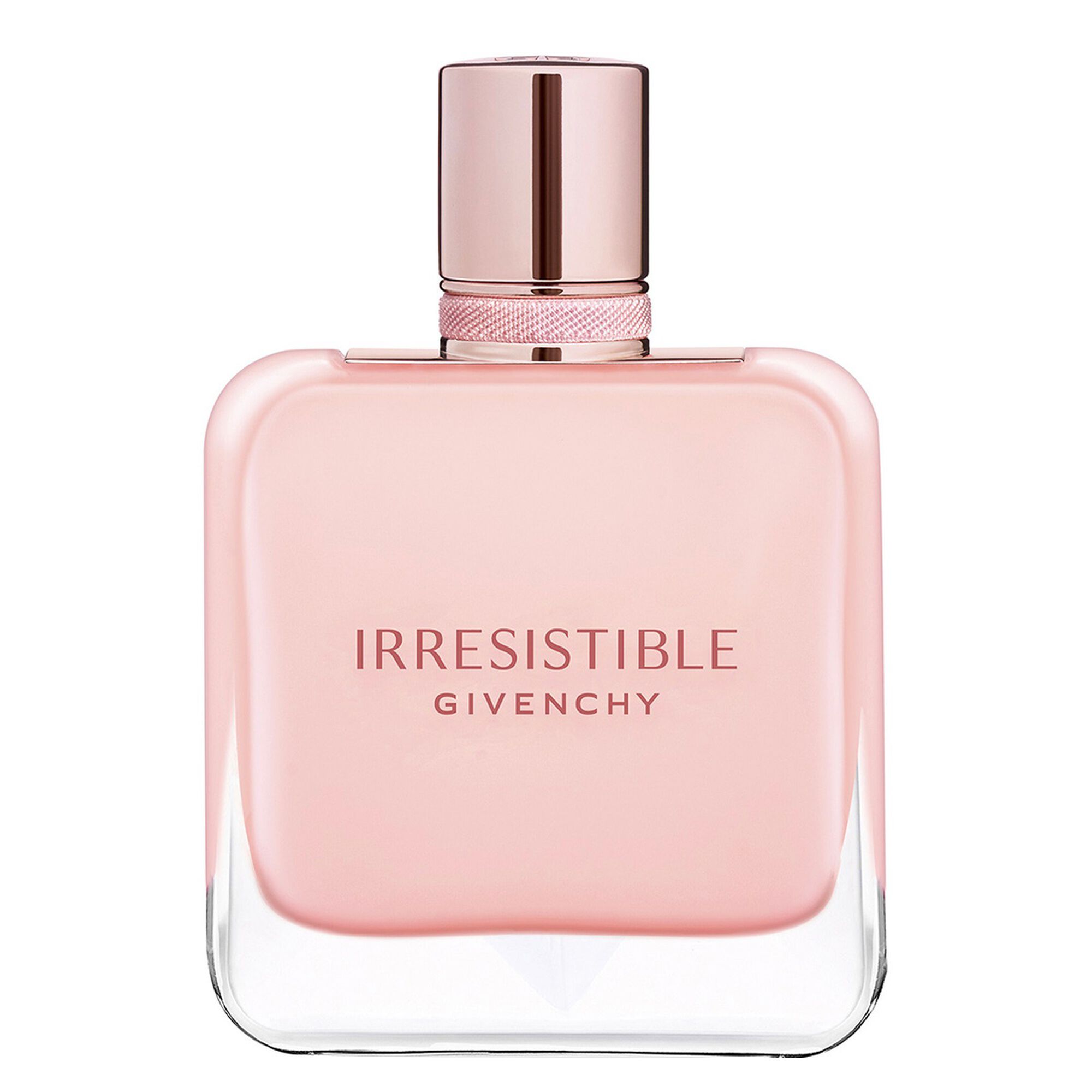
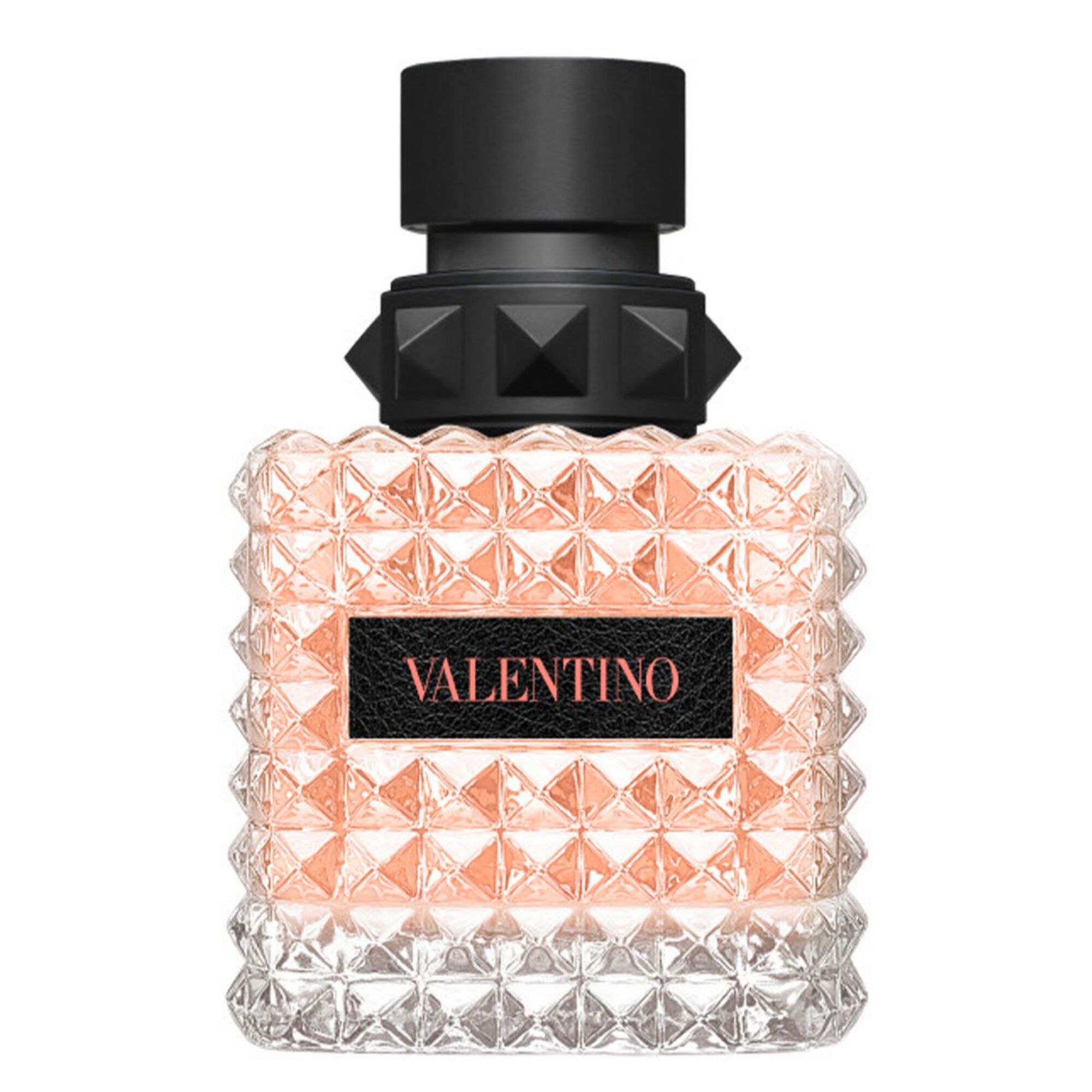
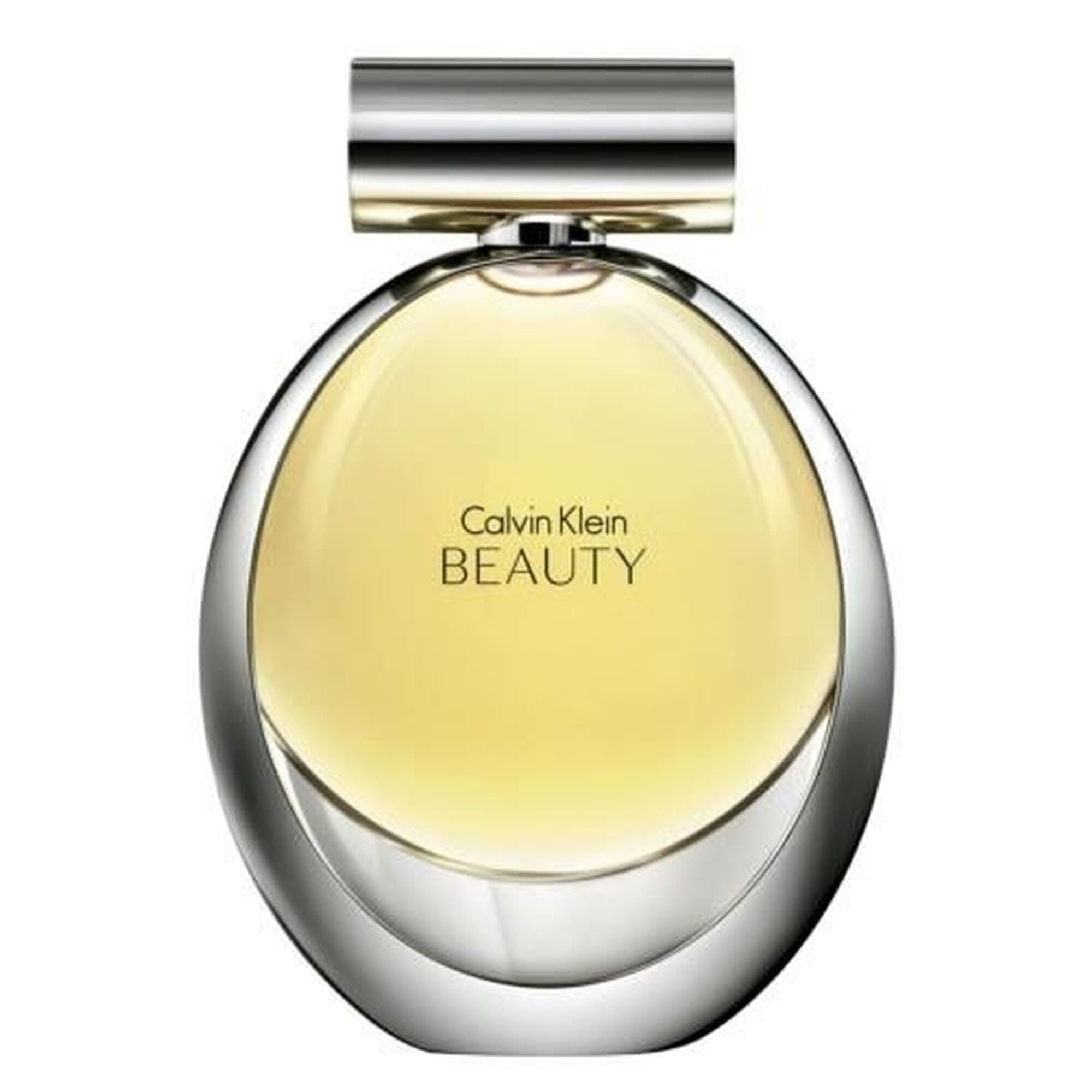
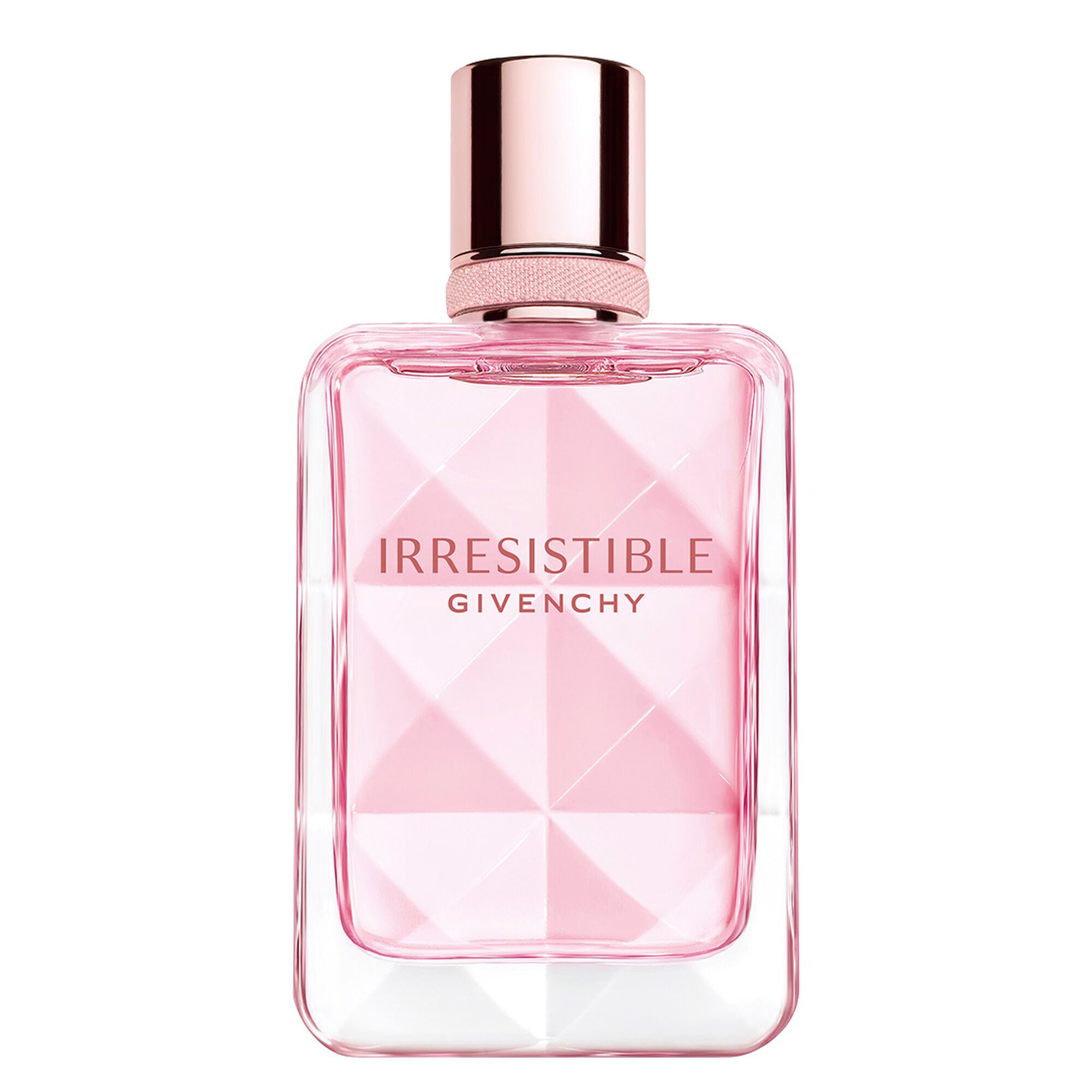
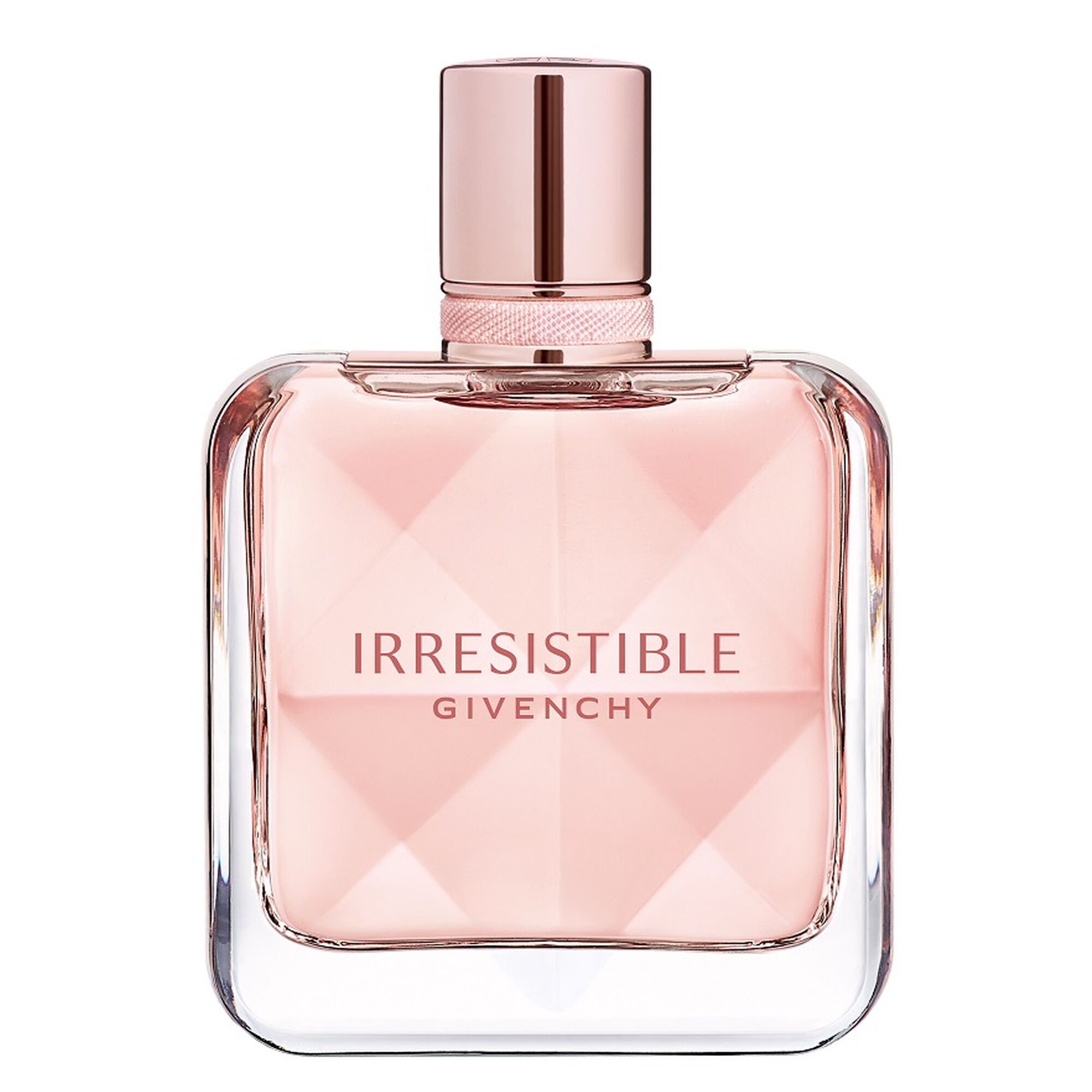
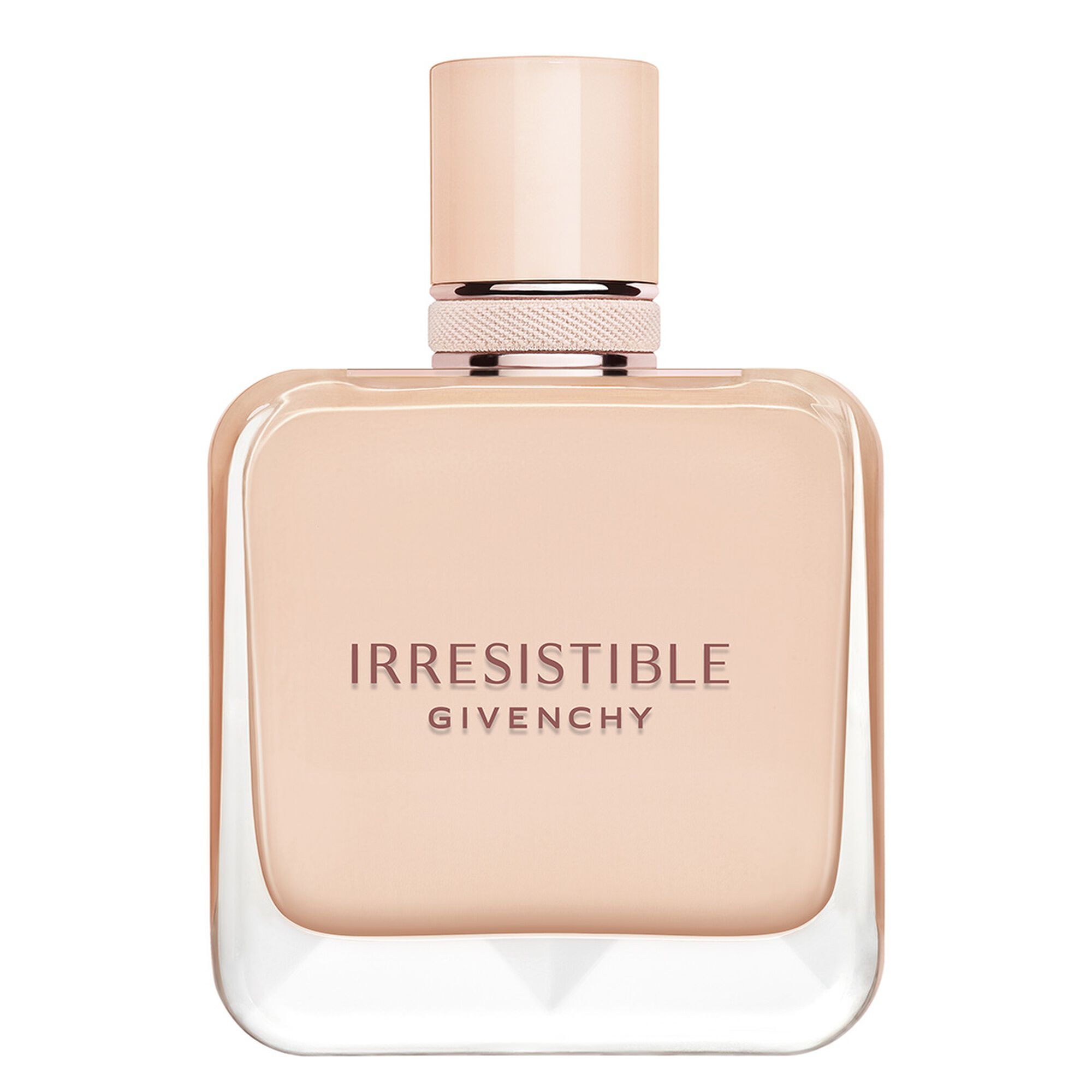
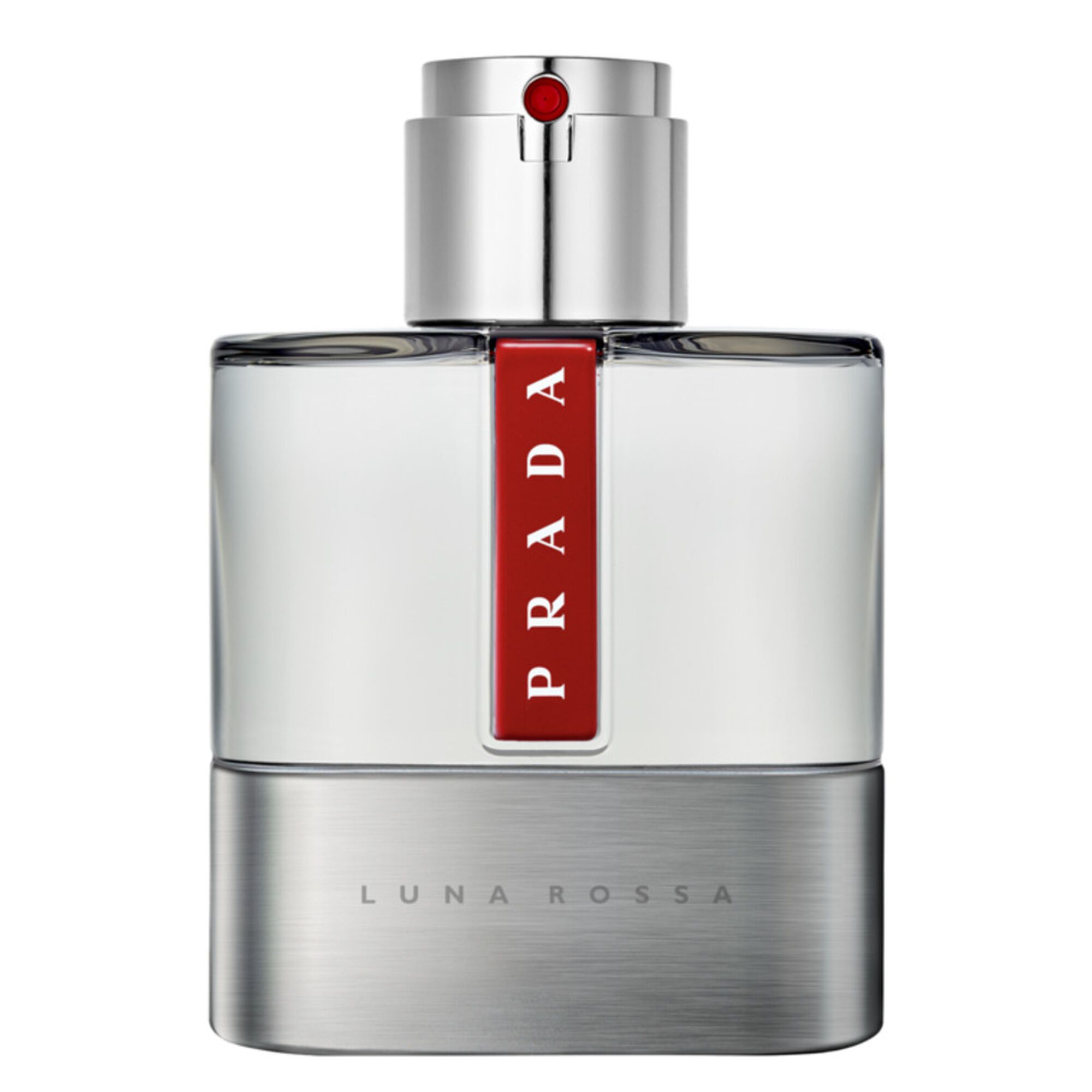
Which notes pair well with ambrette (musk mallow)?
Ambrette pairs naturally with a wide olfactory spectrum thanks to its musky, powdery and lightly creamy nature.
With florals, it enriches roses, peonies and white flowers (jasmine, tuberose) by adding a body-like dimension and a softness that highlights their petal-like quality rather than their green facets. The pairing creates a satiny and sensual floral without tipping into heaviness.
With woods, notably sandalwood, cedar or light oud, ambrette lends a soft counterpoint that smooths rough edges and gives the wood an almost skin-like warmth. This is a classic pairing in moderate oriental parfums.
With synthetic musks and ambers, it creates natural blends: its vegetal character tempers the coolness of ketonic white musks, while its slight wine-like edge enriches ambery accords without weighing them down.
With citrus and fresh notes (bergamot, mandarin, light ginger), ambrette plays the role of an enveloping base note: it holds onto volatile notes and gives body to compositions that might otherwise prove fleeting.
To avoid or handle with care: pairing with very camphoraceous or very green notes can blur its musky profile; too high a concentration of heavy resins can also mask its natural finesse.
Ambrette (Musk Mallow) for women, for men: how to choose?
Ambrette is fundamentally a unisex note, which explains its presence in creations intended for both women and men, and even in openly ungendered offerings.
In feminine parfums, ambrette often expresses itself in a powdery-floral register: paired with rose, iris or white musk, it signs soft, intimate sillages that evoke bare skin rather than an elaborate bouquet. It particularly suits those who prefer a personal and subtle parfum, perceived close to the body. Women accustomed to light orientals or musky florals will find familiar ground here.
In masculine parfums, ambrette tends to combine with woody, spicy or aromatic notes — sandalwood, pink pepper, cardamom — to create a warm skin under clothing effect. It softens compositions without feminising them, lending a sensual depth appreciated in contemporary musky-woody creations. It appeals to men seeking an understated and modern parfum, far from sporty compositions.
In unisex fragrances, ambrette often serves as a common denominator: it creates that sense of a person's parfum rather than a gendered one.
Testing tips: apply to the wrist and wait at least twenty minutes before judging, as ambrette reveals its full character with the warmth of the skin. Avoid rubbing your wrists together, as this breaks down the delicate molecules.
How to wear an ambrette (musk mallow) parfum?
A parfum with a dominant note of ambrette is ideally worn in all seasons, but it best expresses its sensual character in autumn and winter, when body warmth amplifies its musky, creamy side. In spring, it also works very well in lighter, more floral formulations.
In summer, favour lighter concentrations (eau de toilette) or accords where ambrette is paired with citrus: the freshness offsets the potential heaviness of warm weather.
Occasions and times of day: ambrette is a close-to-skin note, ideal for intimate evenings, the office or relaxed weekend outfits. Its natural subtlety makes it well suited to environments where a powerful sillage would be unwelcome.
Application: apply the parfum to the pulse points — wrists, base of the neck, inner elbows — so that body warmth slowly diffuses the musky note. Applying to the hair enhances diffusion within the sillage. If layering fragrances, make sure the other parfum is neutral or lightly woody so as not to smother the finesse of the ambrette.
Frequently asked questions
How long does a parfum based on ambrette last on the skin? Longevity varies according to concentration and formulation, but ambrette, as a heart note or base note, generally contributes to good longevity: expect between four and eight hours on hydrated skin. Dry skin types hold musks less well; applying a neutral cream beforehand helps extend the diffusion.
What is the difference between ambrette and white musk? White musk usually refers to synthetic molecules (ketonic or polycyclic musks) with a clean, slightly milky profile. Ambrette is a natural vegetal material, more complex, with a wine-like, powdery and slightly body-like touch. Its scent is less refined but more alive and closer to an authentic skin note.
In which season is ambrette (musk mallow) most enjoyable? Ambrette is versatile, but it best reveals its body-like depth in autumn and winter, when body warmth amplifies its musky and creamy facets. In spring or summer, choose a formulation where it is paired with fresh or light floral notes.
Is ambrette suitable for a subtle parfum profile? Yes, ambrette is particularly well suited to those seeking an intimate and personal sillage rather than an imposing one. It diffuses close to the skin and blends with body warmth, making it a natural choice for those who prefer a parfum that feels like a second skin.